GLP-1 Diet Plan: Foods to Eat, Foods to Limit & 7-Day Meal Plan
When you’re eating 40% less on GLP-1 medications ( yes, research shows people on GLP-1 eat 16-39% less calories), every calorie suddenly matters much more. Yet most people have absolutely no idea how to make those smaller portions actually work for them.
Do it the wrong way, and you could lose muscle along with fat, develop nutrient deficiencies, or worse, struggle with weight regain immediately you stop the medication. Do it the right way, and you are set. You’ll improve your body composition in a sustainable, healthy way.
GLP-1 medications are not a magic solution. They are marketed as such, but they’re not. They’re merely tools. These weight loss tools work best when paired with the right nutrition strategy.
Whether you’re taking Ozempic, Wegovy, Mounjaro, or simply researching your options, you need to understand how to eat properly to maximize your results and actually support your overall health.
The idea isn’t just to eat less. After all, these medications make sure you actually eat less. So, the real issue isn’t how much food you’re eating, it’s the quality of the food you eat. And unfortunately, many people make a lot of nutritional mistakes when on GLP-1 medications.
So, today we are looking at GLP-1 diet plan. What to eat, what to avoid, plus a 7-day GLP-1 diet meal plan.
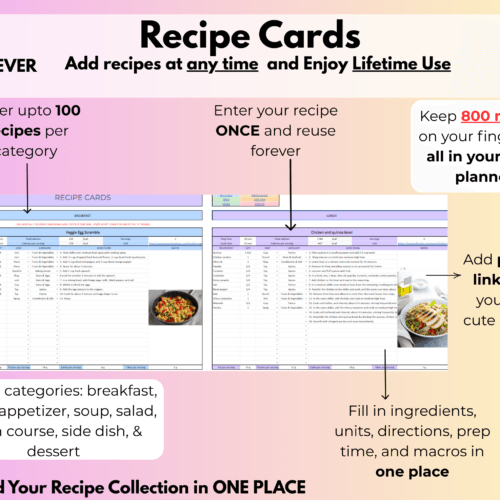
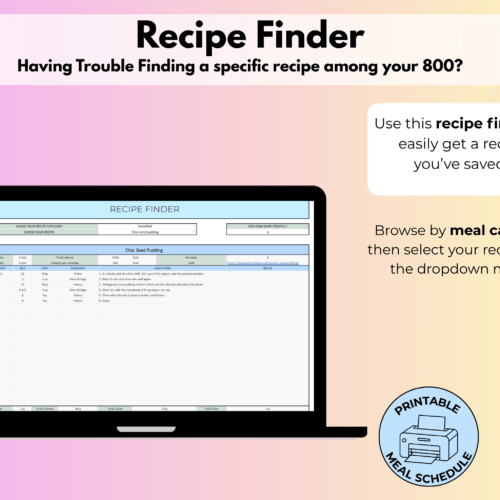
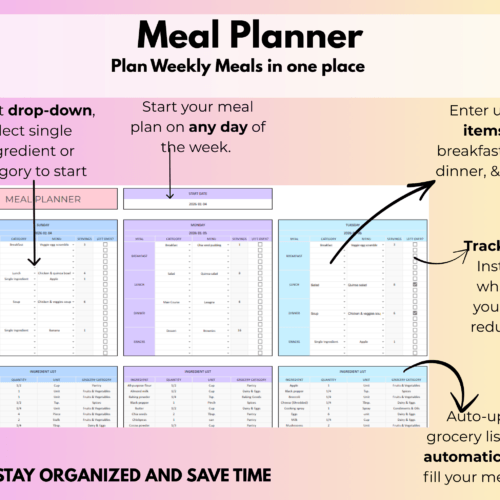
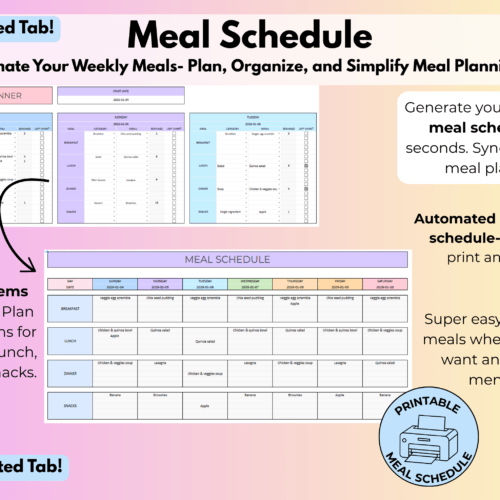
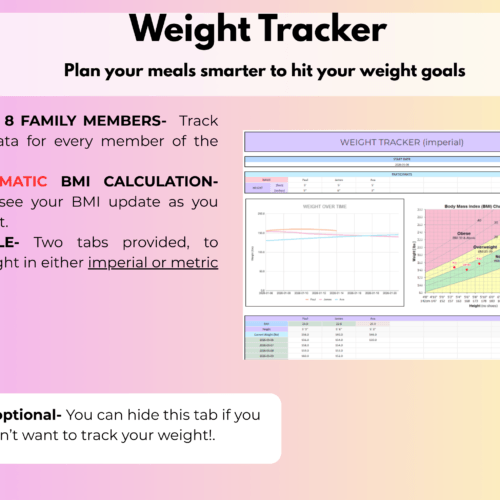
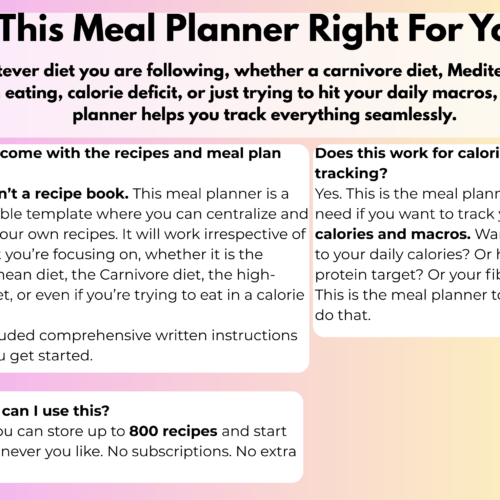
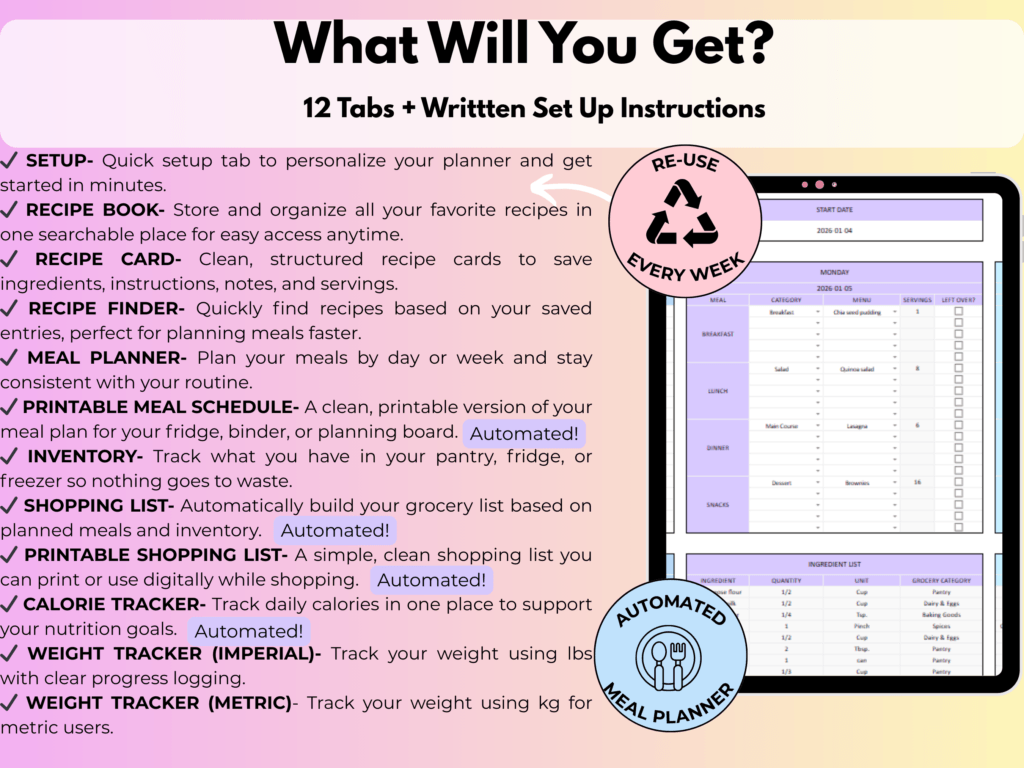
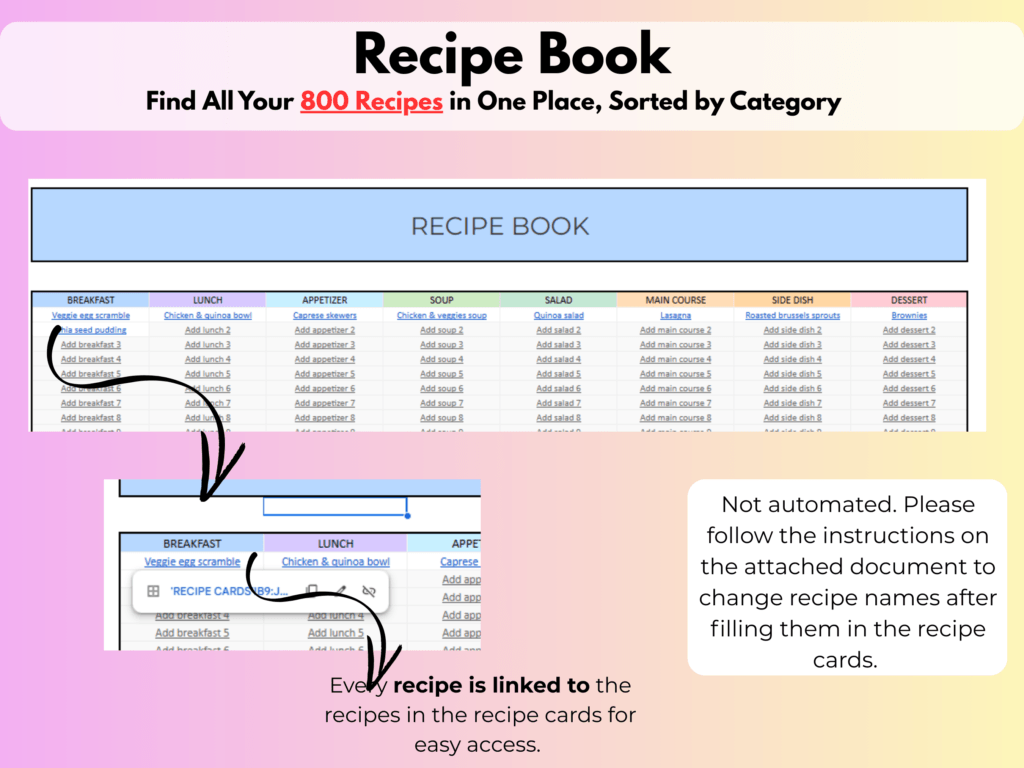
First things first, if you are on GLP-1, having a simple way to plan meals ahead of time can make staying consistent much easier. Here’s the meal-planner spreadsheet I use. It is more than just a meal planner. You can automatically generate your grocery list, store and organize up to 800 recipes, and most importantly, track your calories and macros. Plus, there’s a bonus weight loss tracker to help you track weight loss.
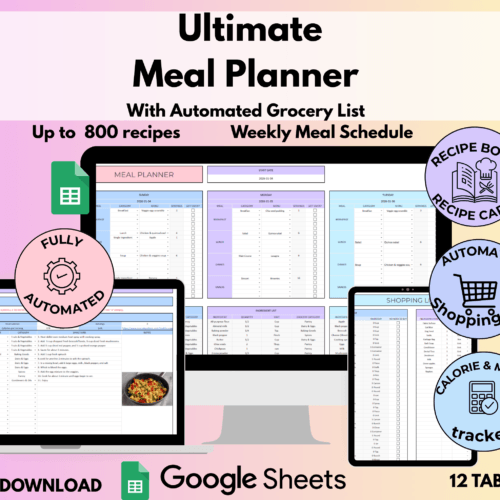
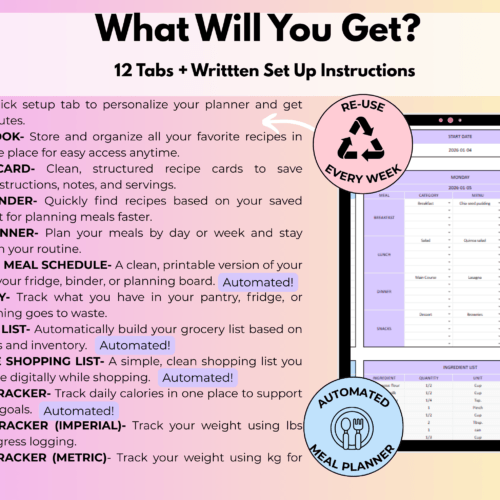
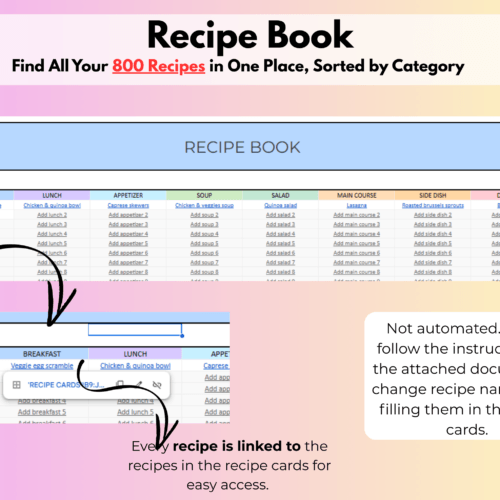
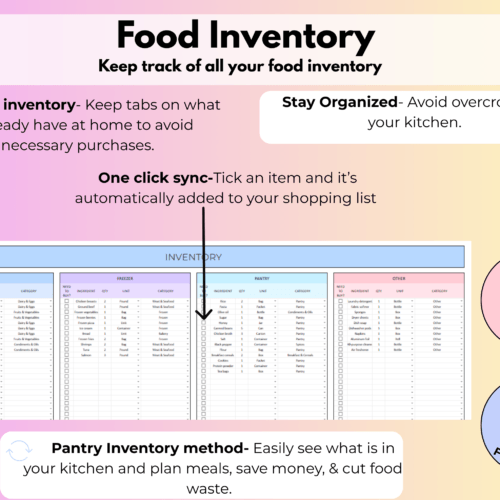
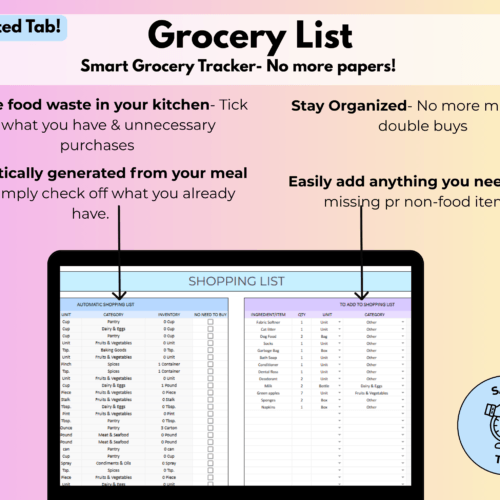
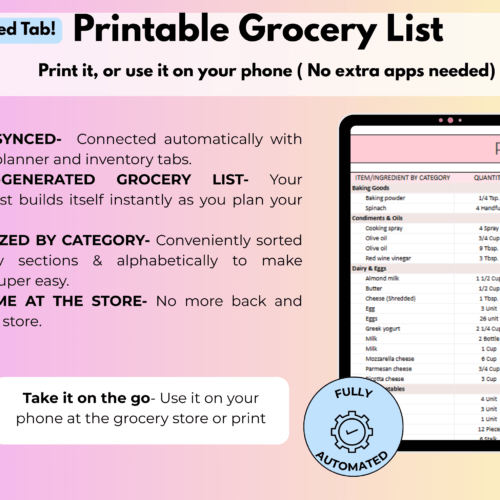
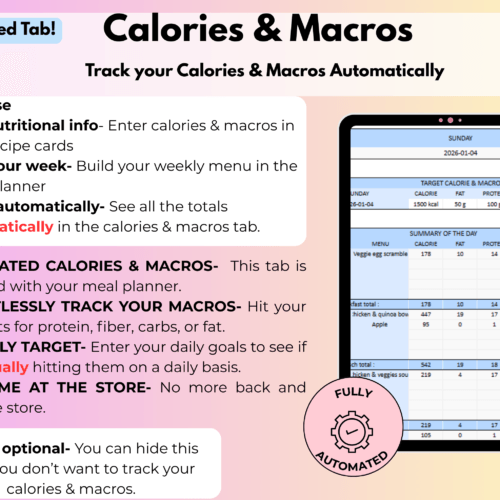

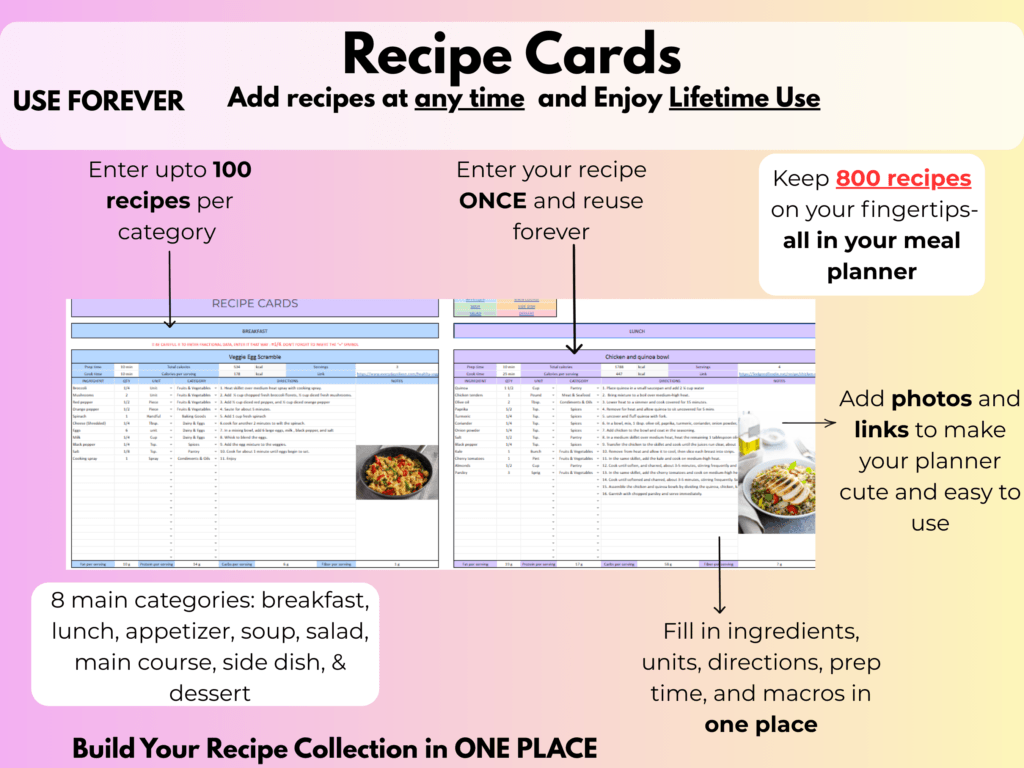
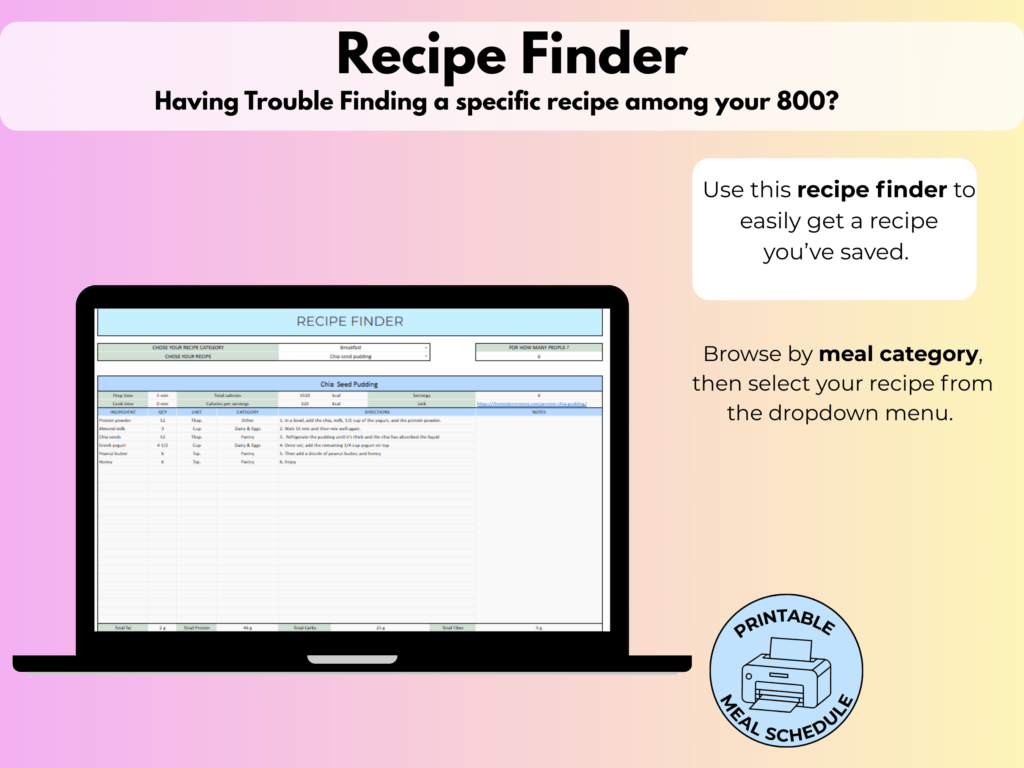
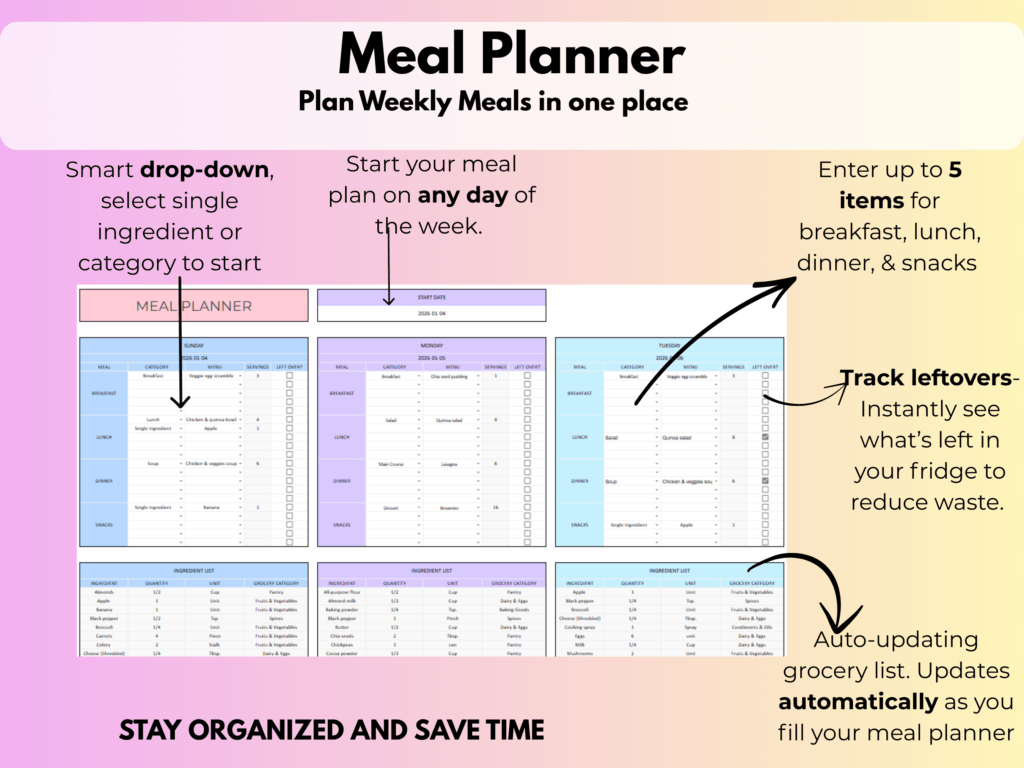
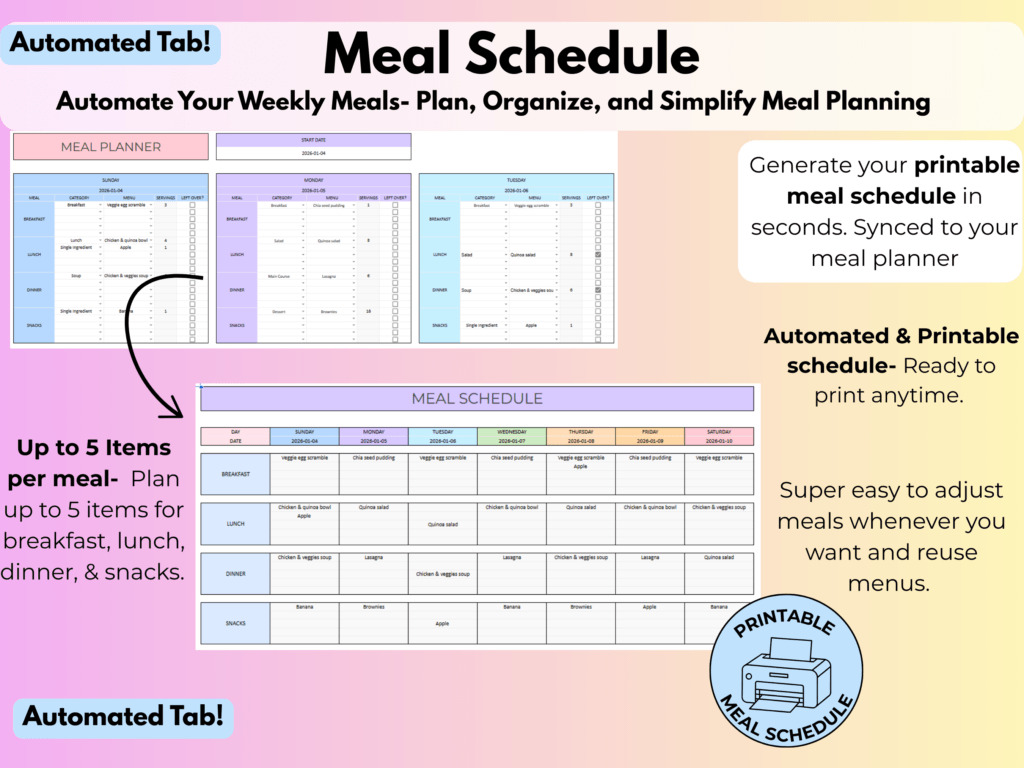
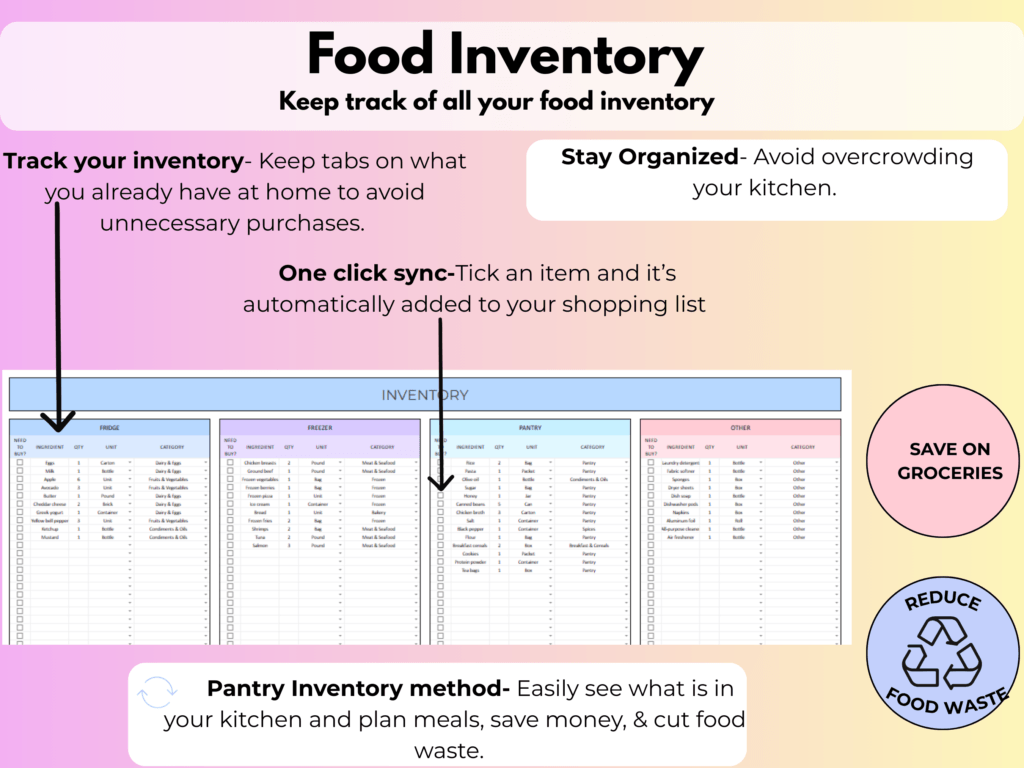
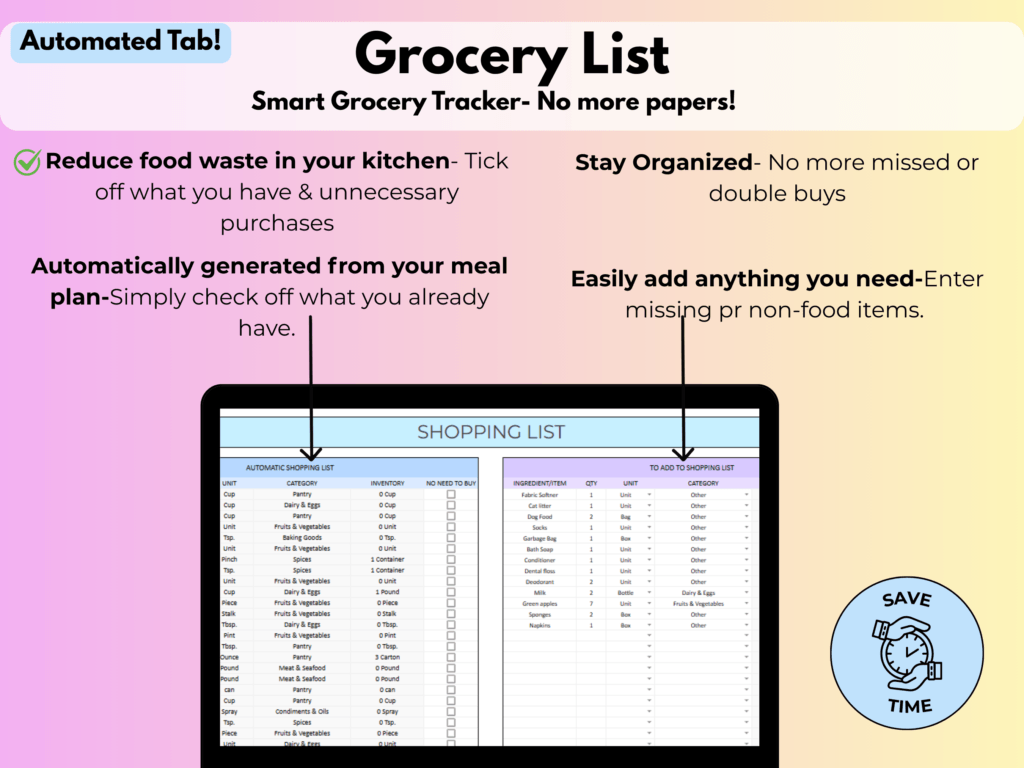
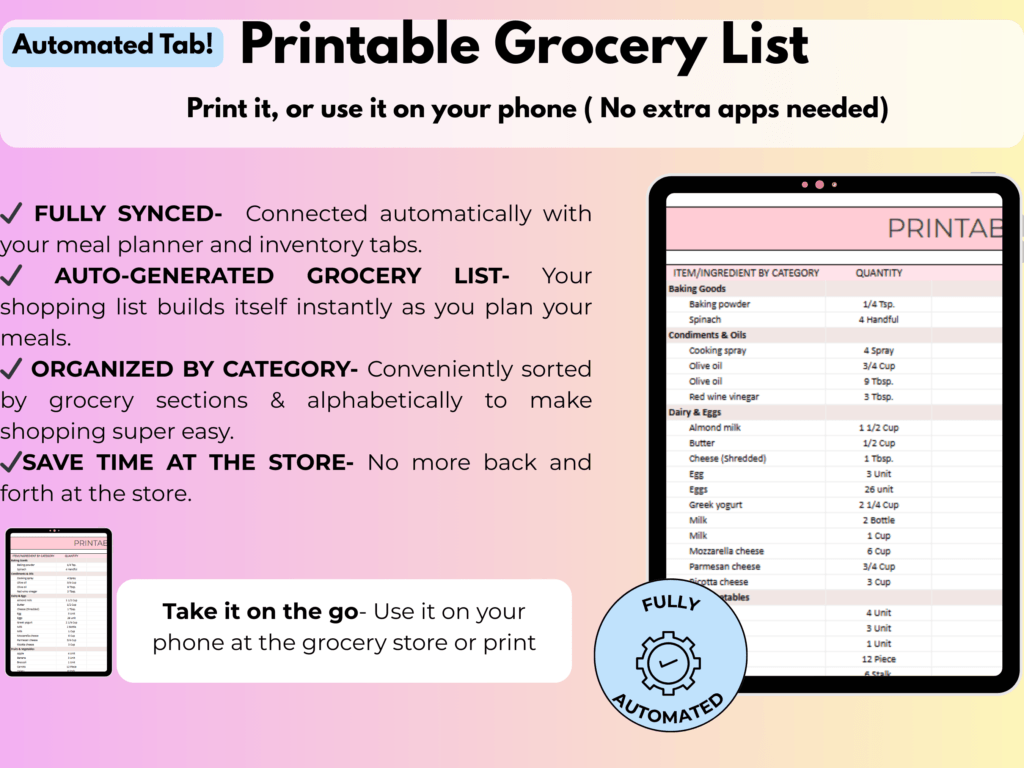
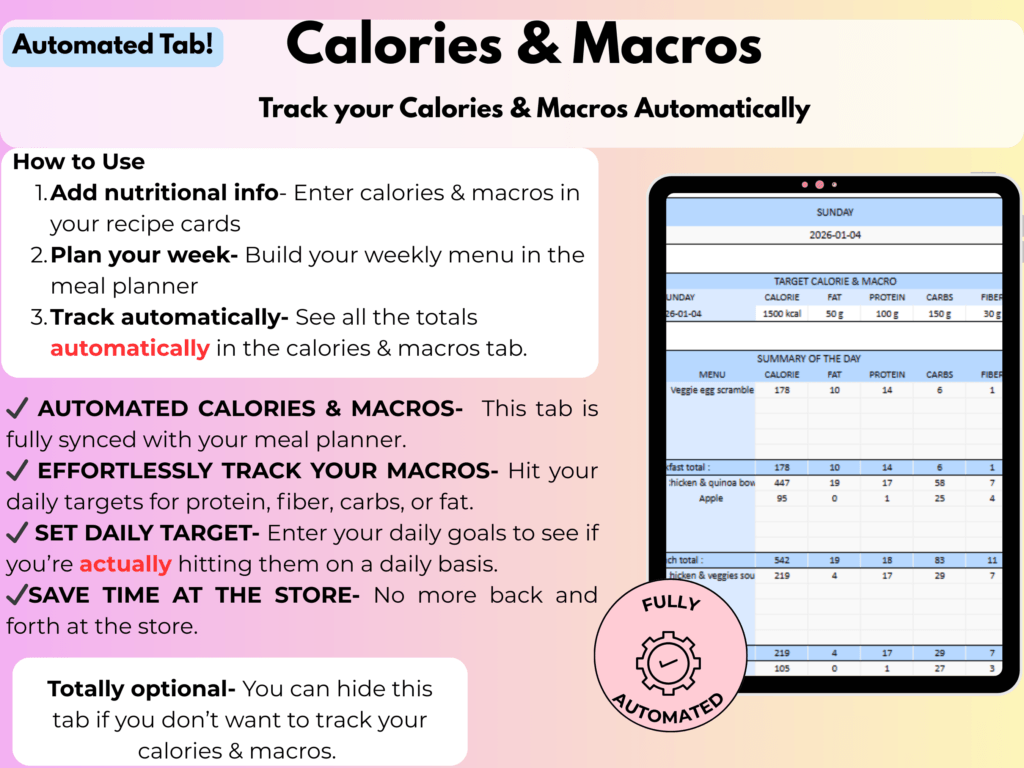
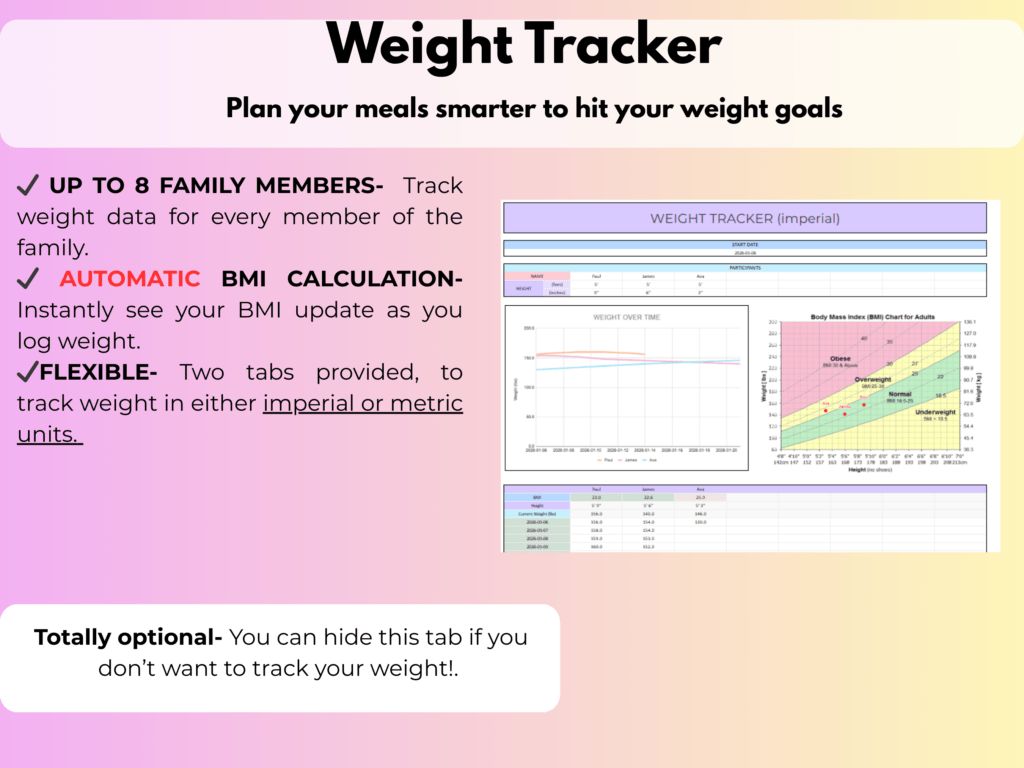
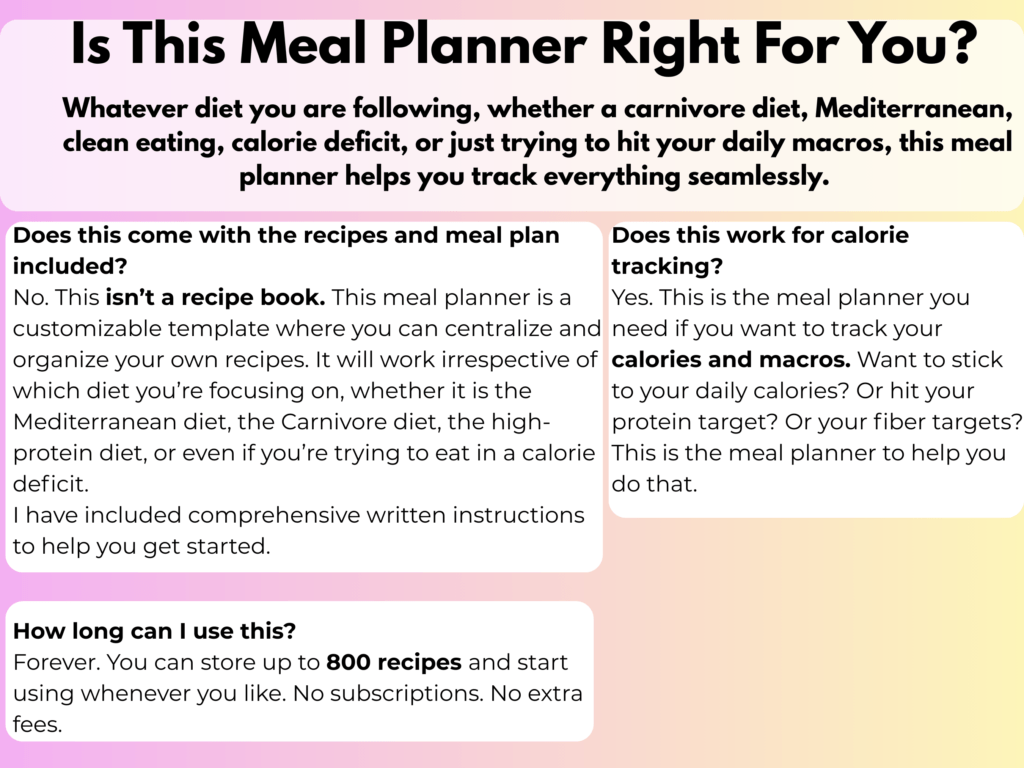
Weekly Meal Planner Spreadsheet with Automated Grocery List & Calorie Tracking
A simple all-in-one weekly meal planner spreadsheet to help you plan weekly meals, organize recipes, auto-generate grocery lists, and track calories and macros.
How Does GLP-1 Medication Influence How You Eat?
Recent research shows people on GLP-1 medications often reduce their calorie intake by 16-39 %. Basically, these medications slow gastric emptying and increase feeling of fullness, meaning you simply don’t feel as hungry as before and, as such, naturally reduce the calories you consume.
The challenge is that when your intake drops from 2,000 calories to, say, 1400, every calorie counts. You can’t afford to waste your calories on high-calorie, nutrient-poor options. There’s simply less room for low-quality foods. Protein becomes essential. Vitamins and minerals can’t be ignored.
A lot of people on GLP-1 medications make the mistake of eating too little protein, leading to muscle loss, or cutting out fats too aggressively, which negatively affects hormone production, or worse, relying on a highly processed diet, leading to malnutrition.
Yes, there’s no question that while using GLP-1 medications, the number on the scale will reduce. But if you don’t eat healthily, your energy levels will fall, your hair health will suffer, and your overall wellness will deteriorate, despite the weight loss. And you don’t want that.
Foods To Eat on GLP-1 Diet Plan
Lean Protein
If there’s one thing you can take from this guide, take this: protein is non-negotiable while using GLP-1 medications. You need 100+ grams of protein per day. (I use this Google Sheets meal planner spreadsheet to track my calories and macros. It is a lot easier to track how much protein you’re consuming daily with this meal planner because it’s a built-in feature.)
Research shows that low protein intake during rapid weight loss can increase the risk of losing lean muscle mass, slow down metabolism, and put you at risk of regaining the weight later. This is one of the most common problems with using GLP-1 medications for weight loss, yet we don’t talk about it enough. I want the weight I lose to stay off. I want to look toned and snatched.
Ponder this: if you’re losing 1-2 pounds a week but not consuming enough protein, up to 25% of this weight loss is muscle mass, not fat. And that’s a body composition disaster. Nobody wants that.
The idea isn’t just to be lighter. Your goal should be to lose fat while maintaining muscle mass. You do that by eating enough protein.
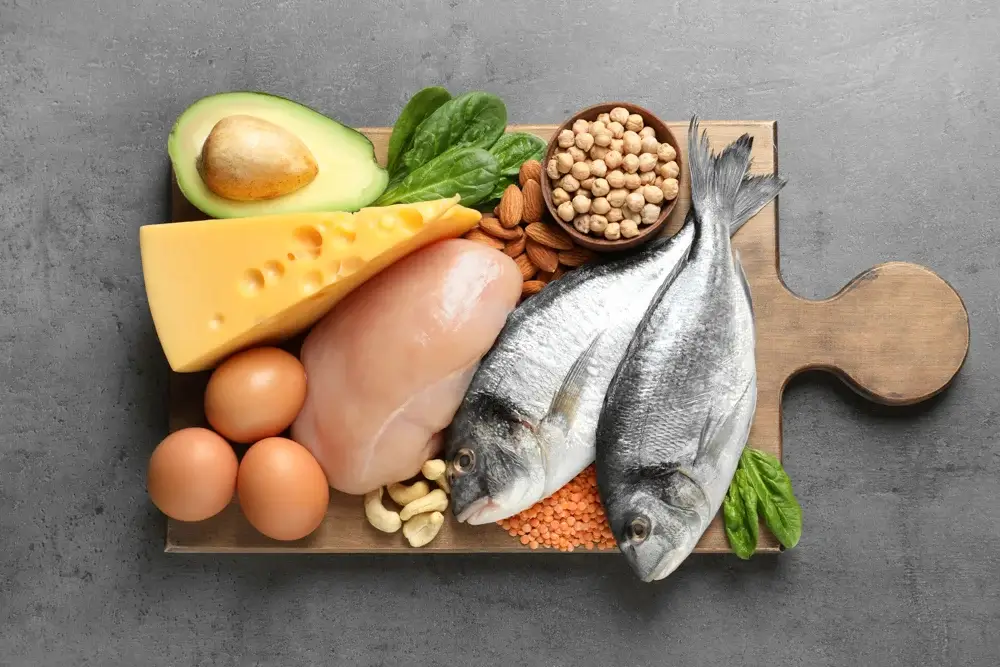
Awesome protein sources to include in your diet include:
- Eggs
- Chicken breast
- Turkey breast
- Fish such as salmon, tuna, cod, tilapia, etc.
- Greek yogurt
- Cottage cheese
- Tofu
- Tempeh
- Edamame
- Protein powder
If your appetite is extremely low, eat a small portion and make protein your main priority.
And if the thought of eating makes your stomach turn, go for protein shakes, bone broth, or Greek yogurt.
A high-quality protein powder can make hitting your daily protein target much easier when on GLP-1 medications. This Orgain Organic Protein is a pretty solid choice for people on GLP-1 medications. It has 21 grams of plant-based protein per scoop, doesn’t trigger nausea, and can be added to smoothies or overnight oats.
Track your macros and calories with this Google Sheets meal planner.

Weekly Meal Planner Spreadsheet with Automated Grocery List & Calorie Tracking
A simple all-in-one weekly meal planner spreadsheet to help you plan weekly meals, organize recipes, auto-generate grocery lists, and track calories and macros.
Complex Carbs
Not all carbs are bad. In fact, complex carbs with loads of fiber are an awesome addition when on GLP-1 medications.
Research shows that blood sugar stability enhances the effectiveness of GLP-1. So you want to avoid simple carbs that quickly spike your blood sugar and just as quickly crash.
You need fiber-rich complex carbs that stabilize blood sugar, support digestion, and feed good gut bacteria that actually produce GLP-1 naturally in your intestines.
Remember, you need around 25-35 grams of fiber per day. This is particularly important on GLP-1 because a lot of people experience constipation. Use this Google Sheets meal planner to track your calories and macros to make sure you’re hitting 25-35g of fiber daily.
Some awesome choices include:
- Whole grains- oats, quinoa, brown rice, barley
- Legumes – Lentils, chickpeas, black beans, etc.
- Non-Starchy vegetables – spinach, kale, arugula, broccoli, cauliflower, Brussels sprouts, zucchini, cucumber, bell peppers, mushrooms, asparagus
- Fruits- berries
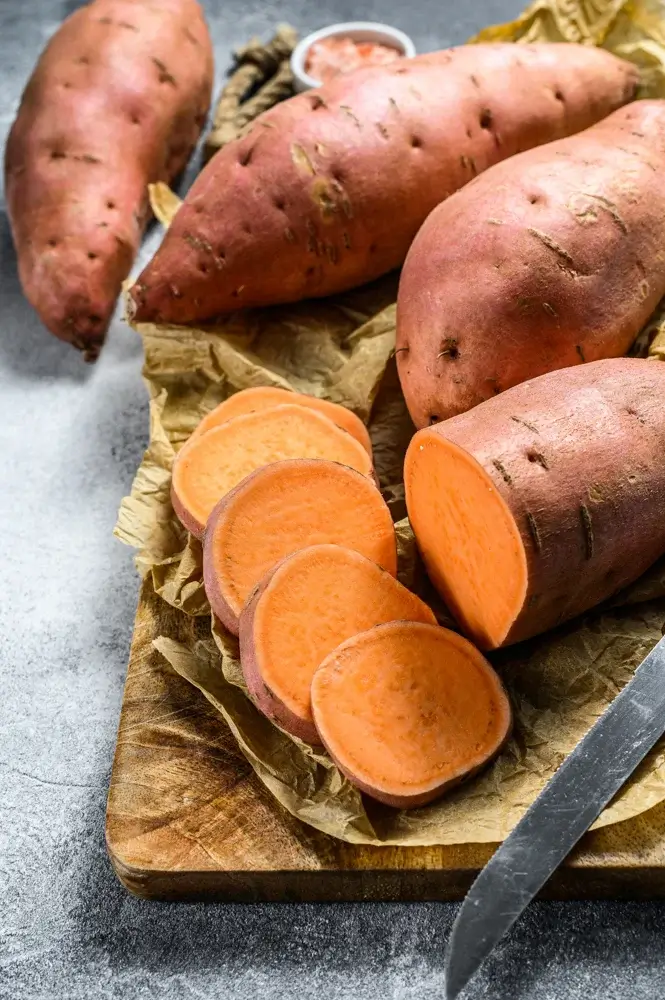
- Sweet potatoes
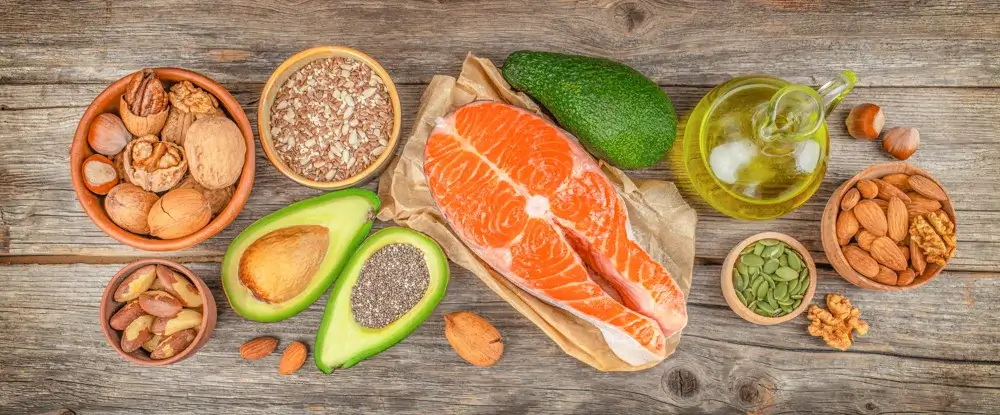
Healthy Fats
Healthy fats play a very important role in hormone production, nutrient absorption, and helping you feel satisfied after meals. It’s a very big mistake to avoid healthy fats while on GLP-1 medications. Your body needs it to function properly.
Research shows moderate fat intake helps to actually support GLP-1 function and improves long-term weight loss success.
Awesome healthy fat choices include:
- Avocado
- Extra virgin olive oil
- Nuts such as almonds & walnuts,
- Seeds like chia seeds & flaxseeds
- Fatty fish like salmon & sardines
Omega-3 fats from salmon and sardines are particularly good during rapid weight loss because they reduce inflammation in the body and, as such, support your overall wellness.
Drinking Water and Eating Hydrating Foods
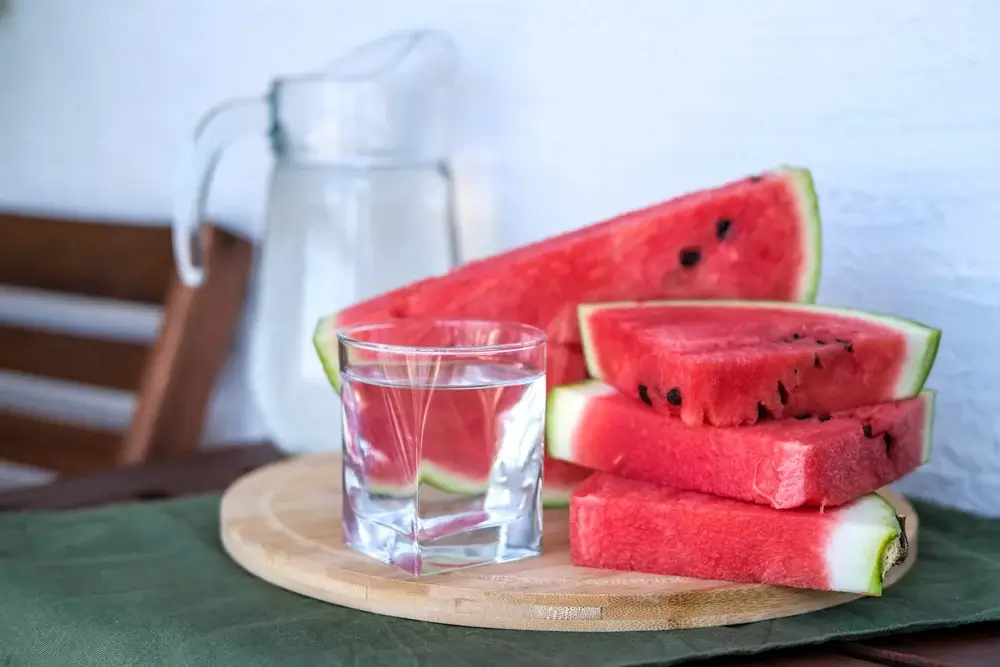
Not drinking enough water can make common GLP-1 side effects feel much worse. Yes, things like constipation, headaches, fatigue, nausea, and brain fog often feel ten times worse when you’re dehydrated.
And unfortunately, GLP-1 medications can mess with your thirst cues. I mean, if you don’t have much of an appetite, you’ll likely forget to drink some water.
Aim for about 80 to 100 ounces of fluids throughout the day. Plain water is the best option, but you can supplement with herbal tea, bone broth, and sugar-free electrolyte drinks.
You can also include hydrating foods like:
- Cucumbers
- Watermelon
- Strawberries
- Lettuce
- Zucchini
- Celery
- Tomatoes
RELATED: 19 Easy Ways To Drink More Water Every Day( Without Forcing It)
Foods To Avoid or Limit on GLP-1 Diet Plan
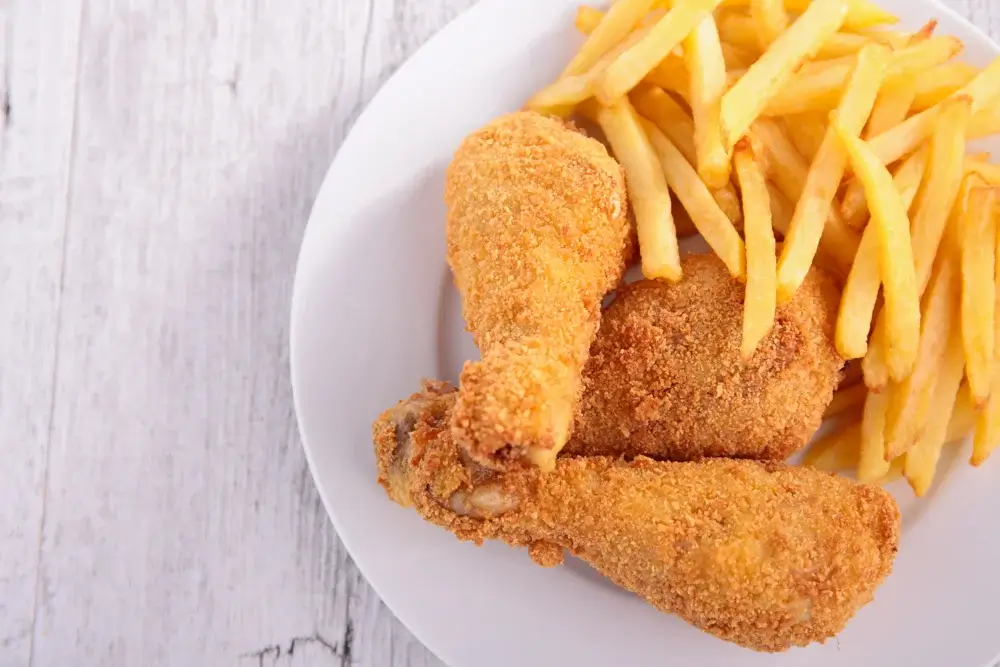
Fried and Greasy Foods
Foods like French fries, fried chicken, doughnuts, onion rings, and other greasy meals are one of the biggest nausea triggers for a lot of people on GLP-1.
The reason is pretty simple: GLP-1 medications already slow down digestion, and greasy and high-fat foods slow it down even more. Unfortunately, this leaves food sitting in your stomach for a long time, which can lead to nausea, bloating, and heaviness.
If you must eat something fried, air frying is much better for you.
Sugary Foods and Drinks
Candy, pastries, soda, sugary cereals, and flavored coffee drinks will make you feel worse.
The thing is, these foods tend to spike blood sugar quickly, then cause a crash shortly after, leaving you feeling tired, shaky, nauseated, and hungry.
Besides, since GLP-1 medications help improve blood sugar regulation, constantly loading up on sugary foods can work against what the medication is trying to do.
Spicy Foods
Some people tolerate spicy foods completely fine while on GLP-1 medications, while others notice they suddenly trigger heartburn, reflux, or stomach irritation.
It’s really something you’ll have to test for yourself.
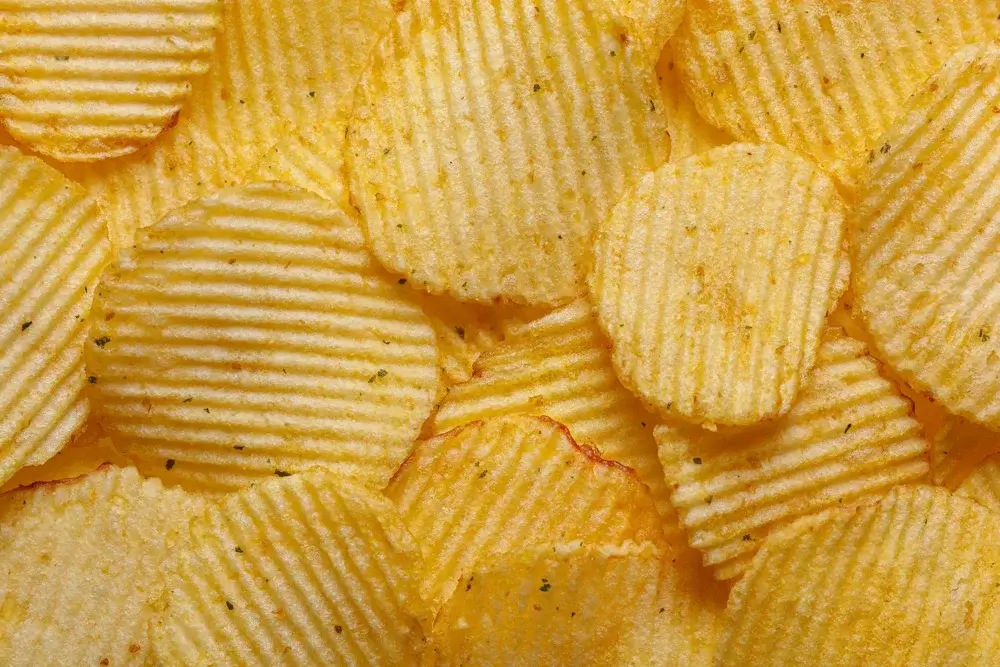
Ultra-processed Foods
Foods like chips, packaged snacks, cookies, fast food, and processed meats are unfortunately high in calories but very low in actual nutrients.
And when you’re naturally eating less on GLP-1 medications, you can’t afford to waste calories. You need protein, vitamins, minerals, and fiber.
Carbonated Drinks
Soda, sparkling water, and fizzy drinks can sometimes make bloating and gas feel so much worse when on GLP-1.
Alcohol
Alcohol and GLP-1 medications are a bad combination. Both slow digestion, affect blood sugar levels, and increase the risk of nausea.
And, a lot of people become more sensitive to alcohol while on GLP-1, meaning drinks might hit harder than they used to.

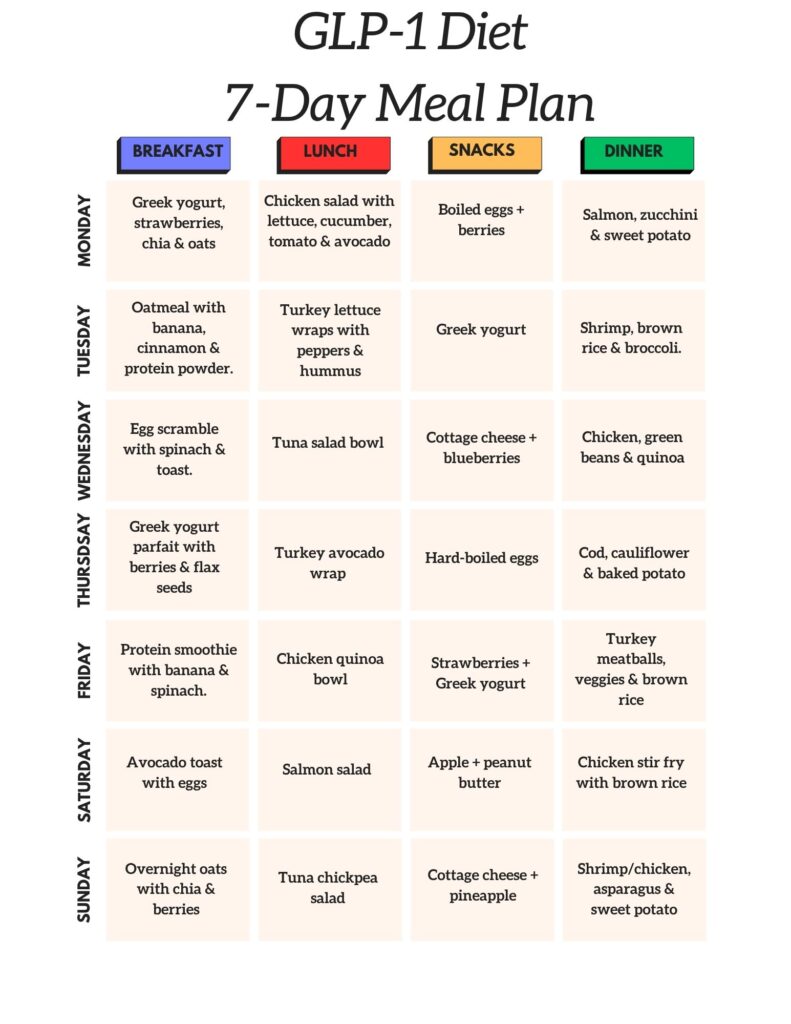
7-Day GLP-1 Diet Meal Plan
First of all, before we get started on the GLP-1 diet meal plan, if you want an easy way to plan your meals, automatically create a grocery list, and most importantly, track calories and macros while on GLP-1 medications, here is a simple Google Sheets meal planner that keeps everything connected.
This meal planner works whether you’re eating high-protein, low-carb, Mediterranean, or simply focusing on portion control while on GLP-1s. Plus, it comes with a bonus weight tracker to help you track your weight loss.
Weekly Meal Planner Spreadsheet with Automated Grocery List & Calorie Tracking
A simple all-in-one weekly meal planner spreadsheet to help you plan weekly meals, organize recipes, auto-generate grocery lists, and track calories and macros.
Dealing with Common GLP-1 Side Effects with the Right Foods
Studies show up to 44% of people on GLP-1 medications experience issues like nausea, constipation, bloating, or acid reflux.
This is how you can choose foods that help you deal with these side effects.
Dealing with Nausea
Nausea is probably the most common complaint, especially during the first few weeks or after increasing your dose.
To deal with it:
- Eat bland, simple foods such as toast, white rice, bananas, & applesauce
- Go for cold or room-temperature foods instead of hot meals when nausea is severe.
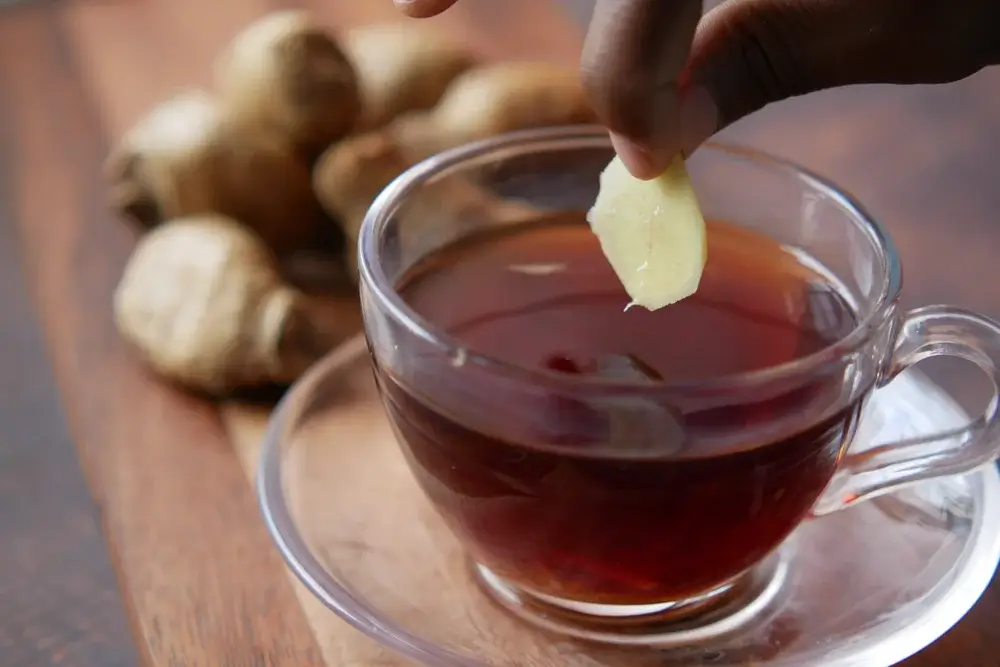
- Drink ginger tea or peppermint.
- Eat smaller meals more often throughout the day rather than a few large meals.
- Avoid heavy, greasy, & spicy foods.
Managing Constipation
As mentioned, GLP-1 medications slow digestion, which can lead to constipation.
To manage, don’t try to overload on fiber all at once. Believe me, this can actually make constipation and bloating so much worse. Increase fiber slowly and give your body time to adjust.
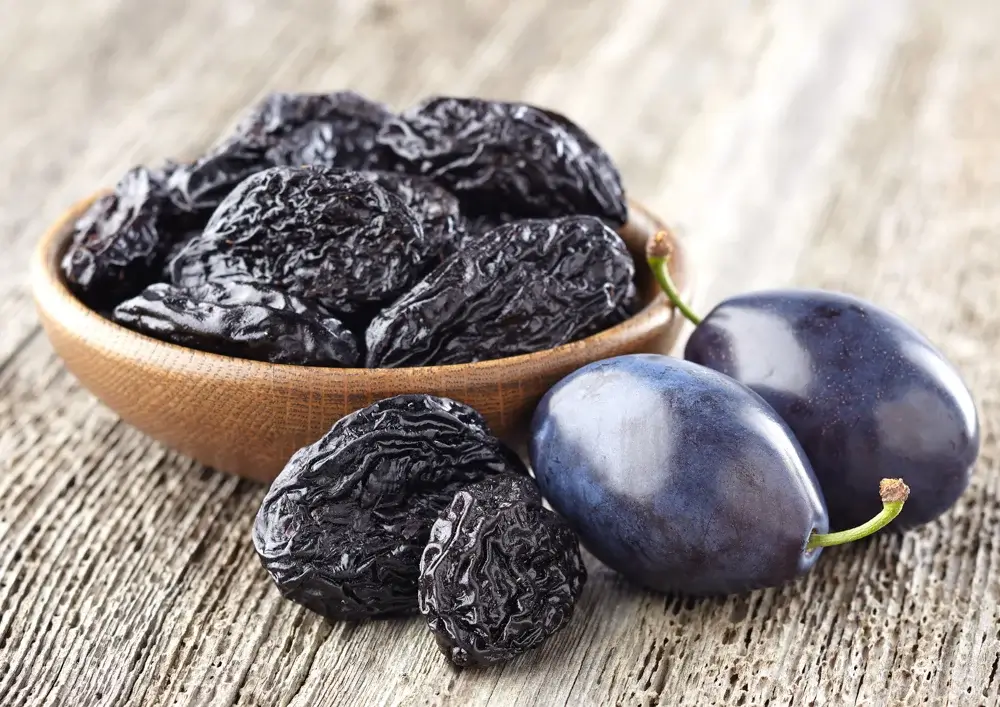
Eat foods like prunes, chia seeds, oats, berries, and vegetables to support digestion.
Also, as mentioned, remember to drink water. Sip slowly throughout the day.
If the constipation is particularly bad, try magnesium citrate and simple exercise like walking.
Dealing with Low Energy
Fatigue on GLP-1 medications is often a sign that you’re not eating enough.
Unfortunately, it is so easy to undereat on GLP-1 medications because you don’t have much of an appetite. But remember that your body still needs calories and nutrients to thrive.
If you must, consider multivitamins or B12 supplements.
Dealing with Acid Reflux
GLP-1 medications can sometimes worsen acid reflux or heartburn because food stays in the stomach longer.
Avoid foods such as tomatoes, citrus fruits, chocolate, coffee, and spicy foods. These trigger reflux.
Supplements to Consider While on GLP-1s
The thing is, eating less on GLP-1s can sometimes lead to nutrient gaps.
These supplements can help support your nutrition and overall wellness.
1. Multivitamin
This will help fill basic vitamin and mineral gaps since your meals are smaller now.
2. Protein Powder
This will make it super easy to hit your daily protein goals. It is particularly important when your appetite is low, but you still need protein to maintain muscle mass while on GLP-1 medications.
This Orgain Organic Protein is a pretty solid choice for people on GLP medications. It has 21 grams of plant-based protein per scoop.
3. Electrolytes ( Sodium, Potassium, & Magnesium)
GLP-1 medications can cause you to shed water weight rapidly, especially in the first few weeks. And when you drop water, you dump electrolytes. Low sodium and potassium are the common reasons for headaches when on GLP-1.
Look for a sugar-free electrolyte powder to add to your water. This is one from Ultima is a great choice. It’s completely sugar-free and is plant-based.
4. B-Complex Vitamins
These can be helpful when your calories are restricted. They help support energy levels and metabolism.
5. Omega-3 Supplements
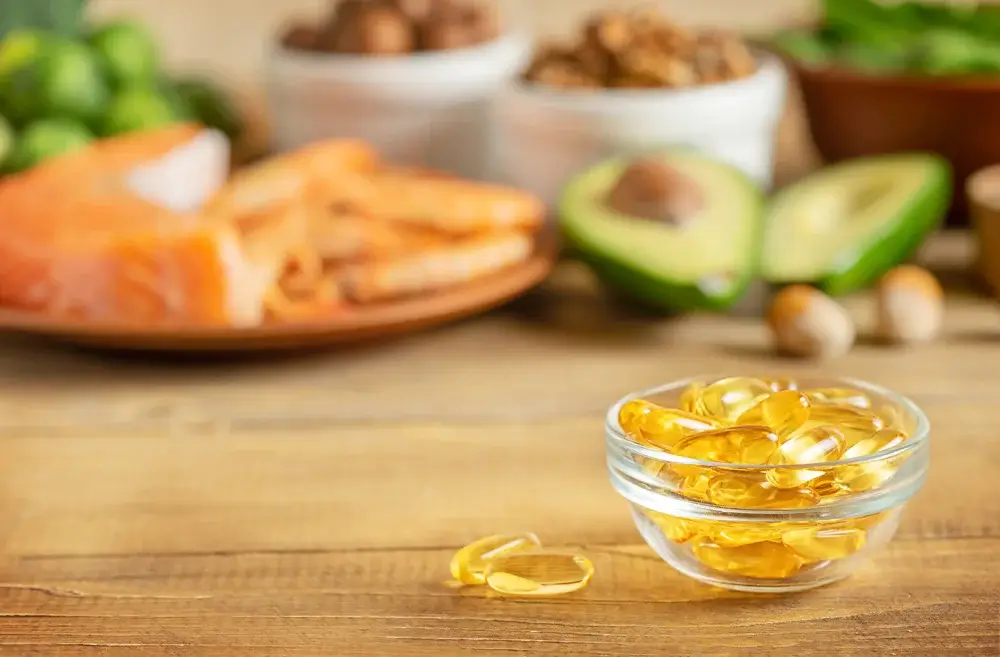
Omega-3 fatty acids are a must-have in your GLP-1 diet. They are anti-inflammatory and support heart and brain health.
6. Probiotics
These support digestion and gut health, both of which are very important while on GLP-1 medications.
7. Digestive Enzymes
GLP-1 typically slows down gastric emptying, and a gentle, broad-spectrum digestive enzyme can help break down food, reducing bloating and nausea.
8. Magnesium Supplements
Go for magnesium citrate or oxide if your main issue is constipation. If the goal is muscle recovery and better sleep, go for magnesium glycinate.
9. Fiber Supplements
This can be super helpful if you’re not getting enough fiber from your diet. Just remember, heavy bulk fiber can actually backfire. Go for soluble, non-thickening fibers.
10. Vitamin D
A lot of people are already super low on vitamin D, and they don’t even know. Yet Vitamin D is essential for immune function, bone health, and overall wellness.
11. Collagen
Collagen can support skin elasticity during weight loss.
Just remember, supplements should support your diet, not replace it. And don’t try to take all the supplements on the list; focus on what your body needs. And always talk to your healthcare provider before starting any supplements.
To Sum Up
Just remember, GLP-1 medications are not the miracle workers they’re marketed to be. You still need to have your basics right. Healthy nutrition and exercise.
Prioritize protein at every meal and include some complex carbs and healthy fats.
And this goes just beyond what you need to eat while on GLP-1 medications. You want to have your eating patterns figured out when still on the medication to avoid regaining the weight immediately you stop taking your medication.
Remember, if you want a simple system to plan meals, reduce food waste, and stay organized while following a GLP-1 diet plan, you can check my Google Sheets meal planner spreadsheet.
Weekly Meal Planner Spreadsheet with Automated Grocery List & Calorie Tracking
A simple all-in-one weekly meal planner spreadsheet to help you plan weekly meals, organize recipes, auto-generate grocery lists, and track calories and macros.