Complex Carbs List: The Complete List of Good Carbs (Plus What to Avoid

Carbs have a bad reputation. It’s no secret, they get blamed for a lot. Weight gain, low energy, blood sugar crashes, you name it, carbs have taken the fall for it at some point. But that hate isn’t exactly justified because not all carbs are the same. And once you know the difference between complex carbs and simple carbs, you won’t be judging the same. Here’s a complete complex carbs list to help.
The Dietary Guidelines for Americans recommend that 45 to 65% of your daily calories come from carbohydrates. So no, cutting them out completely isn’t the answer. The real answer is learning which carbs work for your body and which ones just work against it.
This complex carbs list guide breaks down exactly that.
In this guide, we’re covering:
- What carbs actually are & why your body needs them
- Good carbs vs. bad carbs (and how to tell the difference)
- The complete complex carbs list
- Carbs to avoid or limit
- Easy complex carb recipes for breakfast, lunch, and dinner
So, What Are Carbs, Anyway?
Carbohydrates are one of the three main macronutrients, right alongside protein and fat. Their job is simple: fuel. Your body breaks carbs down into glucose, and that glucose powers everything from your muscles to your brain. Yes, even your brain runs primarily on carbs.
Carbs fall into two main categories: simple and complex. That distinction comes down to their chemical structure and, more importantly, how fast your body breaks them down.
Simple carbs are made of one or two sugar molecules, so your body digests them almost instantly. That quick digestion is exactly why they cause blood sugar spikes, followed by that crash-and-craving cycle you probably already know a little too well.
Complex carbs, on the other hand, are made of long, sometimes branched, chains of sugar molecules. Basically, this means your body has to work a little harder to break them down.
The slow digestion means a slower, steadier release of energy instead of a spike and then a quick crash. That’s the whole reason complex carbs are often called “good carbs,” and it’s also why they’re the foundation of just about every well-researched, sustainable eating pattern out there.
Good Carbs vs. Bad Carbs: How to Actually Tell the Difference
Unfortunately, carbs aren’t labeled “good” or “bad” at the grocery store. So, it is entirely up to you to learn how to tell the difference and pick the winning carb, so to speak.
Okay, how do you actually tell the difference?
In general, good carbs (complex carbs) have:
- Higher fiber
- Some protein and/or healthy fat attached to them
- Little to no processing, they still kinda look like the plant they came from
And bad carbs (simple, refined carbs) tend to have:
- Little to no fiber
- Little to no protein or fat
- Heavy processing, which strips out the nutrients that were there to begin with
That fiber piece is honestly the whole story. Fiber is what slows digestion down, keeps you full, and prevents that sugar spike.
When a food is processed, the fiber is usually one of the first things to go, which is exactly why a slice of white bread hits your body so differently than a slice of sprouted whole-grain bread, even though they started as the same basic ingredient.
One more thing worth mentioning: complex doesn’t automatically mean “unlimited.” Even good carbs should be eaten in reasonable portions as part of a balanced plate.
This is particularly true if the goal is weight loss or even overall fitness. But you genuinely don’t need to fear them, and you definitely don’t need to cut them out to eat well.

The Complete Complex Carbs List
Alright, on to what you actually came here for.
This complete complex carbs list covers every major category of complex carbs, to make it easy for you to build meals around these foods.
Whole Grains:
- Oats (rolled, steel-cut, or overnight)
- Brown rice
- Quinoa
- Barley
- Farro
- Bulgur
- Buckwheat
- Whole wheat bread and pasta
- Sprouted grain bread
- Wild rice
- Millet
- Whole rye
- Amaranth
- Popcorn (air-popped, not the buttery unhealthy kind)

Legumes:
- Black beans
- Kidney beans
- Pinto beans
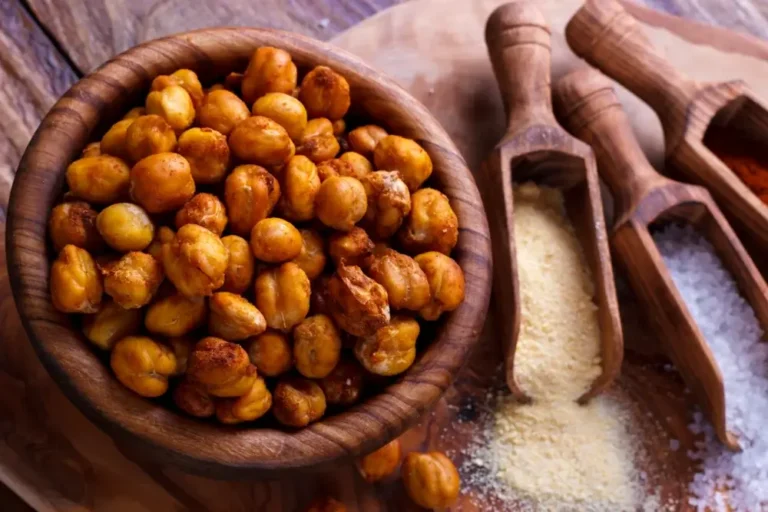
- Chickpeas (garbanzo beans)
- Lentils (green, red, brown, or black)
- Split peas
- Edamame
- Cannellini beans
- Navy beans

Starchy Vegetables:
- Sweet potatoes
- White potatoes (with the skin on)
- Corn
- Butternut squash
- Acorn squash
- Peas
- Parsnips
- Pumpkin

Non-Starchy Vegetables (Lower Carb, High Fiber):
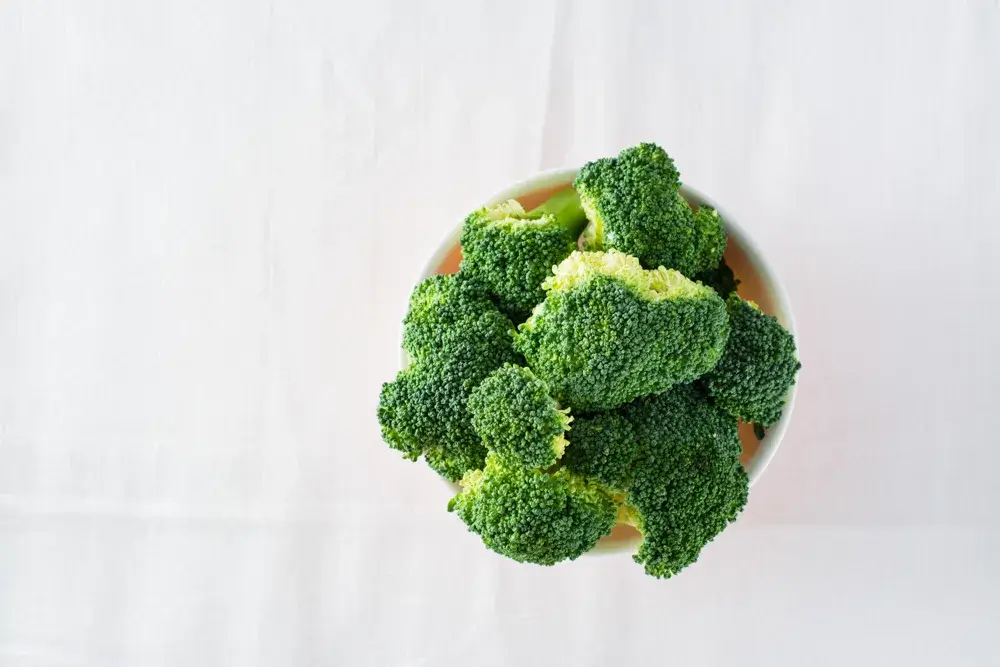
- Broccoli
- Spinach and other leafy greens
- Zucchini
- Bell peppers
- Carrots
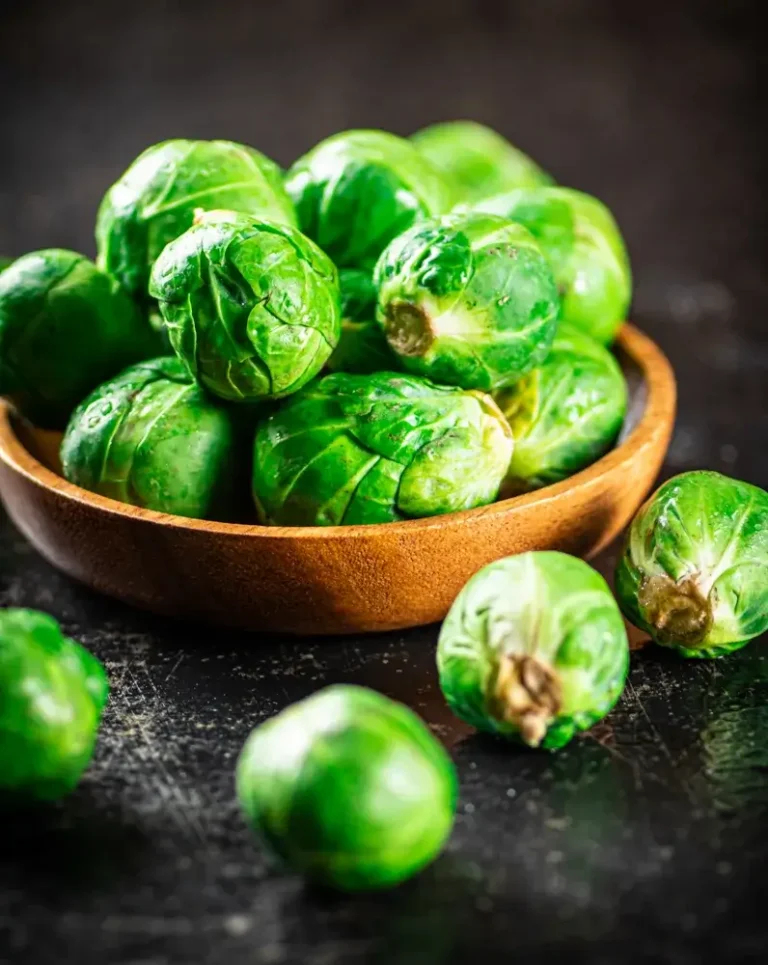
- Brussels sprouts
- Cauliflower
- Green beans
Fruits:
- Apples
- Berries (all kinds, strawberries, blueberries, raspberries, blackberries)
- Pears
- Bananas
- Oranges
- Grapefruit

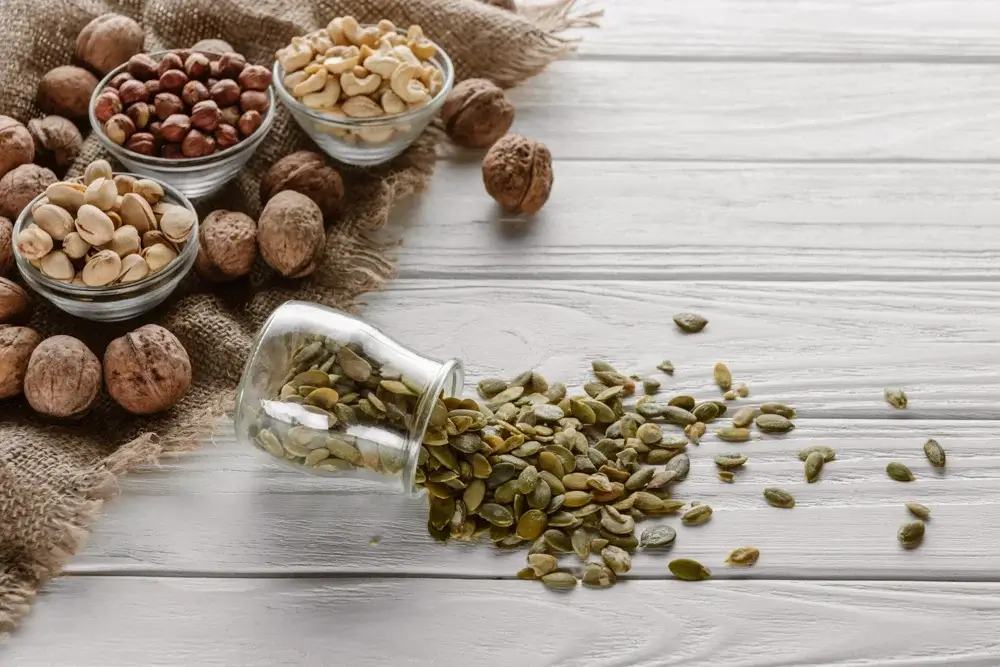
Nuts & Seeds:
- Chia seeds
- Flaxseeds
- Almonds
- Walnuts
- Pumpkin seeds
- Sunflower seeds
Honestly, this looks like such a long list, but that’s kinda the point. It makes eating more complex carbs easy because there’s no restriction.
Bad Carbs to Avoid (or at Least Limit)
I’m not here to tell you to say “never” to any food. But certain carbs offer very little nutritional return on investment and are the whole reason carbs have a bad reputation. Knowing exactly what they are makes it a whole lot easier to swap them out. These are your classic, simple, refined carbs:
- White bread
- White rice
- Regular pasta (not whole wheat)
- Pastries, donuts, and cookies
- Cakes
- Candy
- Sugary cereals
- Crackers and chips made with refined flour
- Sugar-sweetened sodas and juices
- White flour tortillas
- Instant noodles
Notice something on our bad carbs list? Most of these have been stripped of their fiber during processing. That’s the common thread. And you don’t need to eliminate these foods forever; just make them an exception on your plate, not the default.

The Real Benefits of Complex Carbs
By now, you know what complex carbs are and exactly what to eat if you’re looking to increase your healthy carb intake.
But here’s why they’re actually worth building your meals around:
Sustained energy– Complex carbs are the slow-burning kind. Because your body takes longer to break down that starch into glucose, you get a steady drip of energy instead of a quick hit followed by a crash.
Steadier blood sugar– Simple carbs get digested fast, which sends blood sugar up and then right back down. Complex carbs do the opposite. They digest slowly, so glucose enters your bloodstream gradually instead of all at once. This matters for everyone, but it’s especially important if you’re managing diabetes or trying to avoid it.
Better digestive health– Most complex carbs come loaded with fiber, and fiber is what keeps digestion moving the way it’s supposed to. Foods like lentils, black beans, and whole-grain bread help prevent constipation and keep your gut and your gut bacteria happy.
Easier weight management– Foods high in complex carbs take longer to digest, which means they keep you full longer. Fewer cravings, less mindless snacking, less overeating. And since most complex carbs are naturally low in fat and high in fiber and protein, you’re getting real nutrition without a ton of extra calories tagging along.

Complex Carb Recipes: Breakfast, Lunch & Dinner
Knowing what to eat is one thing. Actually, building meals around it is an altogether different matter.
Here are some simple, tried-and-tested recipes built entirely around complex carbs, broken down by meal.
Breakfast
Overnight oats with berries and chia seeds: Overnight oats is a simple, meal-prep-friendly breakfast that is popular for that exact reason. You don’t need to spend hours on end in the kitchen. Plus, it keeps you full until lunch. To make, simply combine ½ cup rolled oats, ½ cup milk of choice, 1 tablespoon chia seeds, and a drizzle of honey in a jar. Stir, cover, and refrigerate overnight. The next morning, top the combination with fresh berries and a sprinkle of sliced almonds.
Veggie and egg breakfast burrito: Sauté diced bell pepper, spinach, and black beans in a pan. Scramble in two eggs, season with salt, pepper, and a pinch of cumin, then wrap it all in a whole-wheat tortilla. This one covers your complex carbs and your protein in a single wrap. Exactly what you need to stay full.
Avocado toast with a fried egg: Toast a slice of sprouted whole-grain bread, mash half an avocado on top with a squeeze of lemon and a pinch of salt, then finish with a fried egg. This is a classic for a reason. It just works. It is simple to make and high in protein to keep you full until lunch.

Lunch
Quinoa and chickpea Buddha bowl: You simply can’t beat this quinoa and chickpea Buddha bowl. It’s super filling, colorful, and most importantly, endlessly customizable depending on what you have in your fridge. To make, simply layer cooked quinoa with roasted chickpeas, roasted sweet potato cubes, shredded carrots, and spinach. Then top with a simple tahini-lemon dressing.
Lentil soup: Lentil soup is super simple to make, making it a no-brainer if you’re trying to increase your healthy carbs and cut out simple carbs. Simply, sauté onion, carrot, and celery in olive oil until soft. Add 1 cup dried green or brown lentils, 4 cups vegetable broth, a can of diced tomatoes, cumin, and a bay leaf. Simmer for about 30 minutes until the lentils are tender. It’s cozy, budget-friendly, and freezes beautifully. And it’s vegan and vegetarian diet-friendly.
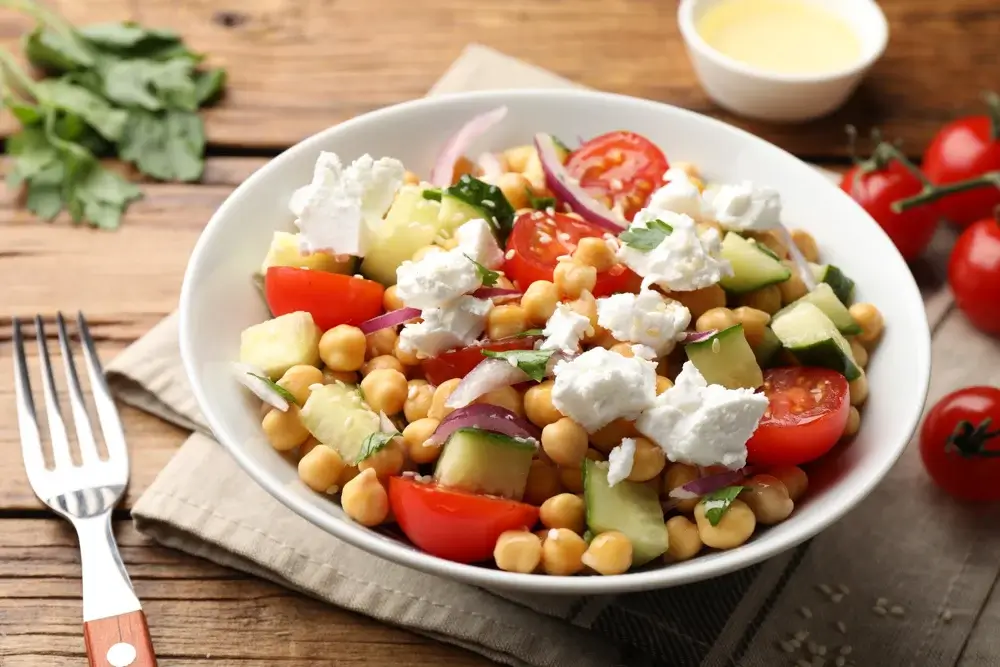
Mediterranean chickpea salad: Toss chickpeas, cucumber, cherry tomatoes, red onion, and feta with olive oil, lemon juice, and oregano. You can then serve this over greens or with a side of whole wheat pita. If your chickpeas are cooked ahead, it’s as simple as assembling, making it a lifesaver on busy days.
Dinner
Brown rice and black bean stir-fry: Brown rice and black bean stir-fry is filling, quick to make, and you can use any veggies you have on hand. Cook brown rice according to package directions. In a separate pan, stir-fry broccoli, bell pepper, and zucchini in a little sesame oil, then toss in boiled black beans and a splash of low-sodium soy sauce. Serve the beans over the cooked rice.
Sweet potato and black bean bowl: Roast cubed sweet potatoes at 400°F for about 25 minutes. Combine with black beans, corn, diced avocado, and a squeeze of lime. Add a sprinkle of chili powder for a little kick. This one’s a weeknight regular for a reason.
Whole wheat pasta primavera: To make, simply cook whole wheat pasta according to package directions. Then sauté zucchini, cherry tomatoes, and asparagus in olive oil and garlic, toss with the pasta, a squeeze of lemon, and grated parmesan. This is a comfort food that still checks every complex carb box. It’s unbeatable.
Want to actually stick to these meals and make complex carbs part of your eating plan? You need My Weekly Meal Planner Spreadsheet. With this meal planner, you’ll be able to build a full week of meals around healthy carbs, and it will autogenerate a grocery list for you. You can also use it to track your macros, exactly how many grams of carbs you’re consuming a day, and your calories.
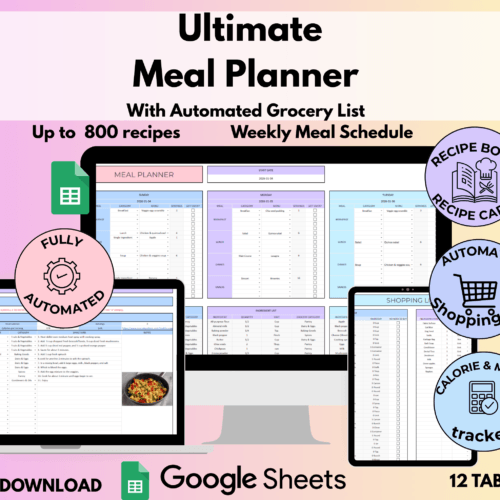
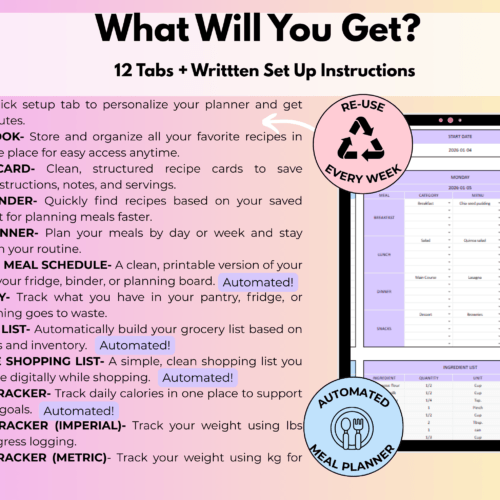
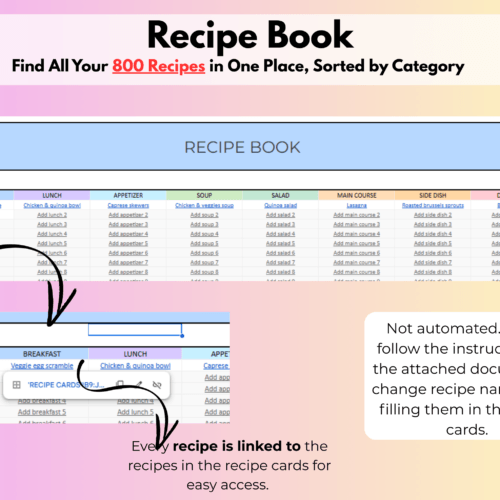
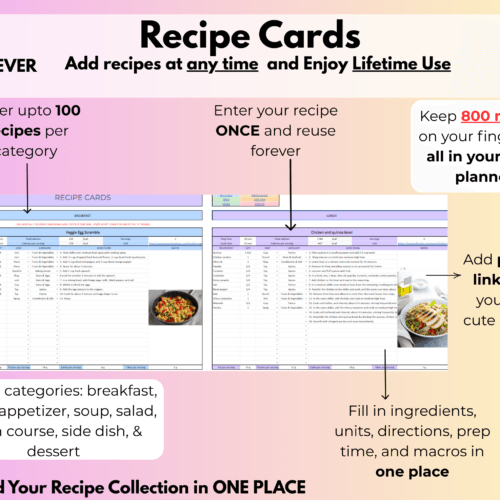
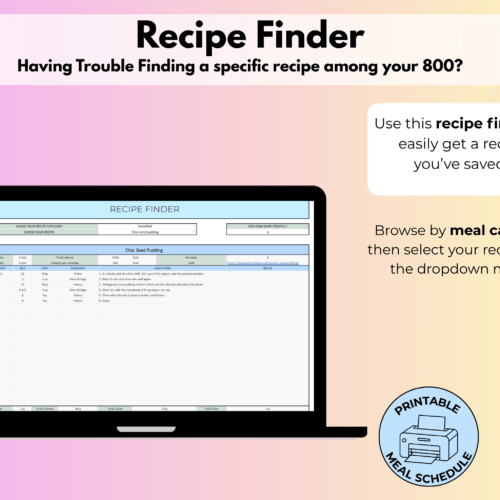
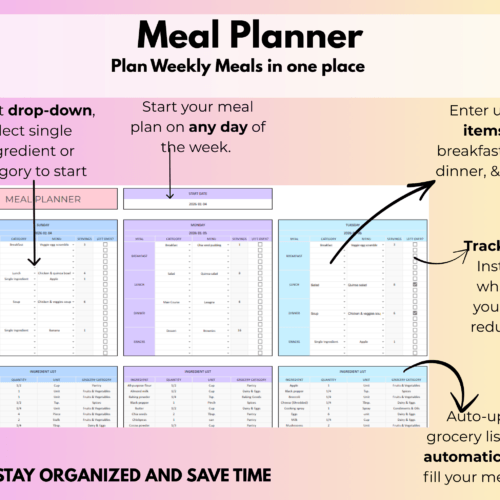
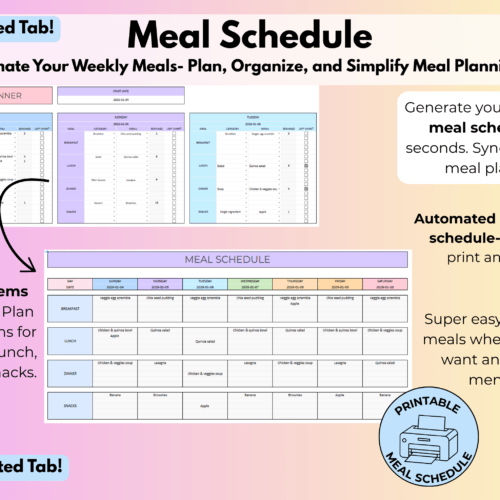
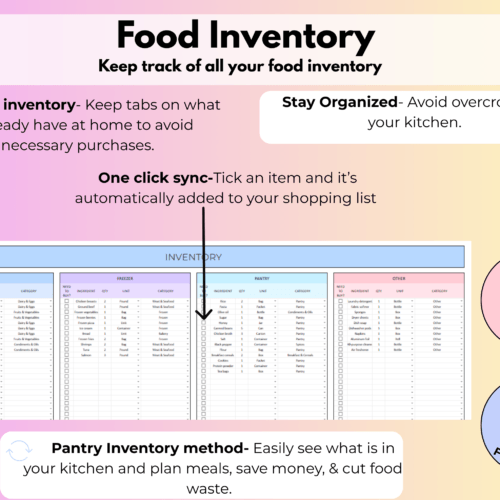
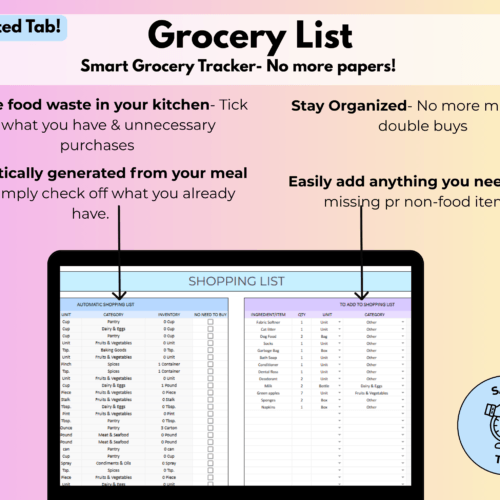
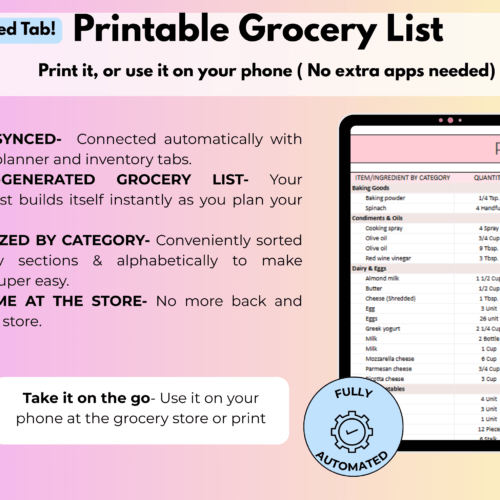
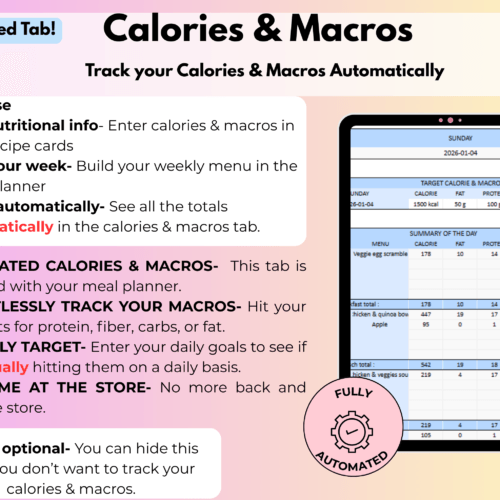
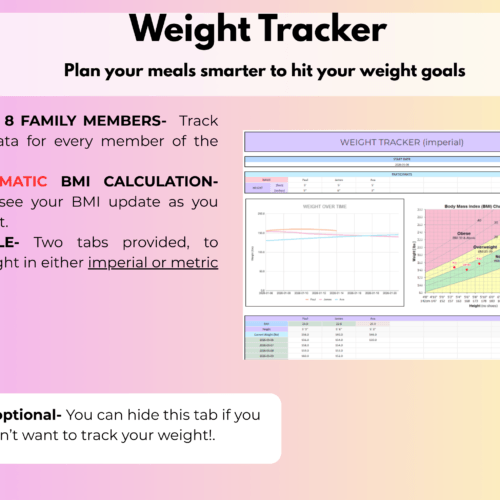
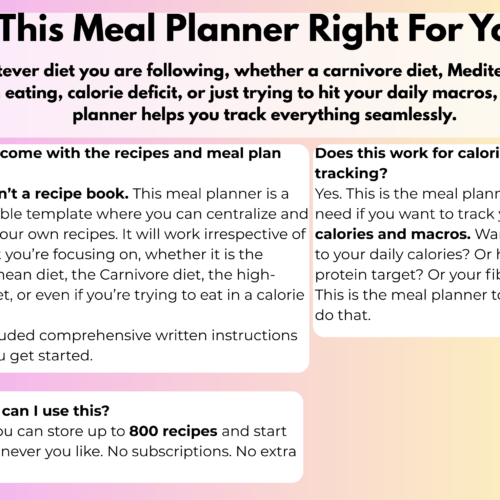

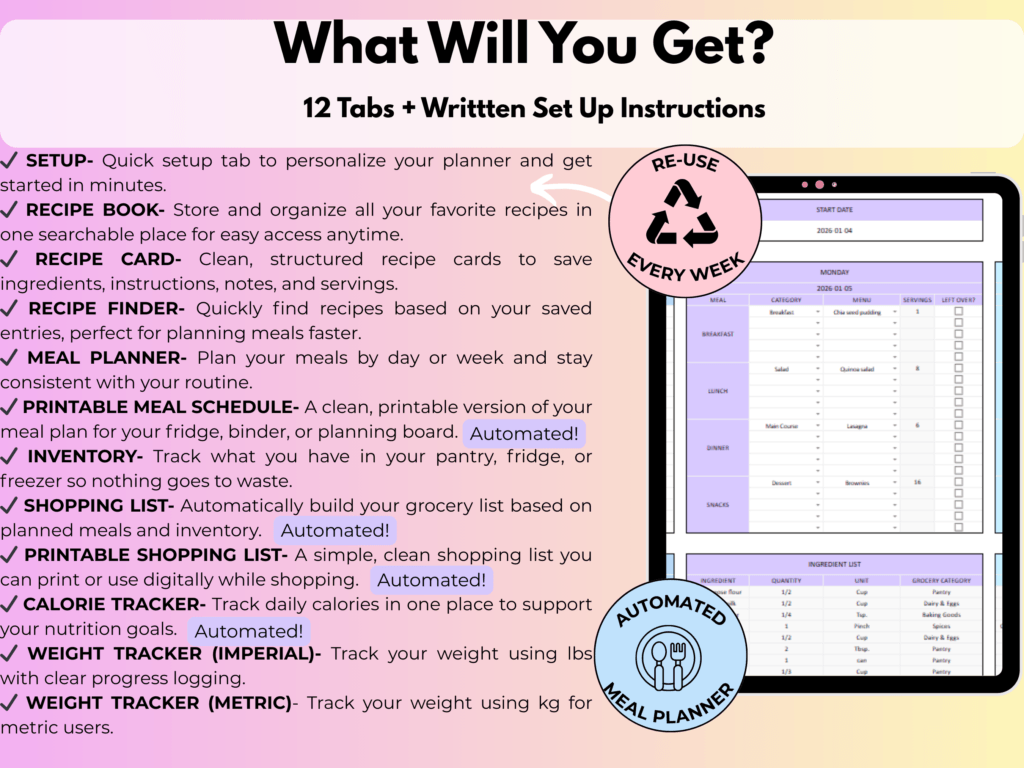
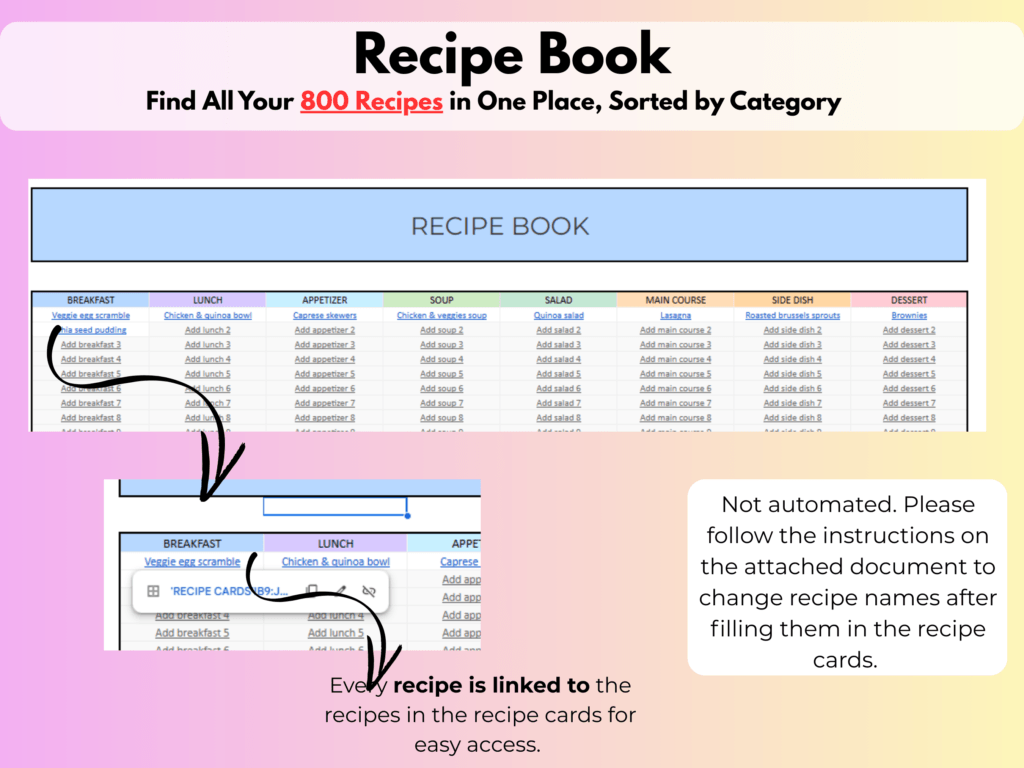
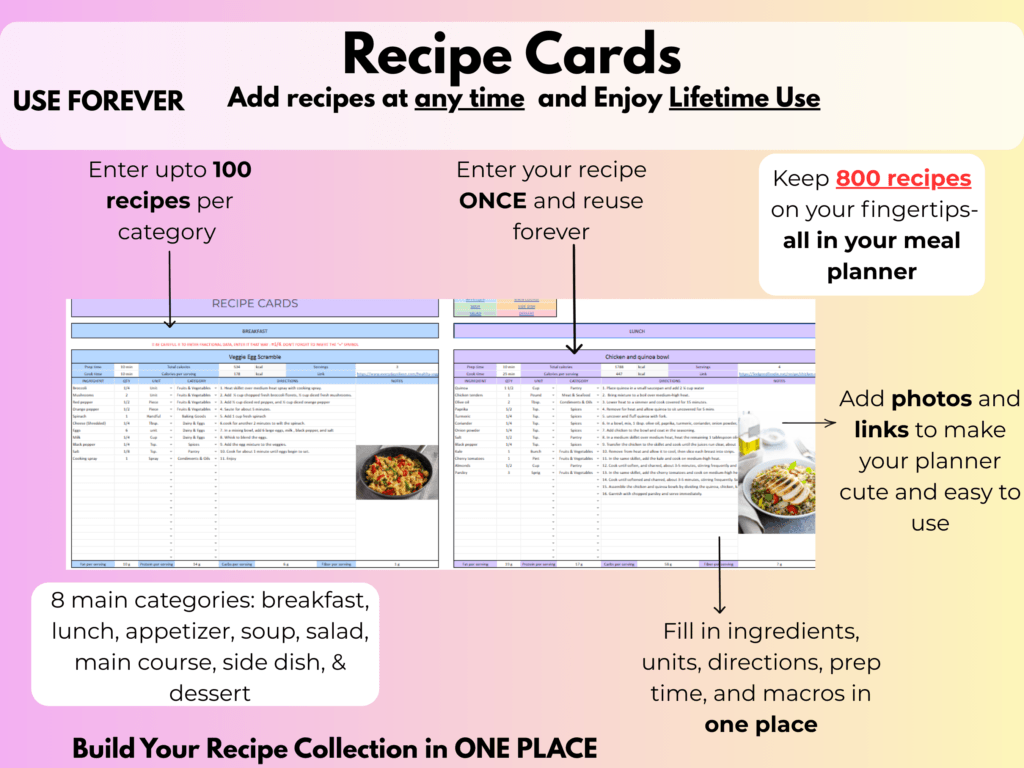
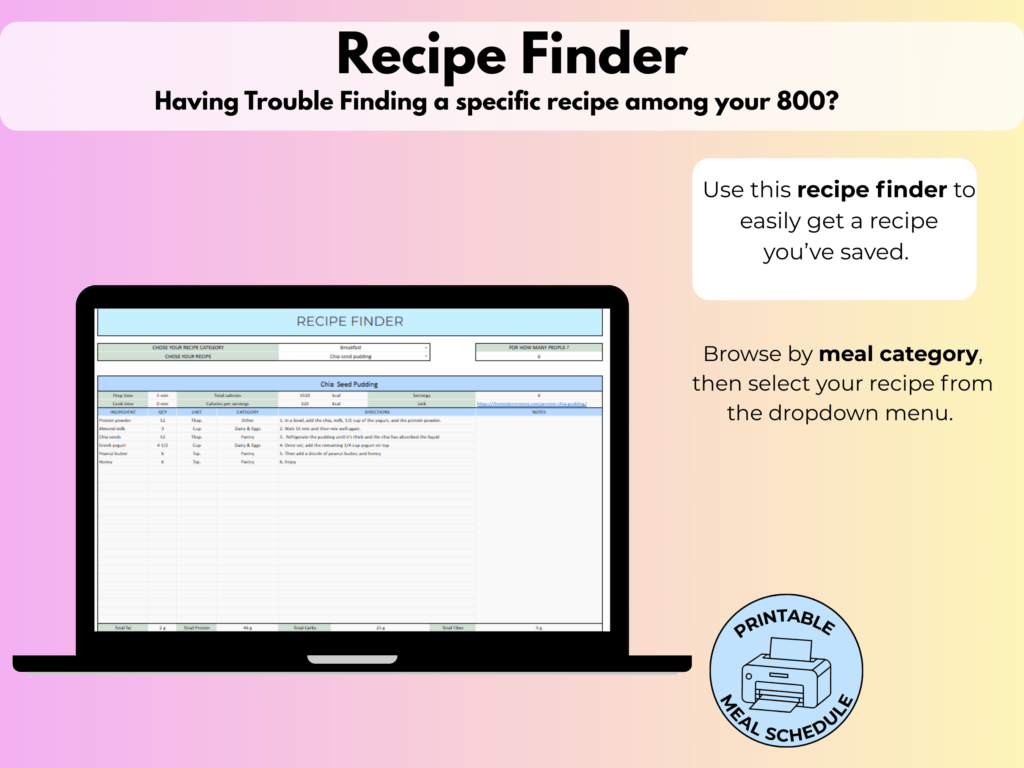
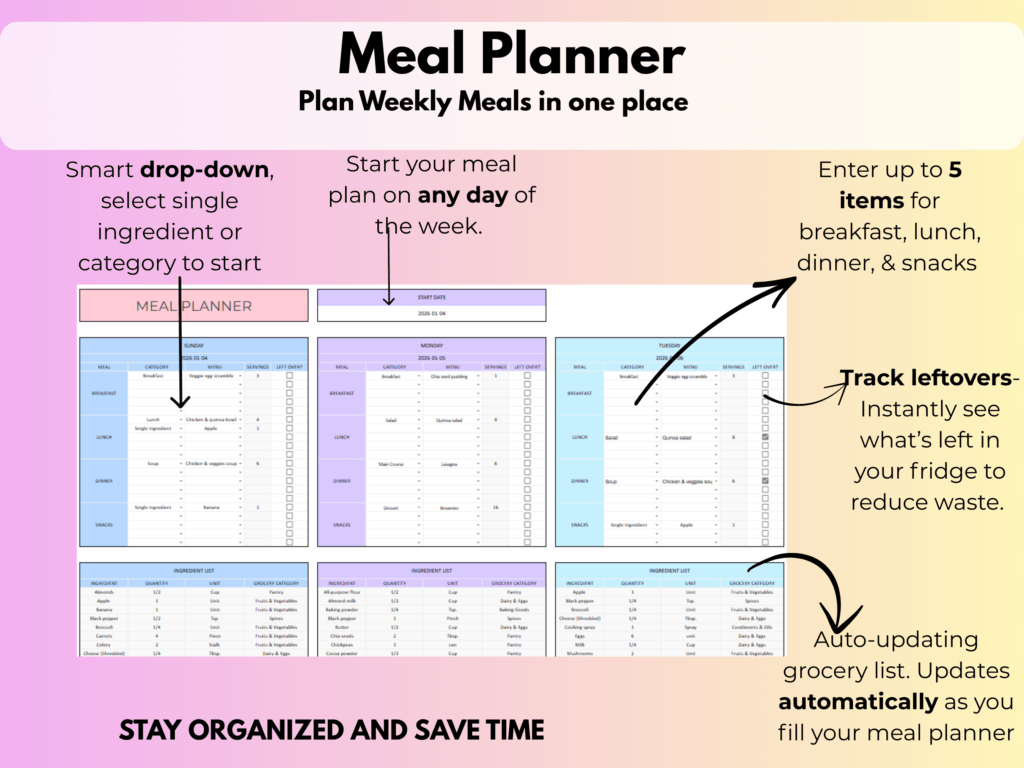
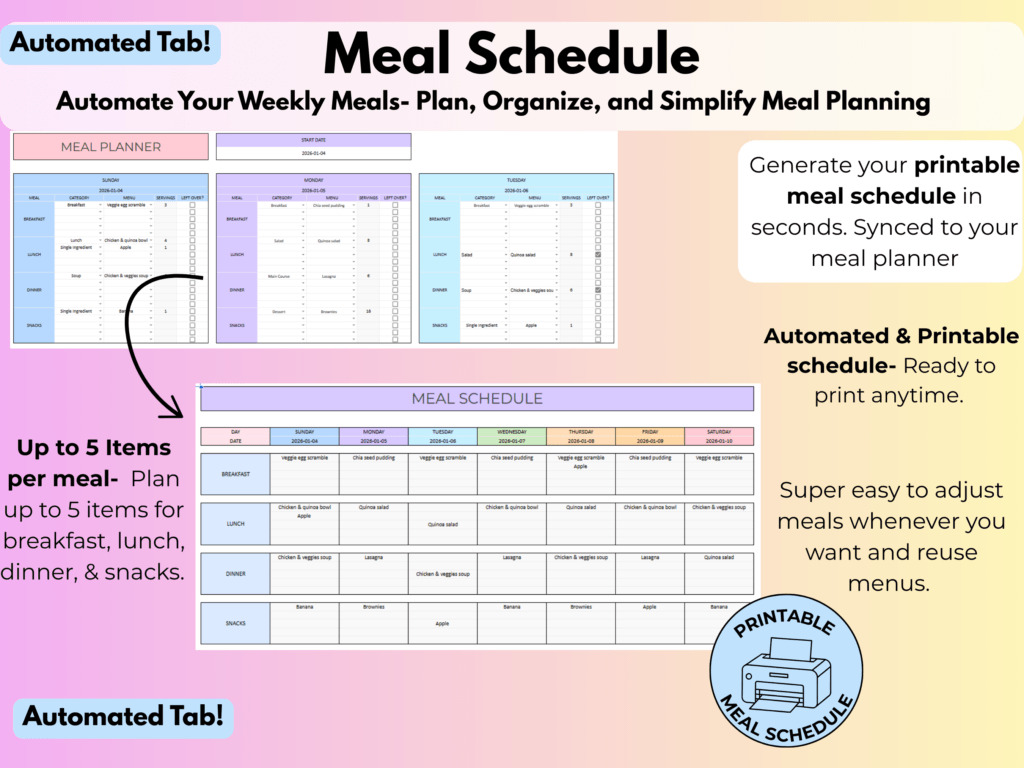
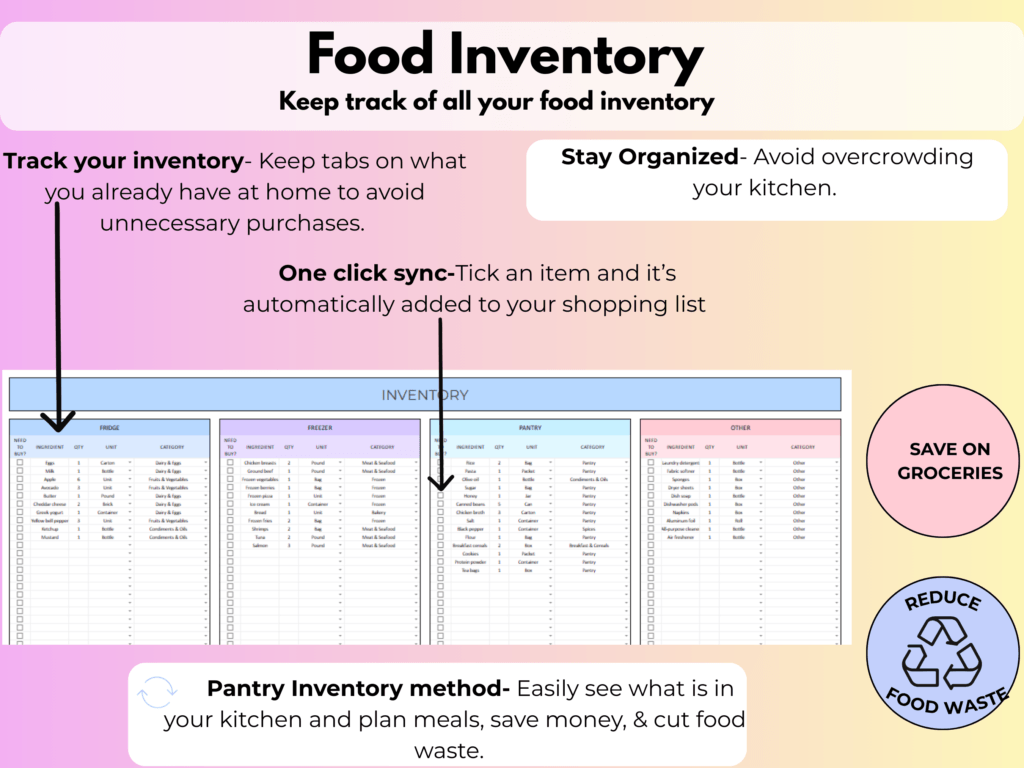
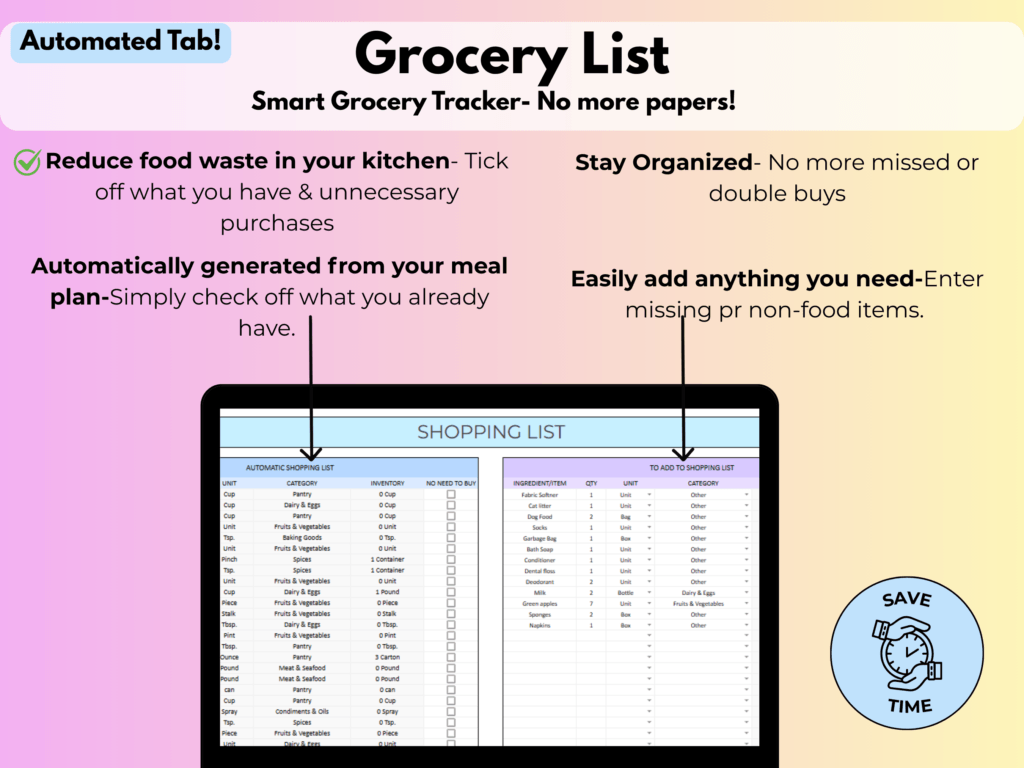
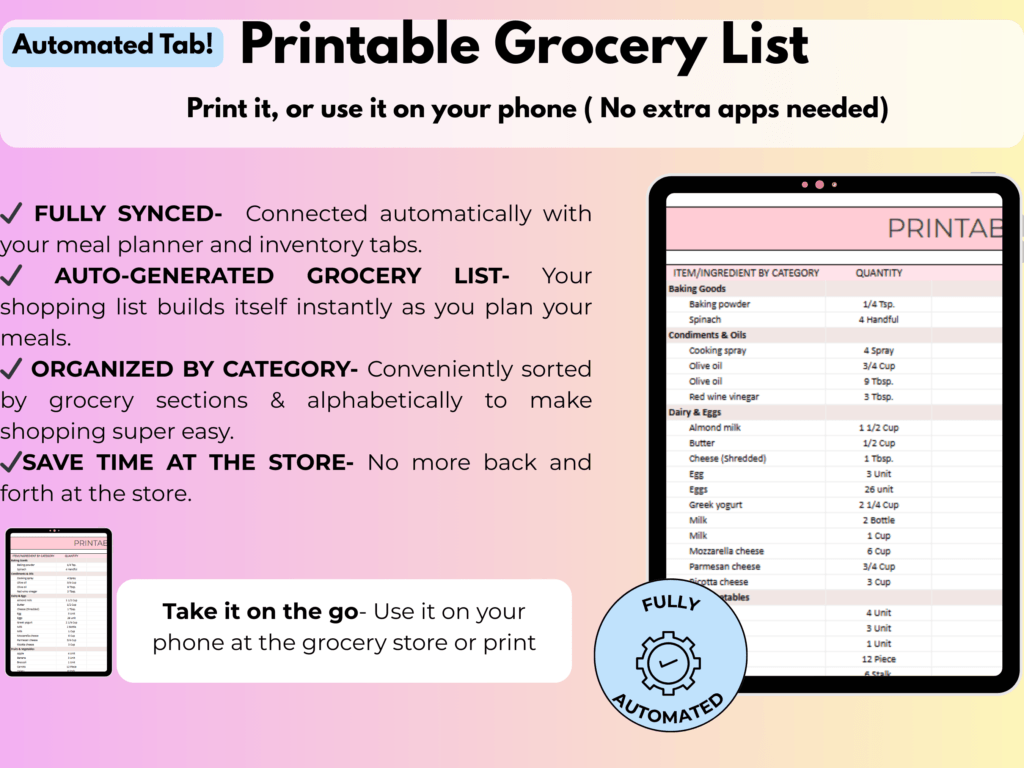
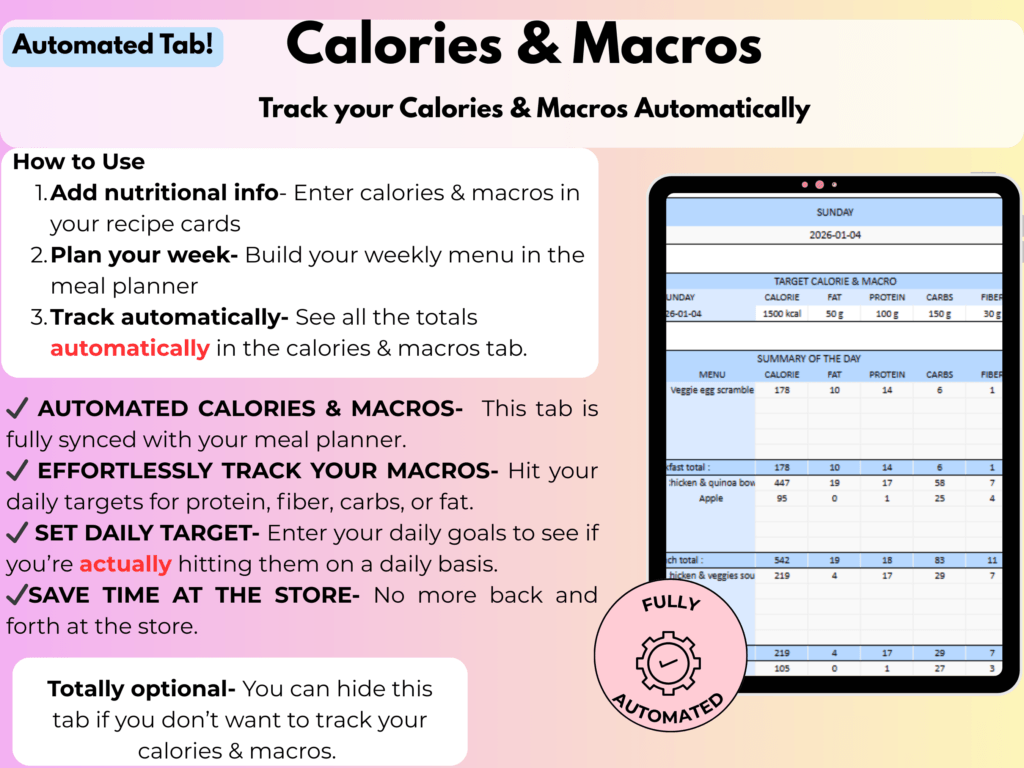
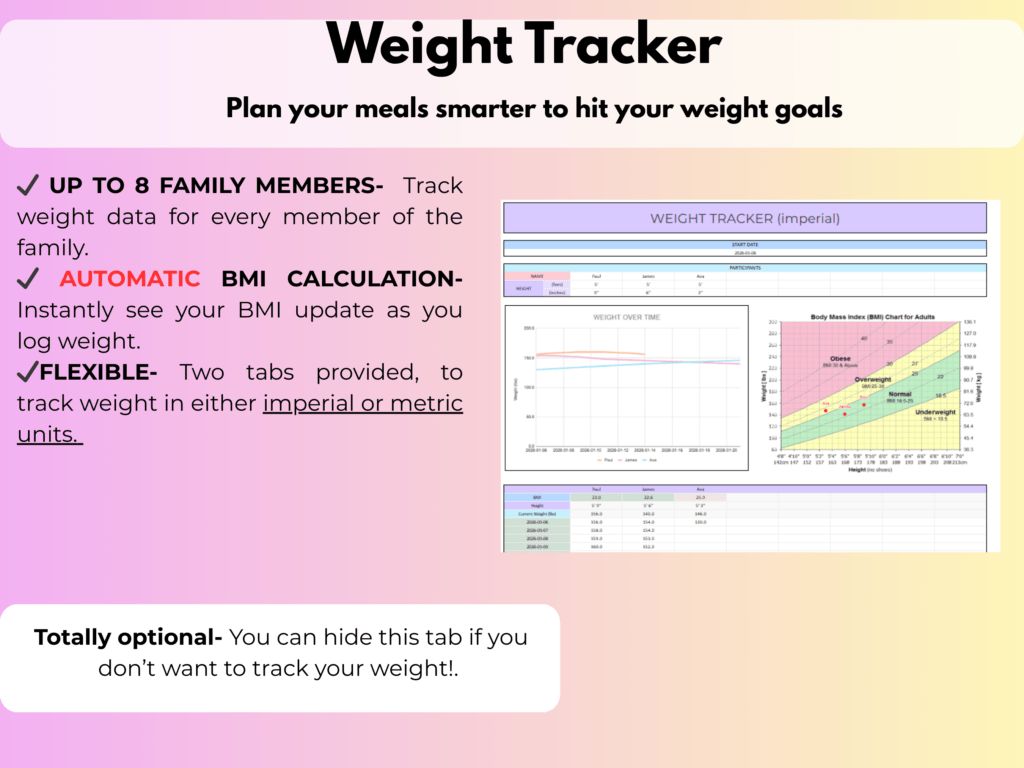
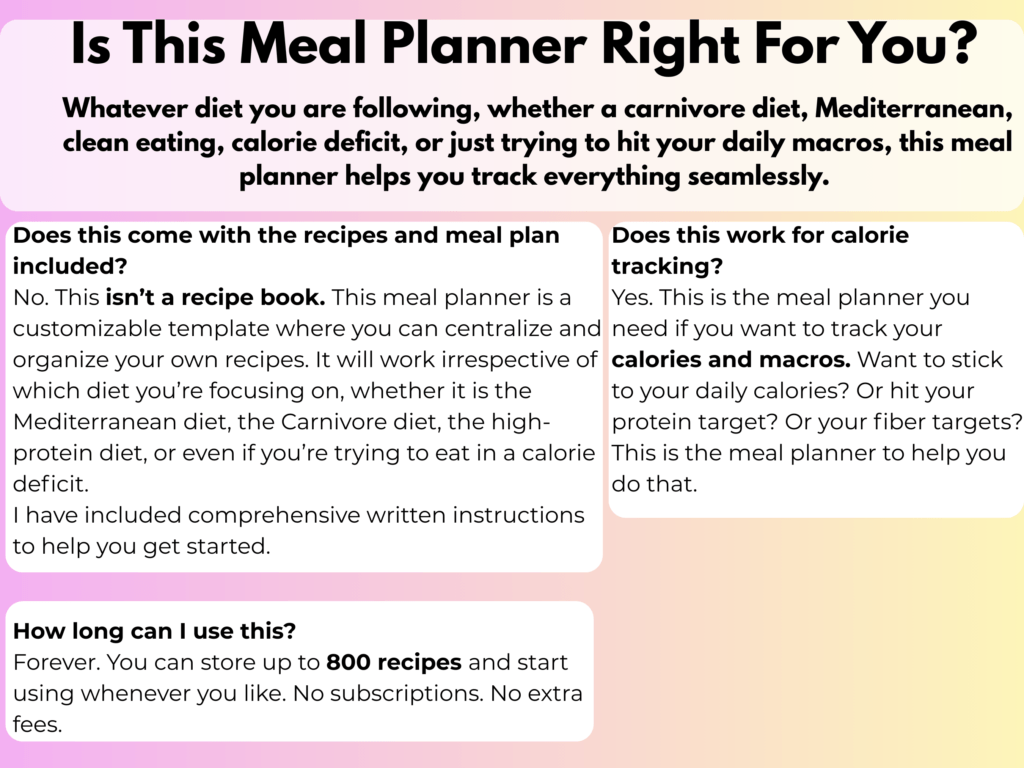
Weekly Meal Planner Spreadsheet with Automated Grocery List & Calorie Tracking
A simple all-in-one weekly meal planner spreadsheet to help you plan weekly meals, organize recipes, auto-generate grocery lists, and track calories and macros.
Quick FAQ
Are complex carbs good for weight loss?
Yes, when eaten in moderation. It’s simple, complex carbs are higher in fiber, which keeps you fuller for longer, making it naturally easier to avoid overeating. But you have to watch your portions.
Is oatmeal a complex carb?
It is. Oats are a whole grain, meaning they still have their fiber-rich bran and germ intact, which is exactly what makes something a complex carb.
Can you eat too many complex carbs?
Yes. Even good carbs still contain calories, so portion still matters. A helpful rule of thumb is keeping starchy complex carbs to about a cup per meal.
What’s the healthiest complex carb?
There isn’t just one “best” complex carb, but legumes are hard to beat. Beans and lentils combine fiber, protein, and complex carbs all in one food, which is a pretty rare nutritional trifecta.

Final Thoughts on Complex Carbs List
Not all carbs are bad and should be avoided. You just need to choose complex carbs over simple carbs. Complex carbs are rich in fiber and, as such, provide steady energy throughout the day. Good carbs are, honestly, some of the most satisfying foods out there.
To include more “good carbs” in your diet, start by swapping one or two refined carbs for their complex carb counterpart this week, and build from there. For instance, do brown rice instead of white rice and whole-grain bread instead of white bread.
With this comprehensive complex carbs list, knowing what to eat seems like the easy part; planning week after week of complex carb meals is another story altogether. If you want to make meal planning easy, grab our Weekly Meal Planner Spreadsheet. It automatically generates your grocery list and tracks your calories.

Weekly Meal Planner Spreadsheet with Automated Grocery List & Calorie Tracking
A simple all-in-one weekly meal planner spreadsheet to help you plan weekly meals, organize recipes, auto-generate grocery lists, and track calories and macros.
Until the next one loves.