14-Day High-Protein Mediterranean Diet Meal Plan (Beginner-Friendly)
Can you actually build muscle, stay lean, and hit your daily protein goals on the Mediterranean diet? Yes. And it might actually be the best combo yet. If you are new here, the Mediterranean diet is my absolute favorite eating plan. And as someone hitting the gym five days a week, I need to hit my protein goals: 100 grams a day, sometimes 120g. So, it’s a no-brainer for me to try to combine the two.
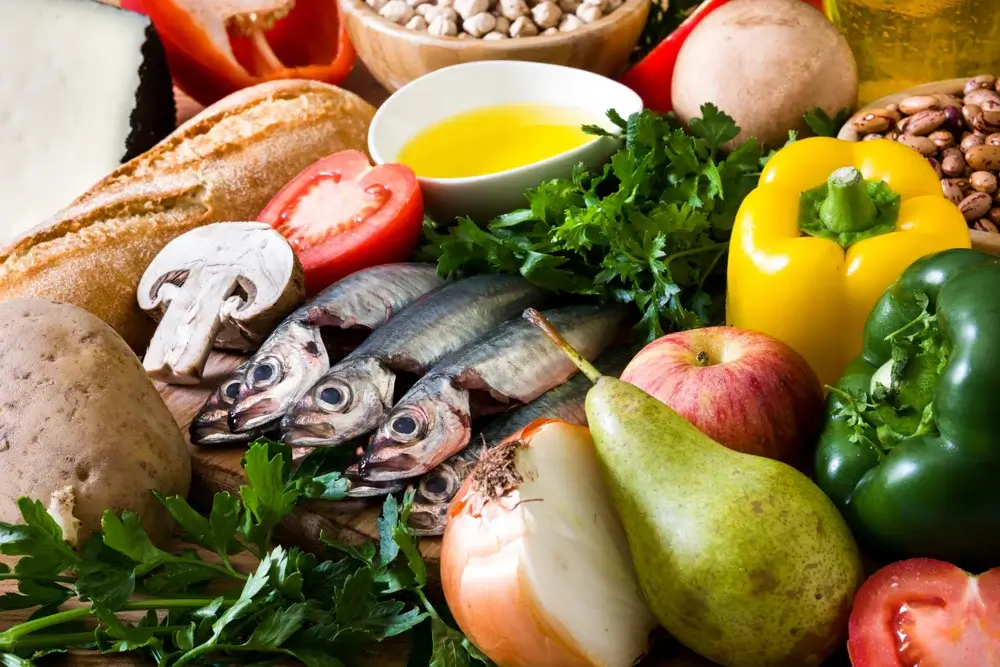
The Mediterranean diet gets a ton of love from almost everyone in the health and wellness space. Nutritionists, doctors, and gerontologists all love the Mediterranean diet. And for good reason. Olive oil, fresh produce, seafood, and whole grains are all awesome choices for your plate.
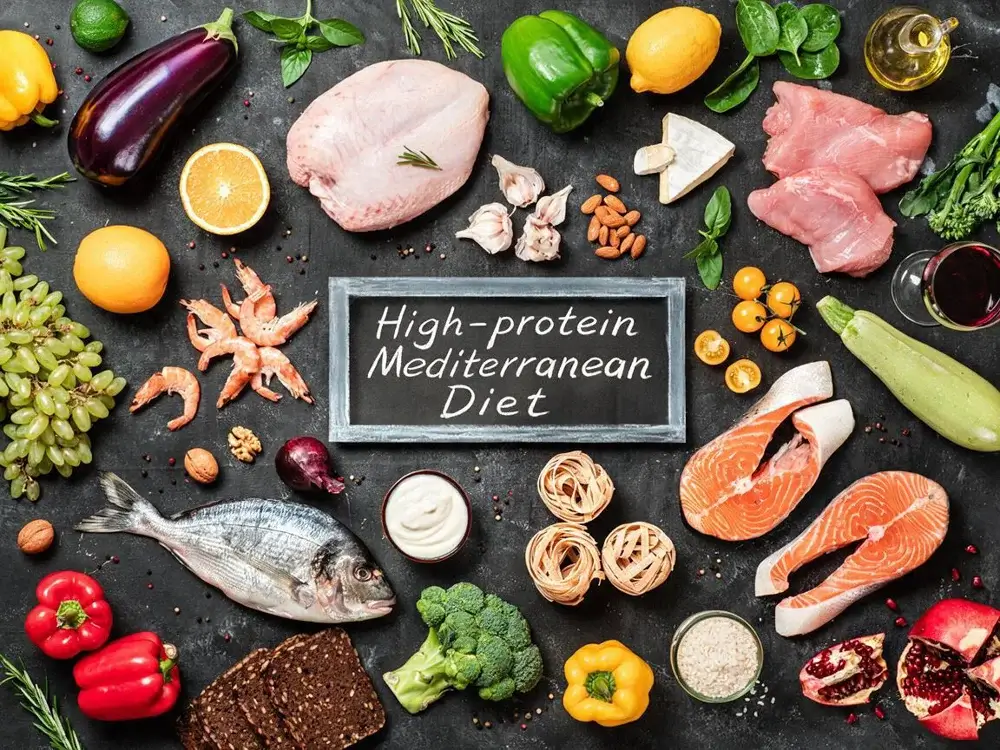
Unfortunately, the Mediterranean diet on its own is not always designed with protein goals in mind. And that’s exactly why you need this high-protein Mediterranean meal plan. We are embracing all the awesome aspects of the Mediterranean diet, the food-first philosophy, just with a lot more protein to hit our protein goals.
The awesome thing is that you’re not giving anything up here. No bland chicken and rice five nights a week and definately no bodybuilder-style meal prep containers stacked in your fridge. This is a meal plan full of Mediterranean diet staples, think grilled fish, legumes, eggs, yogurt, lean meats, arranged so protein shows up at every meal without you having to think too hard about it.
If you’ve tried high-protein diets before and found them exhausting, or tried the Mediterranean diet and felt like you needed a bit more protein to actually make it work, then this plan is built to fix both problems at once.
Why Combine High-Protein Eating With the Mediterranean Diet?
Before we get started, want to actually put this 14-day high-protein Mediterranean diet meal plan into good use?
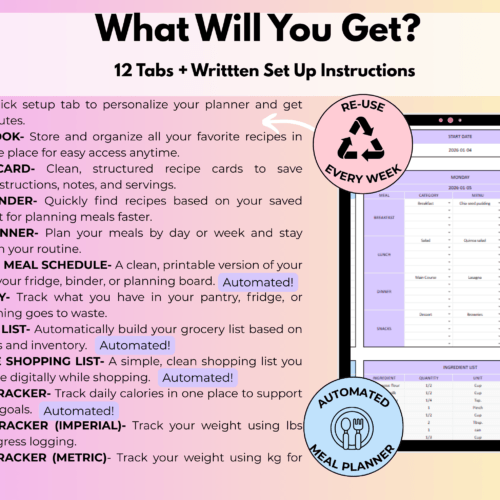
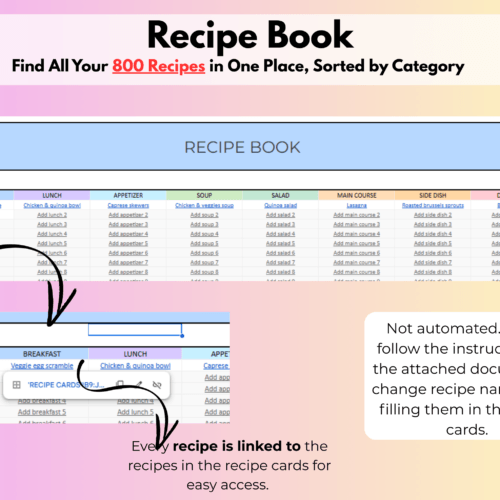
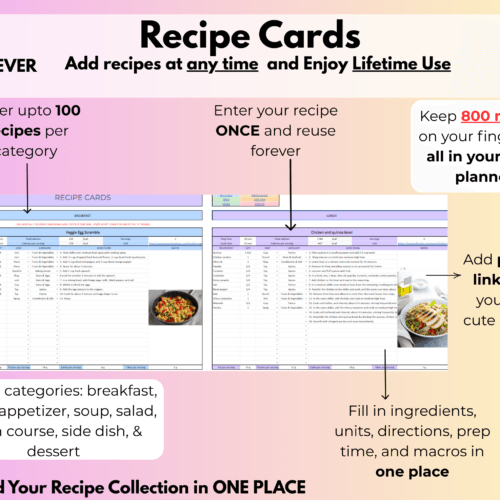
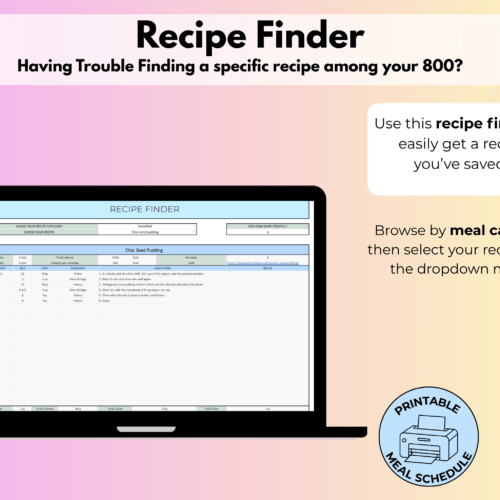
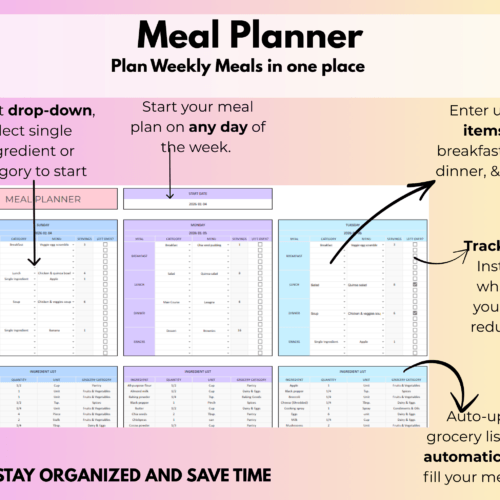
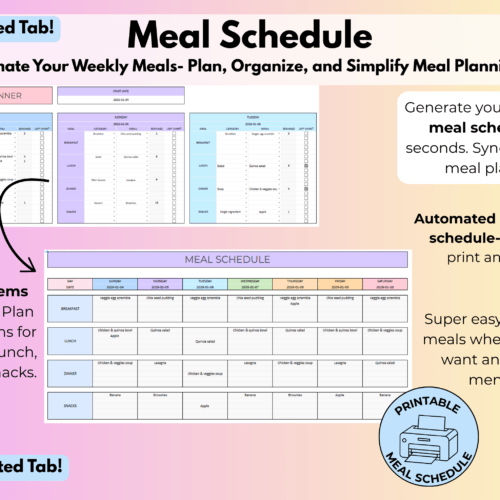
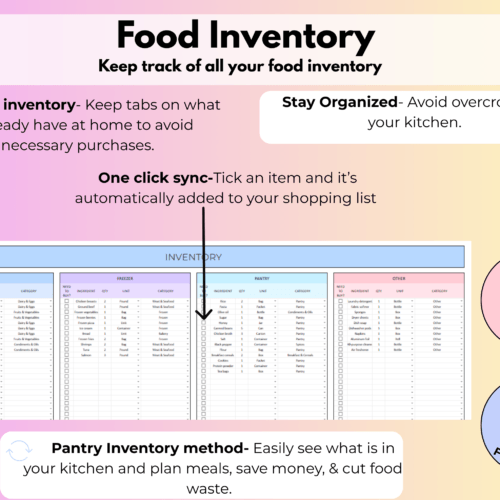
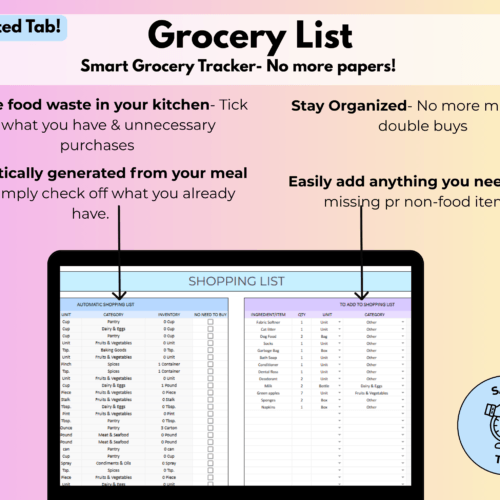
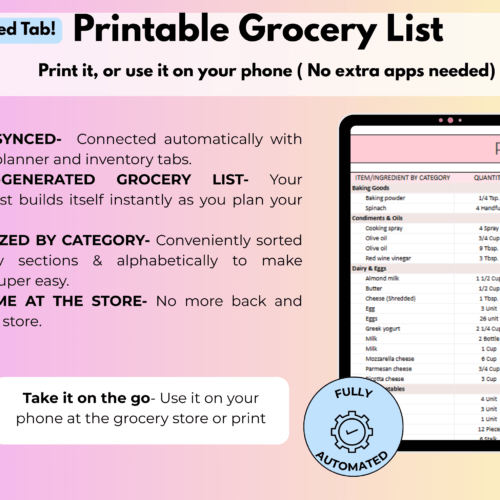
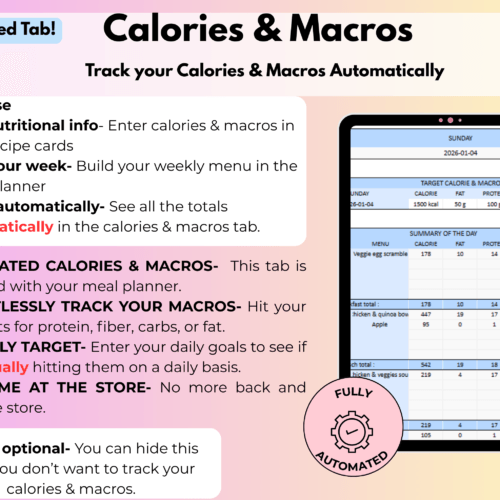
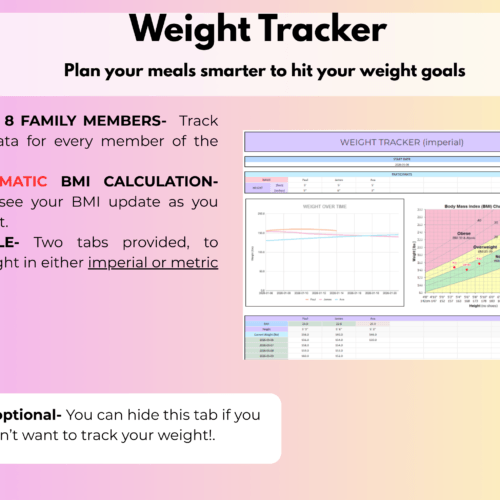
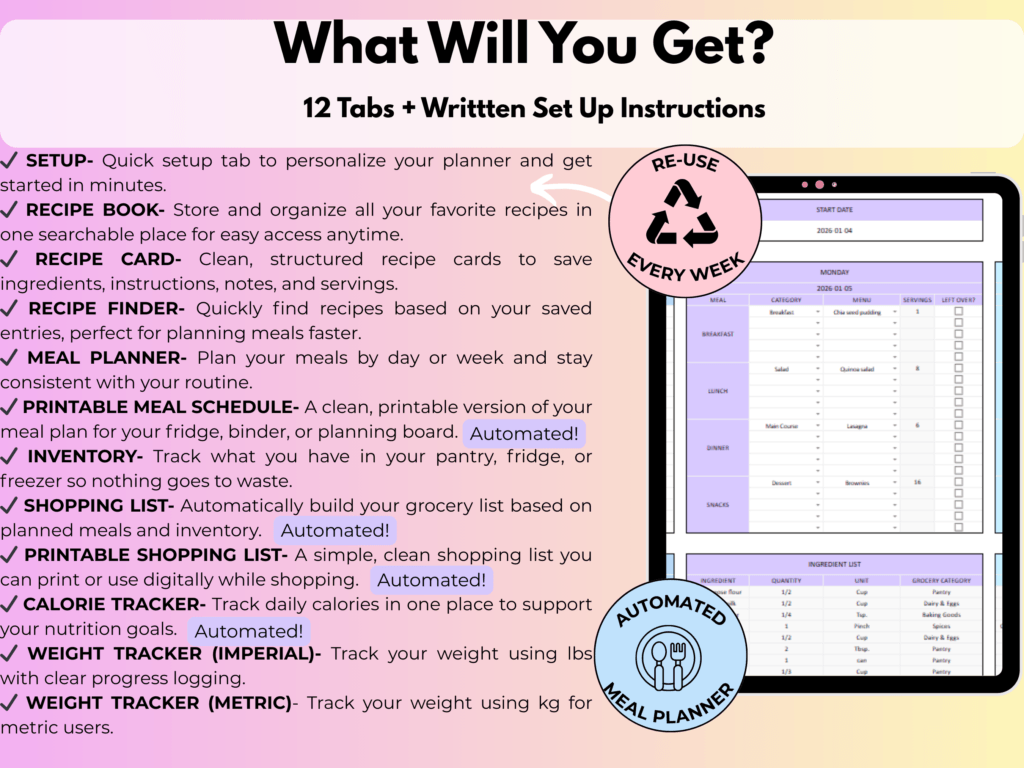
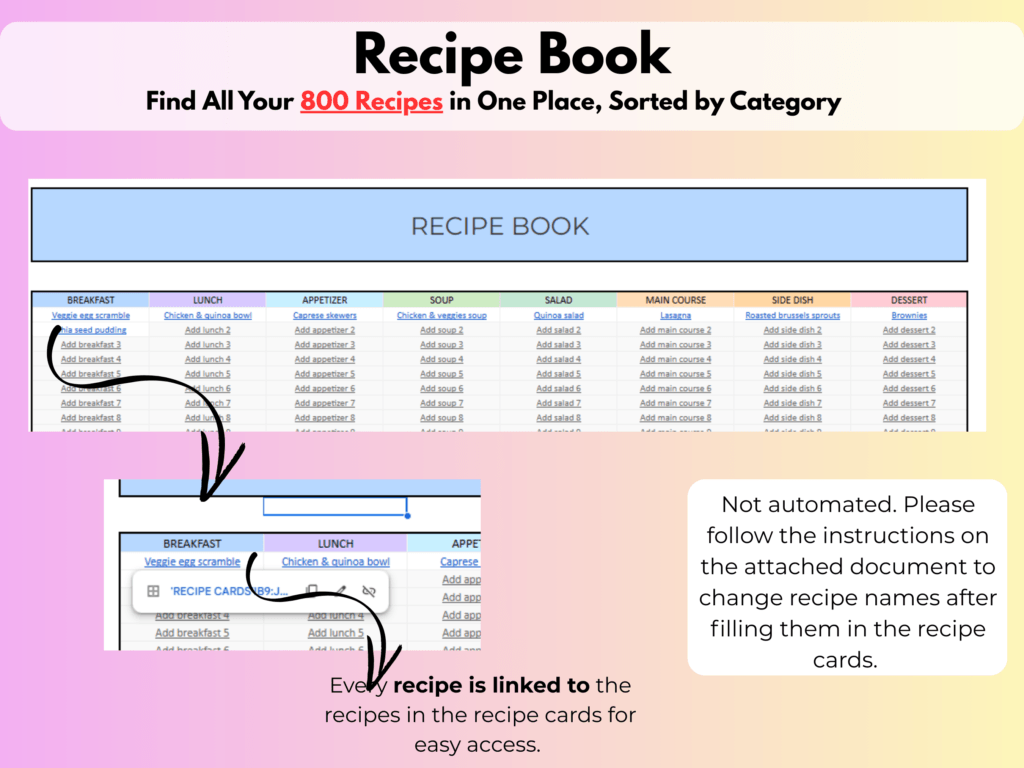
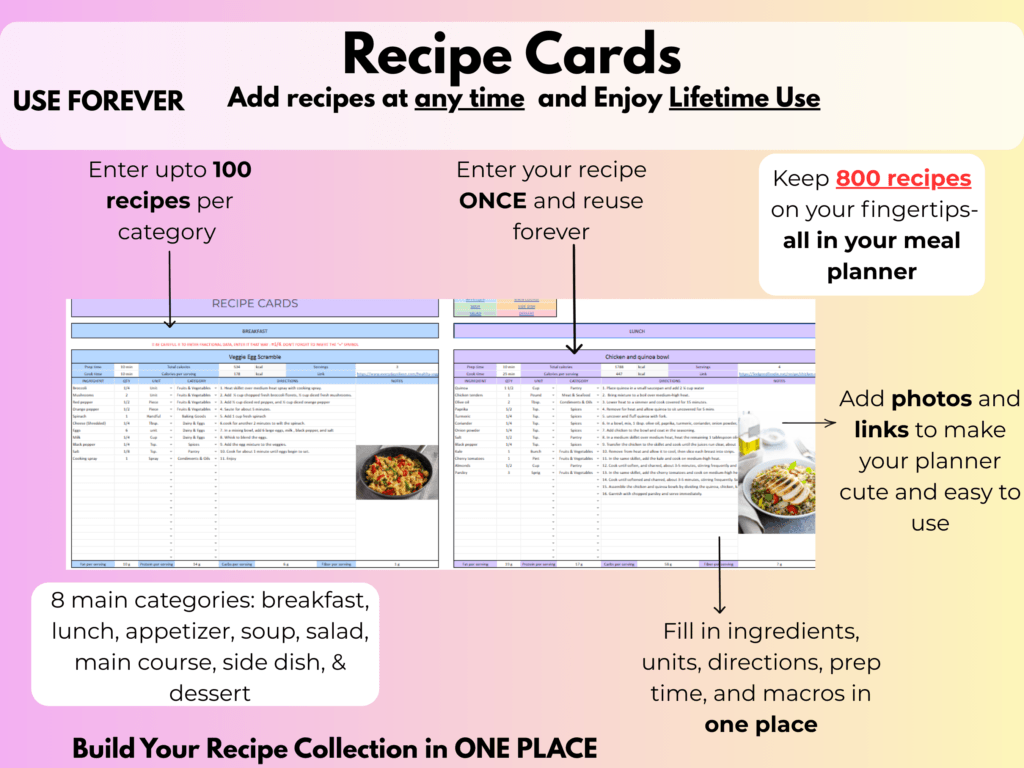
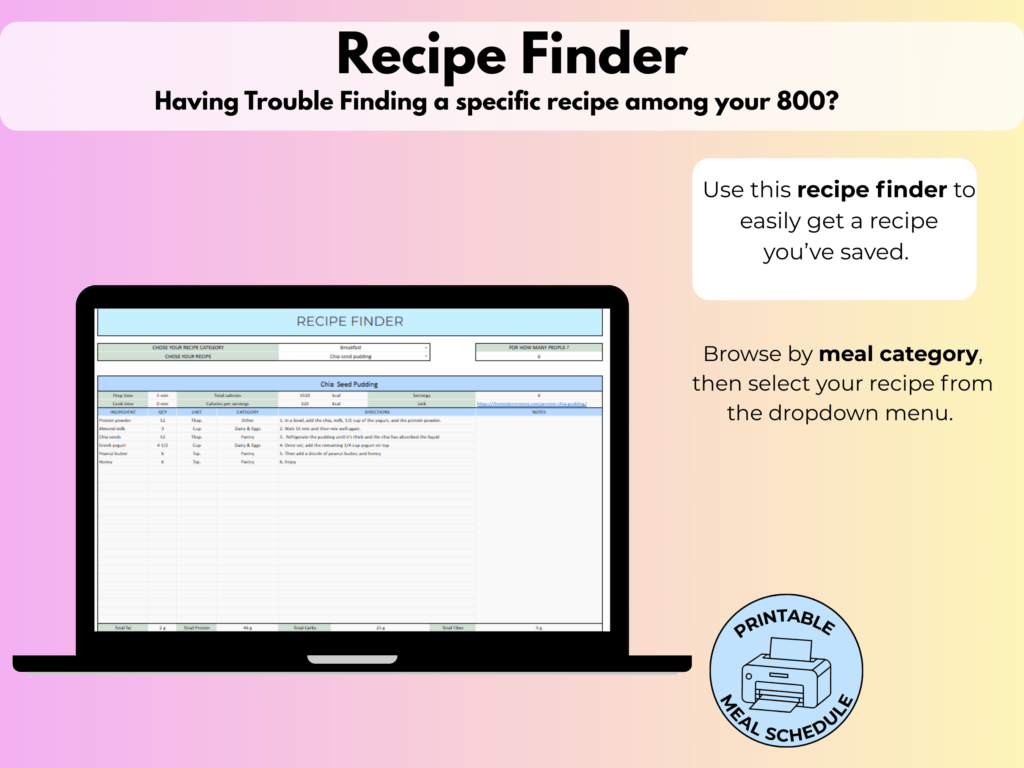
Our weekly meal planner Google Sheets can help you plan your meals, keep track of your recipes, automatically generate and print your grocery list, and track calories, macros, and weight, if you want to. You can also manage what is in your fridge, pantry, and freezer to reduce food waste and save money on groceries.
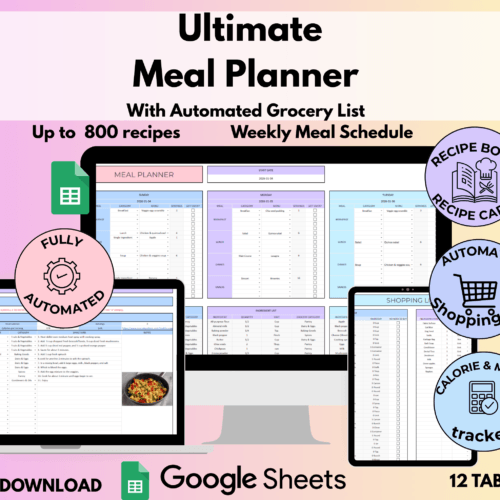

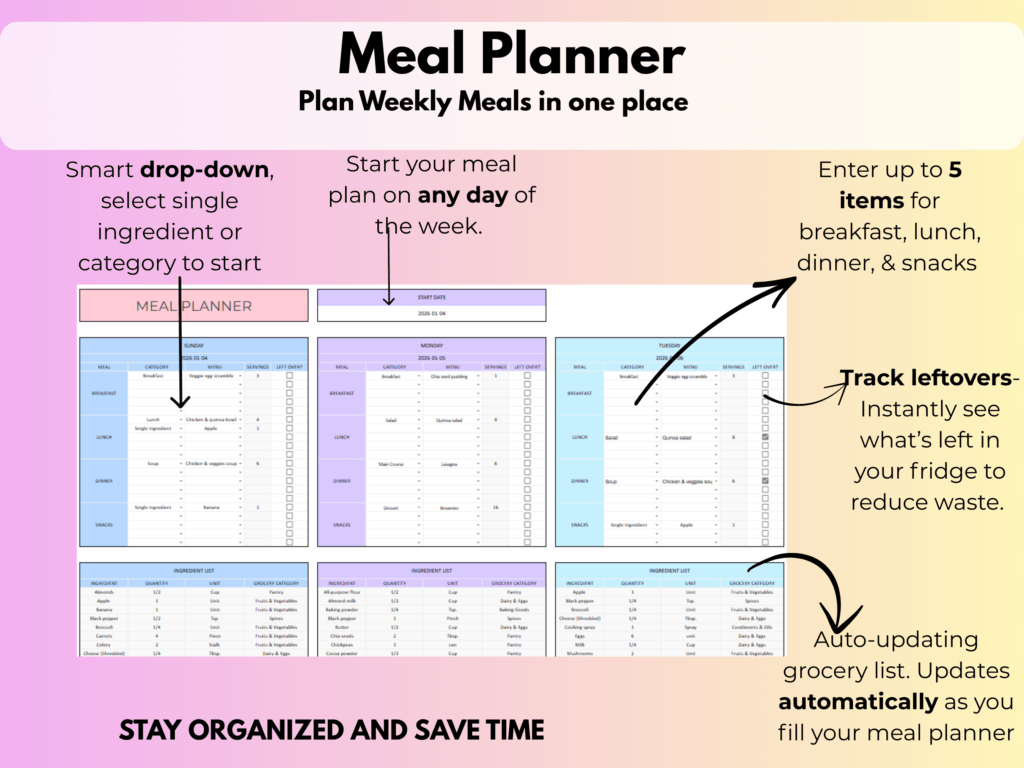
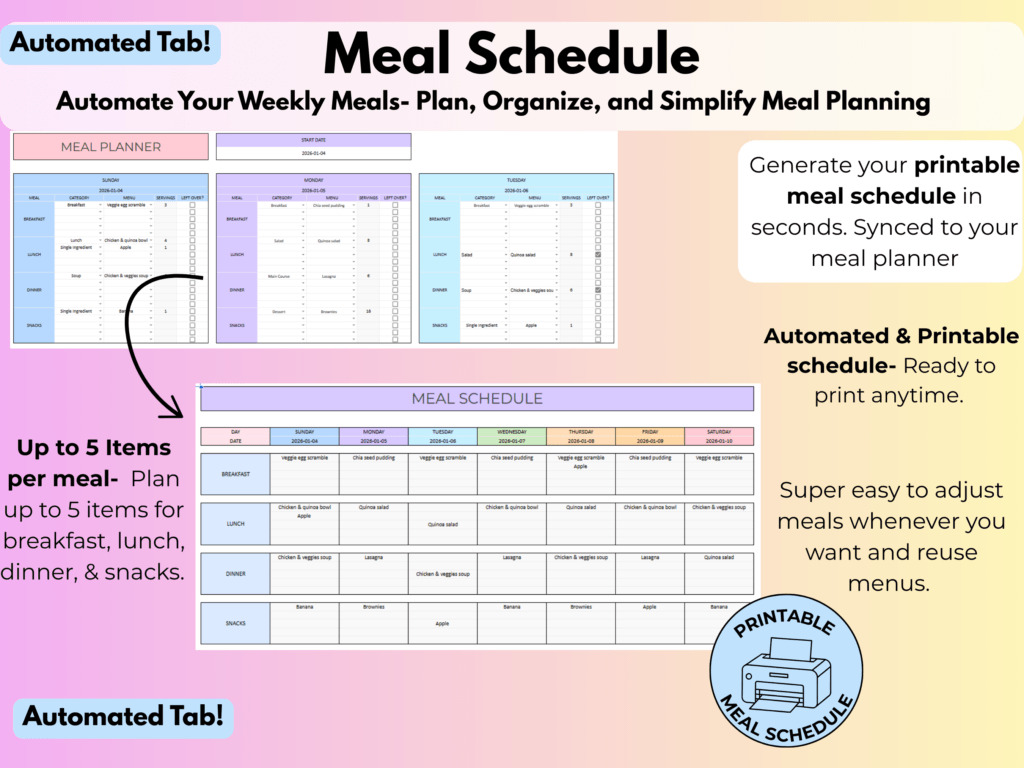
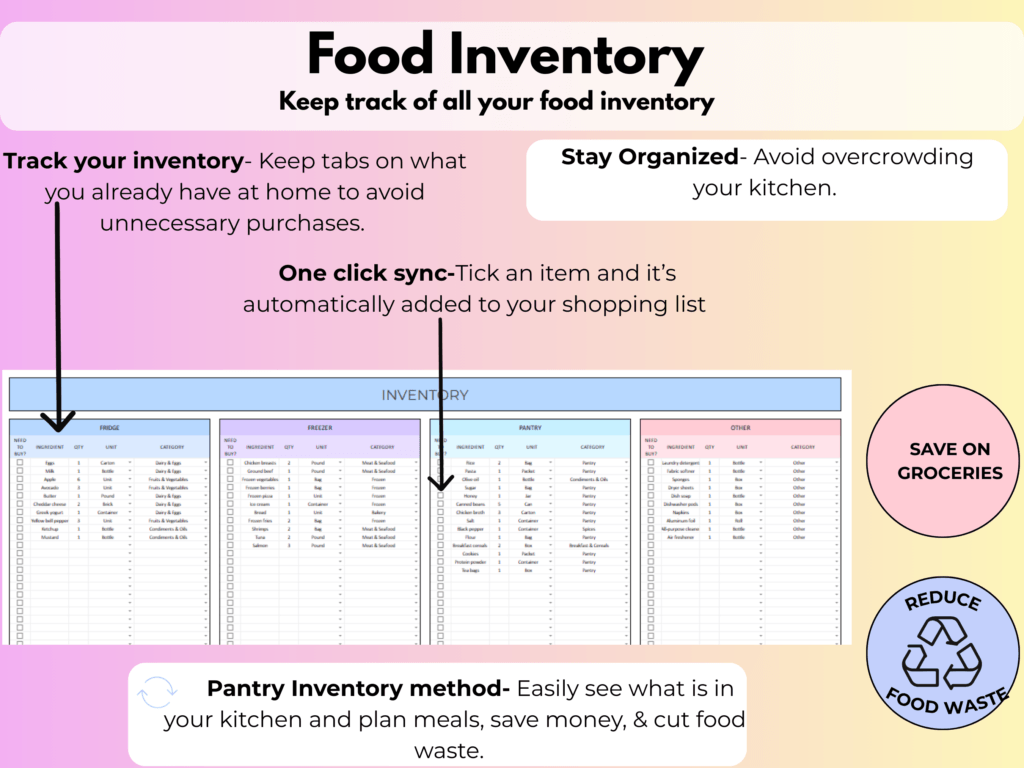
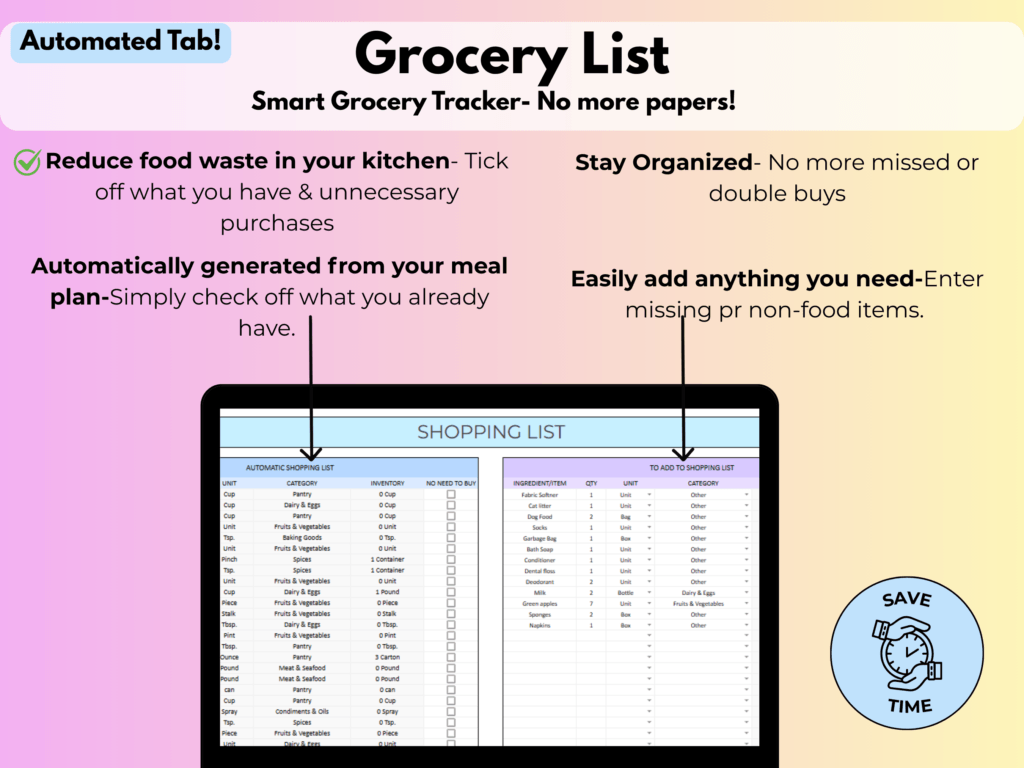
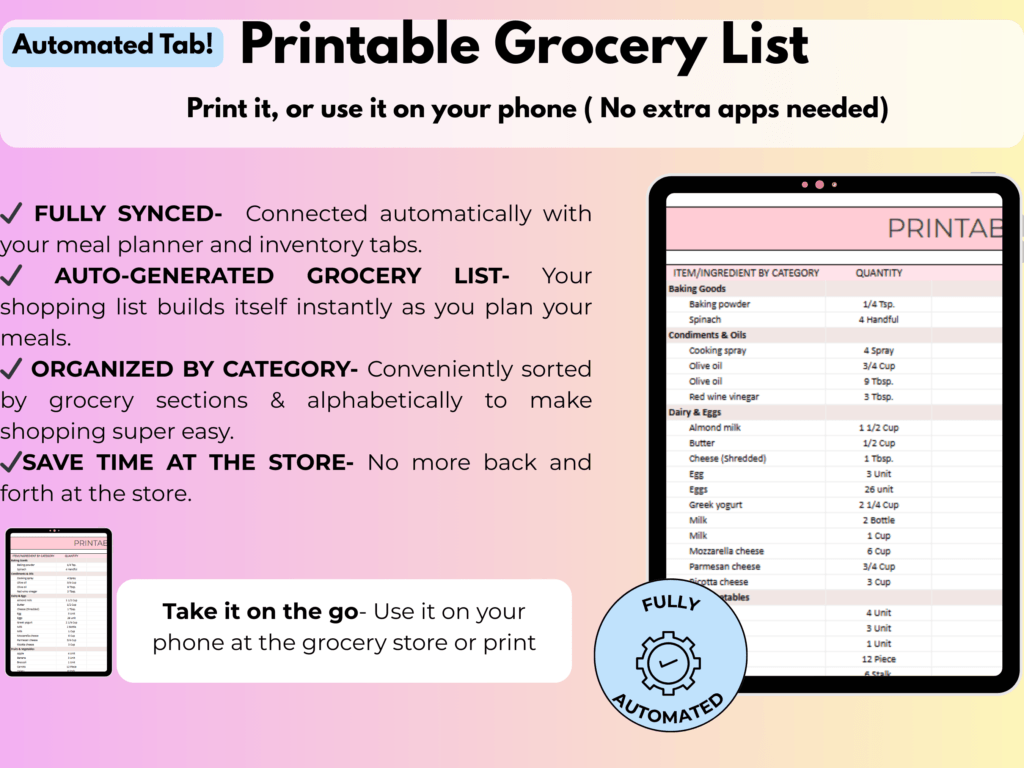
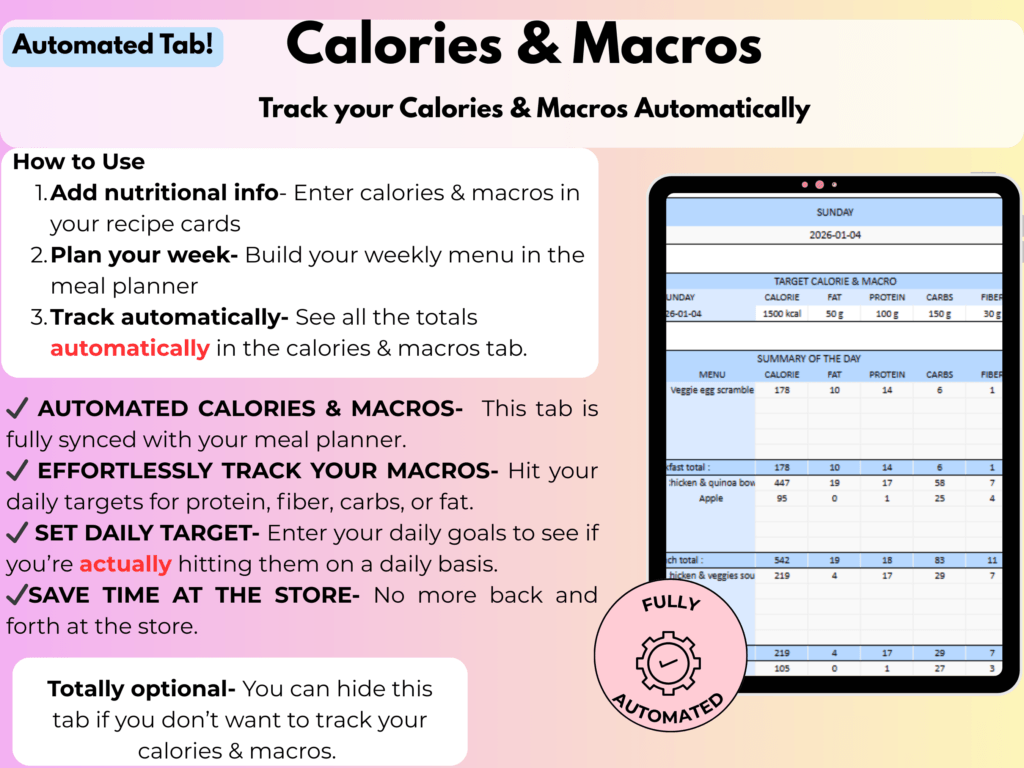
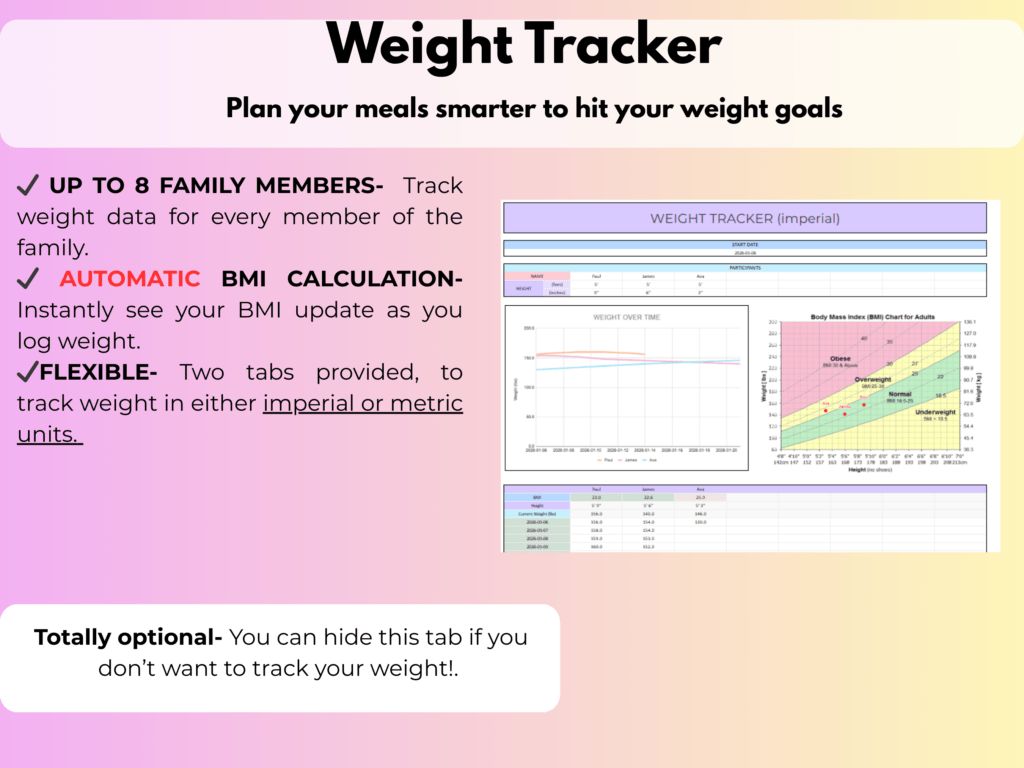
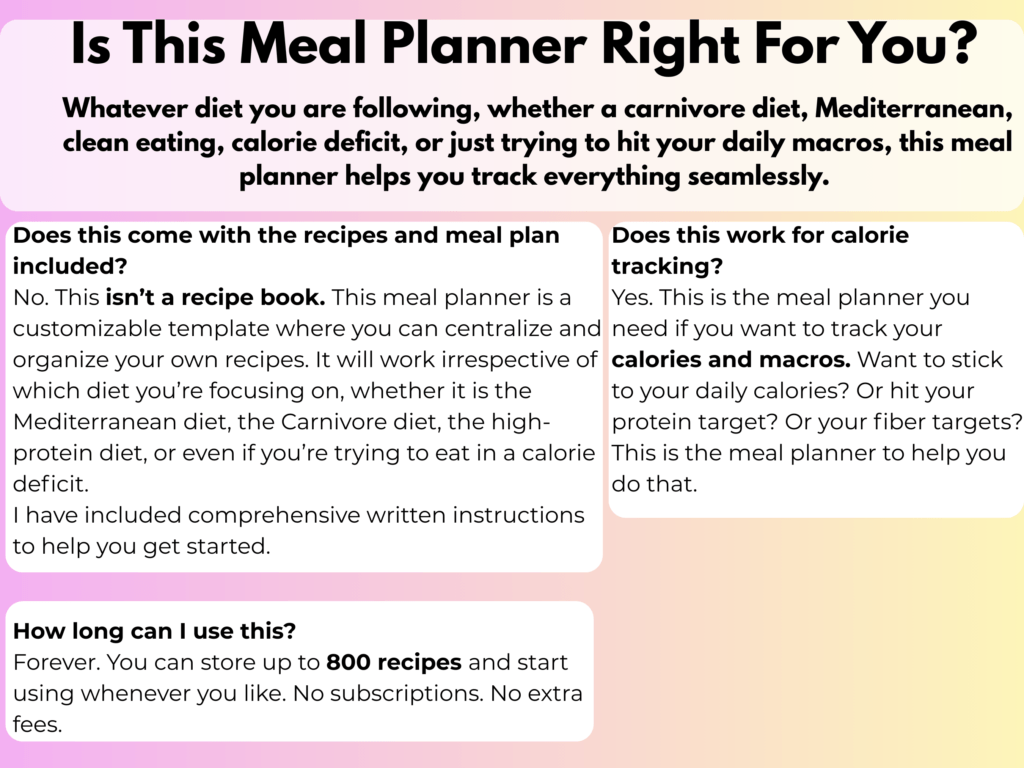
Weekly Meal Planner Spreadsheet with Automated Grocery List & Calorie Tracking
A simple all-in-one weekly meal planner spreadsheet to help you plan weekly meals, organize recipes, auto-generate grocery lists, and track calories and macros.
Okay, back at it, why combine high-protein eating with the Mediterranean diet? Honestly, it just makes sense. The Mediterranean diet already gives you a solid foundation, healthy fats, fiber, antioxidants, the works. Layering in more protein just makes it a much better diet if you’re trying to lose weight, gain muscle, stay fuller for longer, or have consistent energy throughout the day.
Indeed, with a high-protein Mediterranean diet meal plan, you get better satiety, so you’re not checking your fridge an hour or two after eating.
You also get more support for muscle maintenance. We all know that a high-protein diet is non-negotiable for preserving muscle mass. Whether you’re lifting weights several days a week, training for a race, or just trying to stay strong as you get older (yes, we lose more muscle mass as we age), you need a high-protein diet.
And because the Mediterranean diet already emphasizes the importance of lean proteins like fish, legumes, and poultry, boosting protein can be quite straightforward. You don’t need to pile on red meat or rely on unhealthy processed protein shakes; all it takes is being a little bit more intentional with your “Mediterranean protein.”
A Few Basics Before You Start
A couple of things worth knowing before we get into our 14-day high-protein Mediterranean diet plan:
- Try to include a solid protein source at every meal- eggs, fish, poultry, legumes, or Greek yogurt are all great choices that are completely true to the Mediterranean diet.
2. Olive oil should remain your primary fat. Don’t skip it just because you’re focused on protein.
3. Legumes (chickpeas, lentils, white beans) do double duty here; they add protein and fiber at the same time, which is particularly convenient if you’re also trying to hit your daily fiber goals.
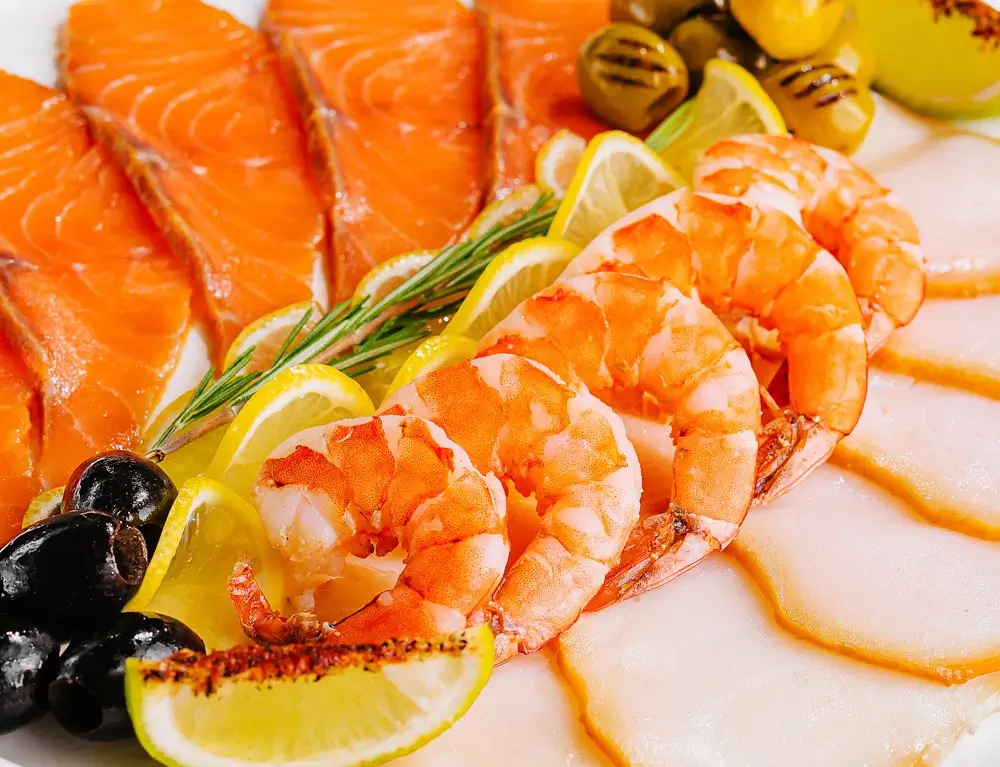
4. Fish and seafood should show up several times a week, not just once. Since we don’t do a lot of red meat on the Mediterranean diet, fish remains the heavy hitter here.
5. Dairy is also very important in this meal plan, just go for higher-protein options like Greek yogurt, cottage cheese, and feta rather than heavier, fattier cheeses.
6. As I mentioned, red meat should be on your plate occasionally. I know it’s one of the best sources of protein, but it’s not exactly very Mediterranean diet-friendly.
7. Portion sizes matter more here than on a standard Mediterranean plan, simply because you’re aiming for a protein target rather than just “eating well.”
14-Day High-Protein Mediterranean Meal Plan
Before you check out this 14-day high-protein Mediterranean diet meal plan, I created this weekly meal planner spreadsheet to make meal planning easy. It auto-generates a grocery list and tracks calories as you plan.

Weekly Meal Planner Spreadsheet with Automated Grocery List & Calorie Tracking
A simple all-in-one weekly meal planner spreadsheet to help you plan weekly meals, organize recipes, auto-generate grocery lists, and track calories and macros.
The protein numbers listed below are merely estimates based on typical portions. Your actual numbers will be a little different based on exact serving sizes, so treat these as a helpful guide rather than a strict count.
Week 1
Day 1: Total: 138g protein
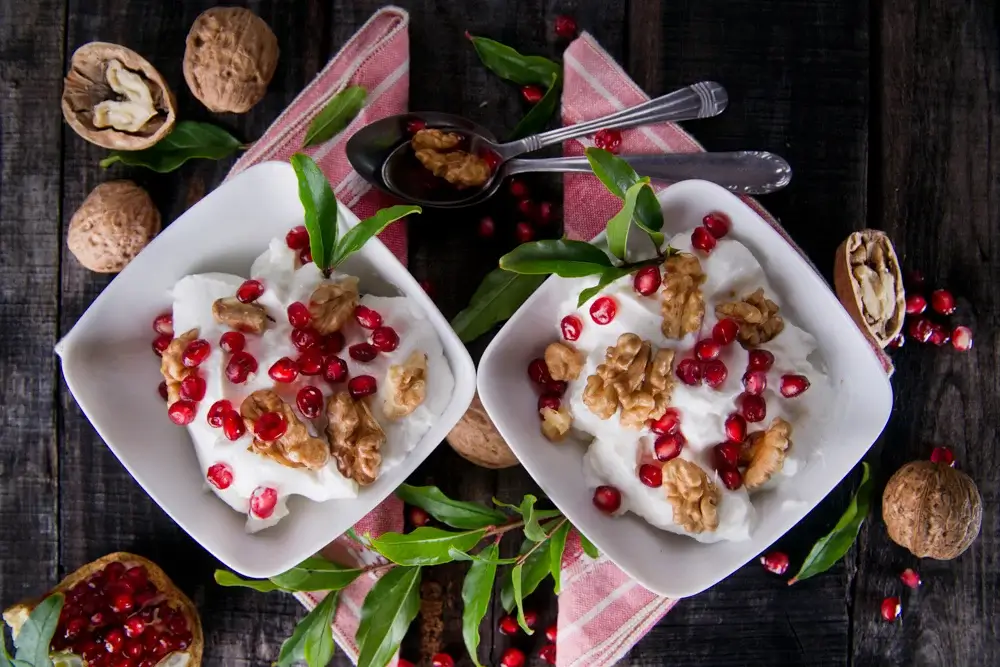
Breakfast: Greek yogurt bowl with walnuts, honey, and pomegranate seeds – 24g
Lunch: Grilled chicken and chickpea Greek salad with feta and olive oil dressing- 44g
Dinner: Baked salmon with white beans and sautéed spinach- 48g
Snack: Cottage cheese with cucumber and olive oil drizzle- 22g
Day 2: Total: 121g protein
Breakfast: Veggie egg-white scramble with feta and tomatoes- 26g
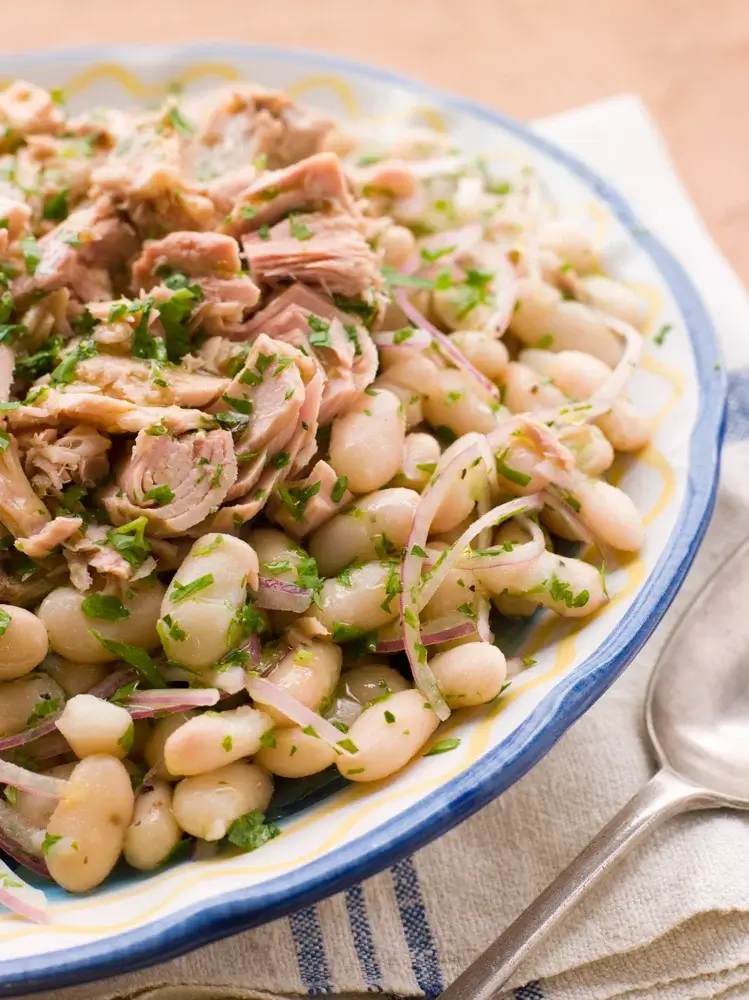
Lunch: Tuna and white bean salad with lemon and parsley- 35g
Dinner: Grilled lamb or chicken kofta with tzatziki and a cucumber-tomato salad- 43g
Snack: Roasted chickpeas- 17g
Day 3: Total: 132g protein
Breakfast: Ricotta toast with sliced peaches and some honey- 20g
Lunch: Lentil and grilled chicken bowl with roasted red peppers- 41g
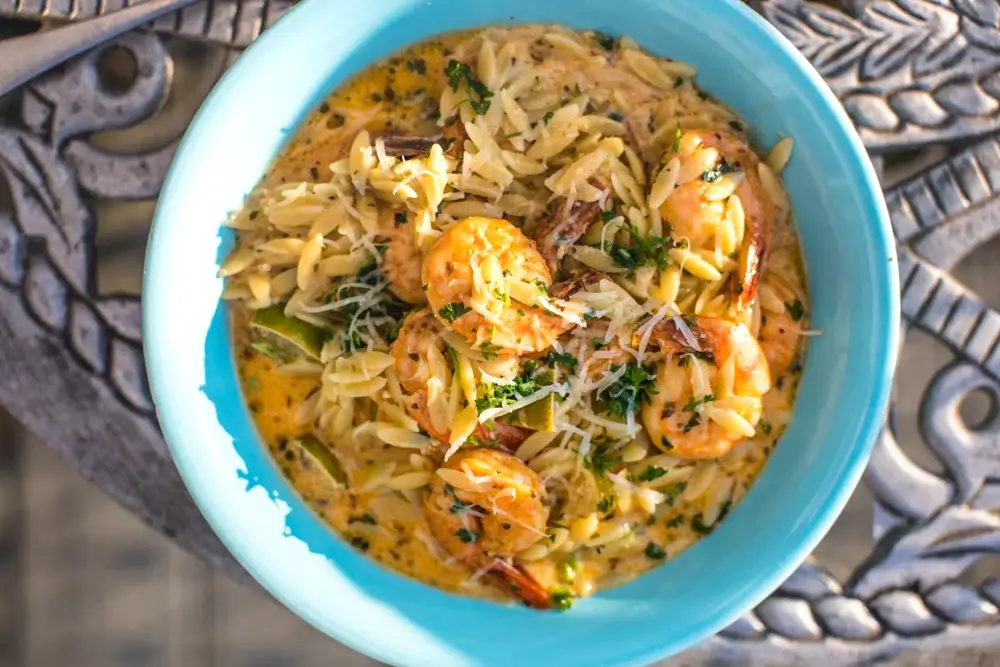
Dinner: Pan-seared shrimp with orzo, spinach, and lemon- 41g
Snack: Greek yogurt with almonds- 20g
Day 4: Total: 127g protein
Breakfast: Spinach and feta omelet- 24g
Lunch: Chickpea and tuna salad wrap with tahini dressing- 35g
Dinner: Baked cod with farro and roasted zucchini- 39g
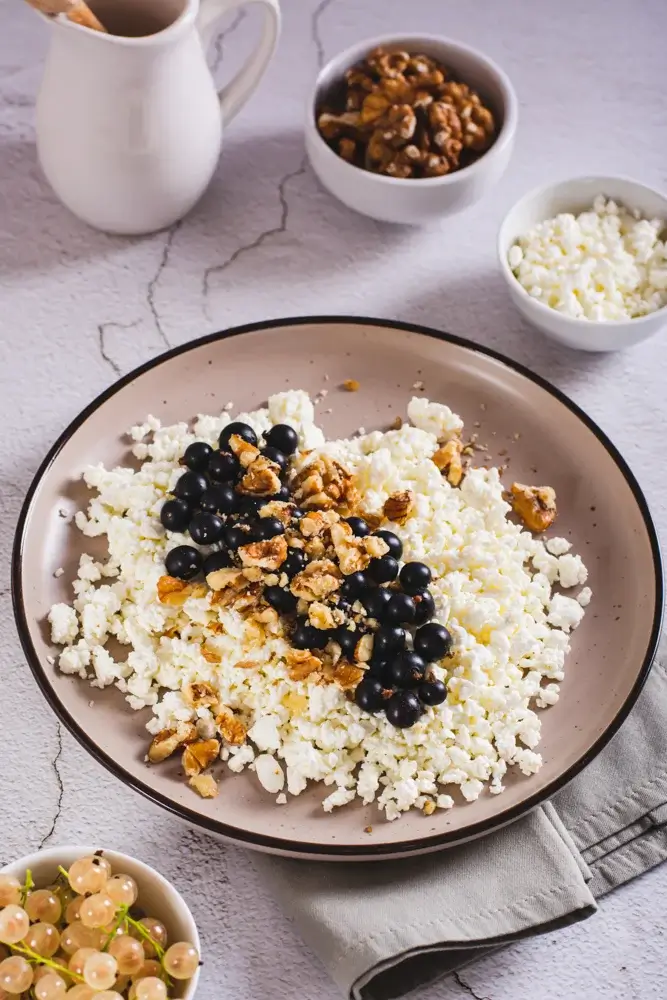
Snack: Cottage cheese with walnuts- 29g
Day 5: Total: 145g protein
Breakfast: Protein smoothie with Greek yogurt, spinach, and almond butter- 28g
Lunch: Grilled shrimp skewers over a big Greek salad- 34g
Dinner: Herb-marinated chicken thighs with white beans and broccoli- 51g
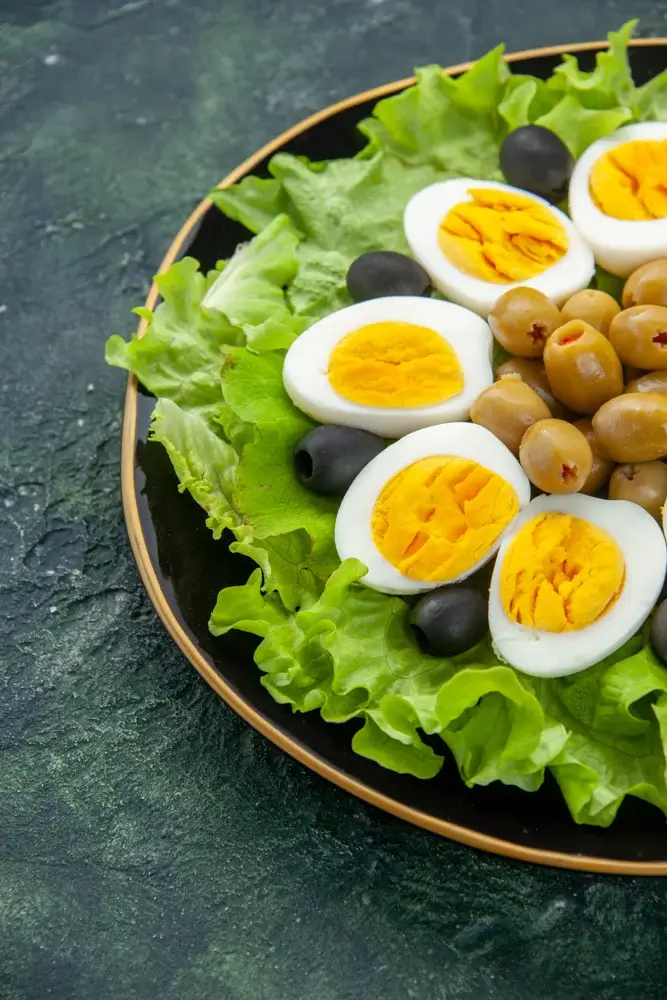
Snack: Hard-boiled eggs with some olives- 18g
Day 6: Total: 118g protein
Breakfast: Overnight oats with Greek yogurt, chia seeds, and figs- 22g
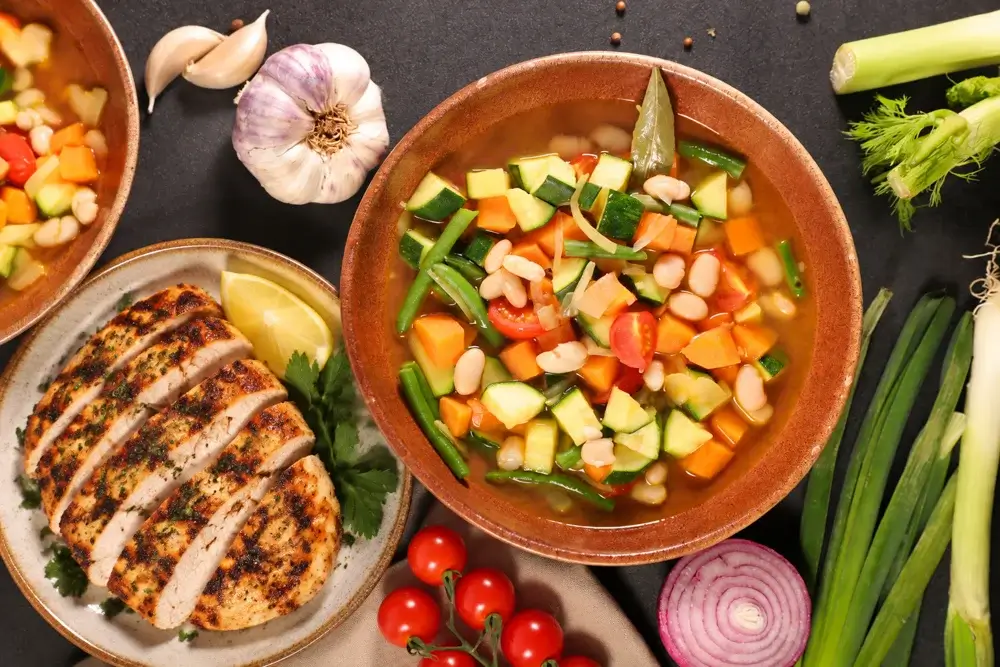
Lunch: White bean and vegetable soup with a side of grilled chicken- 34g
Dinner: Baked trout with quinoa tabbouleh- 47g
Snack: String cheese and grapes- 15g
Day 7: Total: 130g protein
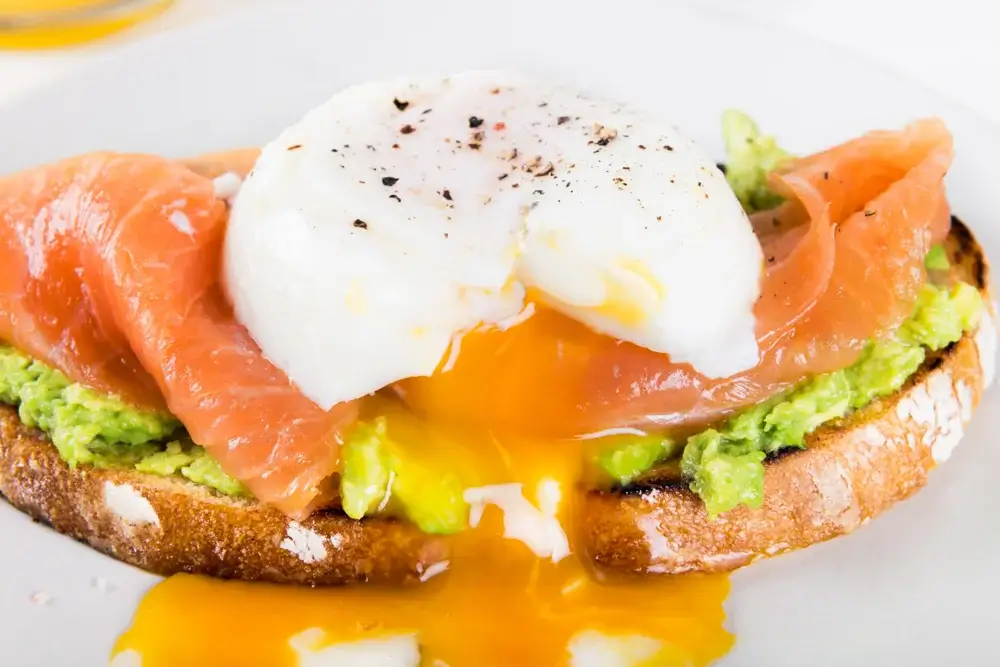
Breakfast: Whole-grain toast with smoked salmon and a poached egg- 26g
Lunch: Chicken shawarma bowl with brown rice and pickled vegetables- 42g
Dinner: Grilled swordfish with roasted eggplant and farro- 44g
Snack: Greek yogurt with some honey-8g
Week 2
Day 1: Total: 140g protein
Breakfast: Egg and vegetable frittata with feta- 26g
Lunch: Grilled chicken tabbouleh bowl with some chickpeas- 47g
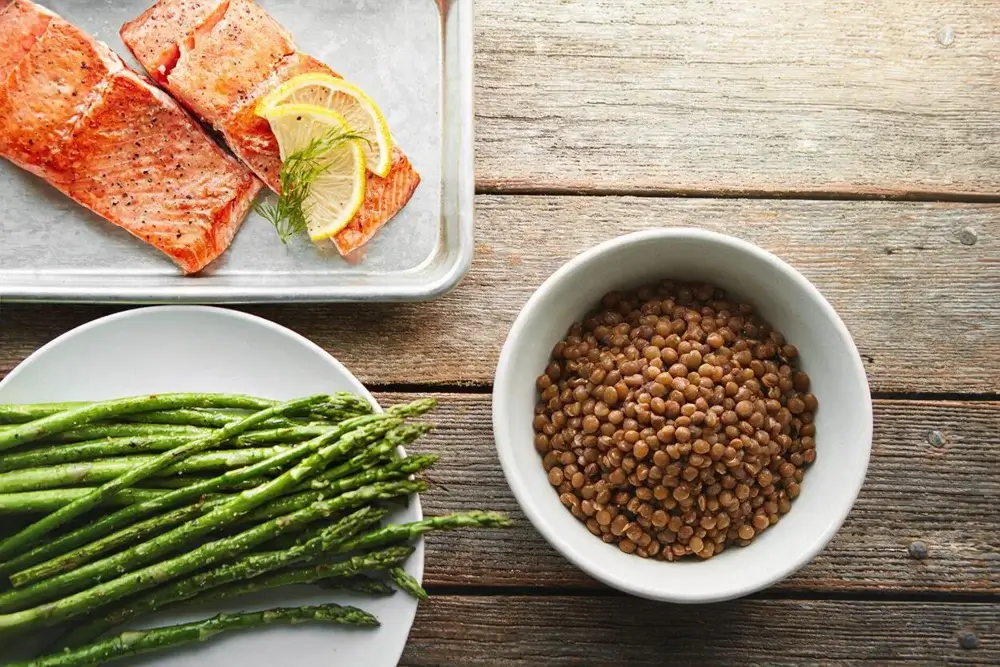
Dinner: Baked salmon with lentils and roasted asparagus- 49g
Snack: Cottage cheese with berries- 18g
Day 2: Total: 119g protein
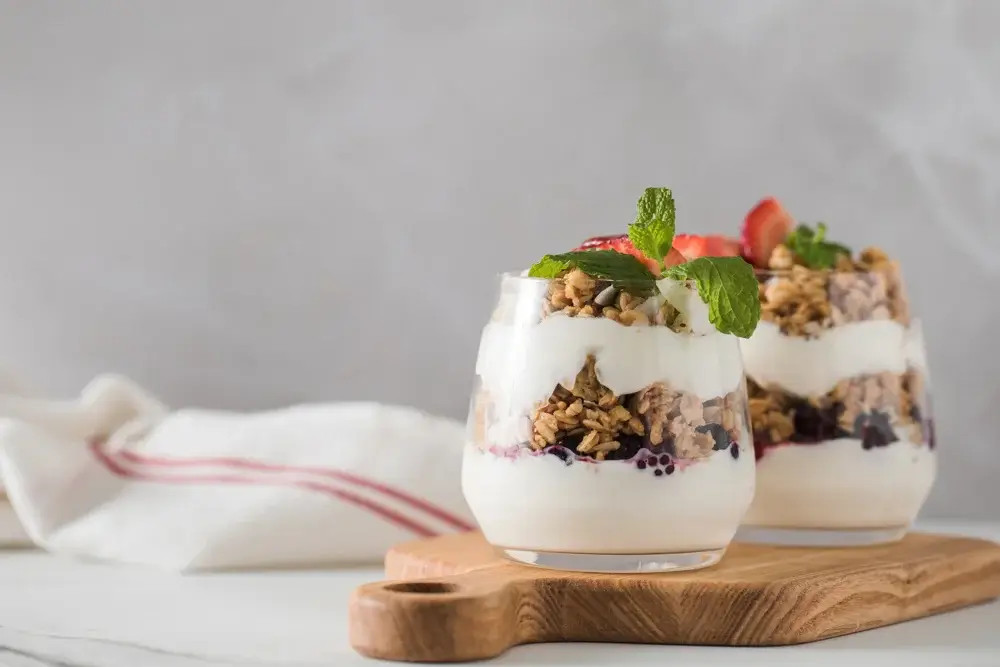
Breakfast: Greek yogurt parfait with granola and walnuts- 22g
Lunch: Falafel bowl with extra chickpeas, brown rice, and tahini- 26g
Dinner: Grilled steak or chicken souvlaki with a Greek salad- 46g
Snack: Hummus with sliced bell peppers- 7g, plus a boiled egg- 6g
Day 3: Total: 136g protein
Breakfast: Spanish-style tortilla (egg and potato) with a side of Greek yogurt- 32g
Lunch: Shrimp and white bean salad with lemon-oregano dressing- 38g
Dinner: Baked chicken breast with farro and roasted Brussels sprouts- 44g
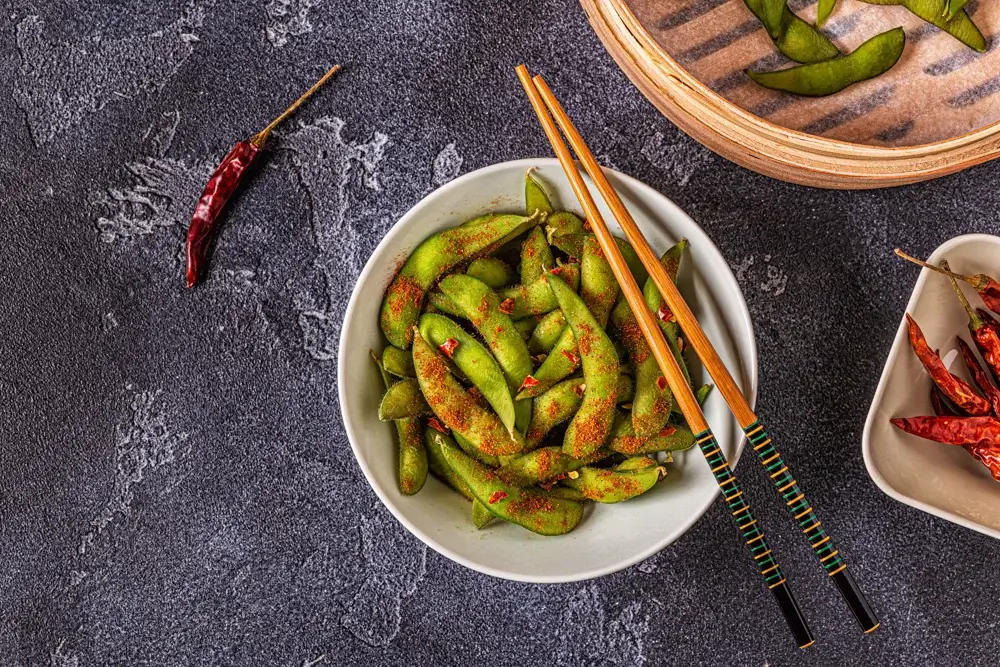
Snack: Edamame- 17g
Day 4: Total: 124g protein
Breakfast: Cottage cheese with figs and pistachios- 26g
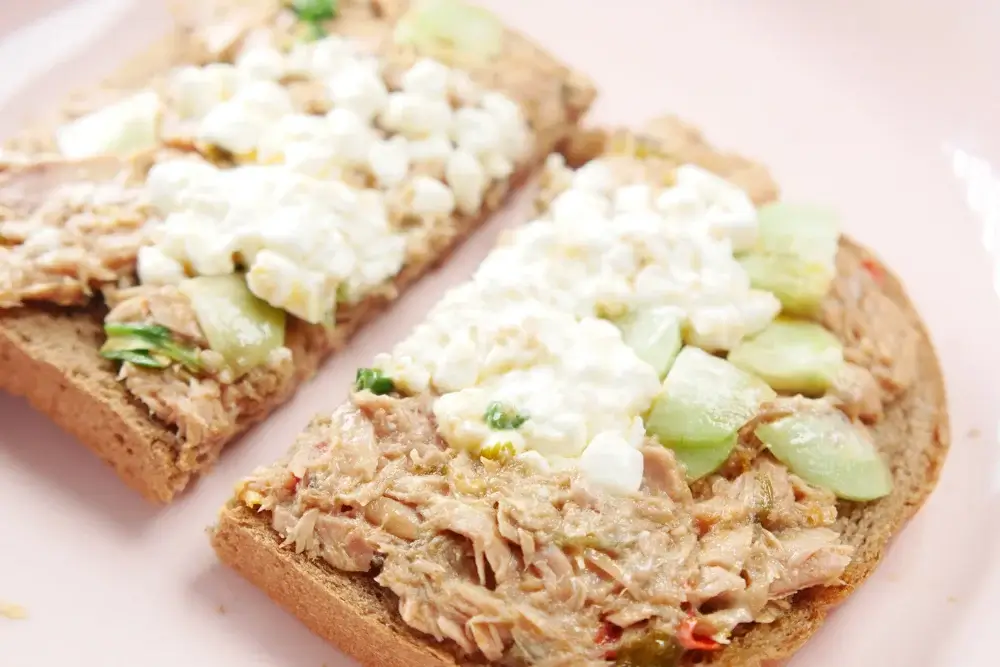
Lunch: Tuna melt on whole-grain bread with a side salad- 44g
Dinner: Grilled pork tenderloin with roasted vegetables and quinoa- 36g
Snack: Protein-boosted hummus (add extra tahini and Greek yogurt) with veggie sticks- 8g
Day 5: Total: 133g protein
Breakfast: Whole-grain waffles topped with Greek yogurt and berries- 20g
Lunch: Lentil and grilled shrimp salad with lemon and herbs- 40g
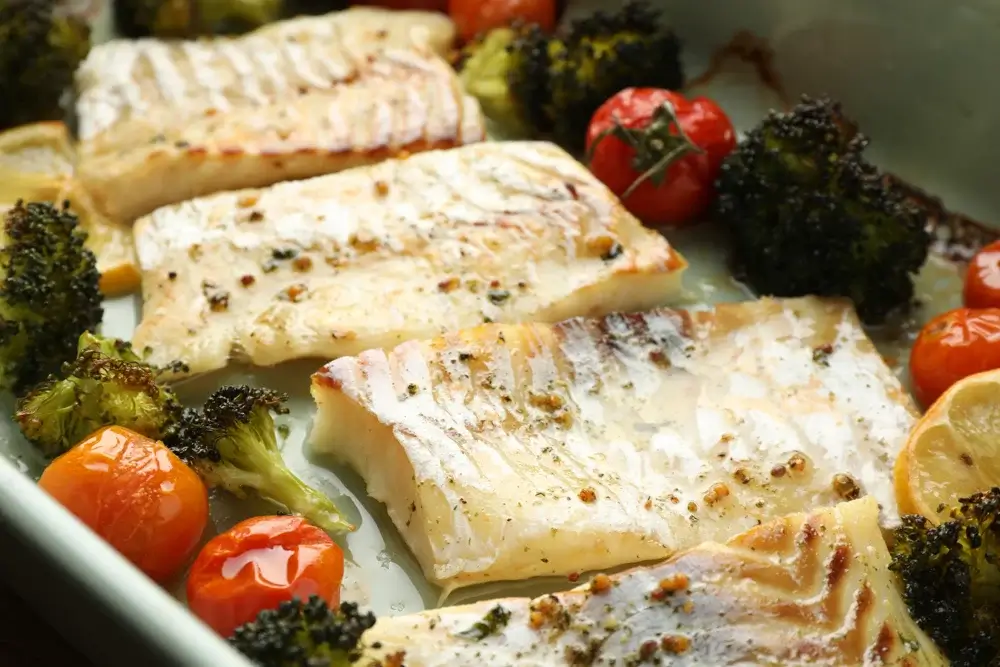
Dinner: Baked halibut with white beans and sautéed kale- 48g
Snack: Almonds and a hard-boiled egg- 12g
Day 6: Total: 121g protein
Breakfast: Shakshuka with extra eggs and a side of whole-grain bread- 28g
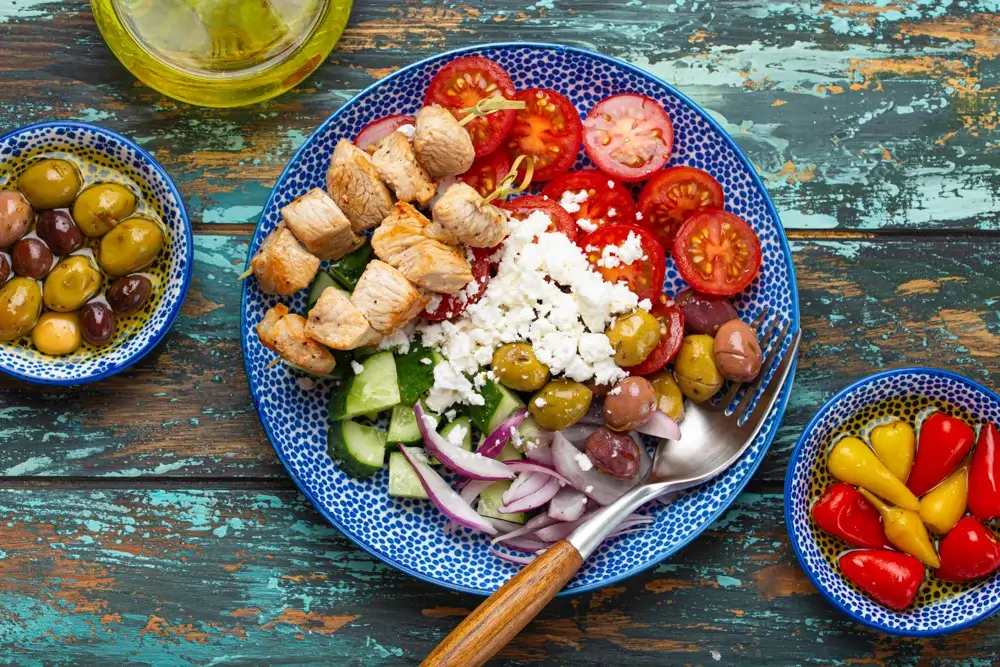
Lunch: Grilled chicken Greek salad with extra feta- 41g
Dinner: Turkey and vegetable stuffed peppers with a side of Greek yogurt- 38g
Snack: String cheese and olives- 14g
Day 7: Total: 139g protein
Breakfast: Whole-grain toast topped with smoked salmon and cream cheese- 24g
Lunch: Chickpea, tuna, and white bean salad with olive oil and herbs- 42g
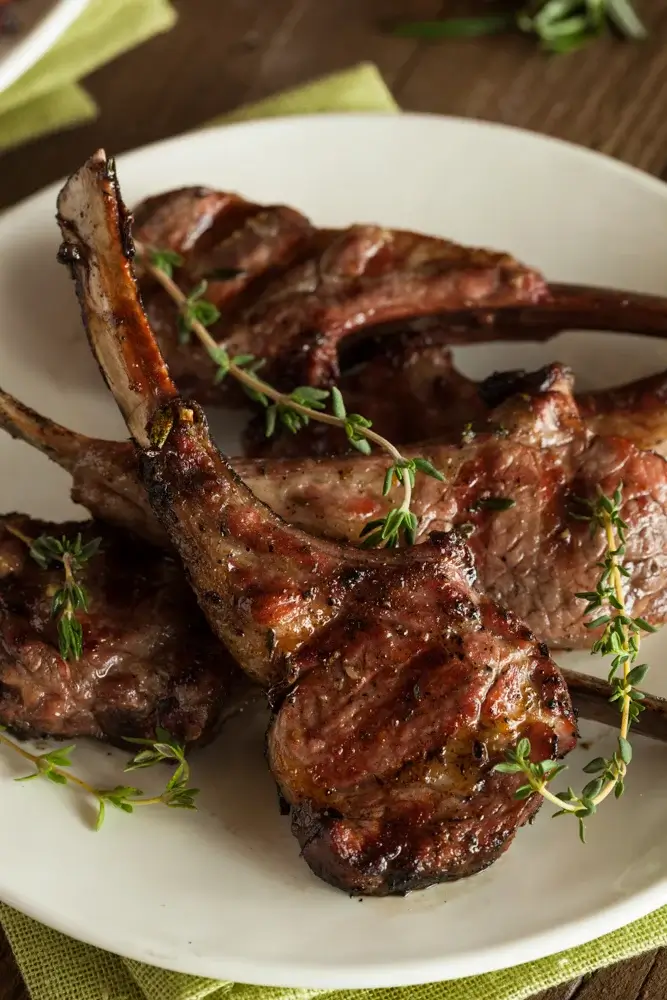
Dinner: Grilled lamb chops with farro and roasted vegetables- 51g
Snack: Greek yogurt with a drizzle of honey- 22g
Grocery List for the 14-Day Plan
As always, quantities will depend on your household, so use this as a flexible starting point rather than a strict shopping list.
Do you prefer not to have to actually create this evey single week? My weekly meal planner spreadsheet is exactly what you need. It makes it easy to keep planning your weekly meals, tracking your calories, and automatically generating your grocery list week after week.
Weekly Meal Planner Spreadsheet with Automated Grocery List & Calorie Tracking
A simple all-in-one weekly meal planner spreadsheet to help you plan weekly meals, organize recipes, auto-generate grocery lists, and track calories and macros.
Proteins & Seafood
- Chicken breasts and thighs
- Salmon, cod, trout, halibut, and swordfish
- Shrimp
- Canned tuna
- Lamb (chops or ground, for kofta)
- Pork tenderloin
- Ground turkey
- Eggs
- Smoked salmon
Dairy
- Greek yogurt (plain)
- Cottage cheese
- Feta cheese
- Ricotta cheese
- String cheese
- Cream cheese
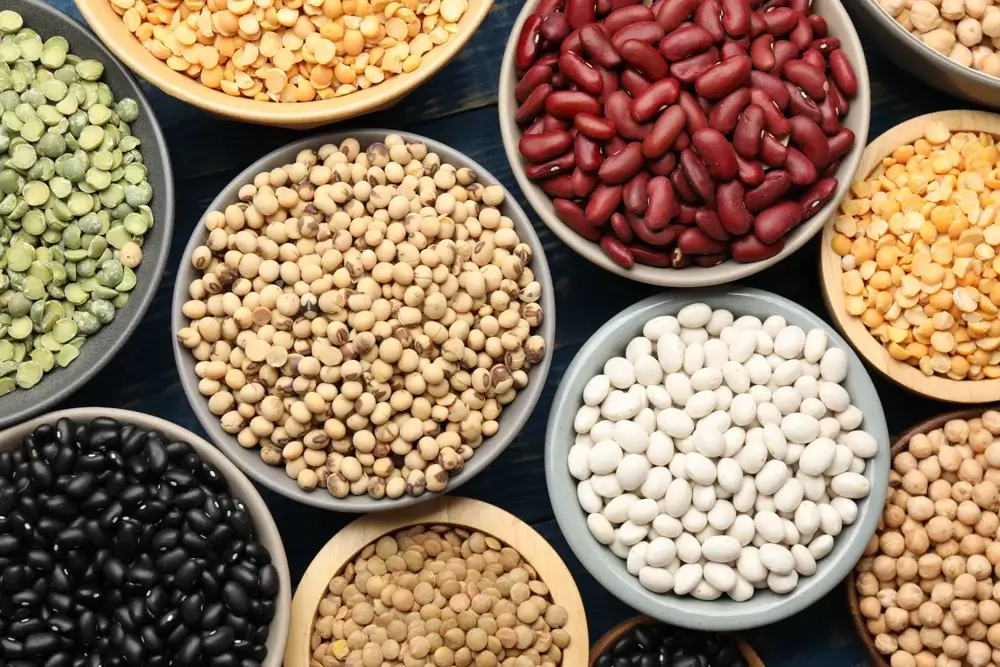
Legumes
- Chickpeas
- White beans
- Lentils
- Edamame
Grains
- Farro
- Quinoa
- Brown rice
- Orzo
- Whole-grain bread
- Rolled oats
Vegetables
- Spinach
- Kale
- Tomatoes
- Cucumbers
- Bell peppers
- Zucchini
- Eggplant
- Broccoli
- Brussels sprouts
- Asparagus
- Red onion
- Garlic
Fruits
- Figs
- Peaches
- Grapes
- Berries
- Pomegranate seeds
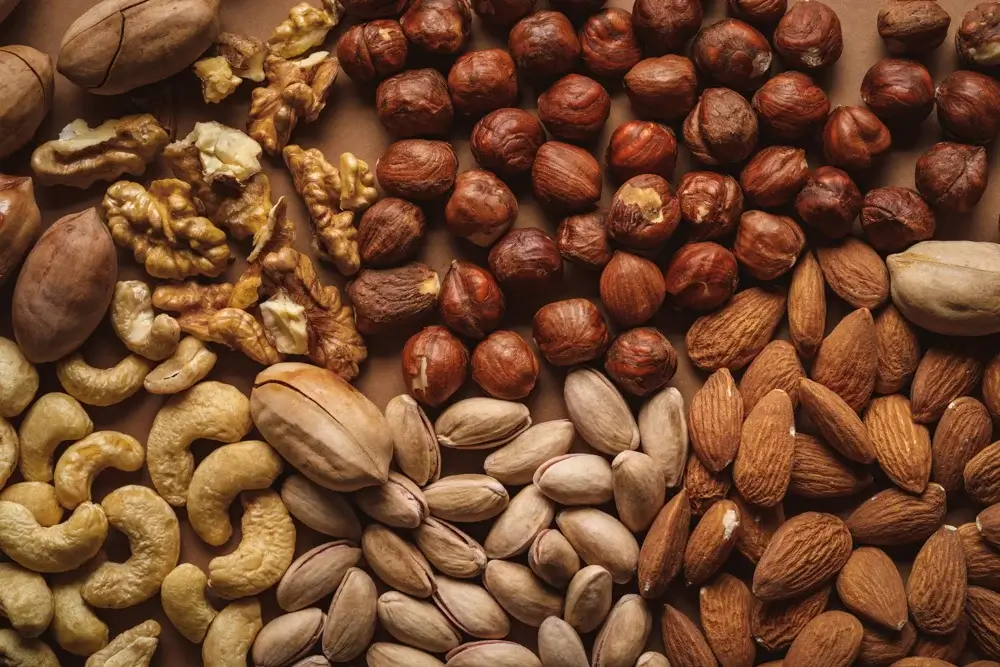
Nuts, Seeds, & Fats
- Walnuts
- Almonds
- Pistachios
- Chia seeds
- Extra virgin olive oil
- Tahini
- Almond butter
Pantry & Condiments
- Hummus
- Tzatziki
- Olives
- Capers
- Honey
- Whole-grain pita
Herbs & Spices
- Oregano
- Parsley
- Mint
- Lemon
- Paprika
A Few Ways to Keep Costs Down
- Buying fish and seafood fresh every week can really add up. If you’re on a tight budget, go for frozen. It’s just as nutritious and a lot easier on your pocket if you’re trying to save your coins.
2. Canned tuna, chickpeas, and white beans are some of the cheapest protein sources you’ll find, and they hold up pretty well in almost every recipe on this list. So make them staples in your kitchen.
3. Greek yogurt and eggs are also awesome sources of protein, versatile and most importantly, relatively cheap. So, make them a must-have in your kitchen.
I4. f you’re buying olive oil, tahini, or dried grains, go for the bigger container. These particular foods don’t spoil quickly, and buying in bulk almost always saves money in the long run. Economies of scale and all.
Frequently Asked Questions
Can you really get enough protein on a Mediterranean diet?
Yes, you can definitely make it possible. All you have to do is build meals around fish, legumes, eggs, and Greek yogurt while keeping portions reasonable. The above high-protein Mediterranean diet meal plan is all the proof you need that it’s absolutely possible to do high-protein on the Mediterranean diet. You definitely don’t need red meat or protein powders.
Is this meal plan good for building muscle?
Yes. Absolutely. This high-protein Mediterranean diet meal plan is a very solid foundation. When you combine hitting 120-140+ grams of protein daily with resistance training, this meal plan supports muscle maintenance and growth for most adults.
Do I need to eat exactly what’s listed each day?
Not at all. Feel free to swap meals between days or repeat favorites. The point is to build a sustainable pattern that actually works for your lifestyle, not to follow a boring, rigid script.
Is seafood necessary, or can I substitute it?
Seafood is a very big part of what makes the Mediterranean diet so effective and a favorite for most nutritionists. Still, if you don’t eat fish, you can substitute chicken, eggs, or additional legumes in most of these meals without losing a lot of protein.
Final Thoughts
This 14-day high-protein Mediterranean meal plan is proof that you don’t have to choose between eating for longevity and eating for strength and muscle building. With this plan, you get the heart-healthy, feel-good foundation of the Mediterranean diet, with just enough extra protein woven in to keep you full for hours on end, fueled for your workouts, and moving toward your goals.
If you’re actively building muscle in the gym and love the principles of the Mediterranean diet, you’ll love this meal plan for hitting your protein goals.
Give it a real shot for two weeks and see how you feel. I think you’ll be surprised at how easy (and delicious) it is to stick with.
Until the next one.
Want to make it an actual breeze to plan your meals? Grab our weekly meal planner spreasheet.
Weekly Meal Planner Spreadsheet with Automated Grocery List & Calorie Tracking
A simple all-in-one weekly meal planner spreadsheet to help you plan weekly meals, organize recipes, auto-generate grocery lists, and track calories and macros.