Hashimoto’s Diet: Foods to Eat, Foods to Avoid + 7-Day Meal Plan

Living with Hashimoto’s thyroiditis can often feel like a constant balancing act. I mean, you might be doing “everything right,” taking your medication, trying to eat well, getting through your day, yet still struggle with fatigue, brain fog, stubborn weight changes, and bloating.
It’s often this disconnect that sends people searching for answers through diet. Unfortunately, what most people usually find is a flood of conflicting advice that frequently leads to more confusion than clarity. Before long, eating starts to feel stressful and restrictive, the exact opposite of what you actually need.
The truth is, diet can be a powerful tool for managing Hashimoto’s symptoms. Indeed, a Hashimoto’s-friendly diet is all about learning how food interacts with your immune system, hormones, and gut, and using that information to support your body.
So, let’s get started and dig deeper into exactly what a Hashimoto’s Diet is, including foods you should eat, foods you should avoid, and a simple 7-day meal plan to get you started.
Remember, while our 7-day Hashimoto’s diet meal plan is a great starting point, you need a plan to stick to the Hashimoto’s diet week after week. And this is exactly why we created this Google Sheets Meal Planner. And it works with any diet or eating plan, not just the Hashimoto’s diet.

Weekly Meal Planner Spreadsheet with Automated Grocery List & Calorie Tracking
A simple all-in-one weekly meal planner spreadsheet to help you plan weekly meals, organize recipes, auto-generate grocery lists, and track calories and macros.
Living with Hashimoto’s
Hashimoto’s thyroiditis is not simply a thyroid problem; it’s an autoimmune condition. This means the immune system mistakenly identifies the thyroid as a threat and slowly attacks it over time.
As this ongoing immune response damages thyroid tissue, the gland becomes less efficient at producing hormones. Eventually, this can lead to hypothyroidism, where the body no longer makes enough thyroid hormone to meet its needs.
And because the thyroid plays a role in metabolism, energy production, digestion, temperature regulation, and hormone balance, even small disruptions can affect the entire body.
Hashimoto’s thyroiditis is one of the most common thyroid disorders in the USA.
Hashimoto’s symptoms can be wide-ranging and very unpredictable.
Most people experience:
- Persistent fatigue, even after a full night’s sleep.
- Brain fog, poor concentration, or memory issues
- Weight gain or difficulty losing weight
- Digestive issues like bloating or constipation
- Inflammation, joint pain, or puffiness.
What makes this even more frustrating is that symptoms don’t always disappear once you start medication.
Not to mention, many people who show symptoms aren’t given medication unless they have altered hormone levels.
Diet can play a very important role in managing Hashimoto’s. However, you should be careful. Online advice is often presented as absolute, which can leave you feeling like you’re failing.
A better approach is to look at Hashimoto’s diet as a supportive framework.
What a Hashimoto’s Diet is Designed to Do
There’s no specific diet plan that’s proven to actually treat Hashimoto’s disease. However, certain eating patterns can support the body in people living with Hashimoto’s.
A well-structured Hashimoto’s diet can:
- Reduce systemic inflammation -Chronic inflammation is common in autoimmune conditions. An anti-inflammatory diet can help reduce pain, swelling, and fatigue.
- Support thyroid hormone production and conversion- The thyroid relies on nutrients like selenium, zinc, iron, and adequate protein to produce and convert hormones effectively.
- Calm immune system overactivity – Certain foods can actually aggravate immune responses, while others help regulate them. Reducing immune stress may help lessen flare-ups over time.
- Improve gut health and nutrient absorption- The gut and immune system are deeply connected. Supporting the gut lining and microbiome may help reduce immune triggers and improve how well the body absorbs nutrients.
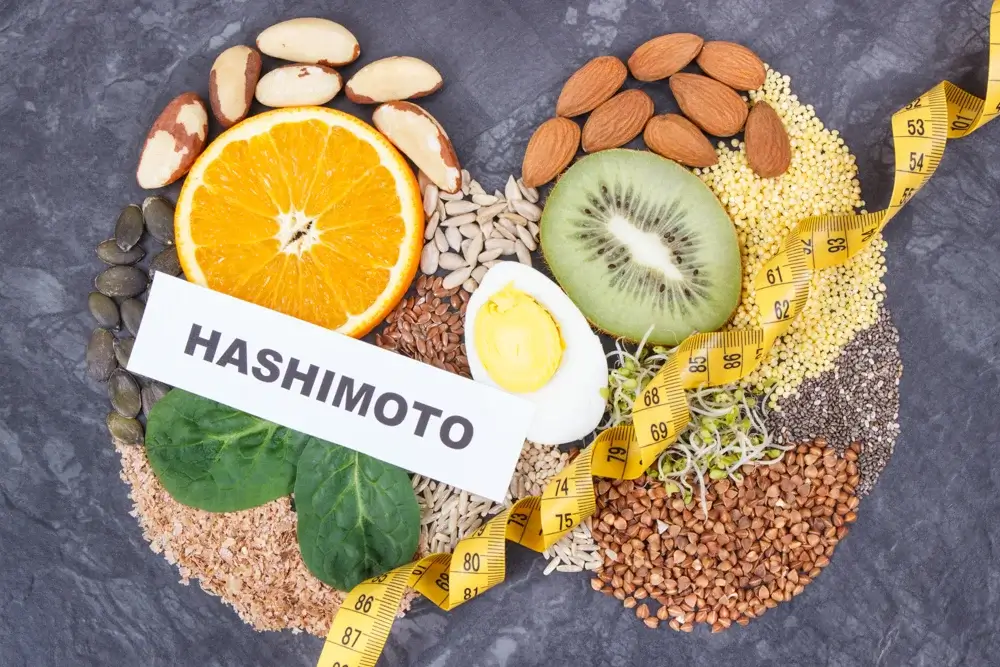
Core Principles of a Hashimoto’s Diet
- Focus on addition before restriction.
Instead of stressing yourself out with a long list of foods to cut out, prioritize adding nutrient-dense, whole foods that support your body. When your diet is rich in nourishing foods, problematic options often crowd themselves out naturally.
- Prioritize blood sugar balance.
Stable blood sugar helps regulate energy, mood, and hormones. Balancing your blood sugar often means pairing complex carbohydrates with protein and healthy fats, and avoiding long gaps between meals.
- Choose foods that support gut and immune health.
Go for fiber-rich vegetables, quality proteins, healthy fats, and fermented foods.
- Avoid extreme restrictions unless medically necessary
Unless your healthcare provider instructs you to follow a specific eating plan, overly restrictive diets can increase stress on the body, elevate cortisol, and sometimes actually worsen symptoms.

Foods to Eat on a Hashimoto’s Diet
The goal of the Hashimoto’s diet is to build meals around foods that help calm inflammation, support thyroid hormone production, and nourish your gut and immune system.
Before we get into the specific foods to eat on the Hashimoto’s diet, it’s super important to remember that consistency matters more than perfection. Planning your meals ahead can make it easier to;
- Avoid inflammatory foods.
- Stay balanced throughout the week
- Support stable energy levels
- Reduce decision fatigue.
You can use our Weekly Meal Planner Spreadsheet to do exactly that and more.

Weekly Meal Planner Spreadsheet.
Use this meal planner to make it easier to stick to Hashimoto’s-friendly foods and meals.
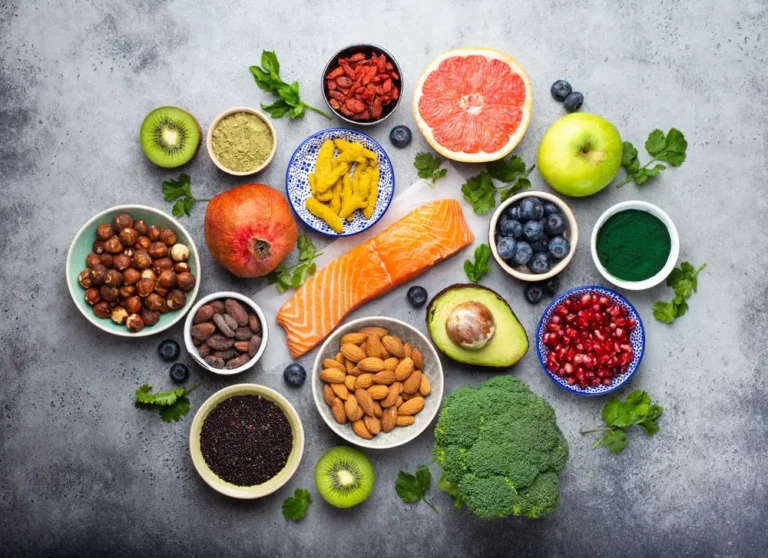
1. Anti-Inflammatory Foods
Chronic inflammation plays a central role in autoimmune conditions like Hashimoto’s.
Anti-inflammatory foods supply antioxidants, polyphenols, fiber, and healthy fats that help regulate immune activity and reduce oxidative stress.
Fruits
- Berries ( blueberries, raspberries, strawberries, blackberries)
- Citrus fruits ( oranges, grapefruit)
- Cherries, grapes, pomegranate
- Avocados
Vegetables
- Leafy greens (spinach, kale, arugula, Swiss chard)
- Root vegetables ( carrots, beets, sweet potatoes)
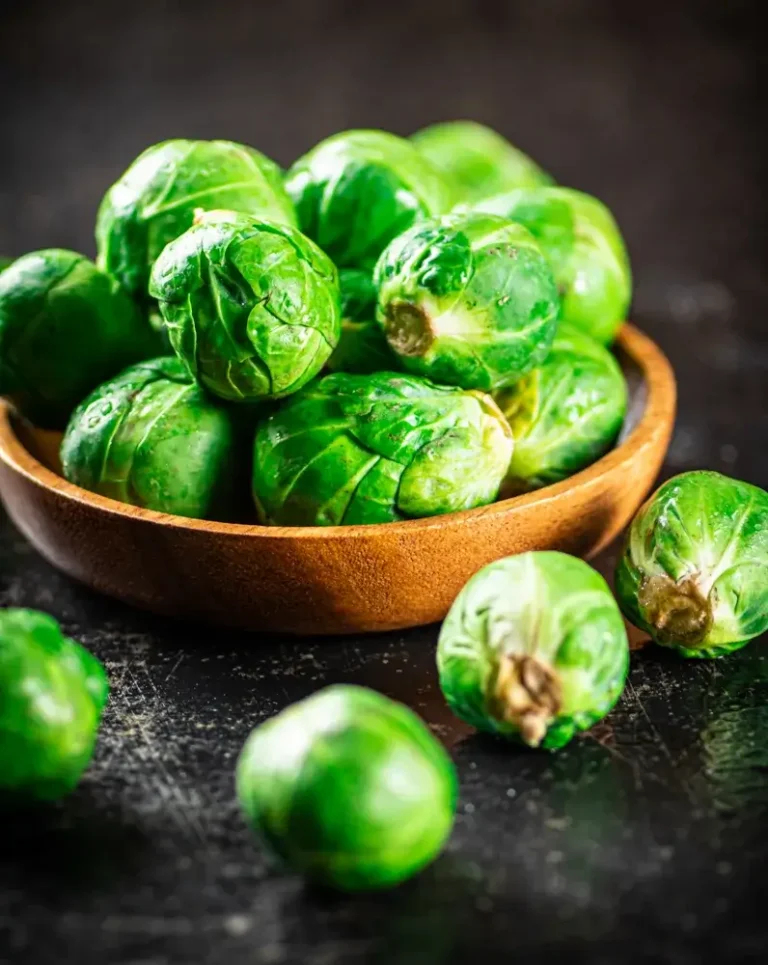
- Cooked cruciferous vegetables ( broccoli, cauliflower, Brussels sprouts)
Proteins
- Fatty fish( salmon, sardines, herring)
- Lean protein ( chicken, turkey, fish)
- Plant-based proteins ( lentils, beans, chickpeas, if tolerated)
Whole foods carbohydrates
- Brown rice
- Quinoa
- Buckwheat
- Gluten-free oats( if tolerated)
Healthy fats
- Extra-virgin oil
- Avocados
- Nuts and seeds
- Fatty fish
Related: 23 Best Anti-inflammatory Foods To Eat (Backed by Science)

2. Selenium-Rich Foods
Selenium is one of the most important minerals for thyroid health. It plays a very important role in protecting thyroid tissue from oxidative damage and helps convert inactive thyroid hormone (T4) into its active form (T3).
Adequate selenium intake has been linked to improved thyroid antibody levels in people with Hashimoto’s, making it especially important to include selenium-rich foods regularly.
Food sources
- Brazil nuts
- Tuna and sardines
- Shellfish
- Eggs
- Grass-fed beef
- Liver
Remember, selenium is best obtained from food rather than supplements unless otherwise advised by a healthcare professional.
Just one to two Brazil nuts a day can often meet daily selenium needs. You don’t need to overdo it. Excessive selenium intake can actually be harmful.

3. Zinc-Rich Foods
Zinc is essential for thyroid hormone synthesis, immune regulation, and cellular repair.
Low zinc levels may impair thyroid hormone production and worsen symptoms such as hair loss, fatigue, and poor immunity.
Animal-based sources
- Oysters
- Beef
- Poultry
Plant-based Sources
- Pumpkin seeds
- Lentils
- Beans
- Chickpeas
- Nuts and seeds

4. Guts-Supportive Foods
As I mentioned, the gut and immune system are closely connected, and gut health plays a major role in autoimmune conditions.
Supporting digestion and nutrient absorption can help reduce immune triggers.
Fiber-rich foods
- Vegetables
- Fruits
- Whole grains ( if tolerated)
- Legumes ( if tolerated)
Related: Best High-Fiber Foods (Soluble & Insoluble) + 7-Day Fiber-Rich Meal Plan
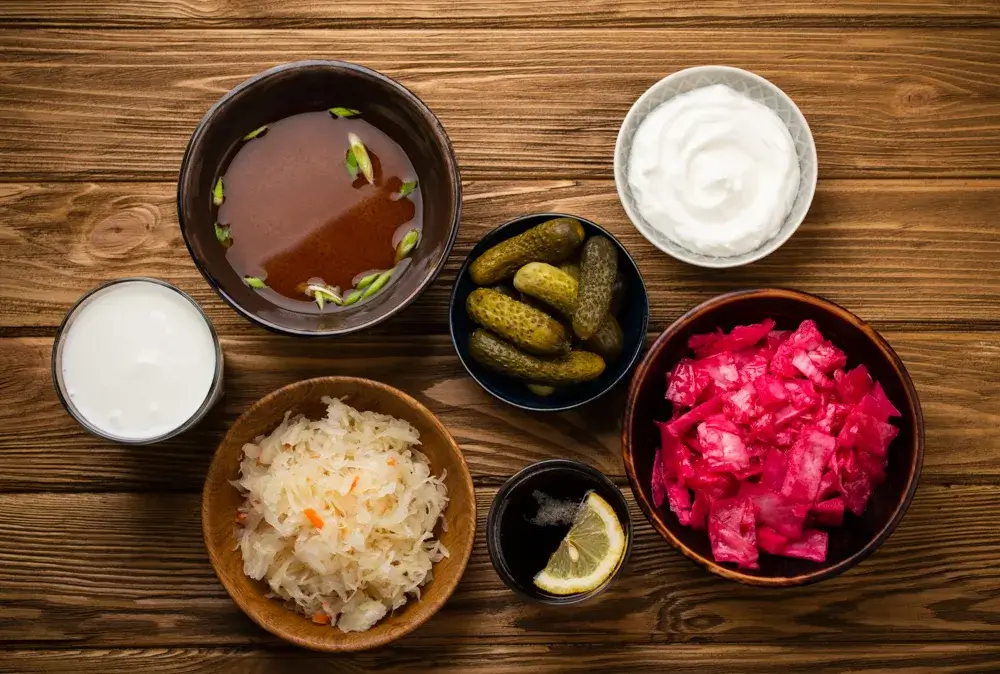
Fermented foods( based on tolerance)
- Sauerkraut
- Kimchi
- Coconut yogurt
- Kefir alternatives
Related: Top Fermented Foods and Their Benefits
Bone broth and collagen-rich foods
- Bone broth
- Collagen peptides
These may help support gut lining integrity and joint health for some people.
Foods To Avoid/ Limit on Hashimoto’s Diet
While some foods are commonly associated with flare-ups, tolerance differs; the goal here is awareness and personalization.
1. Gluten ( a common, but not universal, trigger)
People with Hashimoto’s have a higher likelihood of gluten sensitivity and celiac disease compared to the general population.
Gluten may increase intestinal permeability and immune activation in susceptible people.
A short-term gluten-free trial might be helpful if you experience:
- Digestive issues
- Persistent fatigue
- Brain fog
- Inflammation or joint pain
The simple take is, if symptoms improve, gluten may be a personal trigger. If not, long-term avoidance may not be necessary.

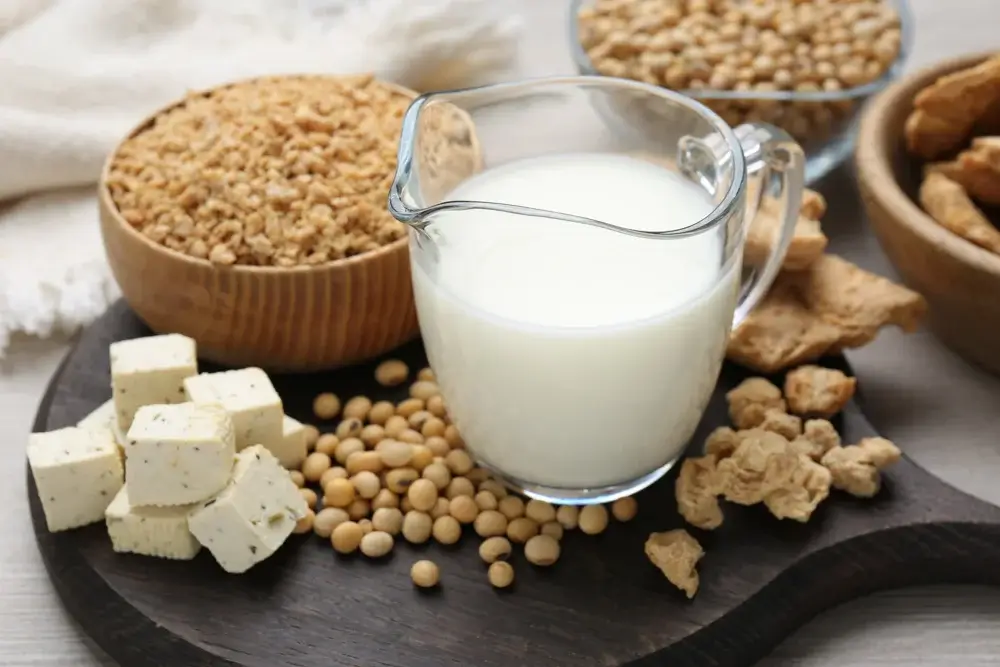
2. Dairy and Soy
Dairy
- Lactose intolerance is common.
- Some people react to dairy proteins like casein
- Symptoms may include bloating, skin issues, or inflammation
Soy
- Contains compounds that may interfere with thyroid hormone function in sensitive people.
- Maybe more problematic when iodine intake is low.
If symptoms persist after removing gluten, dairy, and soy are the next foods to test temporarily.
3. Goitrogenic Foods
Cruciferous vegetables ( broccoli, kale, cauliflower, Brussels sprouts) contain goitrogens, which can interfere with iodine uptake when eaten raw and in very large amounts.
You don’t have to cut them out completely, just remember:
- Cooking significantly reduces goitrogenic compounds
- Normal portions are unlikely to cause issues
- These vegetables are generally good for you; they’re highly nutritious and anti-inflammatory.

4. Highly Processed Foods and Added Sugars
Ultra-processed foods can increase inflammation, disrupt gut health, and cause blood sugar spikes followed by energy crashes.
Common foods to avoid include:
- Sugary snacks and beverages
- Fast foods and fried foods
- Refined breads and pastries
- Processed meats
- Most packaged convenience foods

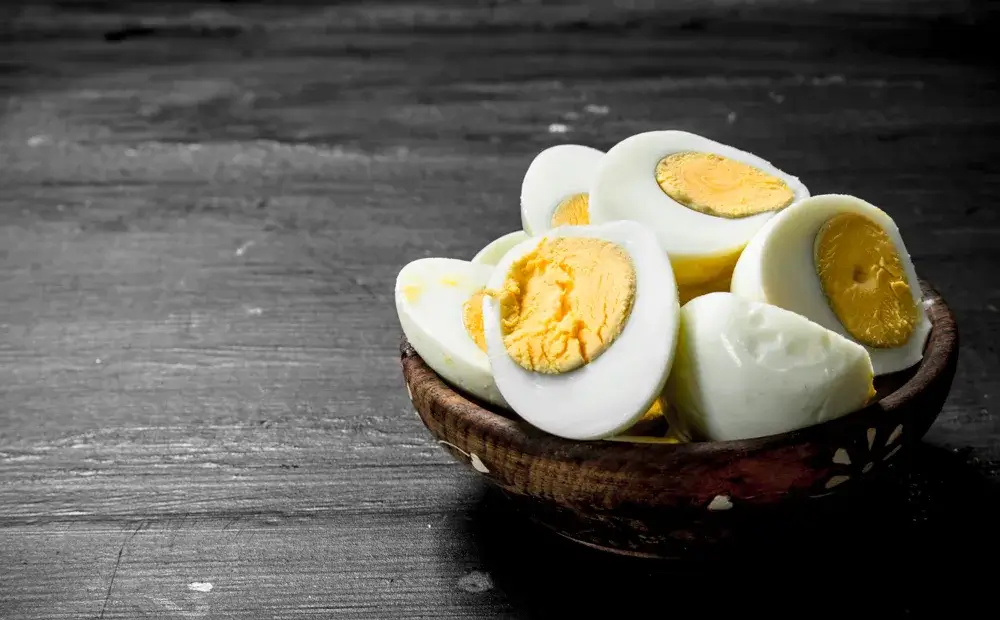
5. Eggs (Individual Sensitivity)
Eggs are nutrient-dense and beneficial to a lot of people. They’re one of the best sources of protein out there. However, some people with autoimmune conditions may be sensitive to egg proteins.
Remove eggs for 1-2 weeks and monitor symptoms to test tolerance.
Reintroduce slowly and observe how you feel, if no symptoms return, eggs can remain part of your diet.
6. Alcohol
Alcohol can:
- Increase inflammation
- Disrupt gut health
- Trigger histamine responses
- Add hidden sugars ( especially in cocktails)

7. Caffeine
Response to caffeine can really vary. Some people feel fine, while others experience increased anxiety, fatigue, or palpitations.
Tracking symptoms is the best way to determine whether caffeine supports or adversely affects your energy levels.
7-Day Hashimoto’s Diet Meal Plan
This 7-day meal plan is supposed to be a starting point; don’t assume it’s a rigid plan.
It focuses on whole, anti-inflammatory foods and avoids common triggers like gluten, soy, and dairy, but of course, everything here is customizable.
Please feel free to adjust it based on your preferences, sensitivities, and lifestyle.
You can swap proteins, rotate vegetables, and repeat meals you enjoy.
After all, no two people with Hashimoto’s respond to food in the same way.
Get Your 7-Day Hashimoto’s Diet Meal Plan
Enter your email below to receive your 7-day Hashimoto’s diet meal plan delivered to your inbox..

Want to turn this Hashimoto’s diet meal plan into a system you can actually follow every single week? I use this weekly meal planner spreadsheet to:
- Plan my meals for the week, breakfast, lunch, dinner, and snacks
- Automatically generate a grocery list
- Store and reuse my favorite recipes. You can store up to 800 recipes
- Track my calories and macros
- Organize my pantry, fridge, and freezer
- Reduce food waste and save money.
Get the Weekly Meal Planner Spreadsheet.
Weekly Meal Planner Spreadsheet with Automated Grocery List & Calorie Tracking
A simple all-in-one weekly meal planner spreadsheet to help you plan weekly meals, organize recipes, auto-generate grocery lists, and track calories and macros.
Beyond Food: Lifestyle Factors That Support Hashimoto’s
Of course, diet is a great starting point, but Hashimoto’s management works best when paired with supportive lifestyle habits.
Stress Management
Chronic stress can, unfortunately, overstimulate the immune system and worsen autoimmune flares.
Gentle nervous system regulation, like breathing exercises, journaling, or time in nature, can make a meaningful difference.
Related: A Holistic Approach to Stress Management for Well-Being
Sleep Quality
Poor sleep increases inflammation and disrupts hormone balance. Aim for 7-9 hours of quality sleep and prioritize consistent bedtimes.
Related: How to Practice Good Sleep Hygiene
Exercise
Make exercise that supports your body part of your daily routine.
- Gentle stress training
- Walking
- Yoga or pilates
- Swimming
Final Thoughts
If there’s one thing to take from this guide, it’s that managing Hashimoto’s is a long-term journey that looks unique to everyone.
Hashimoto’s diet can significantly improve your symptoms and boost your overall health. But every person is different, so you should make an effort to find a dietary plan that suits your needs.
Remember, diet should support your health, but it does not replace medical care or prescribed medication. In fact, for a personalized guide, you should work with a registered dietitian experienced in autoimmune conditions.
Make Your Hashimoto’s Diet Easier to Stick To
Planning your meals ahead of time can make managing Hashimoto’s symptoms far more sustainable.
This Weekly Meal Planner Spreadsheet helps you organize your meals, generate grocery lists automatically, track macros and calories, and reuse your favorite recipes, all in one place.
Weekly Meal Planner Spreadsheet with Automated Grocery List & Calorie Tracking
A simple all-in-one weekly meal planner spreadsheet to help you plan weekly meals, organize recipes, auto-generate grocery lists, and track calories and macros.