30-Day Mediterranean Diet Meal Plan for Beginners
If you’ve been thinking about trying the Mediterranean diet but weren’t sure where to actually start, you’re in the right place. This 30-day Mediterranean diet meal plan is built specifically with beginners in mind, so there’s absolutely no guesswork and no super fancy ingredients you can’t find.
The Mediterranean diet is consistently ranked as one of the healthiest eating patterns in the world. And for good reason.
Indeed, the Mediterranean diet is tied to better heart health, sharper brain function, easier weight management, and a lower risk of chronic disease. But more than any of that, it’s just a genuinely enjoyable way to eat.
This isn’t a diet built on deprivation. Not at all. It’s all about a whole-foods lifestyle inspired by the traditional way people eat in countries along the Mediterranean Sea, such as Greece, Italy, and Spain.
It is really simple. Instead of counting every single calorie or worse, cutting out entire foods, the Mediterranean diet is all about whole ingredients, balance, and, most importantly, actually enjoying your meals. That’s the main reason the Mediterranean diet is my absolute favorite eating plan, and why I think it’s one of the easiest healthy diets to actually stick with long-term.
Below, you’ll find a full 30-day Mediterranean diet meal plan, plus everything a beginner needs to know before getting into the Mediterranean diet. Learn the Mediterranean diet basics, get a full Mediterranean diet grocery list, and grab some awesome money-saving tips.
What Is the Mediterranean Diet, Exactly?
Before we get started, want to turn this 30-day Mediterranean diet meal plan into an easy weekly routine?
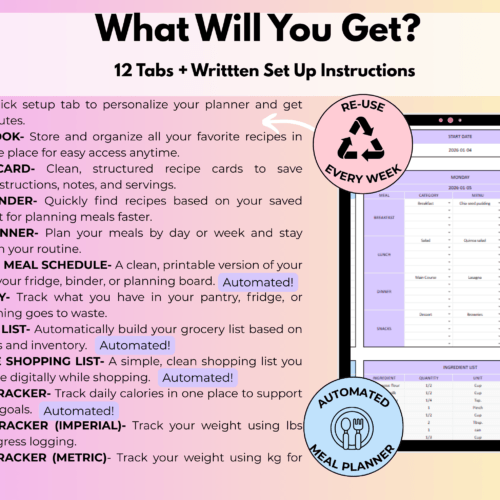
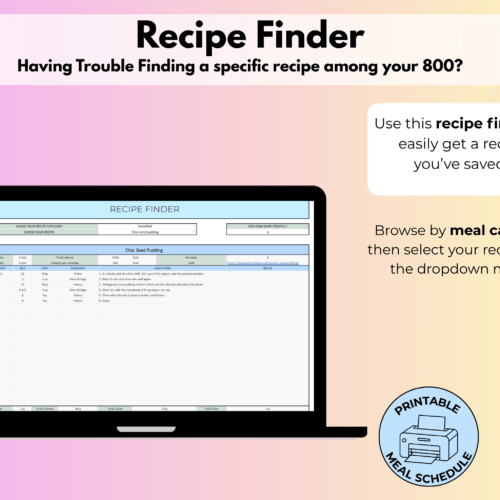
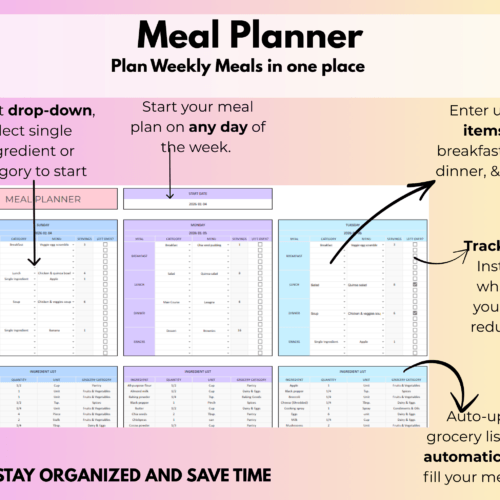
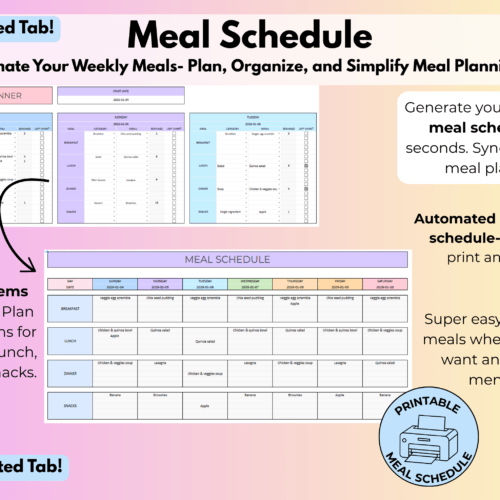
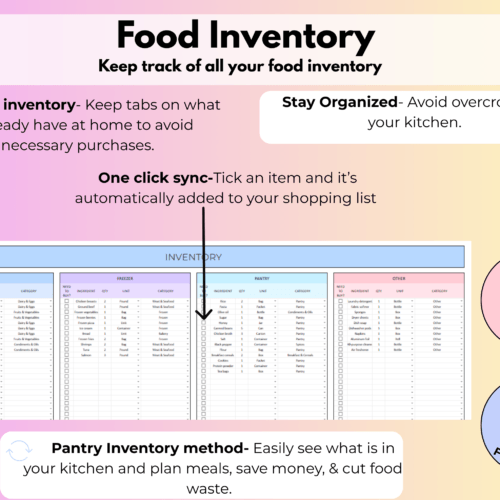
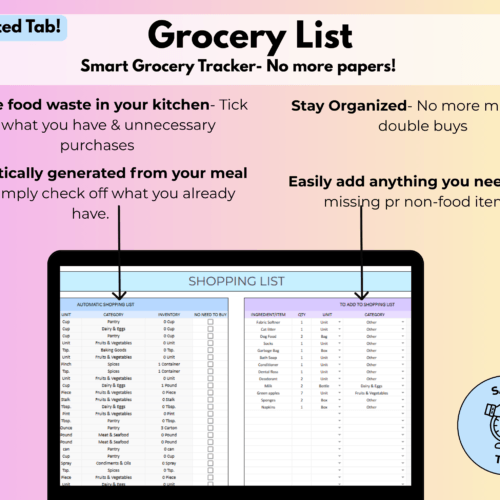
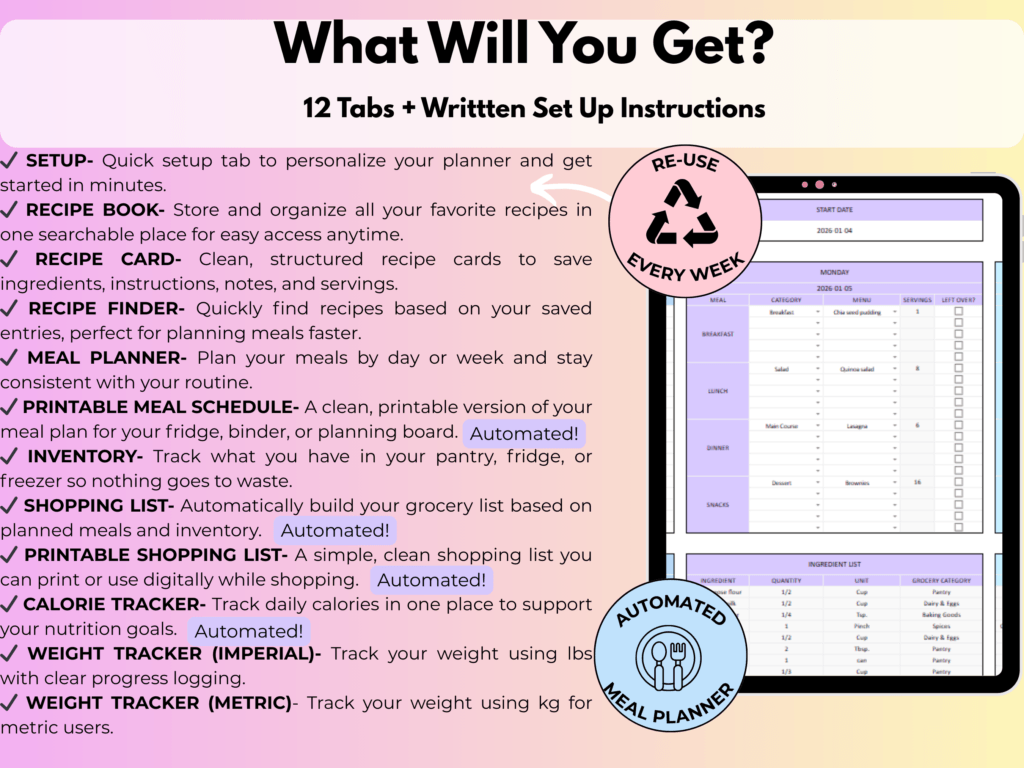
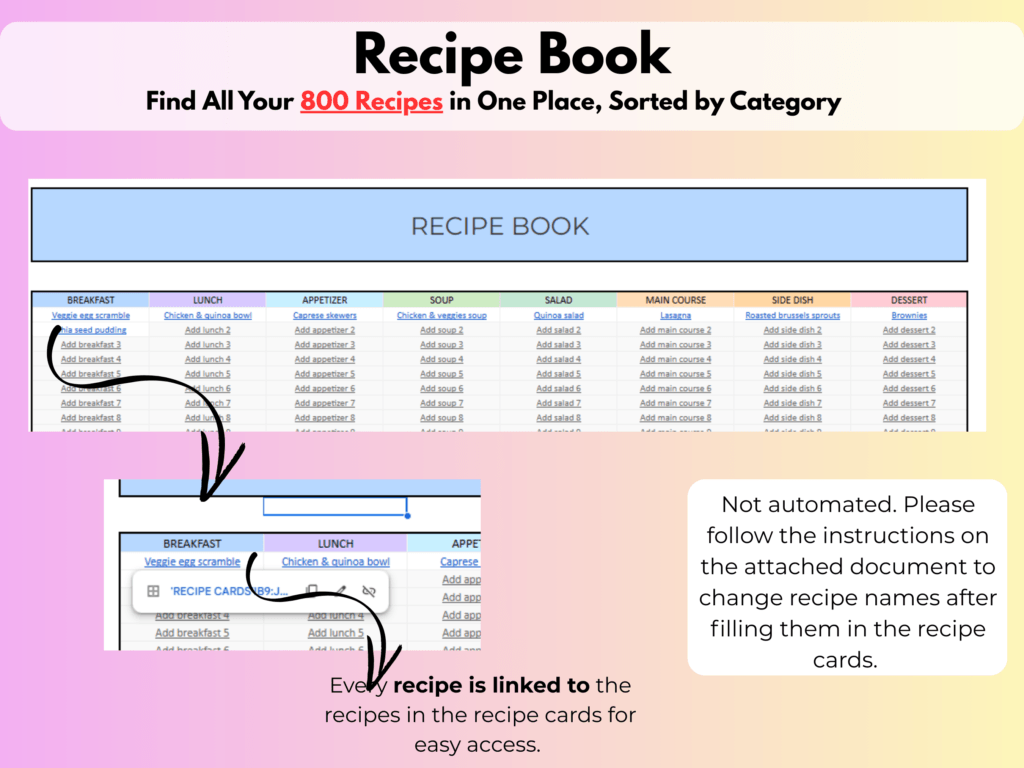
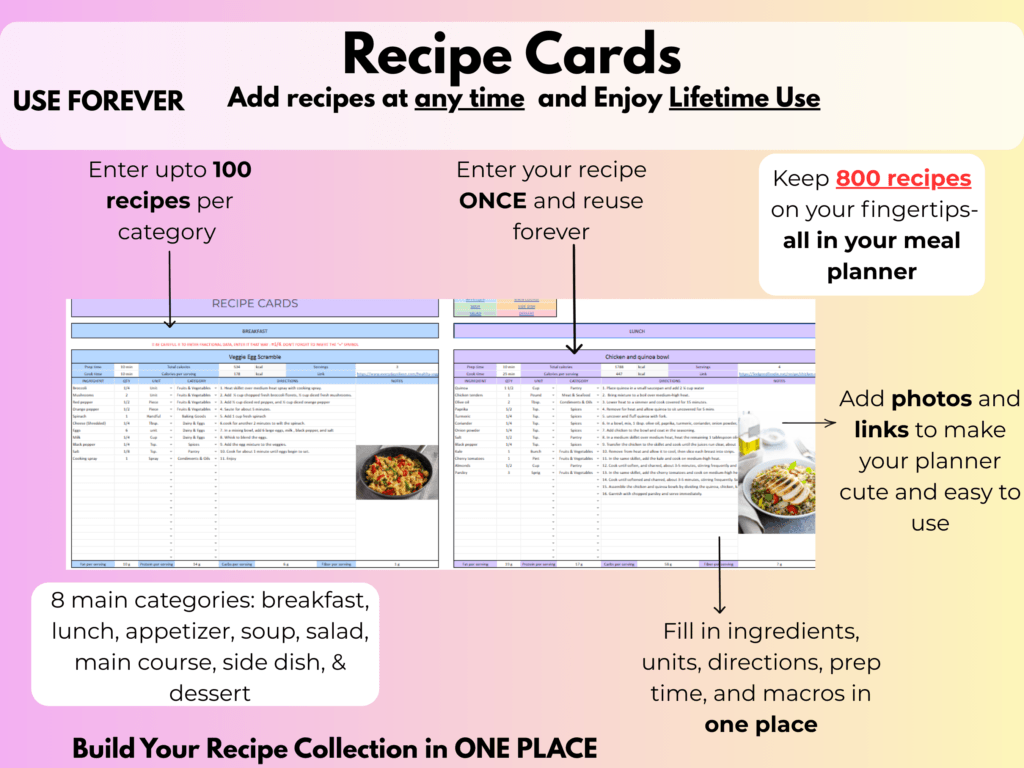
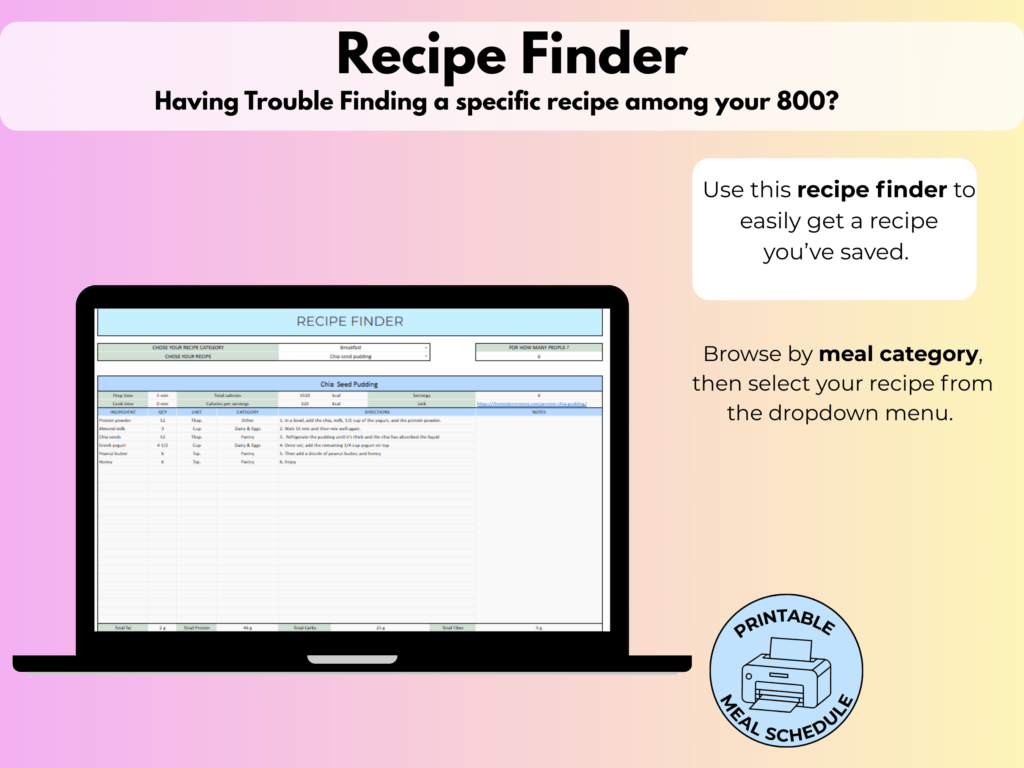
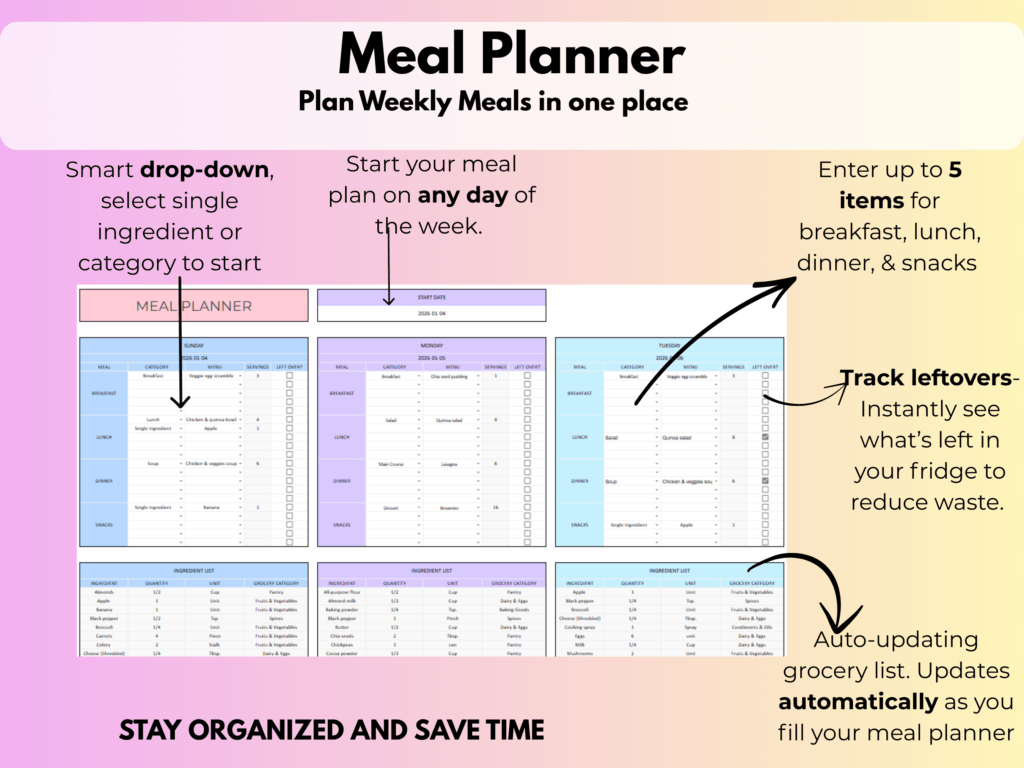
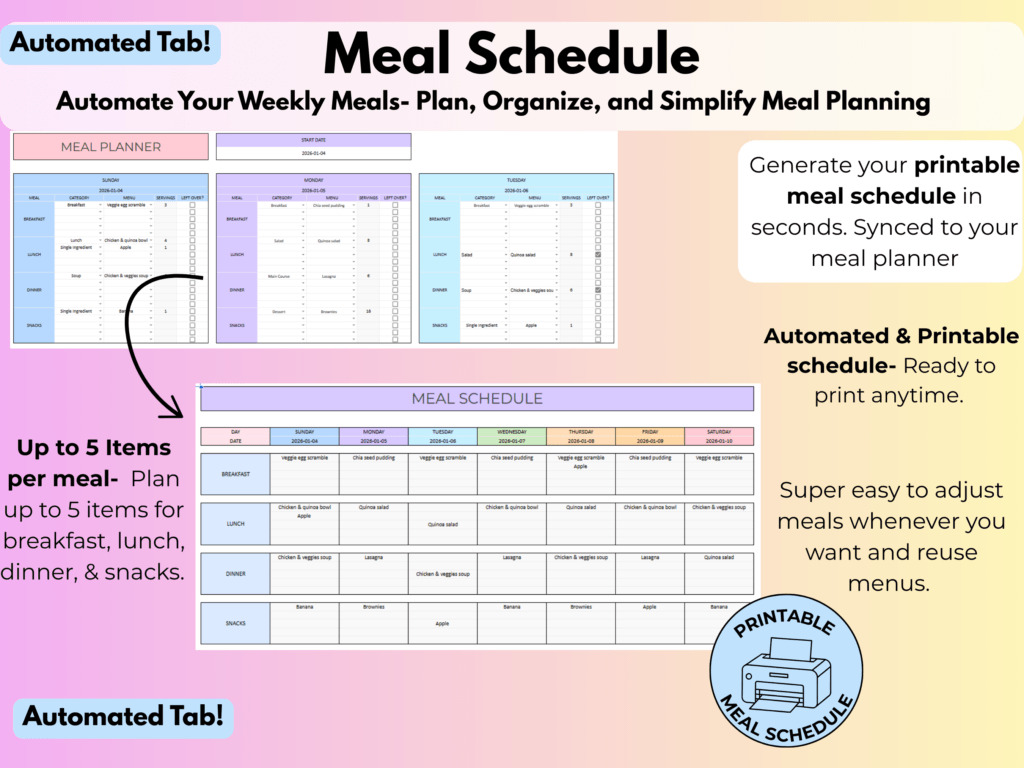
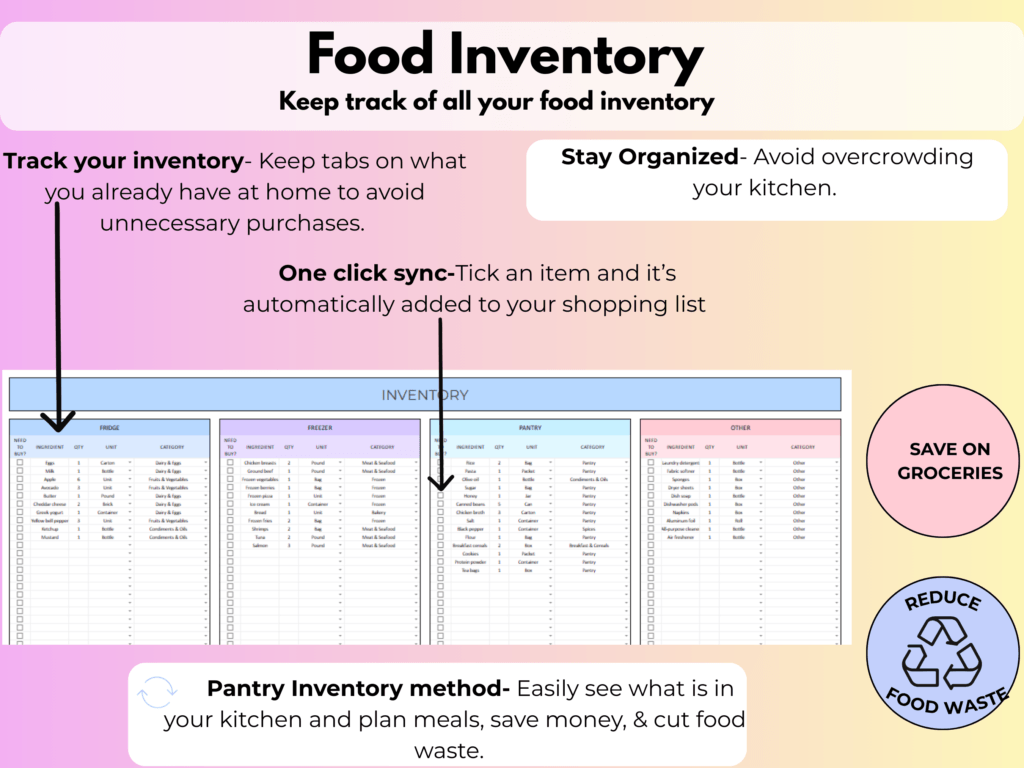
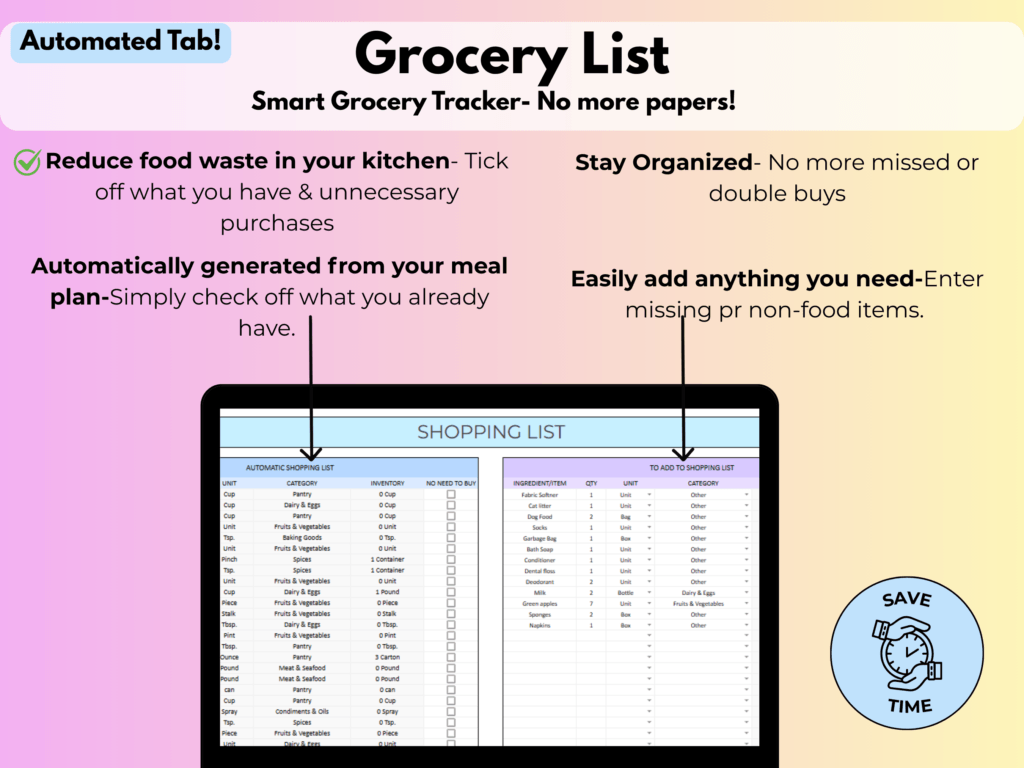
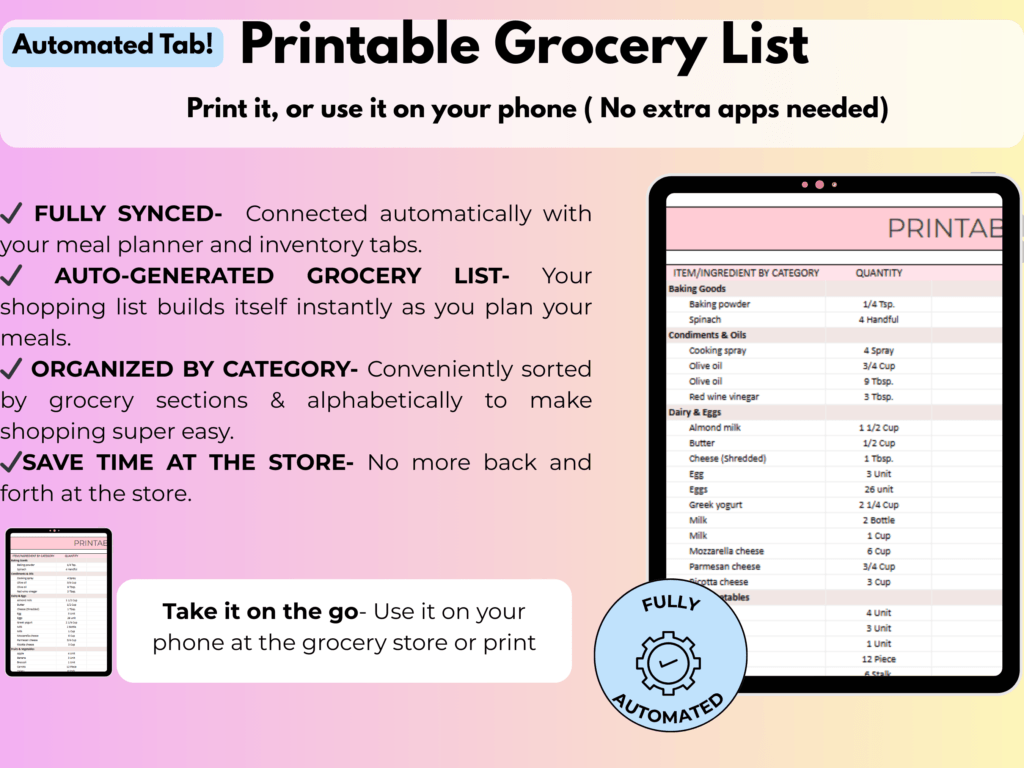
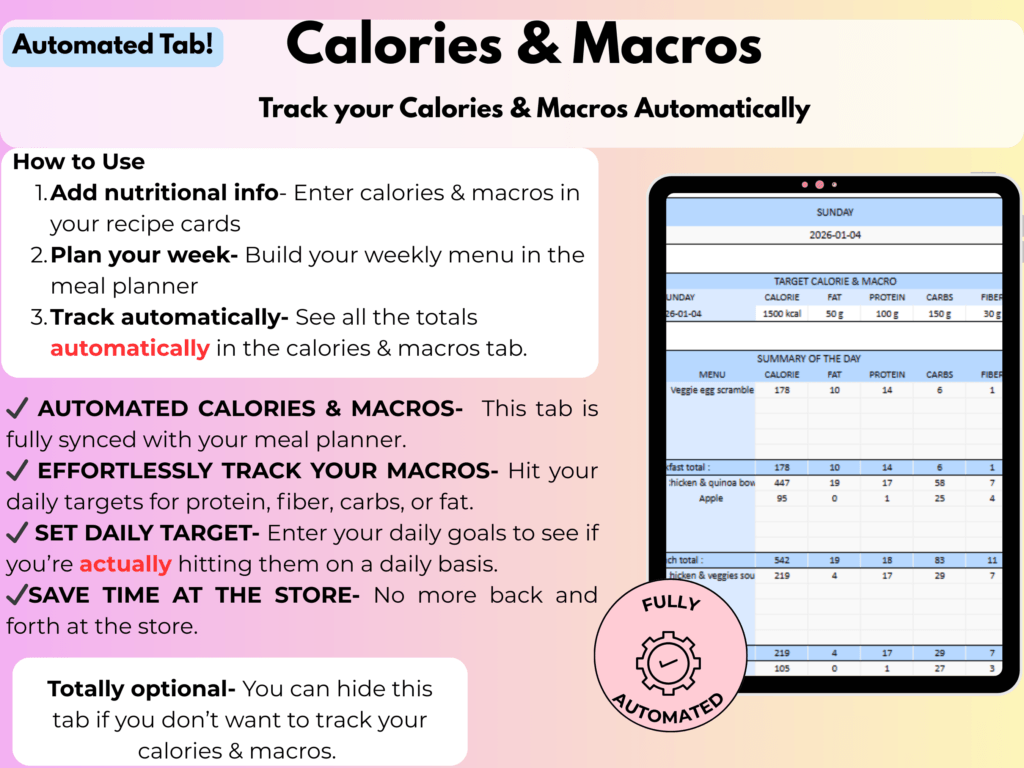
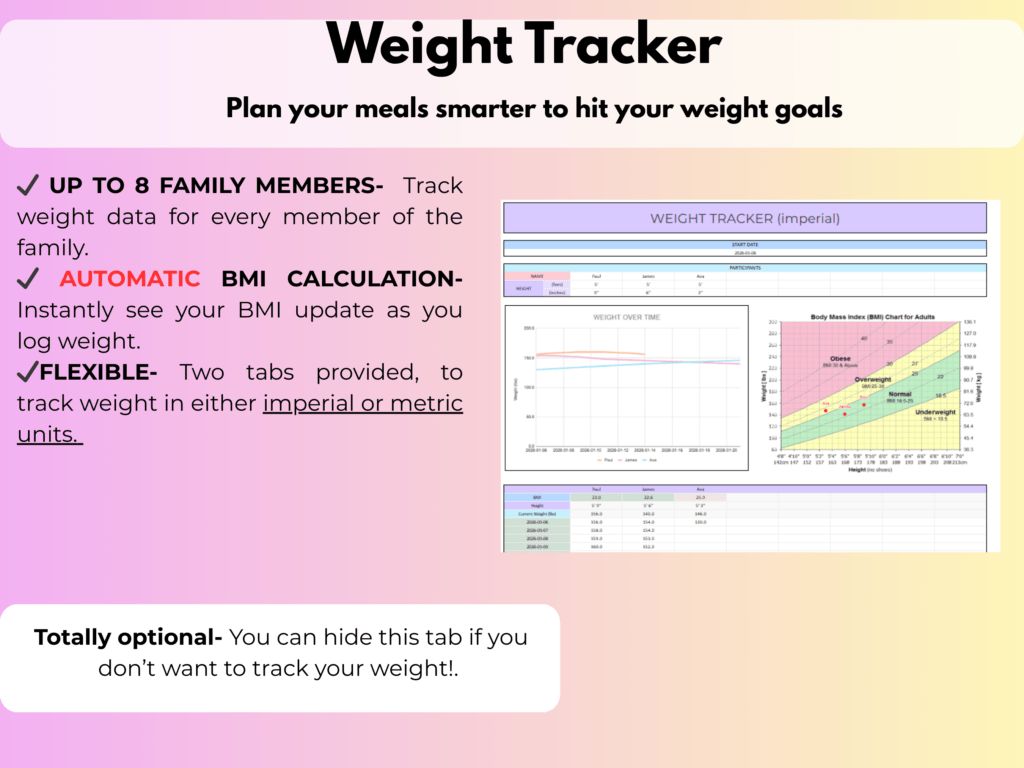
Our weekly meal planner Google Sheets can help you plan your meals, keep track of your recipes, automatically generate and print your grocery list, and track calories, macros, and weight, if you want to. You can also manage what is in your fridge, pantry, and freezer to reduce food waste and save money on groceries.
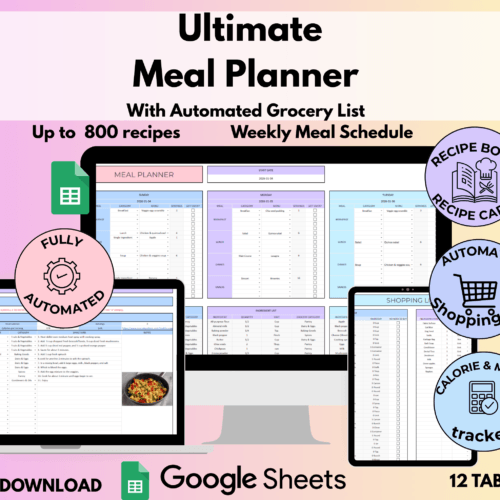
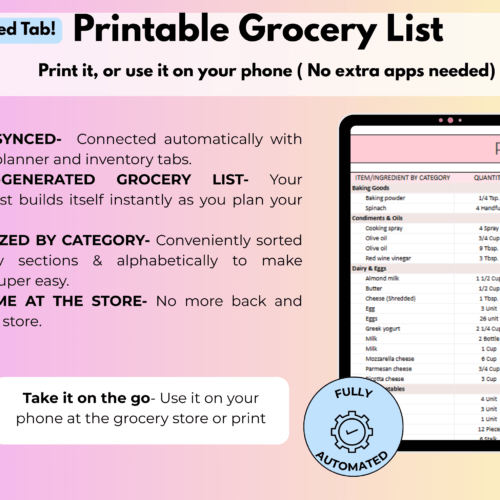
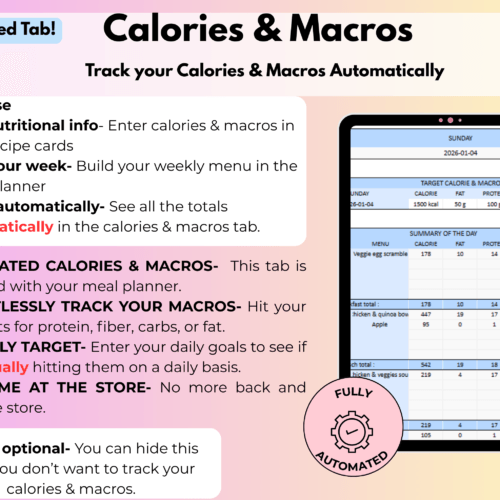
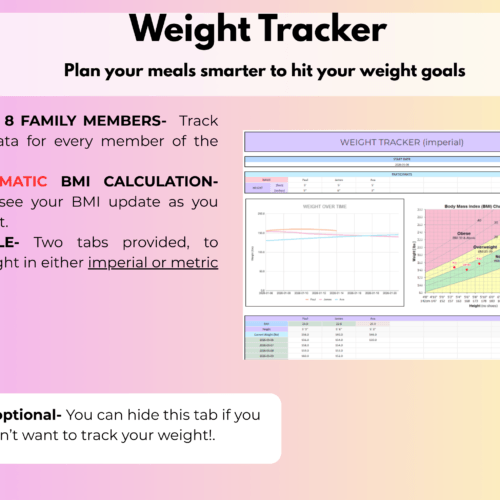
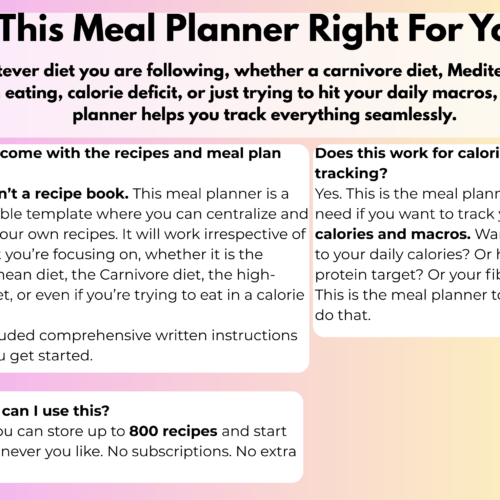

Weekly Meal Planner Spreadsheet with Automated Grocery List & Calorie Tracking
A simple all-in-one weekly meal planner spreadsheet to help you plan weekly meals, organize recipes, auto-generate grocery lists, and track calories and macros.
The Mediterranean diet isn’t a diet in the traditional sense at all. There’s no strict rulebook, and nobody’s going to hand you a list of foods you can never touch again.
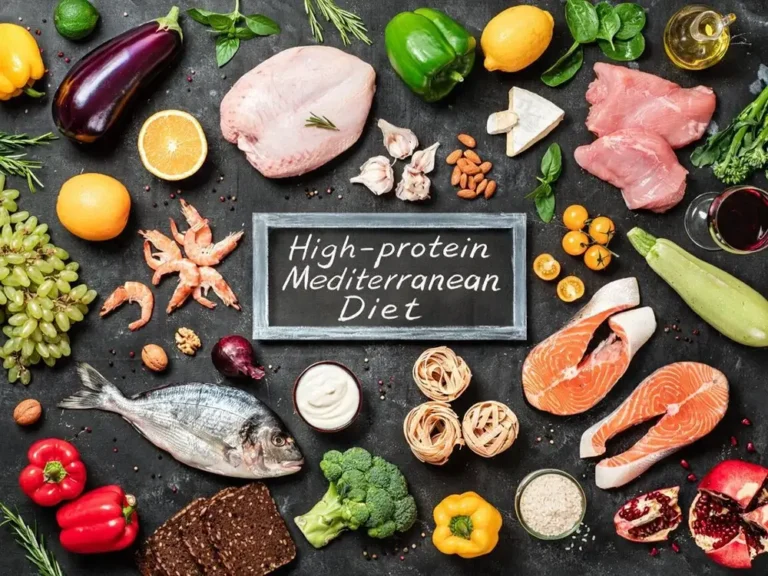
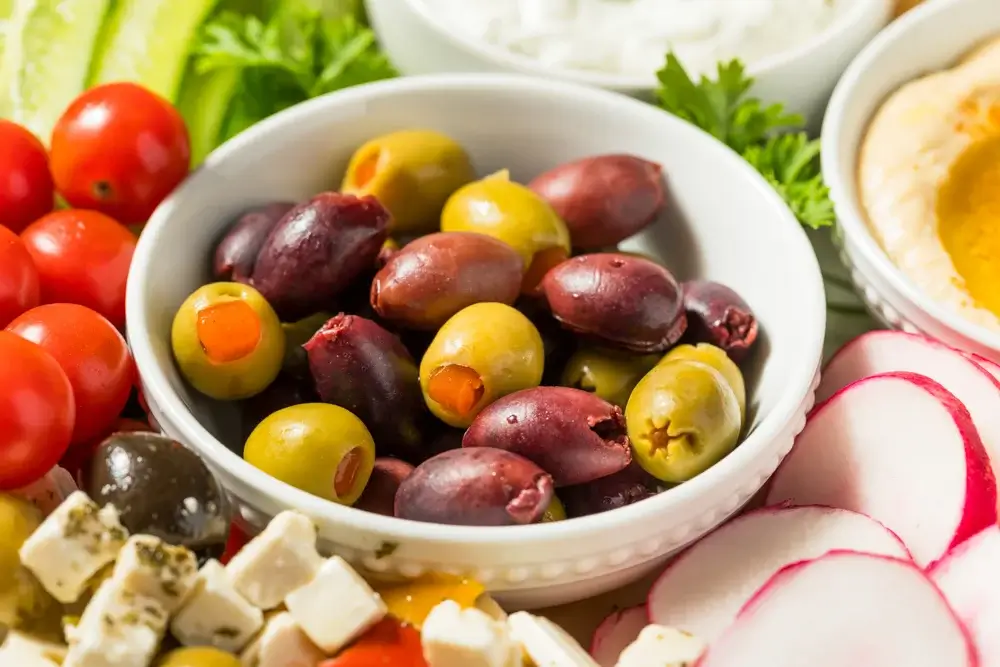
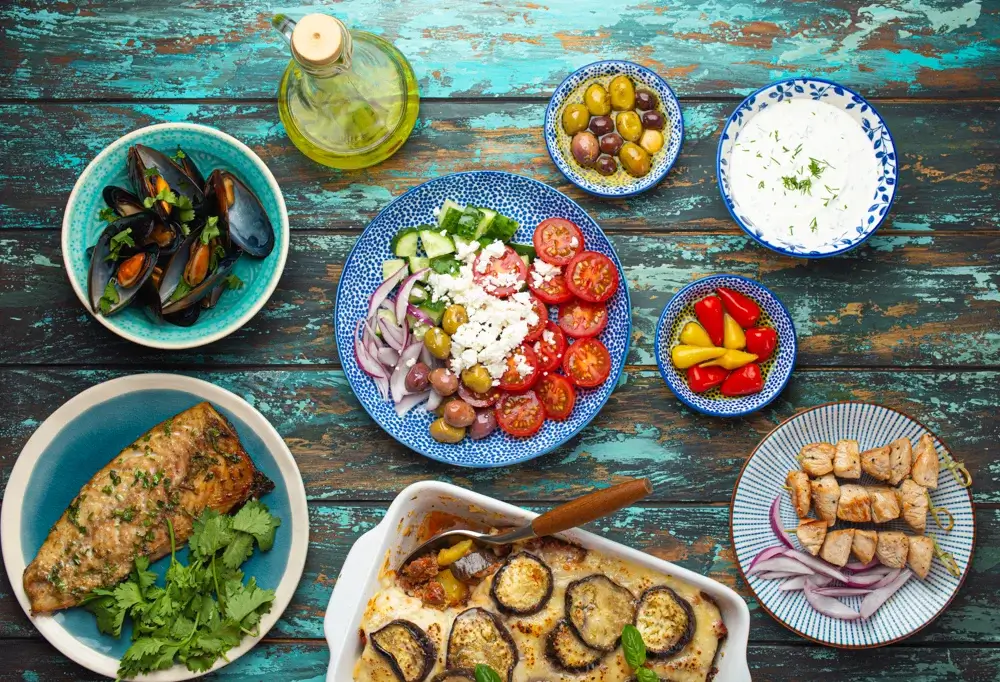
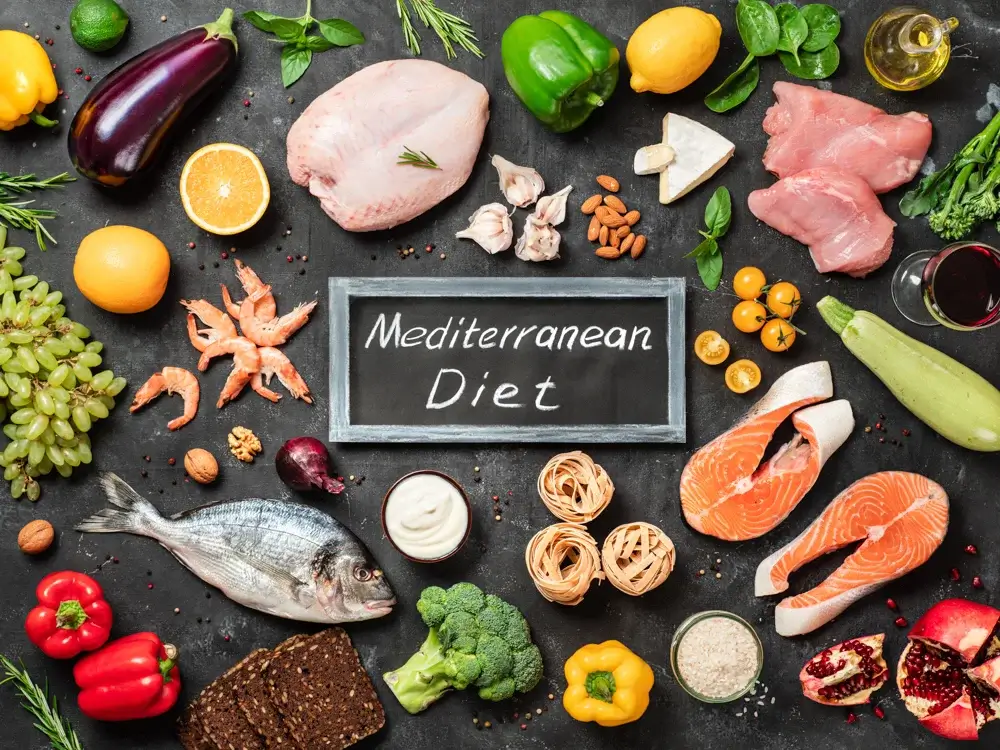
It’s simply an eating pattern built around whole, minimally processed foods: vegetables, fruits, whole grains, legumes, nuts, seeds, olive oil, and fish, with poultry, eggs, and dairy enjoyed in moderation and red meat kept to a minimum.
Because it’s flexible by design, the Mediterranean diet works for pretty much any lifestyle, budget, or cooking skill level. That’s exactly why it’s such a great fit for an absolute beginner.
Why the Mediterranean Diet Is Worth Trying
There’s a reason this diet keeps landing at the top of “best diets” lists year after year. Here’s what makes it stand out:
It’s genuinely delicious– Between the olive oil, fresh herbs, ripe produce, and good bread, this is not a diet where you’re eating bland chicken and steamed broccoli every night, far from it.
It’s social– In Mediterranean culture, meals are meant to be shared. Sitting down with family or friends over a good meal is part of the whole lifestyle. It’s not and shouldn’t be an afterthought.
It’s flexible– There’s no forbidden food list here. You can enjoy just about anything in moderation, which makes this diet sustainable in a way a lot of trendy diets simply aren’t.
It supports your health long-term– Research consistently links the Mediterranean diet to a lower risk of heart disease, type 2 diabetes, and cognitive decline, along with easier, more sustainable weight management. Health-wise, it’s among the best eating plans out here.
It slows you down– At its heart, this diet is about appreciating food and the people you share it with, instead of rushing through meals or eating on autopilot. And we could all use a little bit of slowing down.
Mediterranean Diet Basics Every Beginner Should Know
Before getting into the 30-day Mediterranean diet meal plan, here are the core principles that make the Mediterranean diet actually work:
Load up on produce. Aim for at least five servings of fruits and vegetables a day. Basically, fruits and vegetables should make up the bulk of your plate.
Choose whole grains over refined ones. Go for things like quinoa, farro, brown rice, and whole-grain bread or pasta instead of the white, refined versions.
Make olive oil your go-to fat. Olive oil, avocado, nuts, and seeds should show up often. These healthy fats are a cornerstone of the Mediterranean diet.
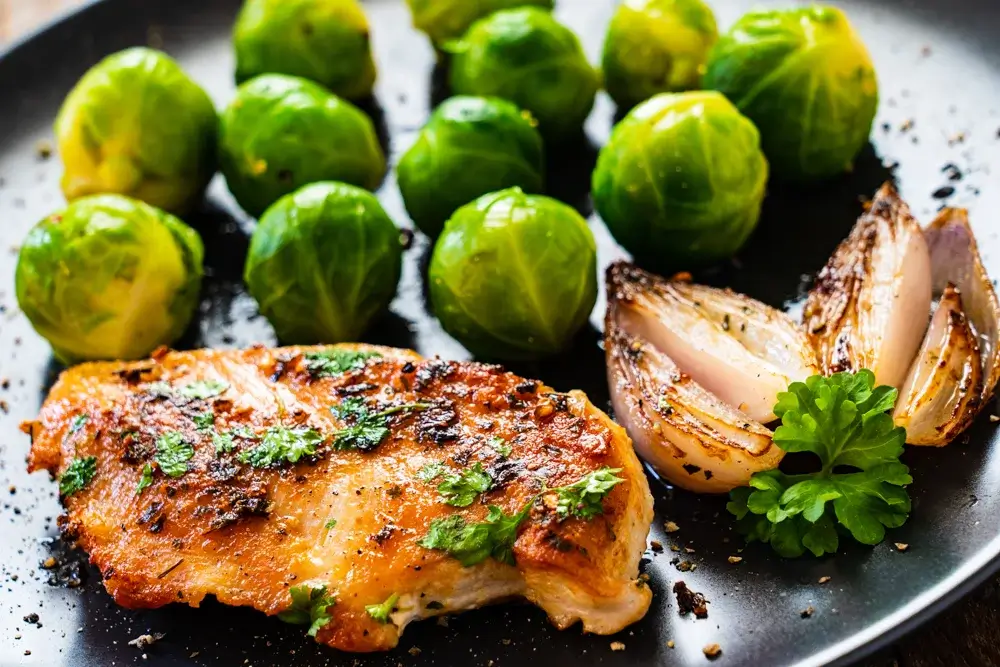
Prioritize lean protein and fish. Fish, poultry, beans, and lentils should be your go-to protein source rather than red meat.
Keep dairy moderate. Yes, a little cheese and yogurt are occasionally welcome. Just try not to build every meal around dairy.
Season generously. Fresh herbs and spices add tons of flavor without adding anything you need to worry about. It’s a simple win-win.
Cut back on ultra-processed foods and sugary drinks. This is really the only “rule” that matters most. And it shouldn’t be that hard to stick it out since you have a ton of delicious alternatives.
Limit red meat. You don’t need to eliminate it, just don’t let it be on your plate every single day.
Eat slowly and eat with people you love whenever you can. This diet is as much about how you eat as what you eat.
Related: Mediterranean Diet Food List for Beginners

Your 30-Day Mediterranean Diet Meal Plan
This plan is designed to be completely beginner-friendly. The meals lean on simple-to-prep and easy-to-find ingredients.
Please don’t feel restricted. The Mediterranean diet is the furthest thing from a restrictive diet. Feel free to swap meals around and repeat your favorites.
Week 1
Day 1
Breakfast: Greek yogurt topped with sliced peaches, chia seeds, and a drizzle of honey
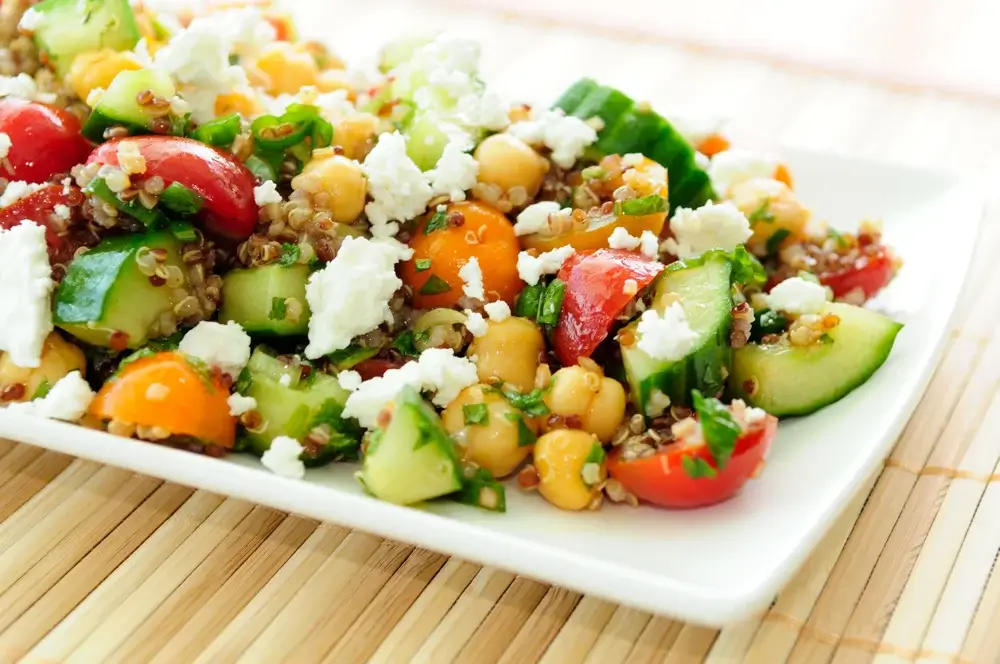
Lunch: Quinoa salad with cucumber, cherry tomatoes, chickpeas, and lemon-olive oil dressing
Dinner: Baked cod with roasted asparagus and a side of farro
Snack: Handful of almonds and a small orange
Day 2
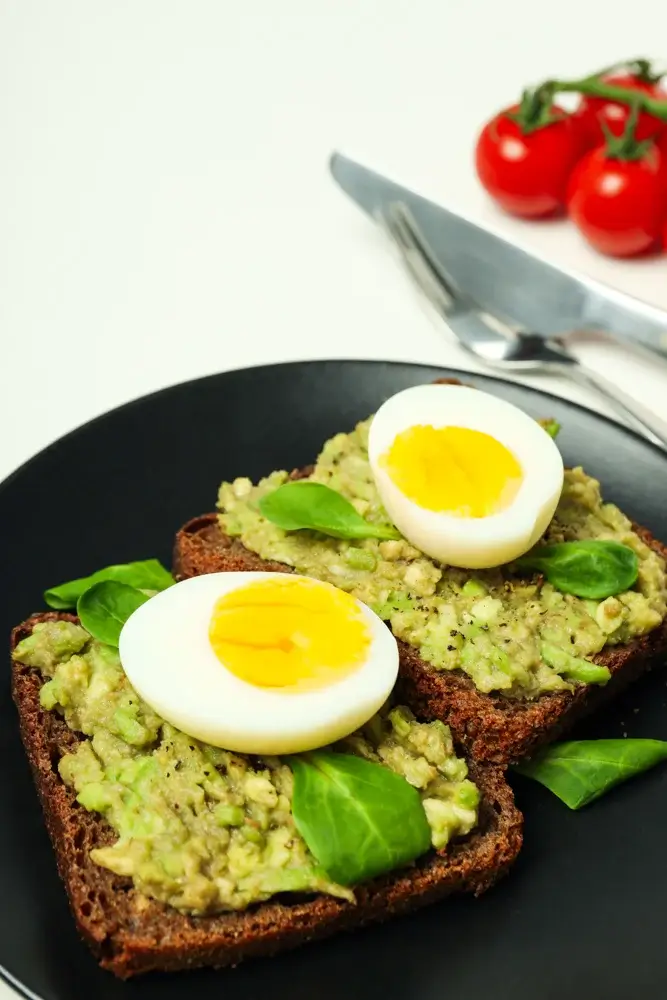
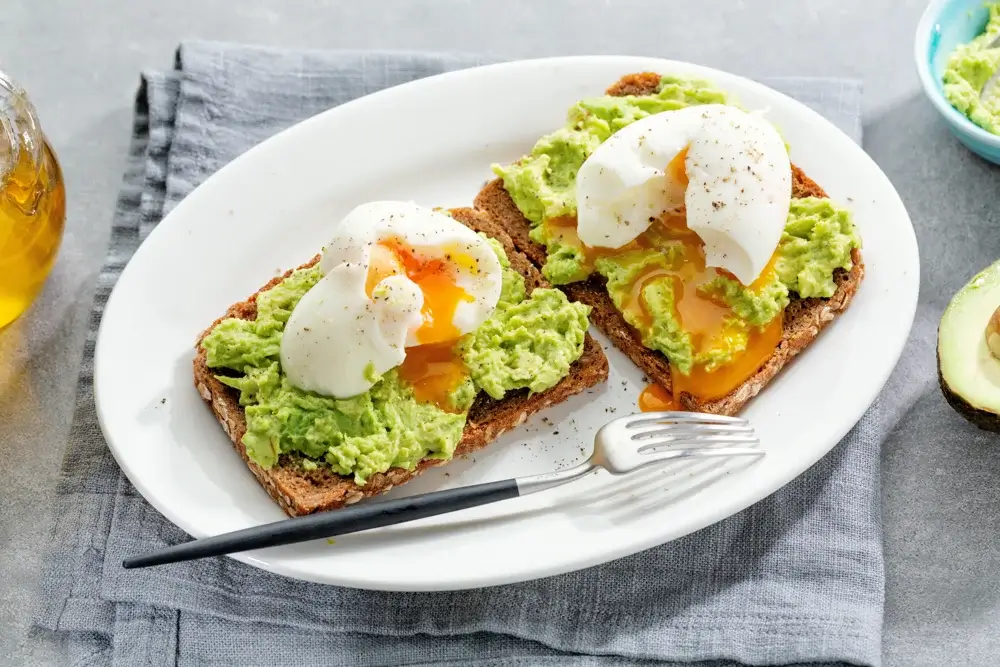
Breakfast: Whole-grain avocado toast and a soft-boiled egg
Lunch: White bean and vegetable soup with a slice of crusty whole-grain bread
Dinner: Grilled chicken skewers with a Greek salad
Snack: Sliced pear with a spoonful of almond butter
Day 3
Breakfast: Overnight oats topped with berries, cinnamon, and walnuts
Lunch: Falafel wrap with tahini sauce, lettuce, and tomato
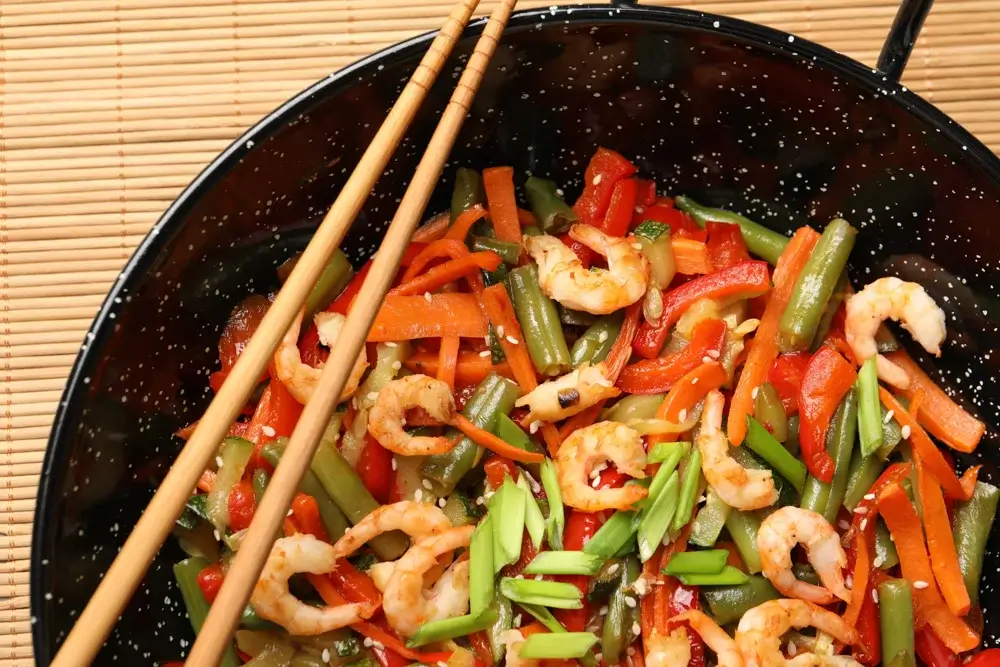
Dinner: Shrimp and vegetable stir-fry served with brown rice
Snack: Cottage cheese topped with sliced cucumber
Day 4
Breakfast: Veggie omelet made with feta, spinach & bell peppers
Lunch: Lentil salad with roasted red peppers and parsley
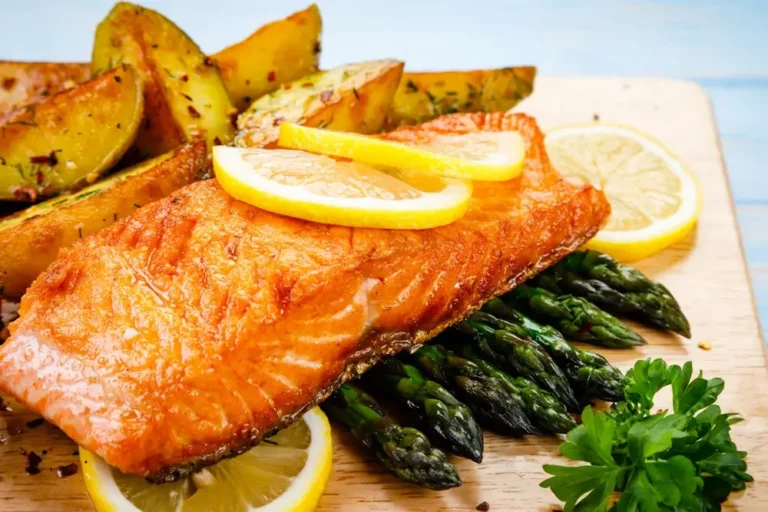
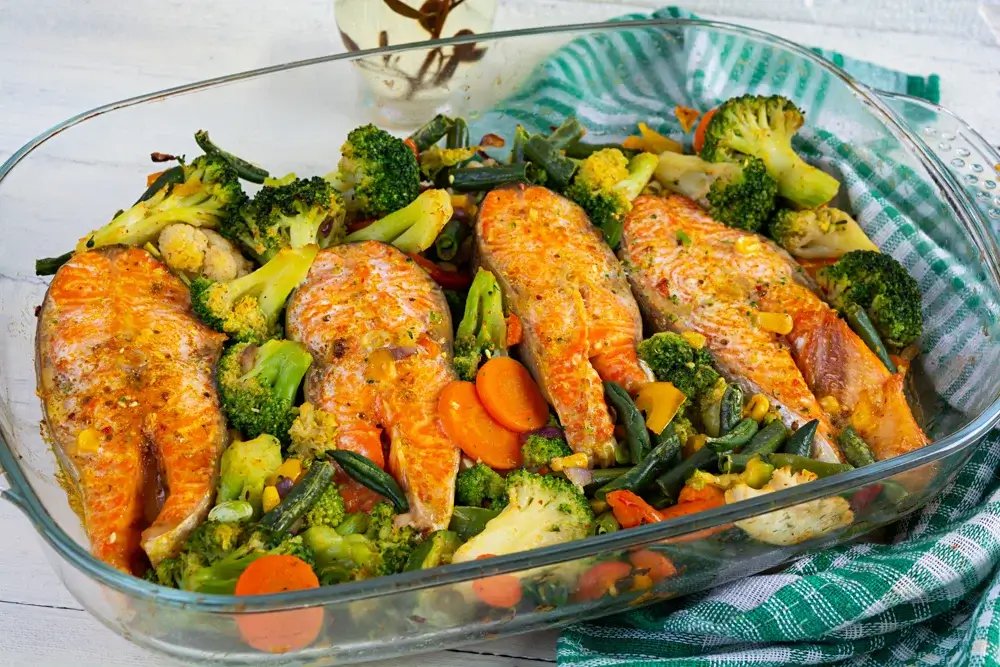
Dinner: Baked salmon with lemon, roasted Brussels sprouts, and quinoa
Snack: A handful of olives and whole-grain crackers
Day 5
Breakfast: Smoothie made with spinach, frozen mango, Greek yogurt, and flaxseed
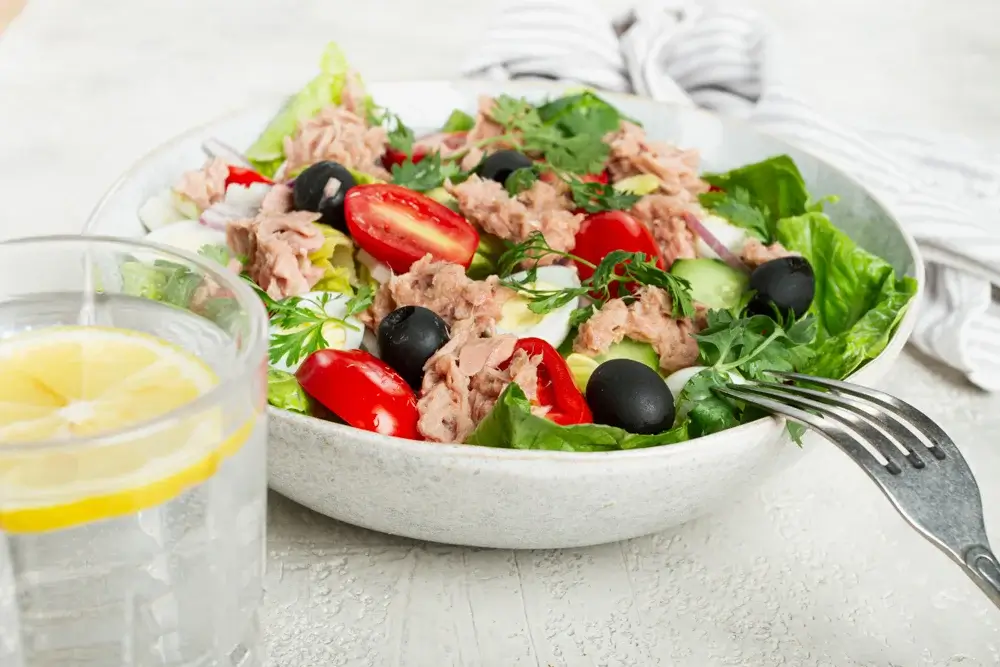
Lunch: Mediterranean tuna salad over mixed greens
Dinner: Turkey meatballs in marinara over whole-grain pasta
Snack: Apple slices with a handful of walnuts
Day 6
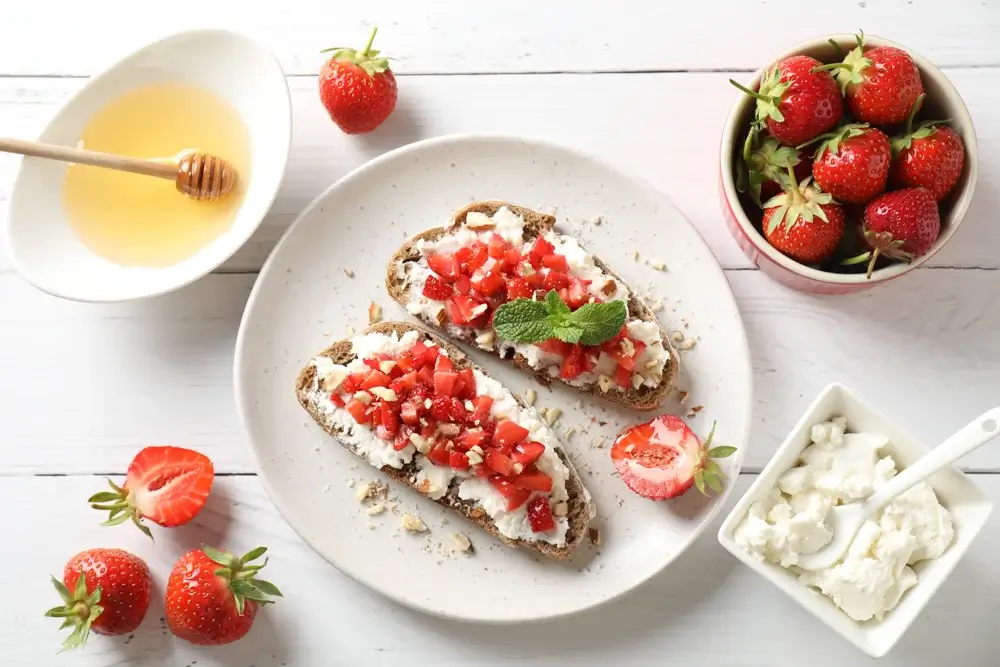
Breakfast: Ricotta toast with sliced strawberries and honey
Lunch: Hummus and vegetable pita served with salad
Dinner: Grilled chicken with roasted eggplant and tomatoes
Snack: Handful of pistachios
Day 7
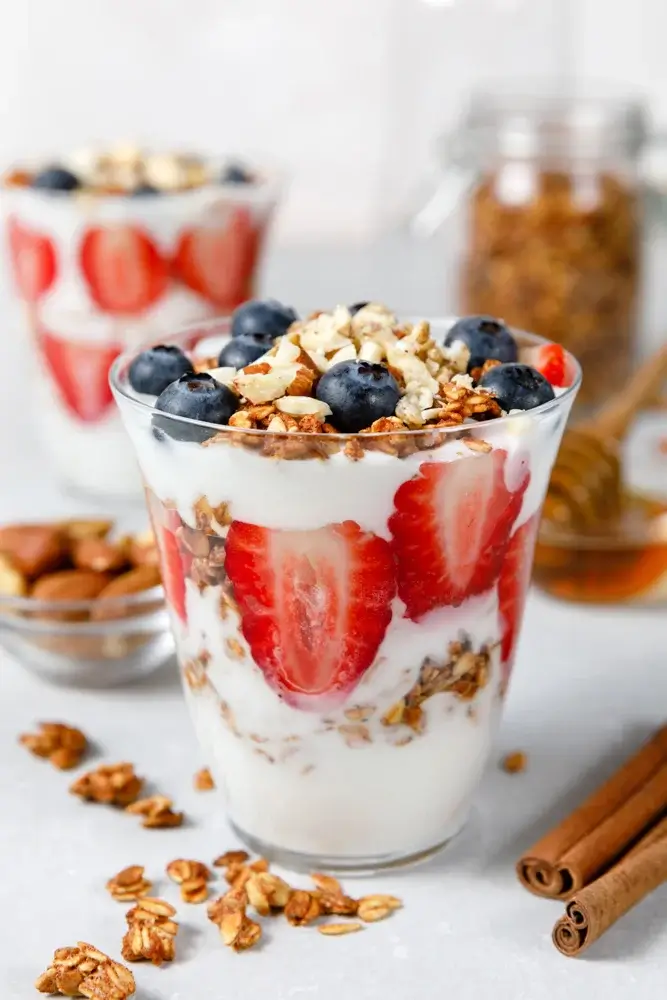
Breakfast: Greek yogurt parfait made with granola and fresh fruit
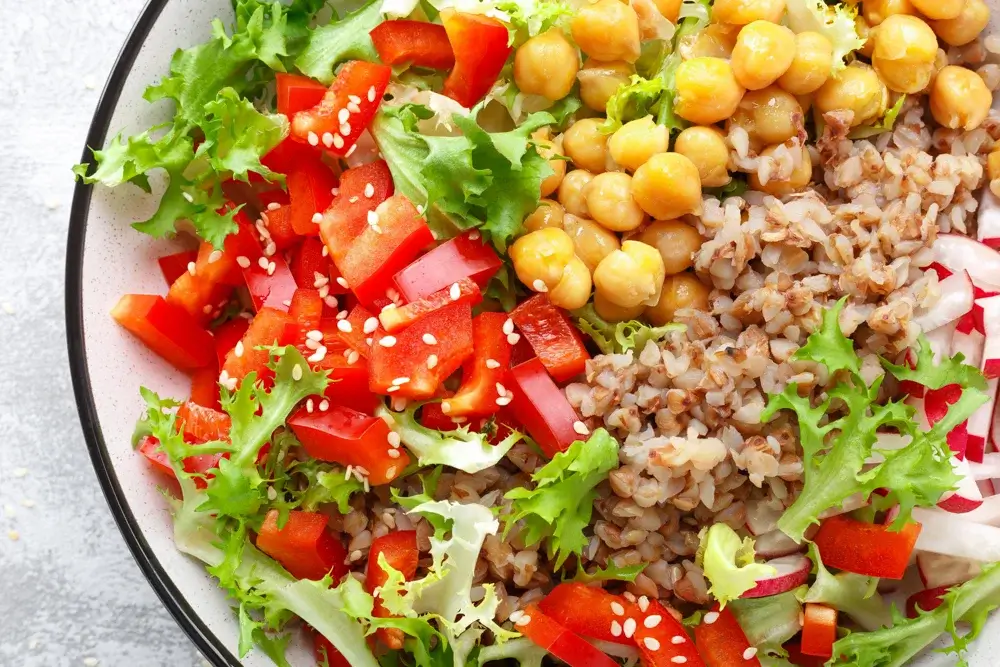
Lunch: Chickpea and roasted vegetable grain bowl
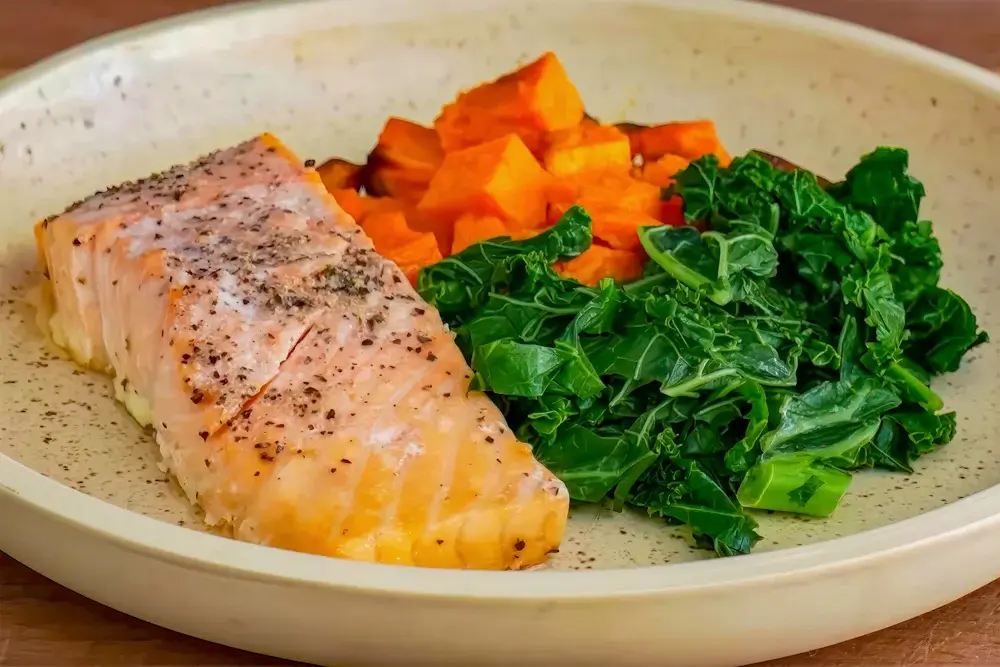
Dinner: Pan-seared salmon with sautéed greens and lemon rice
Snack: Carrot and celery sticks with hummus
Week 2
Day 1
Breakfast: Whole-grain pancakes topped with berries and a drizzle of maple syrup
Lunch: Tabbouleh with grilled chicken on top
Dinner: Baked tilapia with roasted zucchini and brown rice
Snack: Sliced apple with a handful of pecans
Day 2
Breakfast: Veggie scrambled eggs made with sautéed peppers and onions, served with whole-grain toast
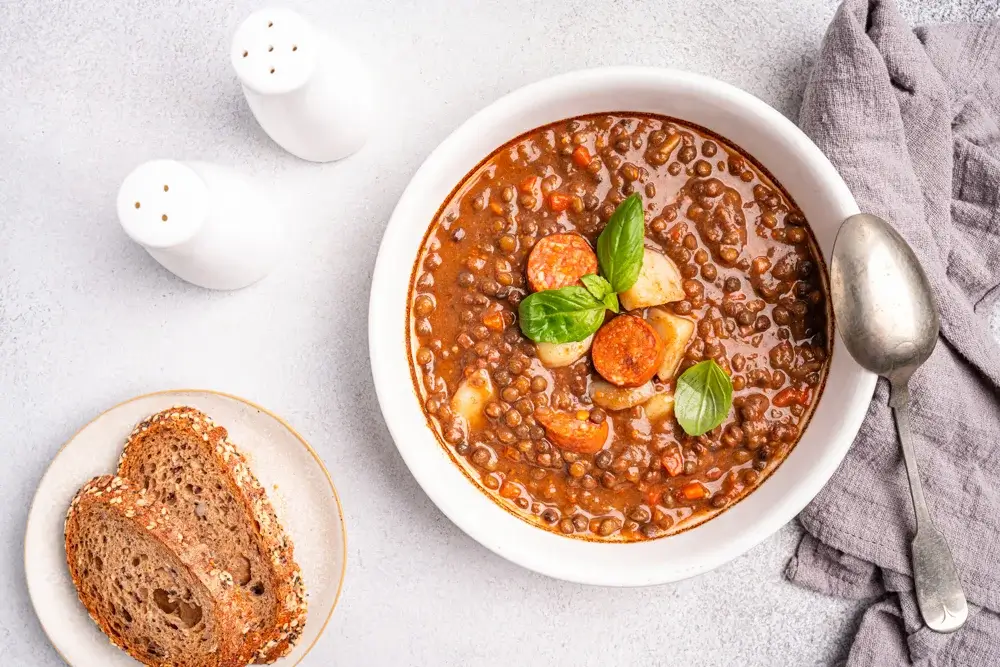
Lunch: Lentil soup with a small side salad
Dinner: Shrimp scampi over whole-grain pasta with steamed broccoli
Snack: Greek yogurt with honey
Day 3
Breakfast: Overnight oats topped with mashed banana and cinnamon
Lunch: Mediterranean chickpea salad made with feta and olives
Dinner: Grilled steak strips over a big vegetable salad
Snack: Handful of mixed nuts

Day 4
Breakfast: Avocado toast with a sprinkle of everything-bagel seasoning
Lunch: Tuna and white bean salad with lemon and parsley
Dinner: Baked chicken thighs with roasted sweet potatoes and green beans
Snack: Sliced cucumber with tzatziki

Day 5
Breakfast: Smoothie bowl with mixed berries, Greek yogurt, and pumpkin seeds
Lunch: Whole-grain wrap with hummus, roasted vegetables, and feta
Dinner: Baked salmon with a farro and arugula salad
Snack: Orange and a handful of almonds

Day 6
Breakfast: Veggie egg muffins with a side of fruit
Lunch: Mediterranean pasta salad with olives, tomatoes, and mozzarella
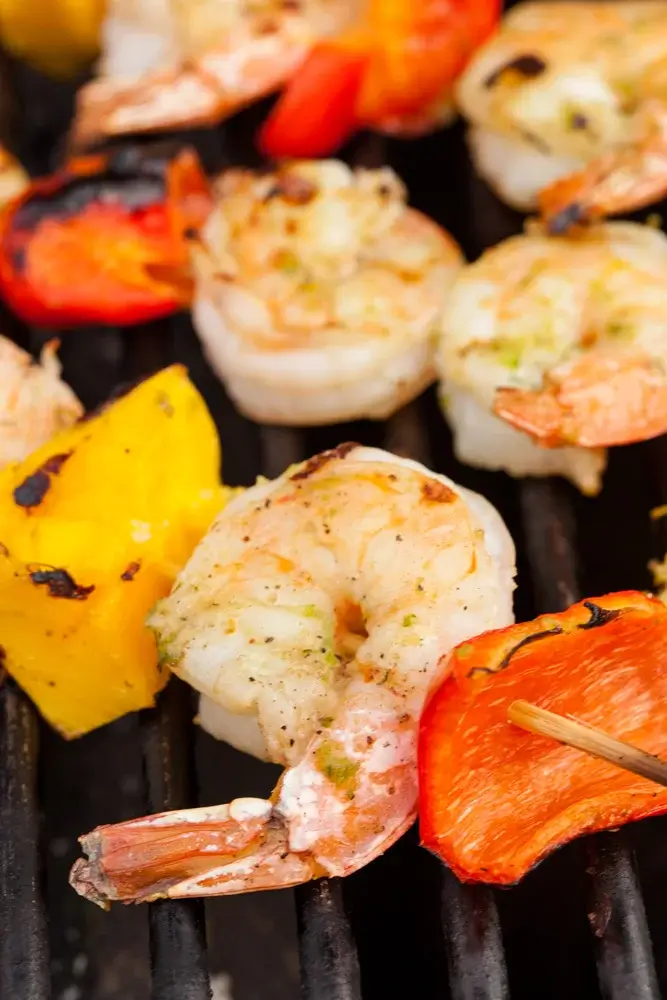
Dinner: Grilled shrimp skewers with couscous and grilled vegetables
Snack: Dark chocolate square and a few walnuts

Day 7
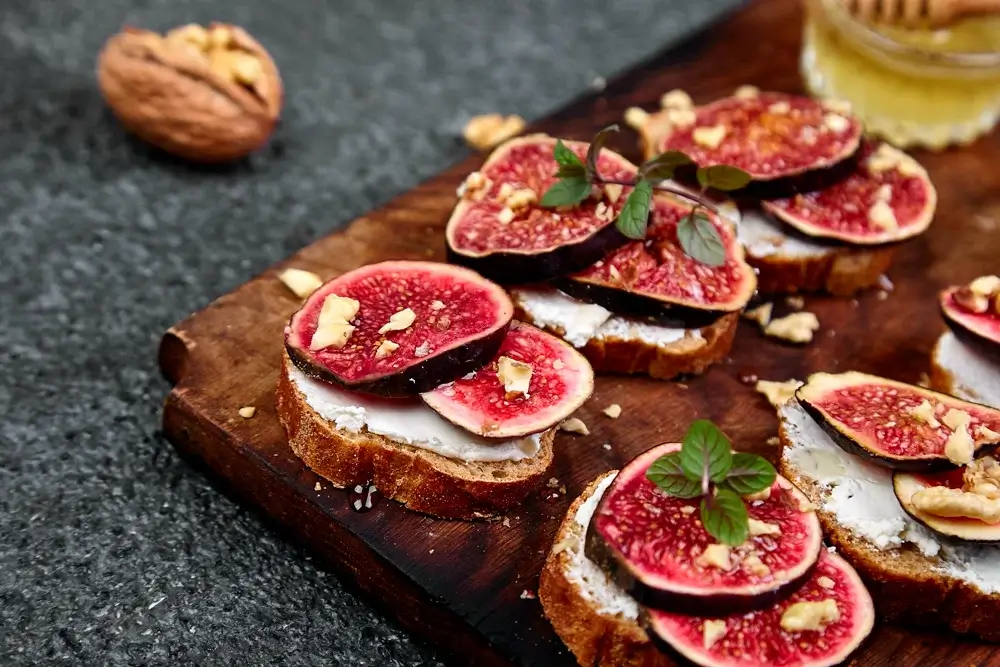
Breakfast: Whole-grain toast with ricotta and sliced figs
Lunch: Greek salad with grilled chicken
Dinner: Vegetable and chickpea curry over brown rice
Snack: Handful of grapes and a few pistachios
Week 3
Day 1
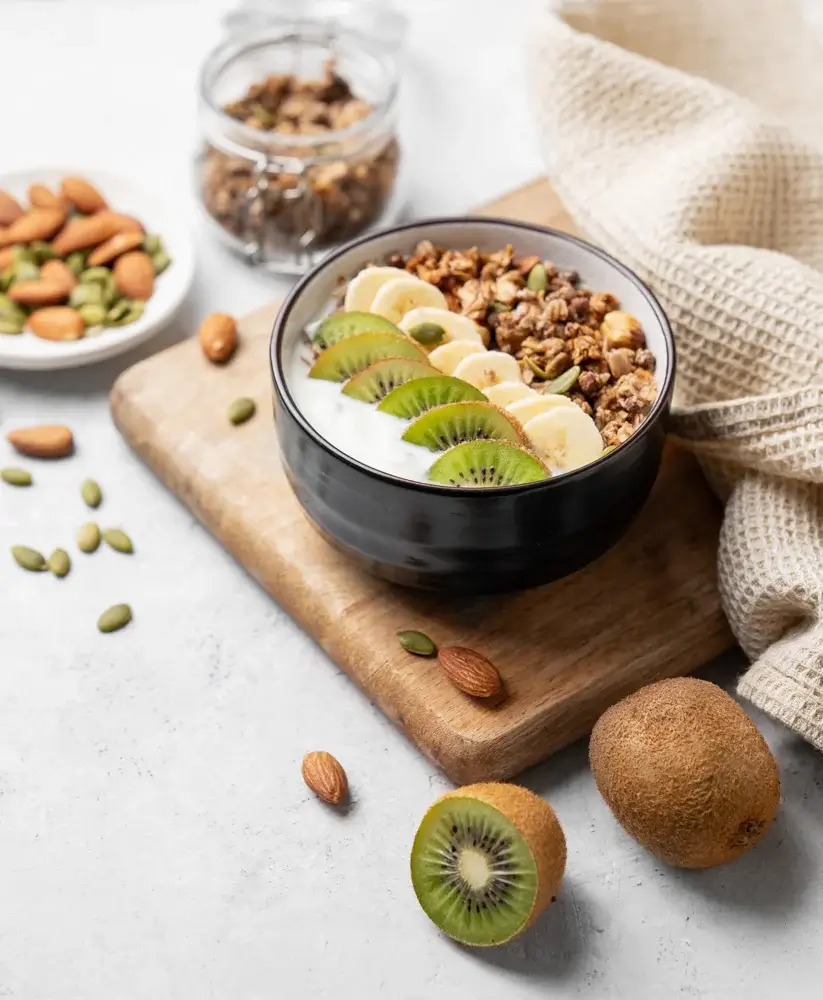
Breakfast: Greek yogurt with sliced kiwi and granola
Lunch: Roasted vegetable and quinoa bowl with tahini drizzle
Dinner: Baked cod with a lemon-herb sauce, roasted potatoes, and green beans
Snack: Small handful of trail mix
Day 2
Breakfast: Smoothie with spinach, banana, almond milk, and peanut butter
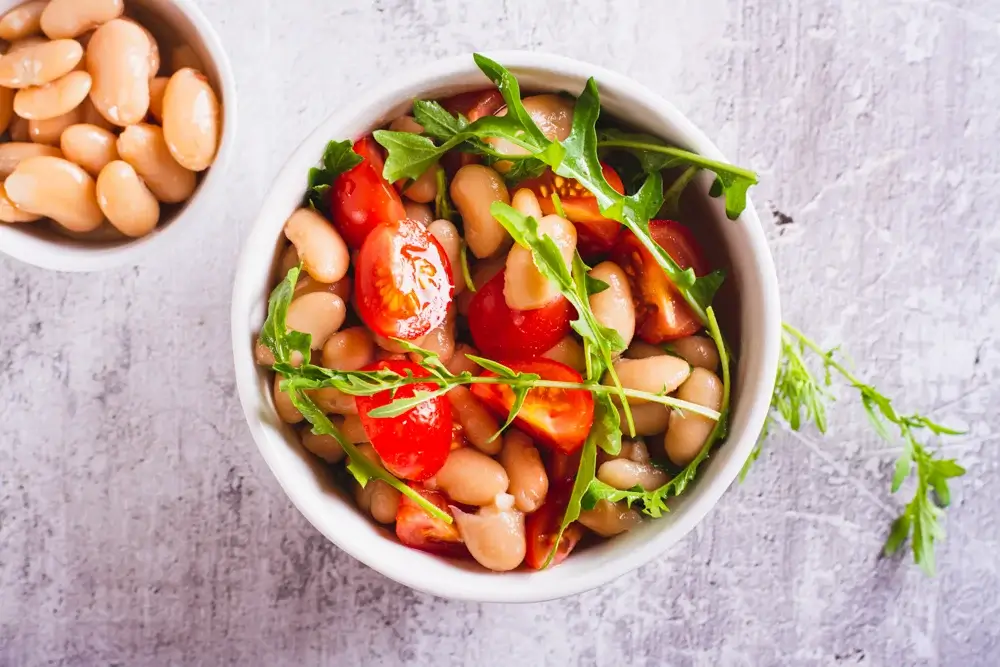
Lunch: White bean salad with cherry tomatoes and basil
Dinner: Grilled chicken with a Mediterranean orzo salad
Snack: Sliced pear with a few almonds
Day 3
Breakfast: Whole-grain waffles topped with berries and Greek yogurt
Lunch: Mediterranean grain bowl with lentils and roasted carrots
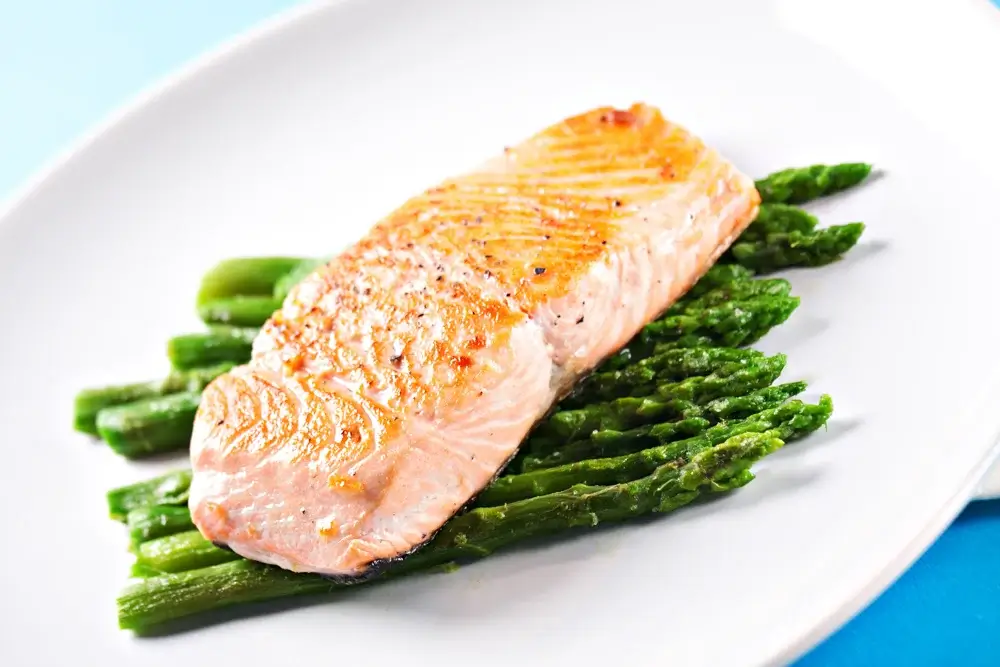
Dinner: Pan-seared salmon with steamed asparagus and wild rice
Snack: Hummus with bell pepper strips
Day 4
Breakfast: Egg and vegetable scramble with a side of whole-grain toast
Lunch: Chickpea salad sandwich on whole-grain bread
Dinner: Grilled shrimp with a big Greek salad
Snack: Cottage cheese with pineapple

Day 5
Breakfast: Overnight oats with dates and walnuts
Lunch: Mediterranean tuna wrap with olives and cucumber
Dinner: Baked chicken breast with roasted cauliflower and quinoa
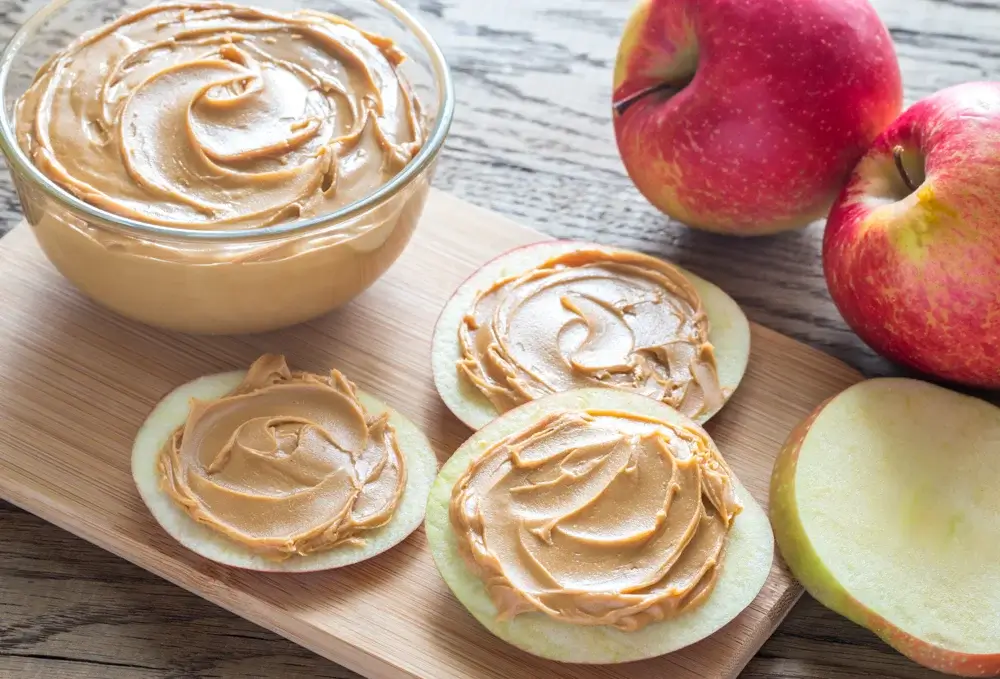
Snack: A small apple with almond butter
Day 6
Breakfast: Ricotta and honey toast with sliced peaches
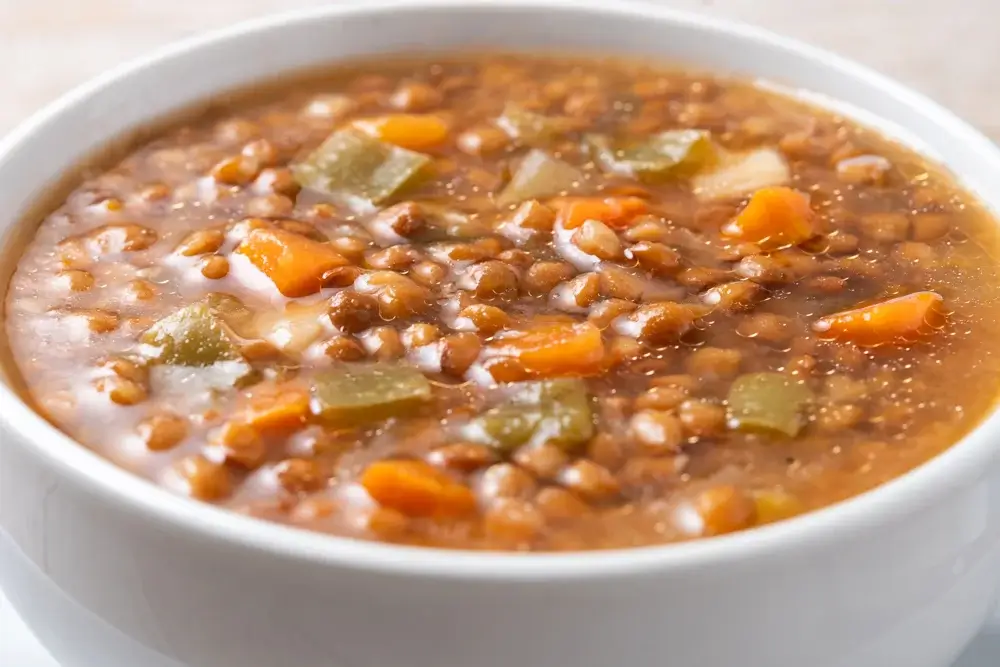
Lunch: Lentil and vegetable soup
Dinner: Grilled salmon with a farro and roasted vegetable salad
Snack: Handful of olives and a few crackers
Day 7
Breakfast: Greek yogurt bowl with mixed berries and chia seeds
Lunch: Falafel bowl with hummus, cucumber, and tomato
Dinner: Baked chicken thighs with roasted Brussels sprouts and brown rice
Snack: Orange slices with pistachios
Week 4
Day 1
Breakfast: Veggie omelet with a side of fresh fruit
Lunch: Mediterranean grain bowl with white beans and roasted zucchini
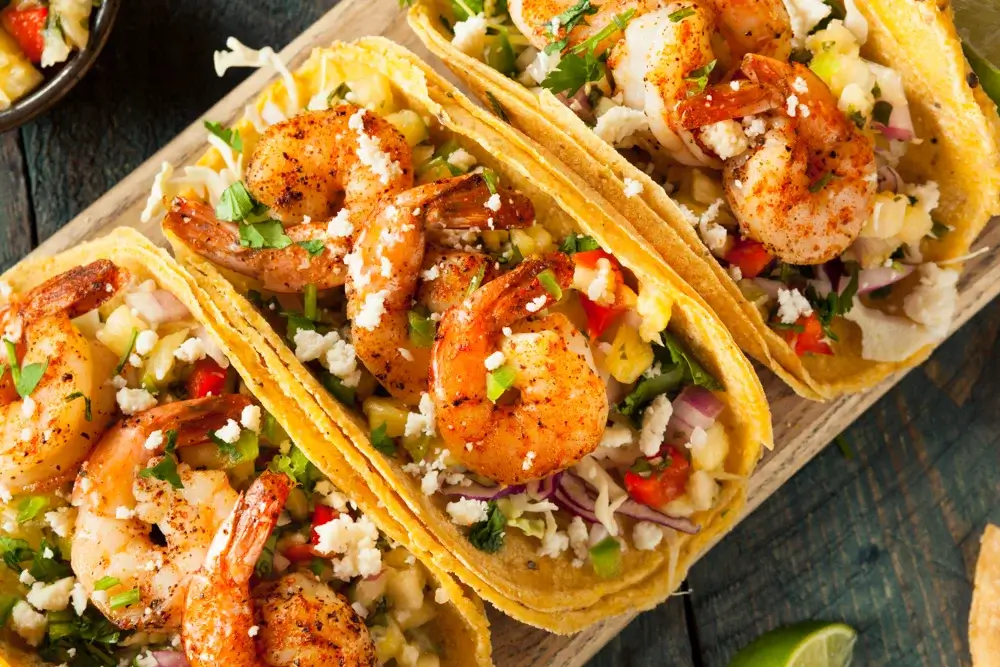
Dinner: Grilled shrimp tacos on corn tortillas with a cabbage slaw
Snack: Handful of walnuts
Day 2
Breakfast: Smoothie with mango, Greek yogurt, and spinach
Lunch: Roasted vegetable and hummus wrap
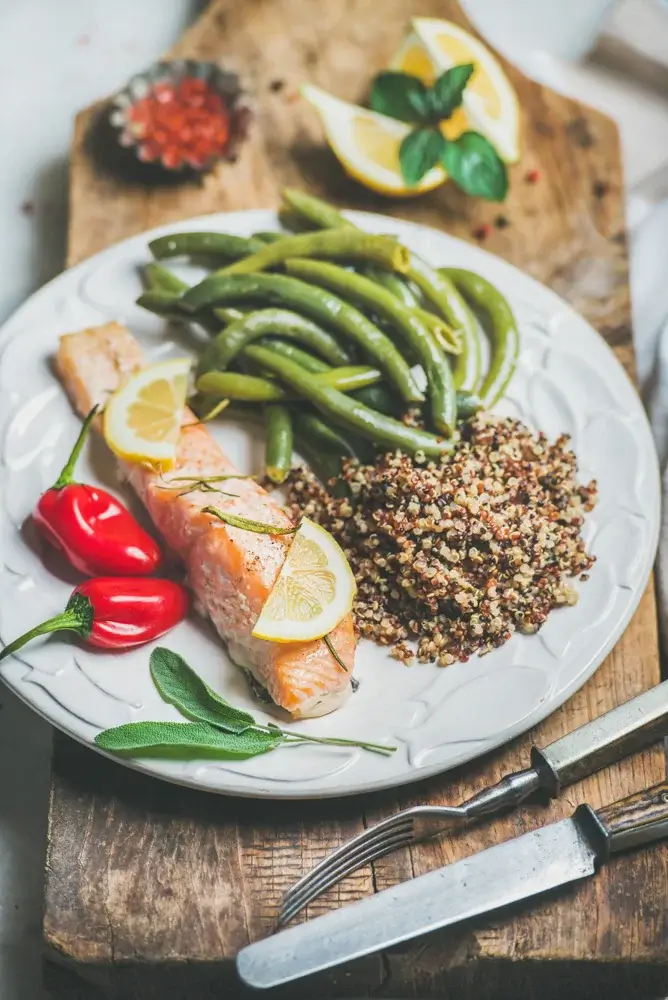
Dinner: Baked salmon with lemon-garlic green beans and quinoa
Snack: Sliced cucumber with tzatziki
Day 3
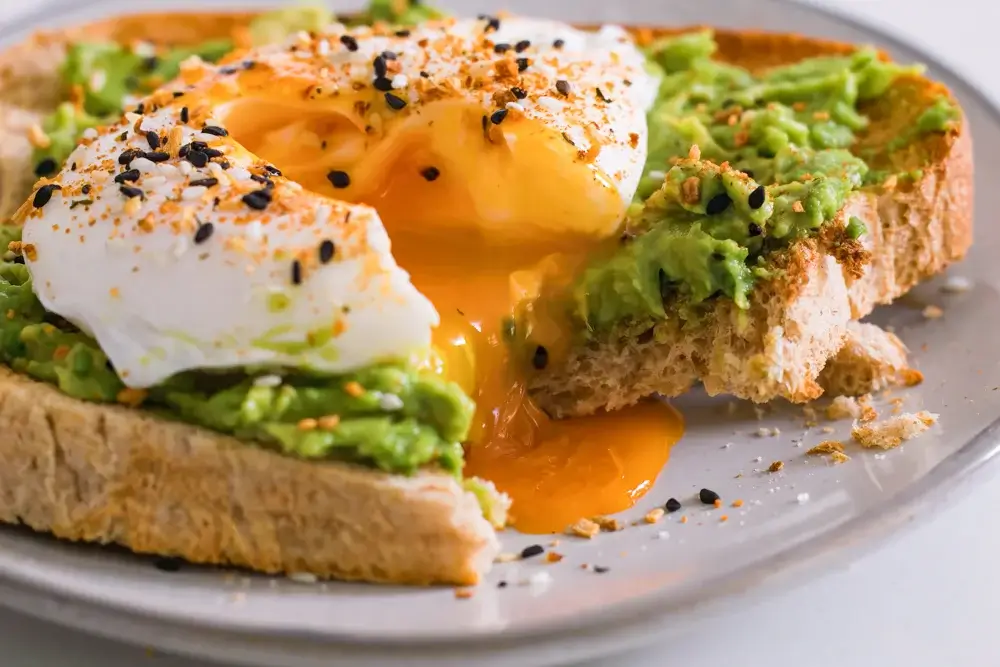
Breakfast: Whole-grain toast with avocado and a fried egg
Lunch: Greek chicken salad with olives and feta
Dinner: Turkey and vegetable chili with a side of whole-grain bread
Snack: Apple slices with peanut butter
Day 4
Breakfast: Overnight oats with raspberries and almond slivers
Lunch: Mediterranean pasta salad with grilled chicken
Dinner: Baked cod with roasted vegetables and farro
Snack: Handful of mixed nuts

Day 5
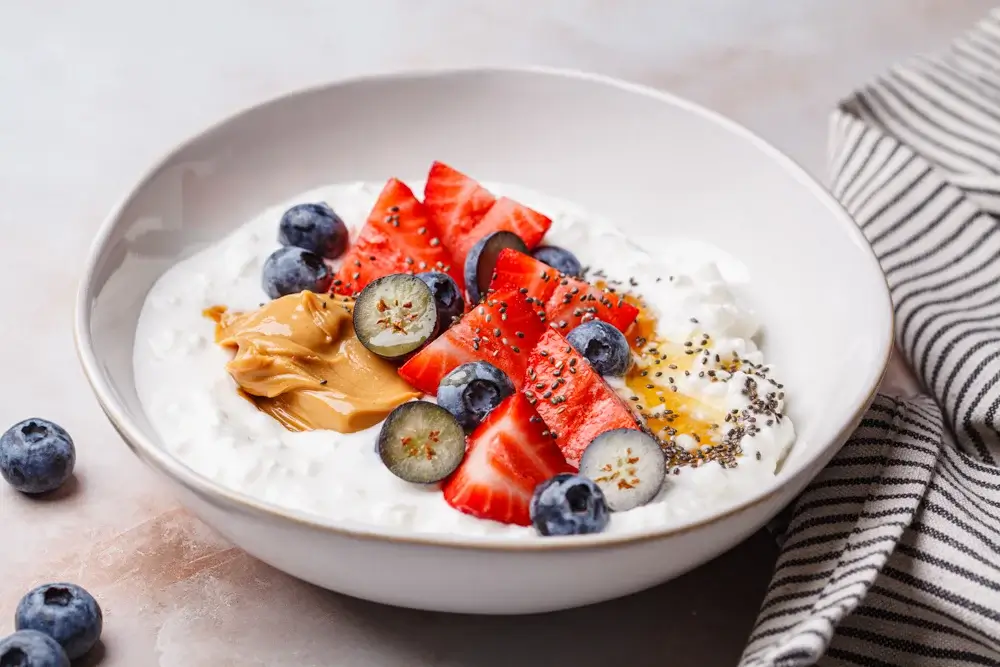
Breakfast: Greek yogurt with sliced strawberries and granola
Lunch: White bean and tuna salad over mixed greens
Dinner: Grilled steak with a big Mediterranean vegetable salad
Snack: A small pear and a few almonds

Day 6
Breakfast: Veggie egg muffins with a side of fresh fruit
Lunch: Chickpea and roasted red pepper grain bowl
Dinner: Shrimp and vegetable skewers over couscous
Snack: Dark chocolate square with pistachios
Day 7
Breakfast: Ricotta toast with honey and sliced banana
Lunch: Greek salad with grilled chicken and pita
Dinner: Baked salmon with roasted sweet potatoes and sautéed spinach
Snack: Handful of olives and whole-grain crackers
Days 29-30 (Bonus Days!)
Day 29
Breakfast: Smoothie bowl with berries, Greek yogurt, and flaxseed
Lunch: Falafel wrap with tahini and vegetables
Dinner: Grilled chicken with roasted eggplant and quinoa
Snack: Handful of almonds

Day 30
Breakfast: Whole-grain toast with avocado and a poached egg
Lunch: Mediterranean grain bowl with chickpeas and roasted vegetables
Dinner: Baked salmon with a big Greek salad and warm pita
Snack: Fresh fruit with a handful of walnuts
Weekly Meal Planner Spreadsheet (Google Sheets)
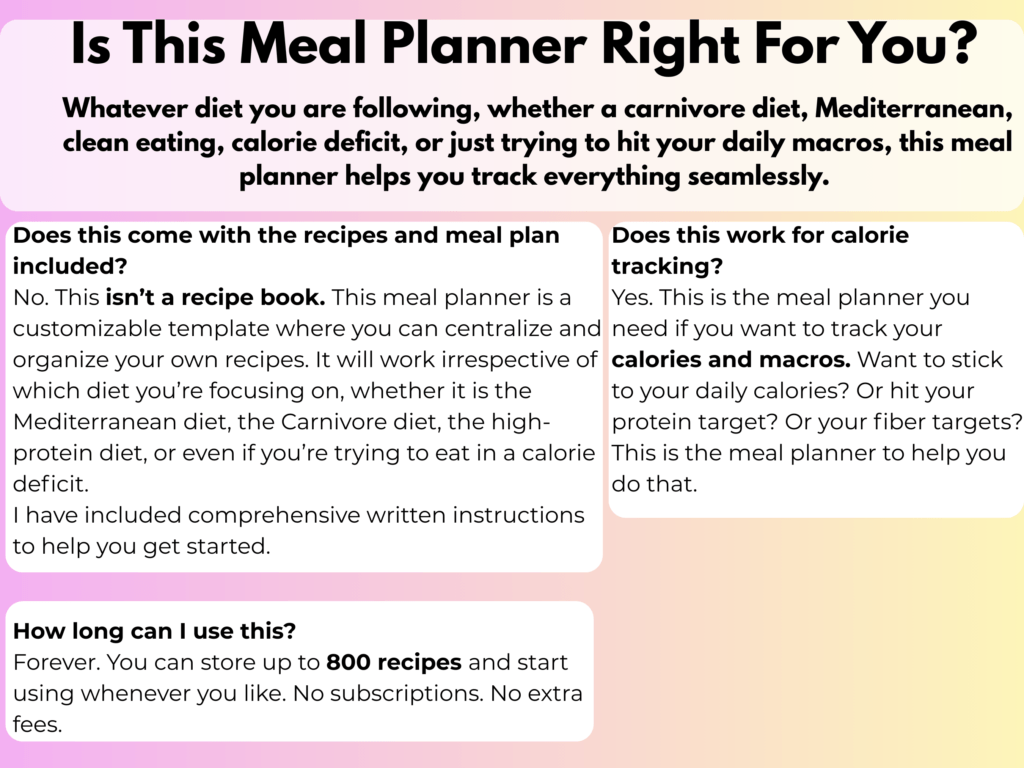
Planning meals, organizing groceries, and keeping track of hundreds of recipes can genuinely feel overwhelming. This is particularly true if you’re trying to eat healthier consistently. That’s why I created this weekly meal planner spreadsheet for Google Sheets.
This meal planner will help you:
- Plan your Mediterranean breakfast, lunch, dinner, and snacks for the week
- Automatically generate a grocery list from your Mediterranean meals
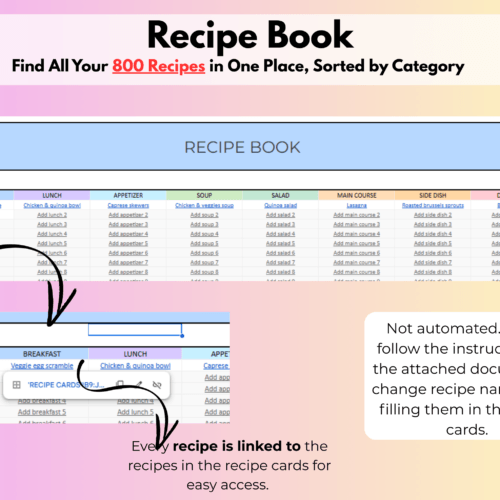
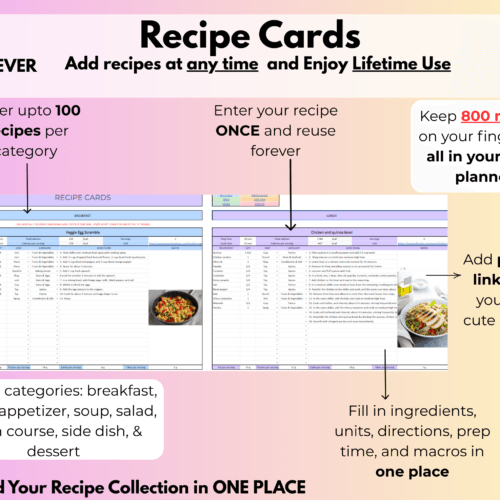
- Store and reuse your favorite recipes ( Up to 800 recipes!)
- Track calories, macros, and weight (only if you want to)
- Manage your pantry, fridge, and freezer.
GET THE WEEKLY MEAL PLANNER SPREADSHEET

Weekly Meal Planner Spreadsheet with Automated Grocery List & Calorie Tracking
A simple all-in-one weekly meal planner spreadsheet to help you plan weekly meals, organize recipes, auto-generate grocery lists, and track calories and macros.
30-Day Mediterranean Diet Grocery List
Here’s everything you’ll want on hand to cook your way through this plan. I’ve left out exact quantities since that depends on your household size and how much you like to meal prep, so just adjust as needed.
Vegetables
Spinach, mixed greens, cucumbers, cherry tomatoes, large tomatoes, bell peppers, zucchini, eggplant, asparagus, green beans, Brussels sprouts, broccoli, cauliflower, carrots, celery, sweet potatoes, red onion, garlic, fresh parsley, fresh basil
Fruits
Mixed berries, bananas, apples, pears, oranges, peaches, figs, kiwi, mango, grapes, dates, lemons
Protein
Chicken breasts and thighs, salmon fillets, cod, tilapia, shrimp, canned tuna, lean steak, ground turkey, eggs
Dairy
Plain Greek yogurt, feta cheese, ricotta cheese, mozzarella, cottage cheese
Grains
Quinoa, farro, brown rice, wild rice, couscous, whole-grain pasta, whole-grain bread, whole-grain wraps, rolled oats, whole-grain waffles or pancake mix
Legumes
Chickpeas, lentils, white beans
Nuts, Seeds & Healthy Fats
Almonds, walnuts, pistachios, pecans, chia seeds, flaxseed, pumpkin seeds, almond butter, peanut butter, extra virgin olive oil
Pantry & Extras
Hummus, tahini, tzatziki, olives, marinara sauce, honey, maple syrup, dark chocolate, granola, trail mix, vegetable or chicken broth
Herbs, Spices & Seasonings
Salt, black pepper, cinnamon, oregano, everything-bagel seasoning, red pepper flakes
Do you prefer not to write this grocery list every time? My Weekly Meal Planner Spreadsheet will help you automatically generate your weekly grocery list from whatever meals you plug in. Plus, you can easily track your calories and macros if you want to do that.
Weekly Meal Planner Spreadsheet with Automated Grocery List & Calorie Tracking
A simple all-in-one weekly meal planner spreadsheet to help you plan weekly meals, organize recipes, auto-generate grocery lists, and track calories and macros.
Tips to Save Money on This Meal Plan
- Buy produce in season whenever you can, and don’t be afraid to swap vegetables based on what’s actually available.
- Stock up on grains, nuts, and legumes in bulk. They store pretty well and stretch across multiple weeks.
- Skip the pre-chopped, pre-washed produce. Set aside a bit of time on Sundays to prep your own instead.
- Go for store brands on staples like pasta, canned beans, and rice.
- Buy proteins when they’re discounted and freeze what you don’t use right away.
Frequently Asked Questions
Can I repeat meals instead of following this exact Mediterranean diet meal plan?
Absolutely. This plan is meant to be a flexible guide, not a strict plan, merely a suggestion, if you will. If you find a breakfast or lunch you absolutely love, feel free to repeat it as often as you’d like.
Do I have to give up red meat completely on the Mediterranean Diet?
Nope. The Mediterranean diet doesn’t eliminate red meat; it just asks you to enjoy it less often and let fish, poultry, and legumes take the lead more of the time.
Is the Mediterranean diet good for weight loss?
Many people do lose weight on the Mediterranean diet, mostly because it naturally cuts back on ultra-processed foods and added sugar while keeping you full with fiber, healthy fats, and protein. That said, it’s really designed as a long-term lifestyle rather than a quick fix. And that’s exactly how you should want it if you want to lose weight and actually keep it off.
What if I don’t like fish?
That’s okay. You can lean more heavily on poultry, eggs, and legumes for protein. Just try to work in fish once or twice a week if you can, since it’s a key part of what makes this diet so beneficial for heart health.
Do I need to buy special or expensive ingredients to try the Mediterranean diet?
Not at all. Everything in this plan is available at a regular grocery store, and a lot of it (beans, whole grains, frozen vegetables) is genuinely budget-friendly.
Final Thoughts
Simply put, this 30-day Mediterranean diet meal plan is meant to make one of the healthiest eating plans in the world feel much simpler and doable. Yes, even for a complete beginner.
This 30-day Mediterranean diet meal plan is realistic, flexible, and most importantly, actually enjoyable. Exactly why it’s sustainable long-term.
Whatever brought you here, whether it’s heart health, weight management, or just wanting to eat better, give this plan a real shot for the full 30 days and watch just how much your life actually changes.
If you want to stick with this meal plan for the full 30 days and even beyond, you need my Weekly Meal Planner Spreadsheet (Google Sheets). It will make it easier to plan your weekly meals. Fill in your recipes once, and they are there forever. All you have to do is take a minute to plan your weekly meals, and it autogenerates the grocery list.
Weekly Meal Planner Spreadsheet with Automated Grocery List & Calorie Tracking
A simple all-in-one weekly meal planner spreadsheet to help you plan weekly meals, organize recipes, auto-generate grocery lists, and track calories and macros.
Until the next one, loves.