The Ultimate Guide to Vitamins and Supplements for Women
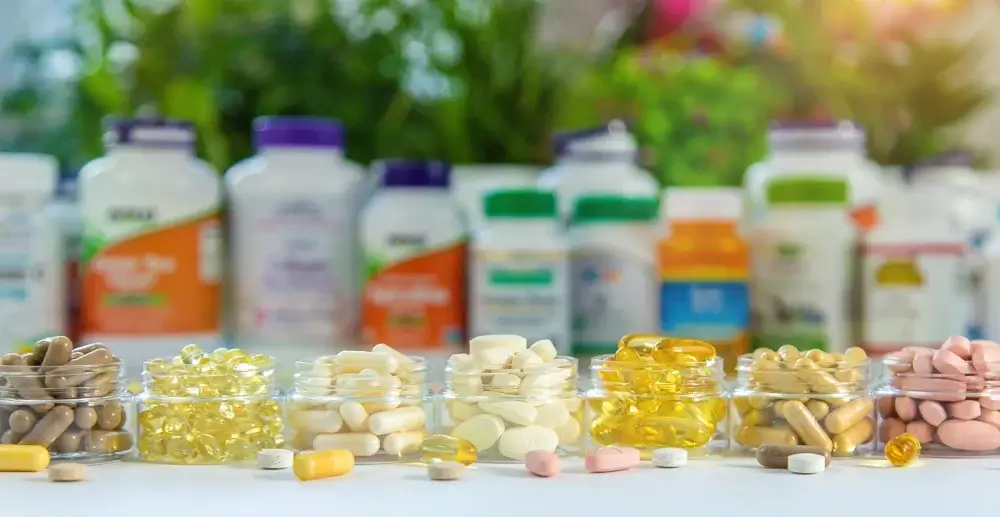
Walk into any grocery store and try to find vitamins and supplements for women. Go ahead, I’ll wait. It’s a wall of bottles promising everything from “hormone balance” to “glowing skin” to “all-day energy.” It’s overwhelming to say the least. And it’s also expensive. And unfortunately, half the time you leave with a bottle that’s mostly filler and won’t do anything for your health and wellness goals.
So let’s fix that.
This guide breaks down the essential vitamins and supplements for women. We’ll cover what your body actually needs, why women’s nutrient needs are actually different, which nutrients women tend to fall short on, how to choose a supplement that isn’t a waste of your hard-earned money, and what changes as you move through your 20s, 30s, 40s, and beyond.
Before we start, let’s get a few things out of the way first. First, supplements are meant to fill nutritional gaps, not replace real food. That’s why they are literally called “supplements”, to supplement. You could pop a million pills, but if you’re not eating right, you’ll do absolutely nothing for your health and wellness goals.
Secondly, the FDA doesn’t evaluate supplements for safety or effectiveness before they actually hit shelves. This means a lot of bad stuff can hit the shelves. To be safe, always run new supplements by your doctor. This is especially important if you’re pregnant, nursing, or managing a chronic health condition.
Okay, let’s get into it.
Why Women Need a Different Approach to Vitamins and Supplements
Men and women aren’t nutritionally interchangeable, and it’s not just about calorie needs. Monthly blood loss, pregnancy and breastfeeding, hormone shifts through perimenopause and menopause, and bone density changes all mean women need more of certain nutrients at certain points in life, and less of others.
Recent research by Harvard found that more than half of people fall short of the recommended daily intake of key nutrients such as calcium, iron, and vitamins C and E. And according to the National Institutes of Health, as many as 50% to 75% of women specifically come up short on iron, vitamin D, calcium, folate, magnesium, potassium, and iodine
So, this blog isn’t a scare tactic. It’s a necessity. We are all falling short on the nutrients we actually need, and we wonder why we’re not feeling our best.
It’s exactly why knowing your nutrient gaps (instead of guessing) makes such a difference.
The Essential Vitamins Every Woman Needs
Let’s start with the essential vitamins women need on a daily basis. I have included what each vitamin does, so we all realize just how important each one is.
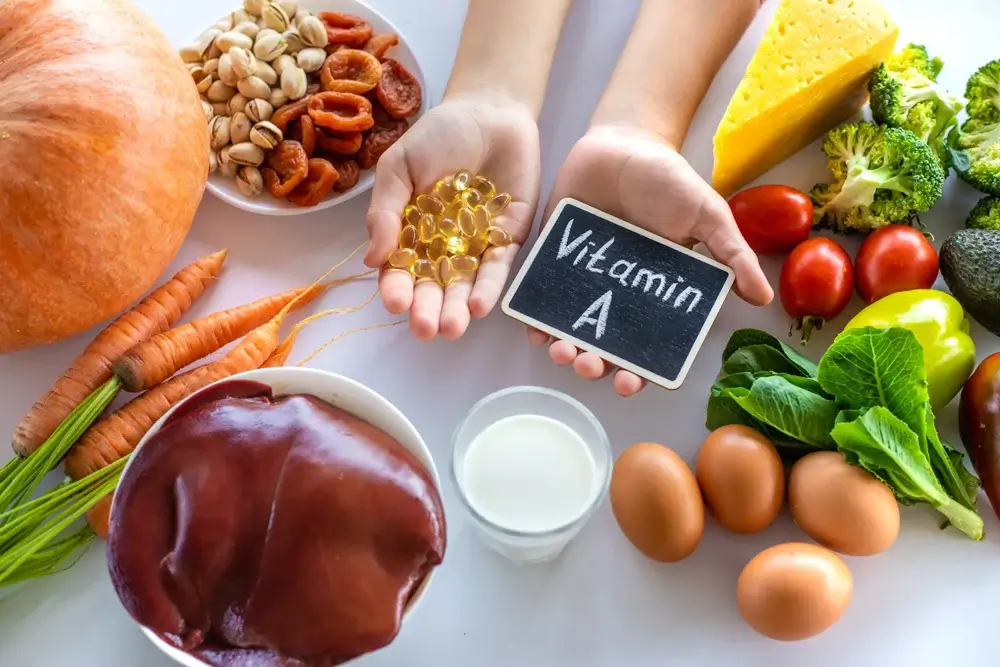
Vitamin A
Vitamin A supports vision, immune function, and skin health. It’s particularly important during pregnancy for fetal development, but this is one of those vitamins where more isn’t better. It’s actually toxic.
Excess intake during pregnancy has actually been linked to birth defects. So, it’s better to get Vitamin A from foods (such as sweet potatoes, carrots, and leafy greens) rather than megadosing in supplement form.
B-Complex Vitamins (B6, B9/Folate, B12)
If you just remember one group from this whole list, make it this one. B6, B12, and folate all work together to support red blood cell production, energy metabolism, and nervous system health. A deficiency in B12 or B6 can lead to anemia, which shows up as fatigue and brain fog.
Folate deserves its own spotlight too, since it’s critical for preventing neural tube defects, which is why it matters even if you’re not currently trying to conceive. Life happens, and many pregnancies are unplanned.
Vitamin C
Supports immune function, skin health, and iron absorption (more on why that pairing matters below). To get Vitamin C, eat citrus fruits, bell peppers, and strawberries.

Vitamin D
This is the one almost everyone is short on, since it’s naturally found in very few foods and your body needs consistent sun exposure to make its own, which most of us just don’t get.
Vitamin D works alongside calcium to protect bone density, and low levels have been linked to fatigue and mood changes. Most women do well with 1,000 to 2,000 IU daily, though your doctor may recommend more if bloodwork shows a deficiency.

Vitamin E
An antioxidant that supports skin health and helps protect cells from damage. Vitamin E is found naturally in nuts, seeds, and plant oils.
Vitamin K
Works closely with vitamin D and calcium to support bone health and proper blood clotting. Leafy greens are your best source of vitamin K.
Top Supplements Women Should Know About
Now for the minerals and supplements. Some of these you’ve probably seen around, and for good reason.
Here’s the top supplements for women actually worth your attention.
Magnesium
Magnesium is involved in over 300 processes in your body, from muscle function to sleep quality to keeping your nervous system calm.
Most women fall short of the recommended 310 to 320 mg per day, and it shows up as muscle cramps, poor sleep, and low energy. This is genuinely one of the most under-consumed minerals out there, so if you only add one thing after reading this, magnesium is a solid contender.
There are several different forms of magnesium. But if the goal is relaxation and better sleep, go for magnesium glycinate. That’s what I currently take and absolutely love it.
Related: The Most Common Types of Magnesium ( And What Each One is Best For)
Top Foods High in Magnesium You Should Be Eating Daily

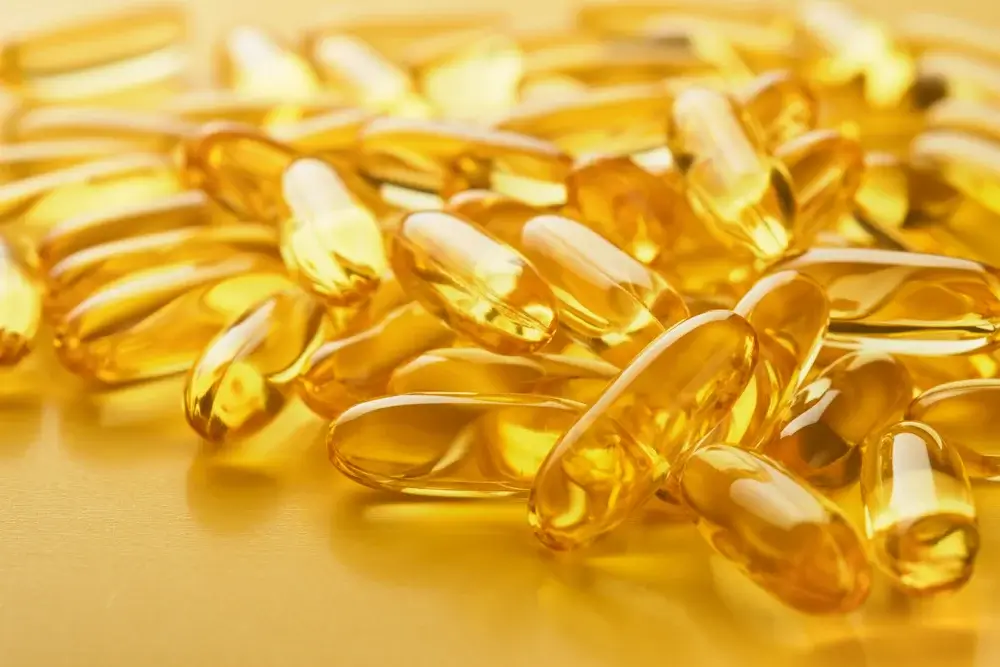
Omega-3 Fatty Acids
These healthy fats (found in fatty fish, walnuts, and flaxseed) support heart health, brain function, and may help ease inflammation.
If you’re not eating fish a couple of times a week, a fish oil or algae-based omega-3 supplement can help close that gap. Look for one that lists actual DHA and EPA content on the label instead of just “fish oil” as a vague catch-all.
Related: 23 Best Anti-inflammatory Foods To Eat
Calcium
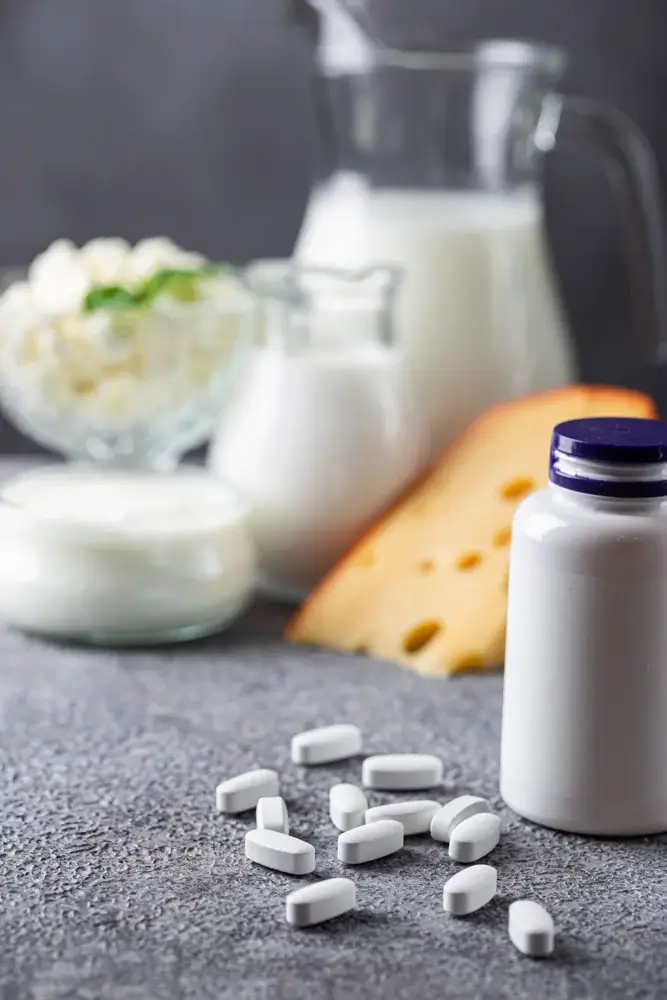
Your bones are constantly being broken down and rebuilt, and after menopause, that breakdown starts outpacing the rebuilding.
Women 19 to 50 generally need about 1,000 mg a day, and that jumps to 1,200 mg once you hit 51. Calcium citrate tends to absorb better than calcium carbonate, especially if you have lower stomach acid, and splitting your dose (say, 500 mg twice a day) helps your body actually use it.
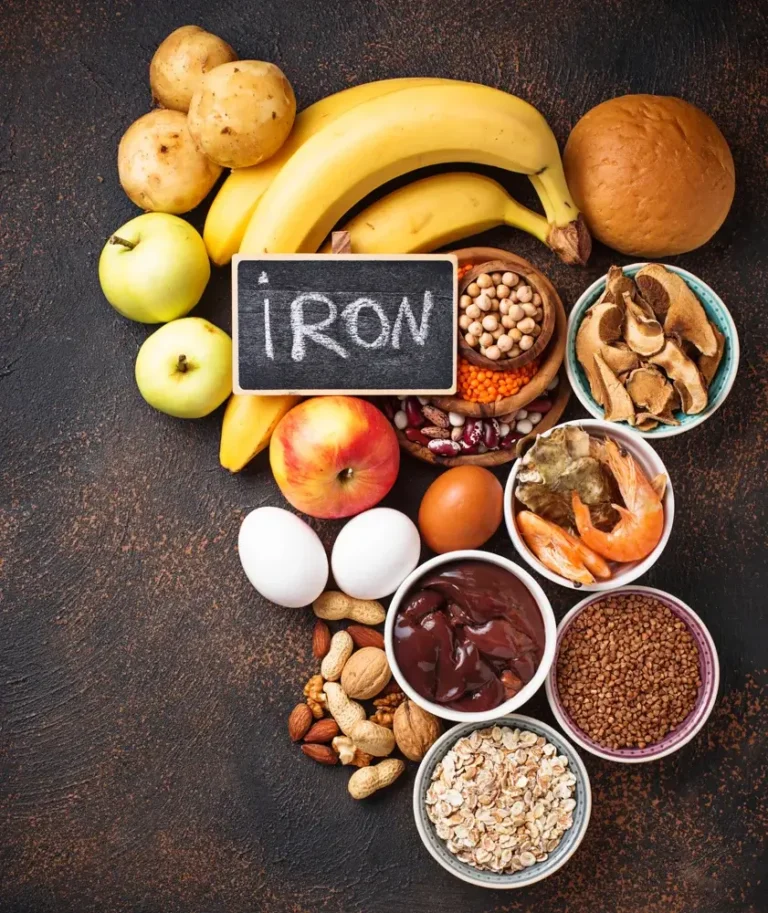
Iron
This one is particularly important for women, specifically, and it genuinely bothers me how it’s often overlooked. It’s a shame.
Monthly blood loss during our period means many of us run low on iron stores without ever becoming officially “anemic” on a standard test.
This is called iron deficiency without anemia, and it still causes a plethora of negative effects, from fatigue to brain fog to reduced capacity to exercise. To boost absorption, pair your iron with vitamin C. Remember to skip the calcium at the same meal, since calcium can block iron uptake.
Related: What to Eat on Your Period
Zinc
Supports immune function, wound healing, and hormone regulation. Found in meat, shellfish, seeds, and legumes.
Probiotics
Gut health affects everything from digestion to immune function to mood. A good quality probiotic can help improve your gut health, especially after a course of antibiotics or during periods of digestive issues.
Related: Gut Healing Foods and Habits

Iodine
Essential for thyroid function, which regulates your metabolism. While it’s often overlooked outside of pregnancy, where it’s critical for the baby’s brain development, iodine is just as important for any woman.
Collagen and Biotin
These two get marketed so hard for hair, skin, and nails, and social media loves them. We’ve all seen our favorite influencers going on and on about them. Here’s the more grounded truth: biotin only actually helps hair growth if you’re truly biotin-deficient, which most people aren’t.
Collagen offers some real benefits for joint comfort and skin elasticity, but it works best alongside good nutrition, not as a replacement for it. Worth trying if your budget allows, just don’t expect miracles from either one.

How to Plan Your Plate Before You Reach for Your Supplement Bottle
Before adding a single supplement, it helps to know what a “food first” plan actually looks like.
A nutrient-dense plate generally includes:
- Protein is included in most meals (eggs, fish, poultry, legumes)
- Colorful vegetables and fruit, since variety in color usually means variety in nutrients
- A calcium source daily (dairy or a fortified alternative)
- Healthy fats like olive oil, nuts, and avocado
- Whole grains instead of refined ones whenever you can.
Just remember, supplements exist only to fill the nutritional gaps that diet alone doesn’t cover. They cannot and should not replace real food. Think of them as merely backup, and you’ll find yourself prioritizing meals.
How to Actually Choose a Good Quality Supplement
As I mentioned, supplements are not regulated by the FDA, which means it is on us, as consumers, to do our due diligence to avoid being taken for a ride.
Sometimes labels can be genuinely misleading if you don’t know what to look for.
Here’s what actually matters:
Third-party testing– Since the FDA doesn’t evaluate supplements before they hit shelves, look for a seal from an independent tester like USP (United States Pharmacopeia) or NSF. This confirms the bottle actually contains what the label says, in the amounts it claims.
The form of the nutrient matters– Some forms absorb better than others. Calcium citrate over calcium carbonate. Ferrous fumarate or ferrous bisglycinate for iron, which tends to be gentler on digestion than ferrous sulfate. Vitamin D3 (cholecalciferol) over D2, since D3 raises blood levels more effectively, and so on.
Don’t chase 100% of everything– More doesn’t necessarily mean better, especially with fat-soluble vitamins like A, D, E, and K, which your body stores rather than flushes out. Overdoing is definitely a bad idea. Excess amounts can actually cause harm over time. So, a supplement that covers 25-50% of your daily value for most nutrients, alongside a solid diet, is often exactly right.
Talk to your doctor before starting anything new – Especially if you’re on medication, managing a kidney condition, pregnant, or nursing. Some supplements interact with prescriptions in ways that aren’t obvious from the label.
Vitamins and Supplements for Women by Life Stage
As a woman, your nutrient priorities shift as you move through different chapters, so here’s a simple breakdown.
Vitamins and Supplements for Women in Their 20s
In your 20s, focus on folate (in case of unplanned pregnancy), iron if your periods are heavy, and building good habits early. This is also the age where social media hype around “hormone balancing” supplements runs wild. Be a little skeptical of anything promising a quick fix.
Vitamins and Supplements for Women in Their 30s
Trying to Conceive or Pregnant- Folic acid, iron, calcium, choline, iodine, and vitamin D become non-negotiables. A prenatal vitamin is the easiest way to cover all of these at once, and since a large share of pregnancies are unplanned, it’s worth considering even before you’re actively trying.
Vitamins and Supplements for Women in Their 40s
In your 40s is often when perimenopause symptoms start showing up. Magnesium, vitamin D, calcium, and omega-3 fatty acids become increasingly important for bone density, mood regulation, and sleep.
This is also prime marketing territory for “miracle” supplements, so stick to what actually has evidence to back it up. A little research here and there will tell what is worth your money and what isn’t.
Vitamins and Supplements for Women in Their 50s and Beyond
In your 50s and beyond, calcium needs rise to 1,200 mg daily, and vitamin D becomes essential for absorbing it. B12 absorption naturally declines with age, so it’s worth having levels checked. Protein needs also tend to increase to help preserve muscle mass.

Common Mistakes Women Make With Supplements
Taking a multivitamin and assuming it covers everything– Most multivitamins only contain small amounts of bulkier minerals like magnesium and potassium, since fitting the full recommended amount into one pill isn’t practical. A multivitamin is a baseline, not a complete solution. Know your needs and supplement accordingly.
Megadosing on hype alone– Just because a supplement is trending doesn’t mean you need a high dose, or need it at all. More is not automatically better, and with some nutrients, it can genuinely backfire. As I said, do your due diligence and most importantly, talk to your doctor.
Taking iron and calcium together– These two compete for absorption. Space them out for better results.
Expecting supplements to fix a poor diet– Supplements fill gaps. They don’t undo the effects of consistently skipping vegetables or living on takeout.
Stopping and starting inconsistently– Nutrients like vitamin D and omega-3s work cumulatively. Taking them here and there won’t give you the same benefit as steady, daily use.

Frequently Asked Questions
Do I actually need a multivitamin?
Not necessarily. If your diet is super varied and includes plenty of produce, lean protein, and dairy or fortified alternatives, you are probably covering most of your bases. A multivitamin is a good insurance policy against some dietary gaps, but far from a necessity.
What’s the best time of day to take vitamins?
Fat-soluble vitamins (A, D, E, K) and omega-3s absorb best with a meal that contains some fat. Iron absorbs better on an empty stomach, paired with vitamin C, though some women find this upsets their stomach and take it with a light meal instead.
Can you take too many vitamins?
Yes, especially fat-soluble ones such as Vitamin A, D, E, and K, which your body stores rather than eliminates. This is why it is so important to stick close to the recommended daily amounts, rather than stacking multiple high-dose supplements. It’s going to backfire.
Are prenatal vitamins worth taking if I’m not pregnant?
Some women take them for the extra folate and iron, but they’re formulated specifically for pregnancy needs, so it’s worth talking to your doctor before making that swap rather than defaulting to it.

Final Thoughts on Vitamins and Supplements for Women
You don’t need twelve bottles lined up on your counter to take care of your health and achieve your wellness goals.
The better strategy is to know what your body actually needs, and what you’re not getting from your diet, and supplement accordingly. Remember, build your plate around real food first, and let supplements actually just supplement your diet.
Start simple, check in with your doctor, and adjust as your needs shift through each stage of life. That’s really all this comes down to.