21 Healthy Habits for Better Sleep
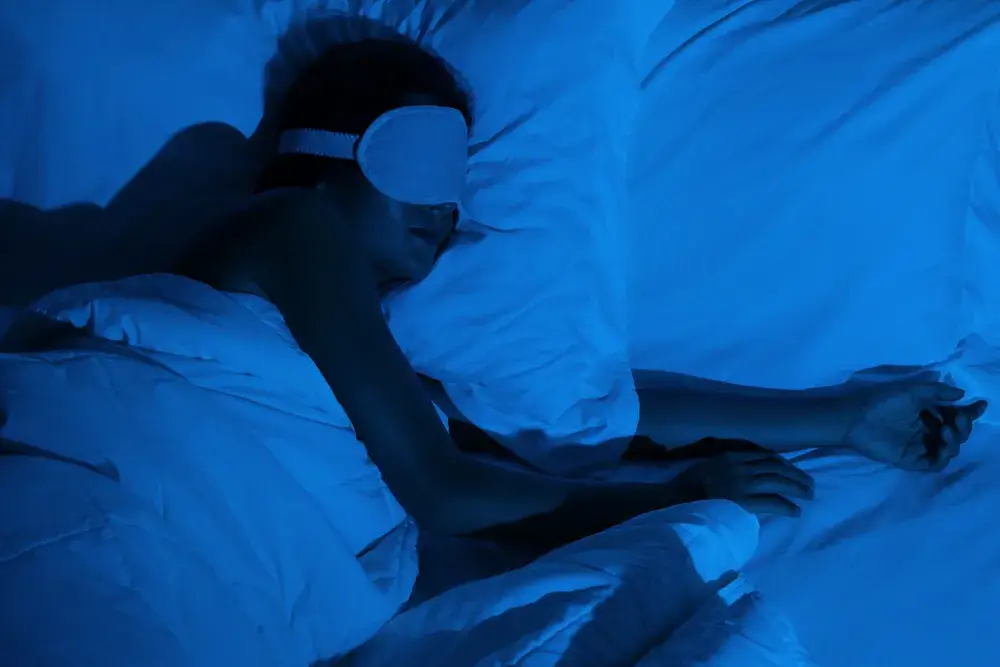
I have really been struggling with my sleep these past few weeks, months, actually.
Good sleep is often underestimated. We assume that it is a given, but we all know that couldn’t be further from the truth. That’s what prompted me to do this post on healthy habits for better sleep.
How can you sleep better every night? Is it even possible? Can you realistically improve not only the quantity but also the quality of your sleep?
Yes, you can.
We are going to look at a few known tips and healthy habits linked to better sleep.
Unfortunately, I don’t have one magic fix. What I have are a handful of practical steps and healthy habits you can embrace for better sleep.
Why Better Sleep Should Be a Non-negotiable for You
Every night I don’t sleep well, I can almost guarantee I will have a bad day. Your body relies on a good night’s sleep to actually function at its best.
You’re at your best when you’re well-rested. That’s a simple and undeniable fact.
A good night’s sleep can go a long way to improving your wellness.
Better sleep means:
- Better mood and less stress
- Better focus, sharper thinking, and overall better productivity
- More energy during the day
- A healthier relationship with food
- Better recovery if you’re routinely working out at the gym
- A stronger immune system
And remember, when I say better sleep, I don’t just mean how many hours you spend in bed. It’s not just about how long you sleep; the quality of that sleep matters as well. Yes, most adults need 7-9 hours, but that sleep needs to be restorative.
You can spend eight hours in bed only to wake up groggy and tired if your sleep was restless.
That’s why you need these healthy habits for better sleep; they focus on both the quantity and the quality of your sleep.

21 Healthy Habits for Better Sleep
Morning and Daytime Healthy Habits for Better Sleep
1. Get Morning Sunlight
This seems like one of those cliché pieces of advice, but you really do need sunlight in the morning. Basically, natural light in the morning helps signal to your brain that the day has started. How does this help you sleep better? Since natural light signals to your brain that the day has started, your body will know when to feel sleepy later.
Just try to get 10-15 minutes of outdoor light within the first hour or so of waking up. You don’t have to overthink it: drink your coffee on the porch, maybe walk around the block, simply open the curtains and sit by a bright window.

2. Keep a Consistent Wake-up Time
I know you’ll also say this is some cliché advice. And you’ll be wrong. Do you know why it’s important to keep a consistent sleep and wake-up time even on the weekends?
It’s all about helping your body keep a steady rhythm. You’ll notice, naturally, that with time you won’t even need an alarm. Your body will just know it’s time to wake up.
Today, pick a wake-up time that you can realistically keep, then set an alarm for it. And stick with it for at least a month.

3. Move Your Body Daily
I, unfortunately, have a desk job. It’s easy to go the entire day without moving much, which makes my sleep terrible, which makes for a terrible next day, and then I am in this vicious cycle of bad days and even worse nights.
When I am routinely going to the gym, I tend to sleep much better.
Because it’s simple: your body needs to burn some energy if you want to sleep faster and better.
Regular movement, it doesn’t matter which movement, reduces stress, calms your nervous system, and builds that healthy physical tiredness that makes sleeping a breeze.
You don’t need an intense workout. It could be a brisk walk, simple yoga flow, or a dance exercise.
Just avoid very intense workouts right before bed. An intense workout right before bed will leave you wired and make it difficult to actually fall asleep.

4. Set a Caffeine Cutoff
Caffeine lingers in your body longer than most of us think. That 4 pm latte might be the reason you’re struggling to actually fall asleep.
Stop caffeine at least 6 to 8 hours before bedtime.
And remember, caffeine isn’t just in coffee; it’s in some teas, sodas, energy drinks, and pre-workout supplements.

5. Limit Long or Late Naps
Naps are a wonderful way to reset if you’re having a slow day. However, a long one late in the day can make sleeping at night difficult.
If you must take a nap, keep it short, more of a power nap, 30 minutes or so. Also, try to take it much earlier in the day.
Evening Habits for Better Sleep
6. Eat Dinner Earlier, and Keep It Lighter.
Going to bed right after a very heavy meal will have you feeling uncomfortable and will make it impossible to fall asleep and stay asleep. For some people, a heavy meal can actually cause heartburn or indigestion, making it all the more difficult to fall asleep.
Try to have your dinner 2 to 3 hours before bedtime. Keep that meal satisfying but definitely not overly heavy. Go for balanced meals full of protein, complex carbs, and healthy fats that will keep you full without that stuffed feeling.
And don’t get this genius idea to skip dinner altogether. Going to bed hungry can make it hard to fall asleep too.

7. Go Easy on Alcohol near bedtime.
Yeah, sure, that glass of wine typically makes you feel sleepy. However, it is likely to disrupt your sleep later in the night. You might wake up more often than usual or feel unrested the next morning.
If you must drink, try having your drink earlier in the evening and definitely have a lot of water as well to help your body process the alcohol.

8. Dim the Lights After Sunset
As I mentioned, bright lights in the morning signal to the brain that the day has started. Unfortunately, bright overhead lights at night tell your brain it’s still daytime, which will disrupt your sleep.
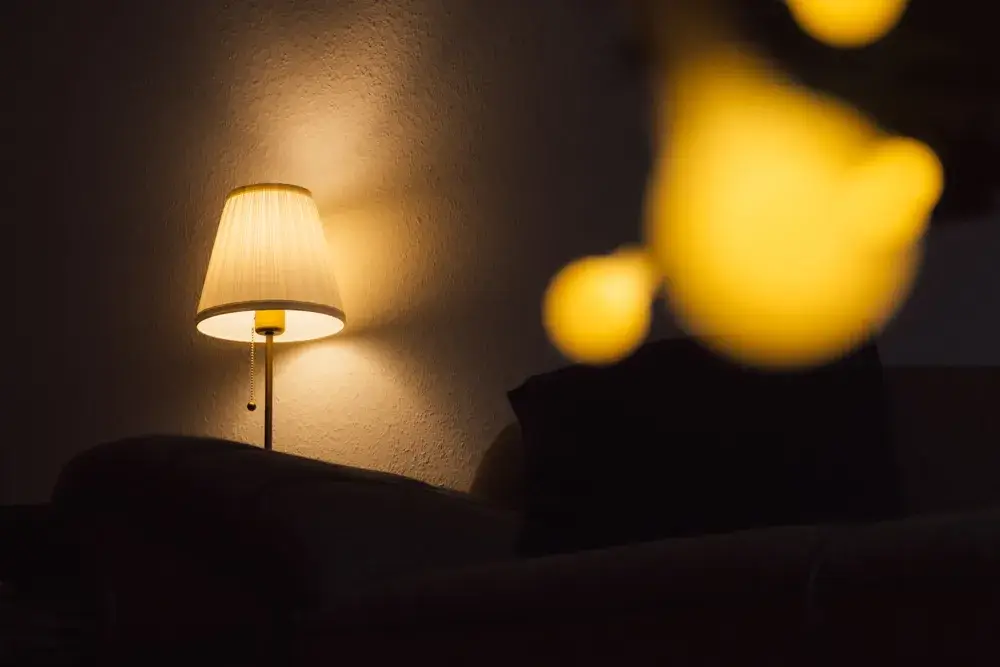
As the evening goes on, switch to softer, warmer lights. This will send a gentle cue to your brain to indicate that the day is winding down.
9. Have a “Wind-Down” System
Think of it as a sleep alarm. We set alarms to wake up, so why not set one to start getting ready for bed?
Choose a time about an hour or so before you want to be asleep, set an alarm, and have a wind-down routine.
When this alarm goes off, start your night routine. Choose 2 to 3 things you can do every night so your brain starts associating them with winding down.
These could be dimming your lights, journaling, changing into your comfy sleepwear, meditating, stretching your body, or having a cup of chamomile tea.

10. Take a Warm Shower or Bath
A warm shower or a bath is one of the simplest relaxation rituals to add to your evening routine.
For one, you cleanse your body of the accumulated dirt and sweat.
Secondly, as your body cools down afterward, it can help you feel sleepy and generally ready for bed.
Try to take your shower an hour or more before bed.

Bedroom Setup
11. Keep the Room Cool
Most people sleep better in a slightly cool room. A commonly recommended range is around 60 to 67, though everyone is different and you should definitely go with what works for you.
If you tend to overheat anyway, try breathable cotton or linen sheets, a lighter blanket, or a fan.
12. Make it Dark ( Blackout Curtains or a Sleep Mask)
Even small amounts of light can interrupt your sleep. Make it a point to make your room absolutely dark. No streetlights or glowing electronics.
Get blackout curtains. If you can’t use blackout curtains, get a comfortable sleep mask.

13. Reduce Noise or Use White Noise
If noise tends to wake you up, whether it’s traffic, neighbors, or a snoring partner, a little background noise can help mask it and help you sleep better.
White noise machines, fans, or a soft sound app can create a steady background.
If you want complete quiet, then earplugs are another good option.
14. Use a Humidifier
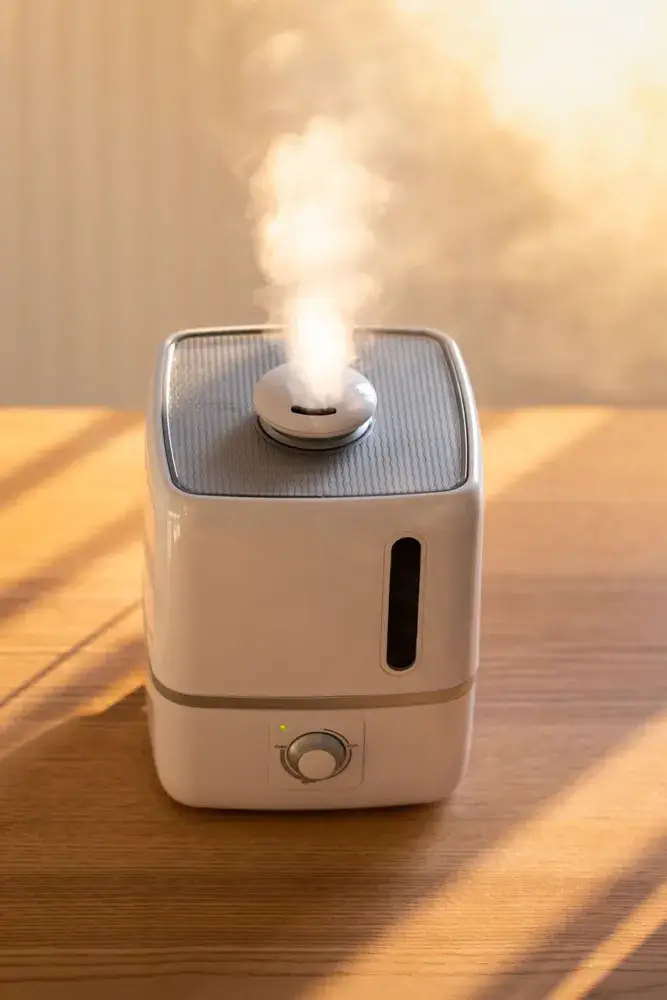
Dry air can really irritate your nose and throat, making it difficult to fall asleep or to stay asleep. This can get particularly bad in the winter or if you use heating or air conditioning a lot.
A humidifier will add moisture to the air, which may make breathing and, by extension, sleeping more comfortable for some people.
Here are a few tips to keep in mind:
- Keep humidity around 30 to 50%. Too much moisture can be bad too. It can encourage mold and dust mites.
- Use fresh water daily.
- Clean your humidifier regularly, following the manufacturer’s instructions. A dirty humidifier can spread bacteria and mold into your air.
- Place it a few feet away from your bed.
15. Invest in Your Pillow and Beddings
You spend roughly a third of your life in bed; you should definitely make it comfortable. In fact, I’ll say it should be non-negotiable.
Your pillow should support your neck and keep your spine in a neutral position, whether you sleep on your back, side, or stomach.
Clean your bedding at least once weekly. Fresh and clean sheets can make the difference between a good night’s sleep and a bad one.

16. Keep Your Bed for Sleep Only
If you’re the type to work in bed, watch shows in bed, or scroll your phone in bed, you need to stop.
Unfortunately, doing those things in bed signals to your brain that your bed is for just about anything. So, it will associate the bed with being awake, and we don’t want that.
If possible, reserve your bed for sleep. Do your work and entertainment somewhere else.
When you lie down, your brain should get the message: it’s time for sleep.

Mind and Body Wind Down Habits for Better Sleep
17. Put Screens Away 30-60 Minutes Before Bed
Of course, I have to mention screen time. Screens, phones, laptops, and TVs are the biggest sleep killers of our generation.
Most of us, if not all of us, know the struggle. You know, TikToking until 3 am, or binge-watching a great series long into the night.
If you’re serious about improving your sleep quality, you need to put screens away 30-60 minutes before your bedtime. This is important because the light from these screens interferes with your body’s natural wind-down. And that’s not what you want when you want to improve your sleep quality.

18. Do a Brain Dump or Journal
If your mind races at night, the best way to deal with it is to get your thoughts out of your head and onto paper.
I used to really struggle with this. Like my mind would keep racing between thoughts, making it difficult to fall asleep. I started a little evening journaling, and it has made a huge difference.
Write down anything you’re worried about, or tomorrow’s to-do list, or even a few things that went well today.
Start journaling tonight; it might be one of the best daily habits you build for your life.

19. Try Gentle Stretching or Breathing Exercises
Just a few minutes of slow stretches or deep breathing can help your body shift from “go mode” to “rest mode”.
You can try a child’s pose, a seated forward fold, or legs up the wall. Pair these stretches with slow breathing: inhale for four counts, exhale for six. This is how you harmonize your body and mind.
Besides, gentle stretching and breathing exercises can help your muscles relax, making it easy to fall asleep and stay asleep.

20. Read Something Calming
Reading a few pages of a book is one of the oldest bedtime rituals. And for good reason. It gives your mind something peaceful to focus on instead of your phone or your to-do list.
Unfortunately, for me, reading can actually be the thing that keeps me up for hours on end. I read fantasy romance, and it’s easy to get sucked in. So, don’t go for something too interesting if you can help it.
I typically do self-help books in my evening routine. I prefer paper books or e-readers without backlit screens.

21. Consider Supplements
You’ve probably seen a few supplements mentioned all over social media as sleep aids, from melatonin to magnesium.
I typically take magnesium glycinate, and I have found it awesome for helping me relax, and it makes it easy to fall asleep and stay asleep.
Please check with your doctor before trying any new supplements.

Sample Evening Routine for Better Sleep
7:00 p.m.: Finish dinner
8:00 p.m.: Dim the lights and get started on your wind-down routine.
8:30 p.m.: Warm shower or bath
9:00 p.m.: Phone away, brain dump in your journal
9:20 p.m.: Gentle stretching and slow breathing
9:40 p. m.: Read a few pages
10:00 p. m.: Lights out
The order doesn’t matter much; the idea is to have a relaxing evening routine that slows down your night and makes it easy to fall asleep and stay asleep.

FAQ on Healthy Habits for Better Sleep
How long does it take to build a sleep routine?
This will definitely vary. However, many people begin to notice some positive changes in their sleep quality and quantity within a couple of weeks of staying consistent.
Does Magnesium help you sleep?
Yes, for some people. Particularly magnesium glycinate. For some, magnesium glycinate can help them relax and sleep better. Just make sure to talk to your doctor before starting any new supplements.
Why do I wake up at 3 a.m.?
There are many possible reasons, from stress to alcohol to an uncomfortable room temperature or a noisy environment. If it happens regularly, it’s worth taking the time to try to pinpoint the reason; better yet, talk to your doctor.
Is it bad to sleep with the TV on?
Light and sound can interrupt your sleep, even if you don’t notice it. If you rely on the TV to actually fall asleep, try a white noise machine or calming music instead.
Should I use a humidifier in my bedroom?
It can be particularly helpful if your air is dry. However, keep humidity between about 30 and 50%, and clean the device often.

Final Thoughts
Please don’t try to do all 21 ideas at once. That will definitely burn you out, and it will ironically stress you out, making it even more difficult to actually fall asleep.
Just pick 3 habits that feel the most natural to you, or maybe 3 that address your biggest sleep struggle, practice them for a week or so, and add one or two more when the first 3 feel natural.