50+ Foods Highest in Protein Per Serving
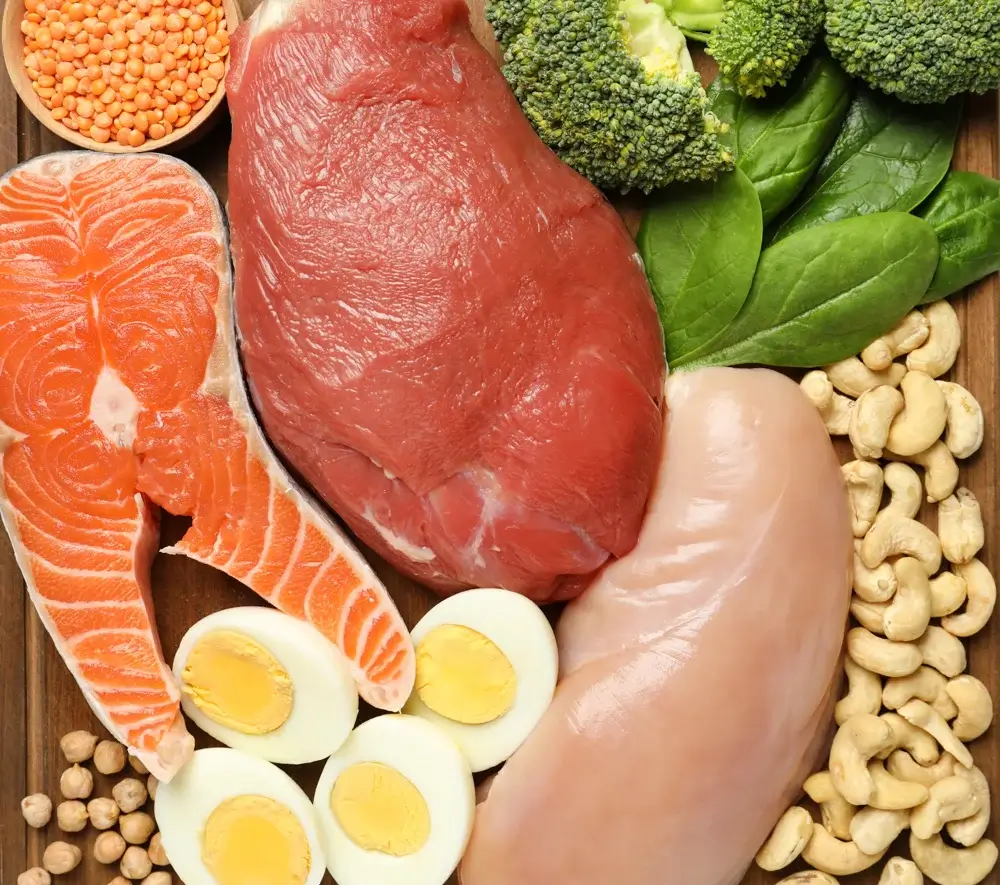
Are you looking to lose weight? Build muscle? Or simply stay full for longer? Protein is the key macronutrient you need to focus on. There’s no shortcut here.
Indeed, eating enough protein can help stabilize blood sugar, reduce cravings, and support your weight goals.
You probably know this already: not all protein is the same. And if you’re trying to increase your protein intake, knowing which foods contain the most protein per serving can make meal planning much easier.
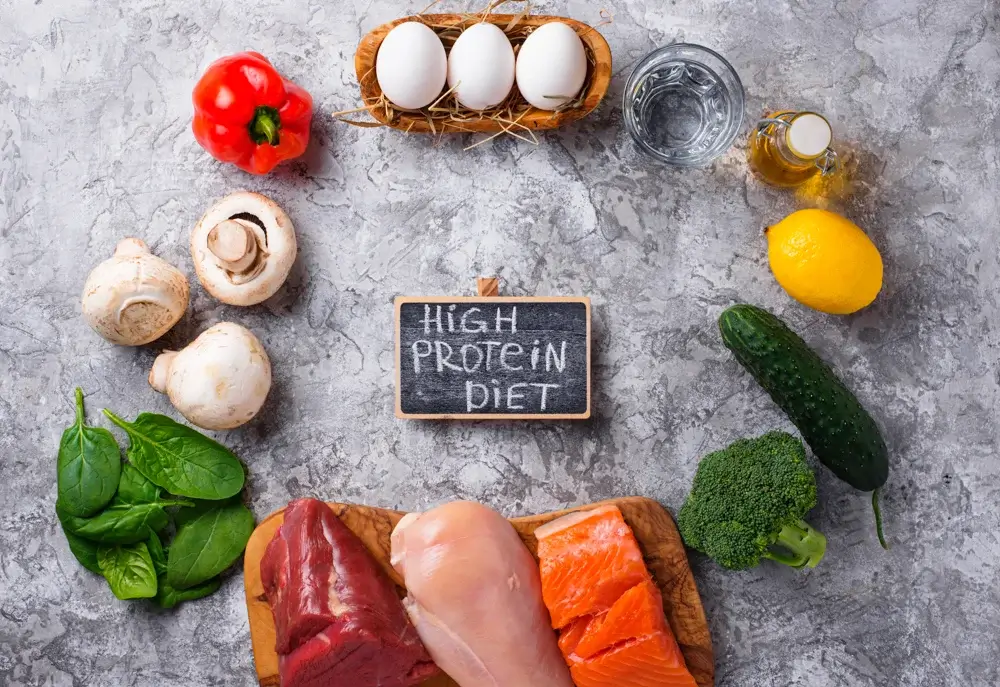
Today, we are looking at the benefits of protein, particularly for weight loss, listing 50+ foods highest in protein per serving, and a 7-day high-protein meal plan to get you started on a high-protein diet.

Why Protein Matters
Protein is one of the most essential nutrients for overall health. Indeed, protein helps build and repair tissues, supports muscle health, and plays a vital role in a plethora of processes in the body.
Unlike carbs and fats, protein is made up of amino acids, which are literally called the building blocks of the body. So, yes, protein is that important. These amino acids help your body repair cells, maintain muscle, and support overall health.
Getting enough protein in your diet can also help with energy levels, appetite control, and long-term wellness. That’s why many nutrition experts recommend including some protein in every meal.
Here are some of the reasons protein should absolutely be part of your regular diet.
1. Helps Build and Maintain Muscles
Protein is essential for building and maintaining muscle.
Every day, your body is constantly repairing and rebuilding muscle tissue. Eating enough protein provides the amino acids needed for this process, essentially helping your body to stay strong and healthy.
Protein is especially important if you exercise regularly or do strength training. My gym girls know the drill. It is a constant struggle trying to hit your daily protein intake, whether it’s 100 grams or 120 grams. You need this protein to build and repair muscle.
And remember, even if you’re not trying to build muscle, getting enough protein still matters. As we age, muscle mass naturally declines over time. Eating enough protein can help support muscle maintenance and overall strength.
2. Keeps You Full for Longer
This is one of the main reasons protein is so important for weight loss. It is known for being one of the most filling nutrients.
Basically, meals that include protein tend to keep you full for longer compared to meals that are mostly carbs. Being full for longer reduces the need to constantly snack on unhealthy options.
Besides, protein also affects several hormones that control appetite. It can increase hormones that signal fullness while lowering levels of the hormone that triggers hunger.
Because of this, meals with protein often feel more satisfying.
3. Supports Healthy Metabolism
This is another reason protein is so good for weight loss and general weight management.
Your body actually burns more energy digesting protein than it does digesting carbohydrates or fats, for that matter. This is known as the thermic effect of food.
In short, it takes more work for your body to break down protein, which slightly increases the number of calories burned during digestion.
Additionally, as mentioned, protein also helps support lean muscle mass, and muscle tissue burns more calories than fat tissue, even when at rest.
4. Helps Balance Blood Sugar
Adding protein to your meals can help support more stable blood sugar levels throughout the day.
Here’s how it works: when your meals are made up of mostly refined carbohydrates, blood sugar levels can rise quickly and then drop shortly afterwards. This is what leads to energy crashes, cravings, and feeling hungry 10 minutes after eating.
Protein slows down digestion, which helps carbohydrates enter the bloodstream more slowly. This prevents sharp spikes and dips in blood sugar.
And by balancing blood sugar, protein prevents the spikes and dips in energy that often lead to cravings and snacking on unhealthy food choices.
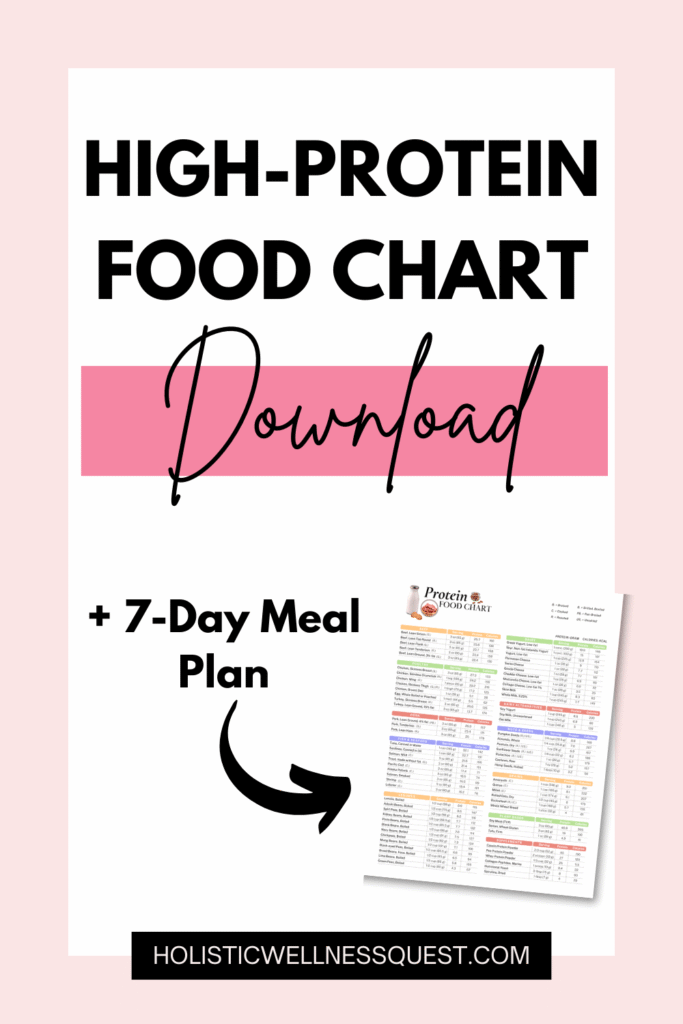
Get Our High-Protein Food Chart + 7-Day Meal Plan
Enter your email below to receive our free high-protein food chart and meal plan delivered to your inbox.
5. Supports Healthy Aging
Protein becomes even more important as we get older.
Maintaining muscle mass, strength, and mobility is essential for healthy aging. Getting enough protein is how you support muscle preservation and physical function as you age.
Besides, protein also plays an important role in supporting bone health, immune function, and tissue repair. All of which is essential for healthy aging.
6. May Improve Brain Function and Focus
Protein isn’t just for your body. It also supports your brain.
Protein provides amino acids that your body uses to create important brain chemicals called neurotransmitters. These chemicals help regulate focus, alertness, and mental clarity.
For instance, the amino acid tyrosine helps produce dopamine and norepinephrine, two neurotransmitters that play a role in attention and concentration.
Besides, getting enough protein throughout the day can help support steady energy levels and may make it easier to stay focused.
7. May Boost Mood and Reduce Stress
Certain amino acids found in protein help the body produce neurotransmitters like serotonin and dopamine, which influence mood and feelings of happiness.
For example, the amino acid tryptophan helps the body produce serotonin, a neurotransmitter often associated with calmness and emotional balance.
And remember, eating enough protein every day becomes so much easier when you plan your meals ahead of time.
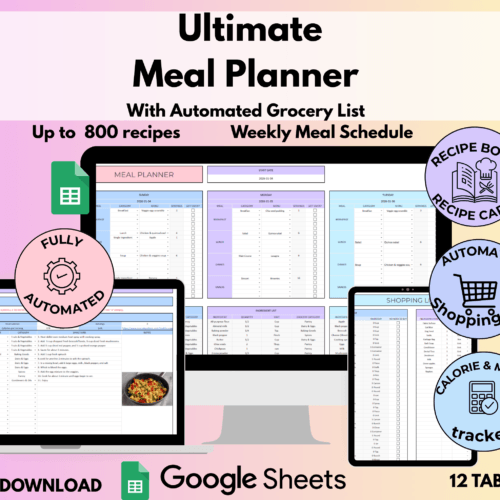
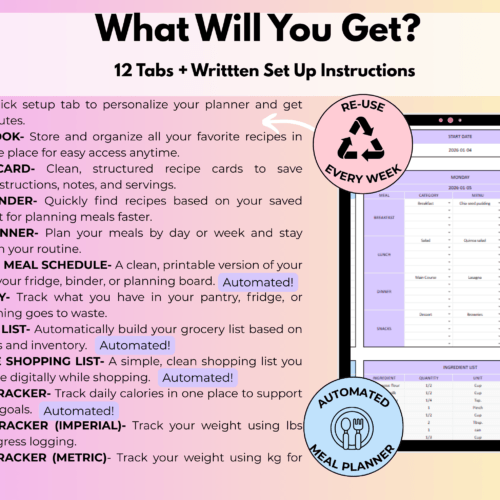
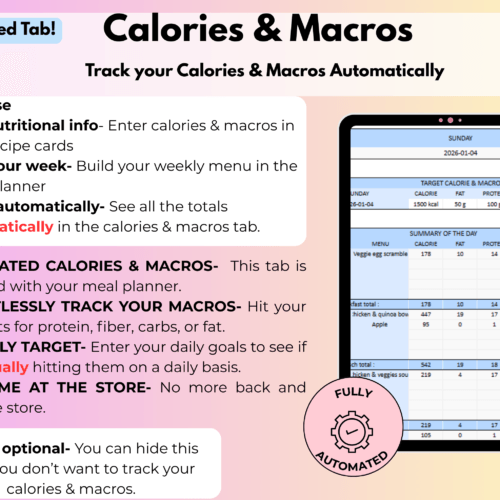
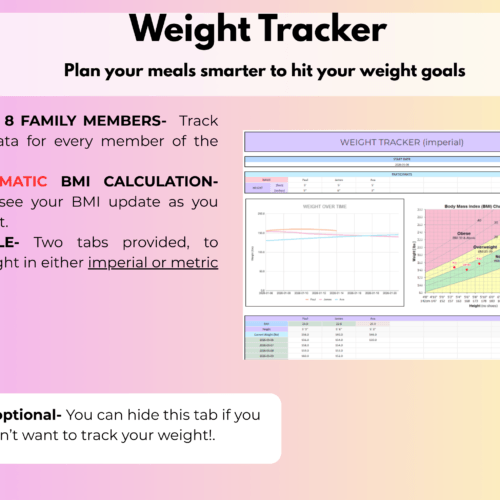
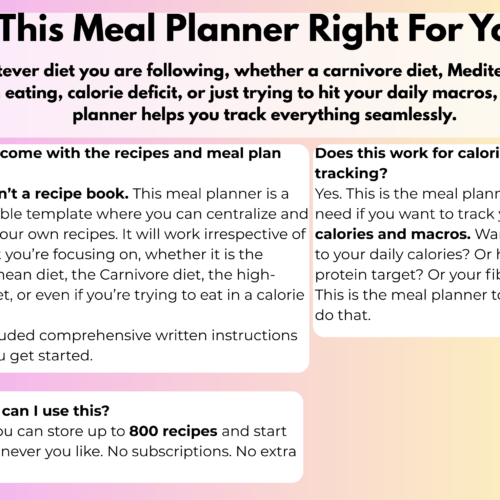
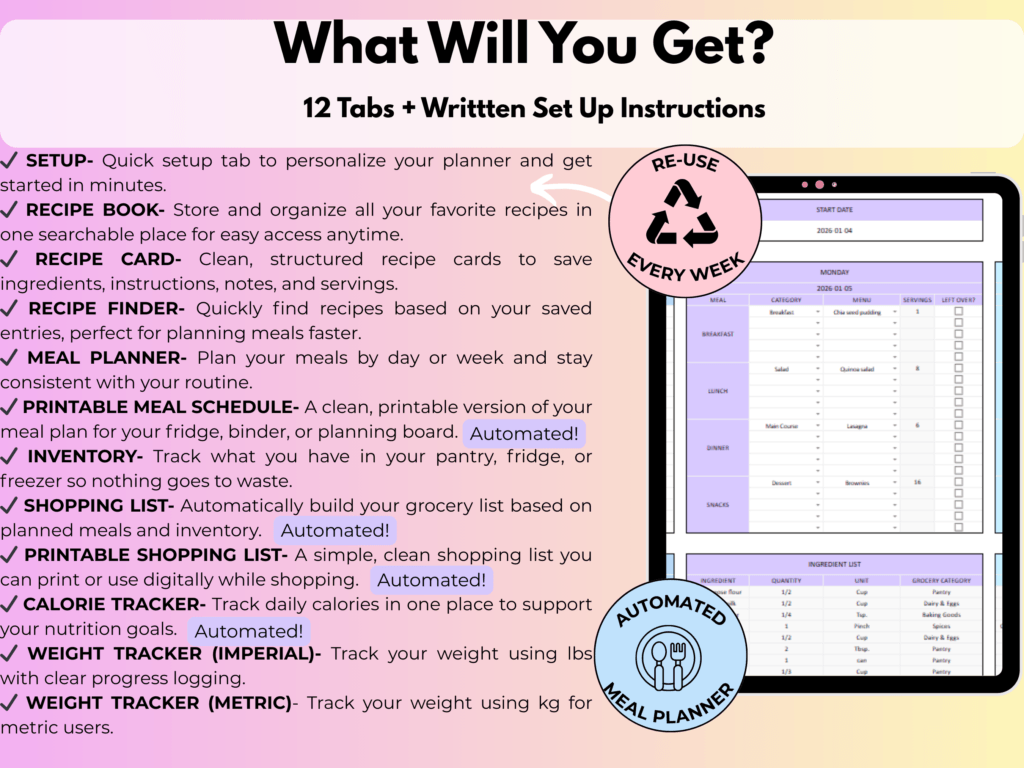
I personally use a Google Sheets Weekly Meal Planner that is good for not only planning your weekly meals but also automatically generating grocery lists, tracking calories and macros, and storing recipes (up to 800 recipes) all in one place!
So, if you want to stay organized in the kitchen and make high-protein meal planning easier, grab my weekly meal planner spreadsheet.
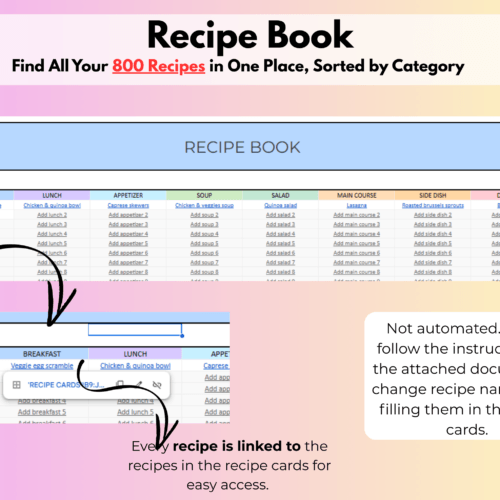
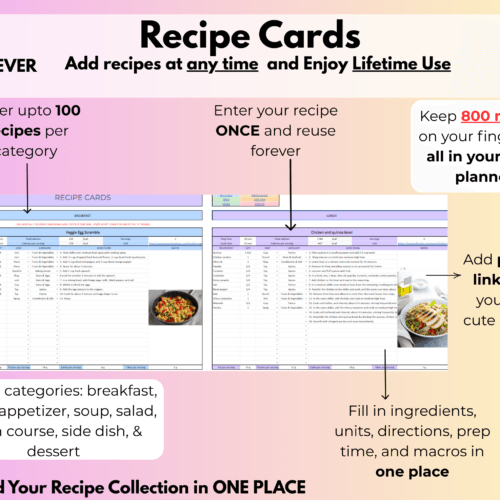
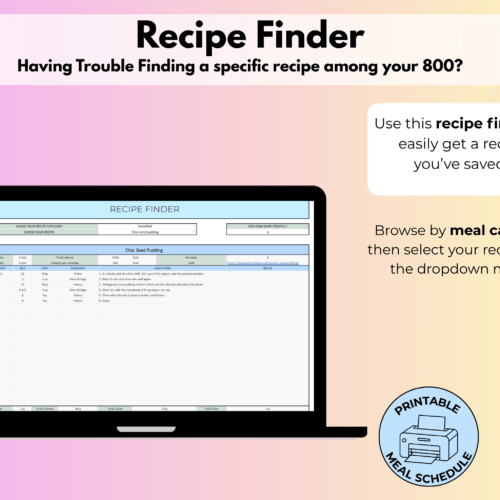
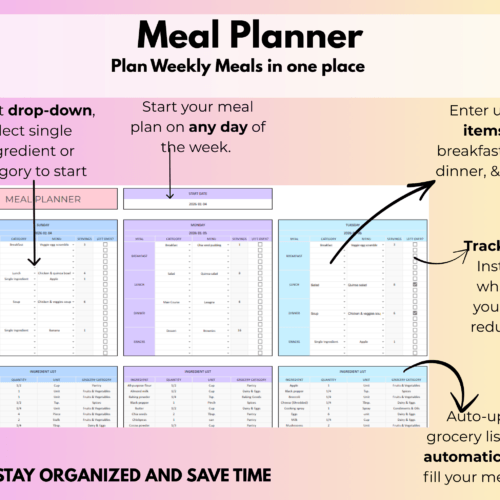
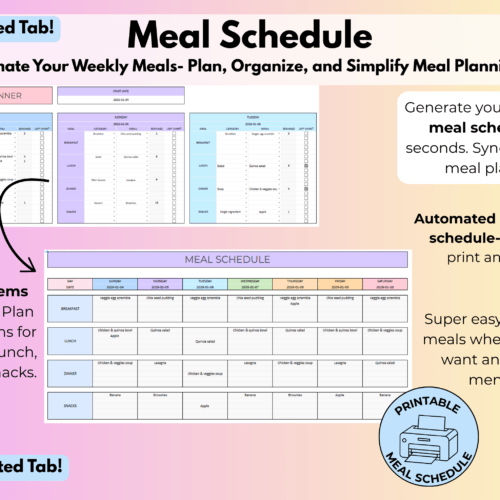
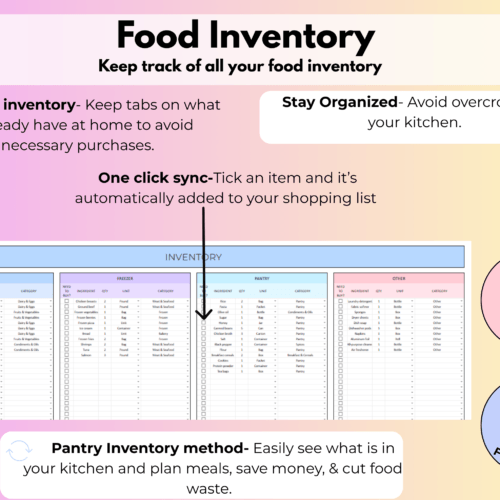
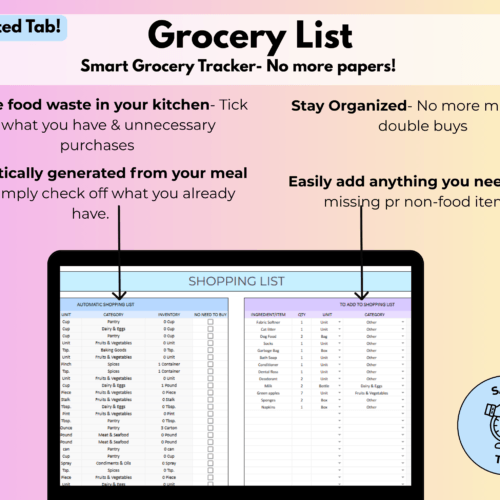
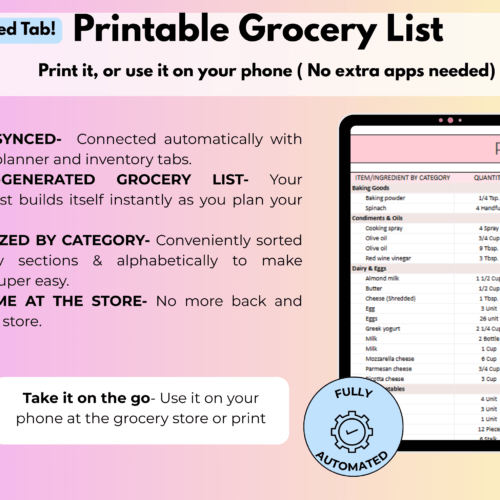

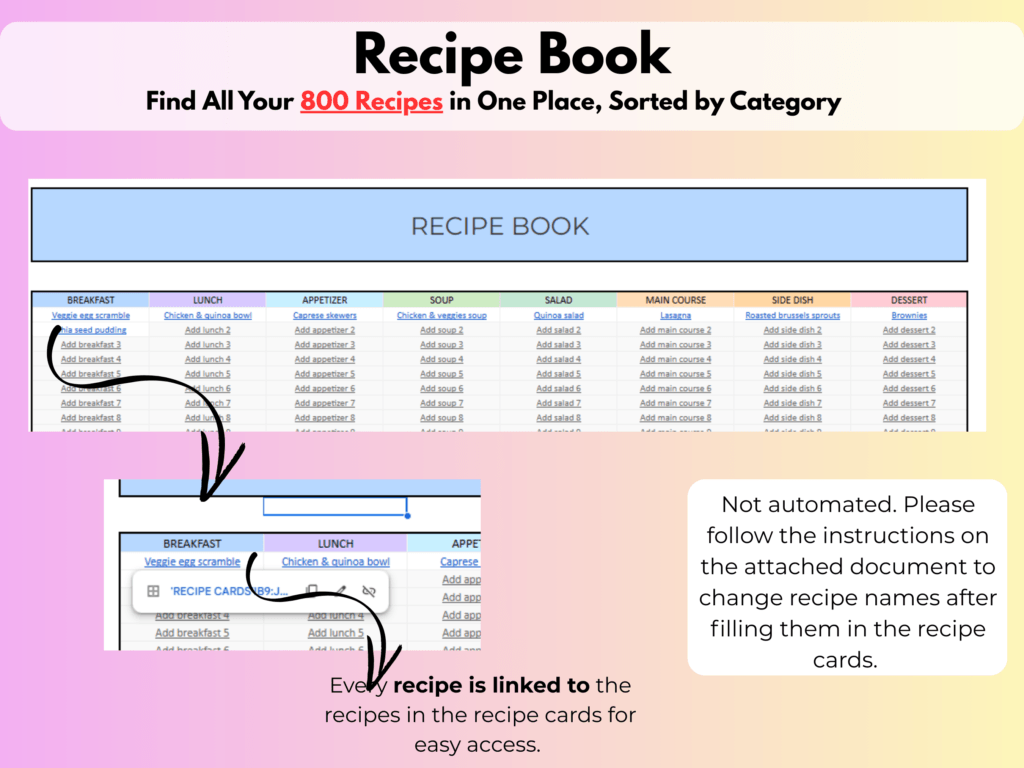
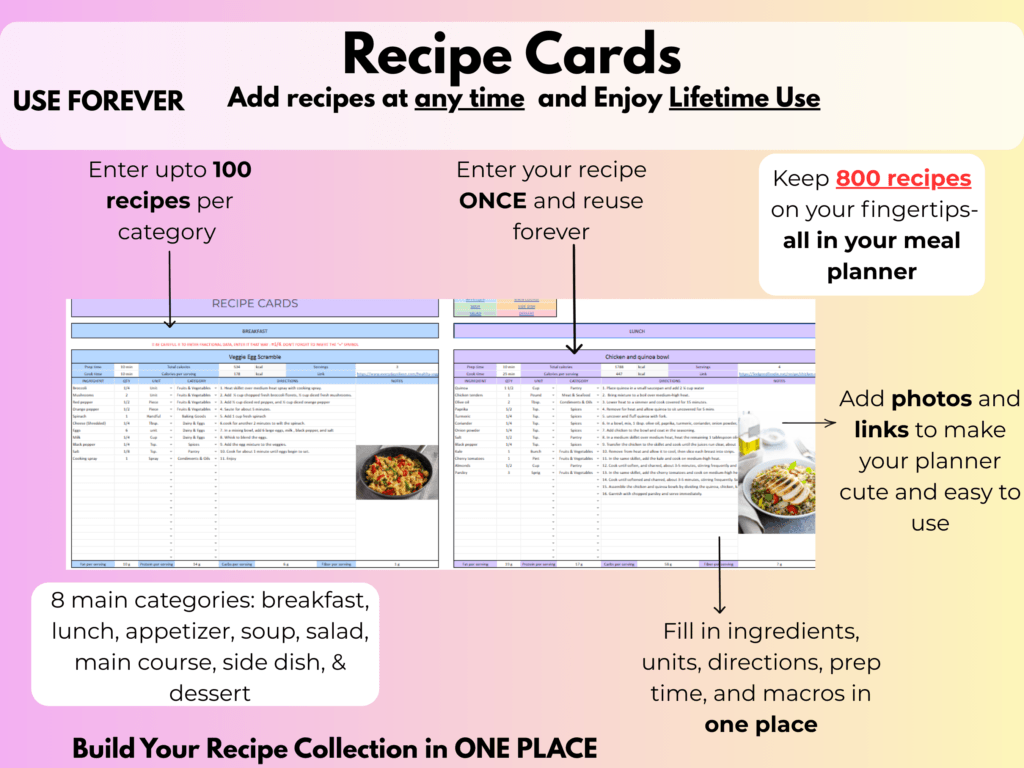
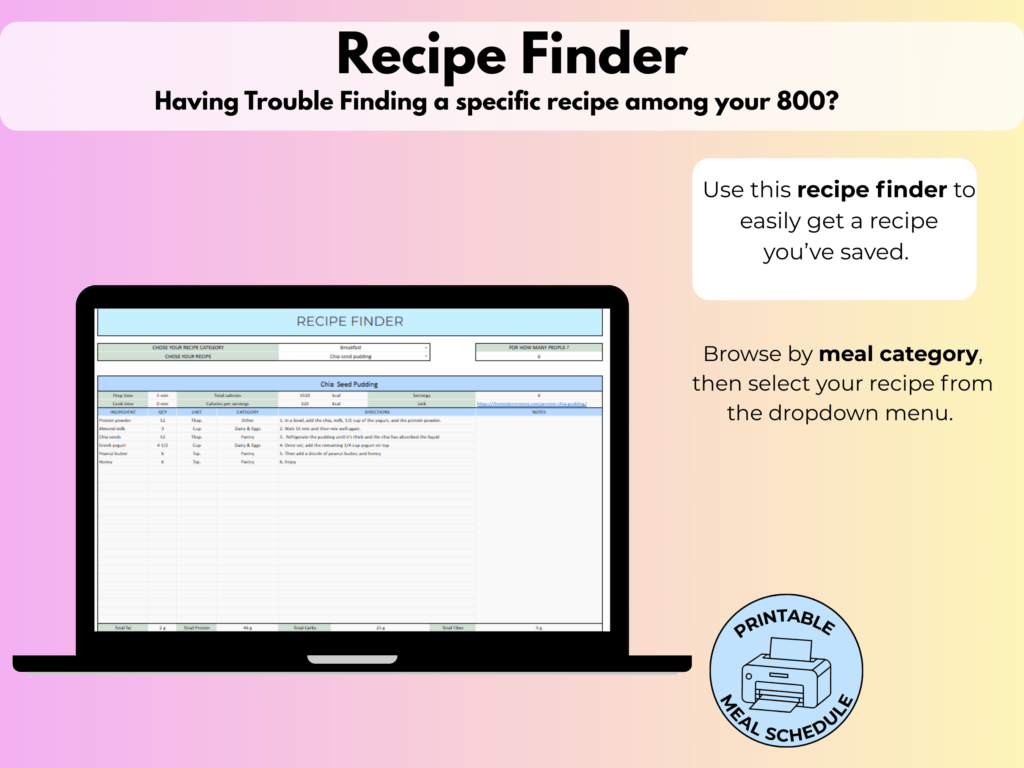
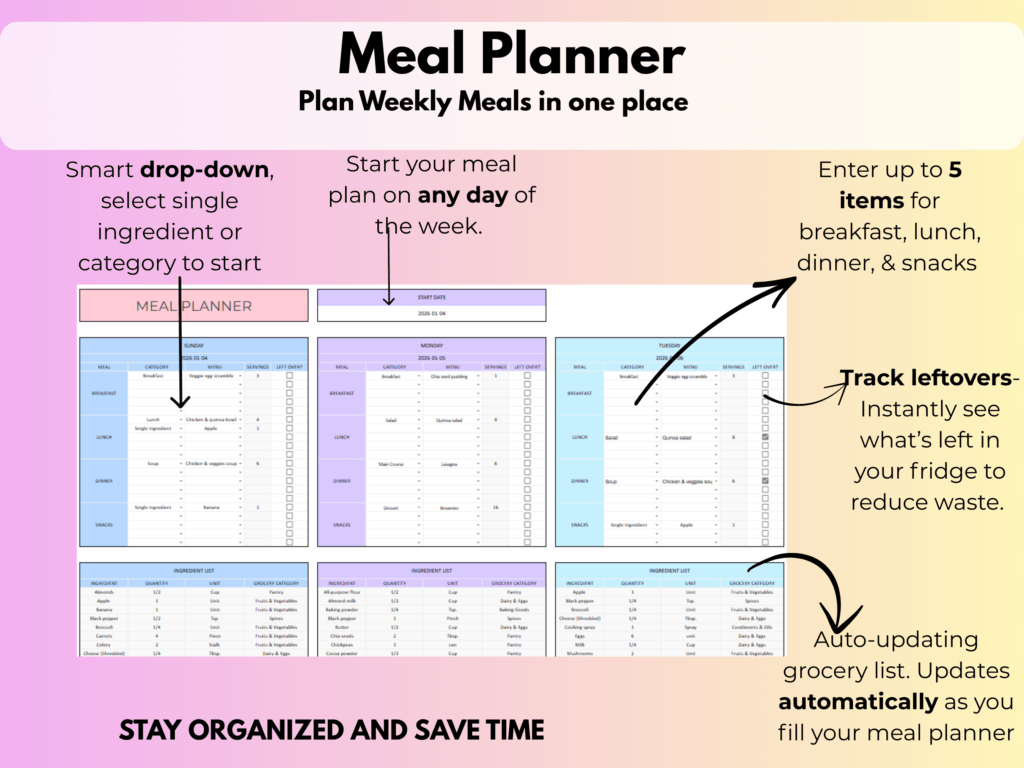
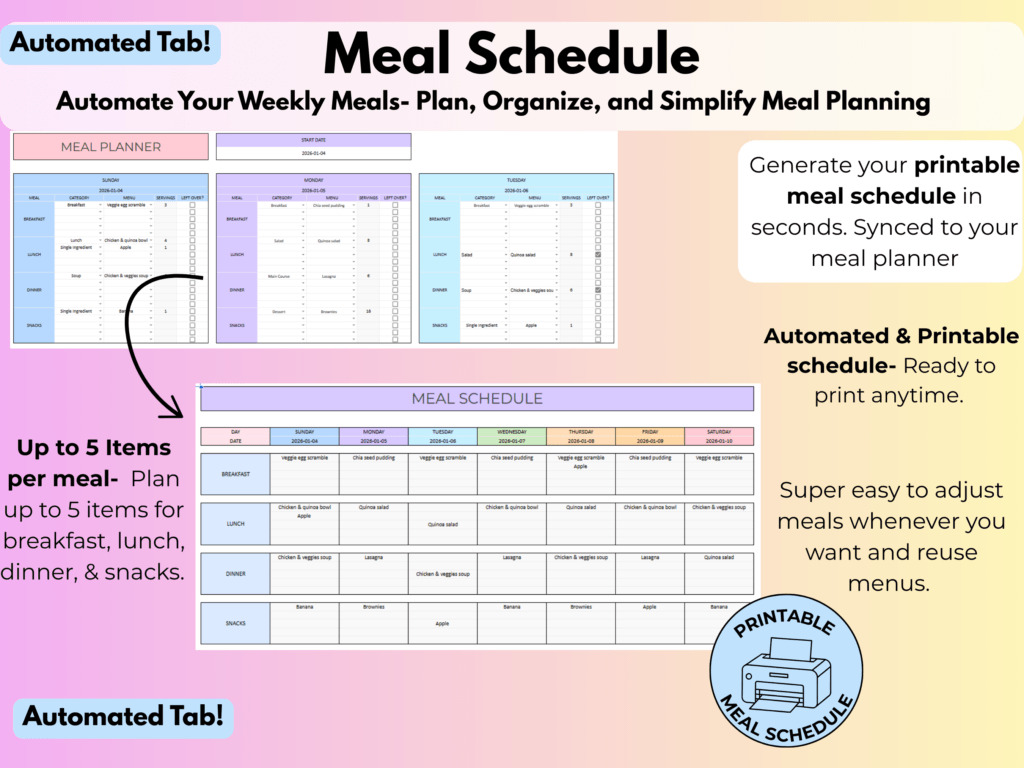
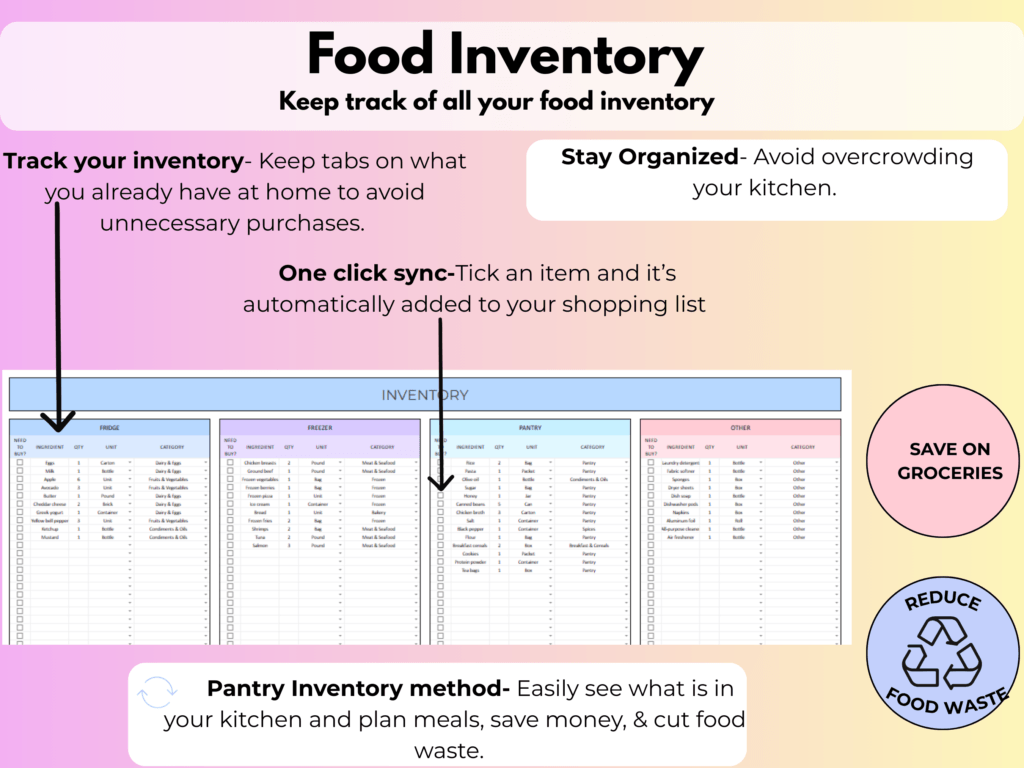
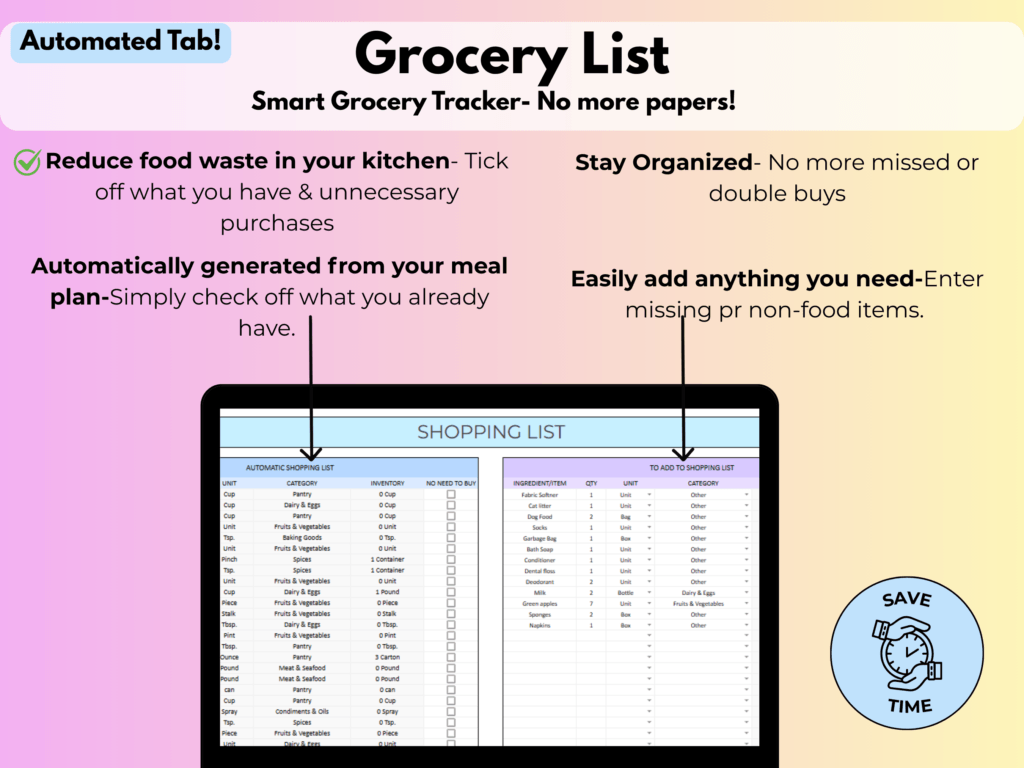
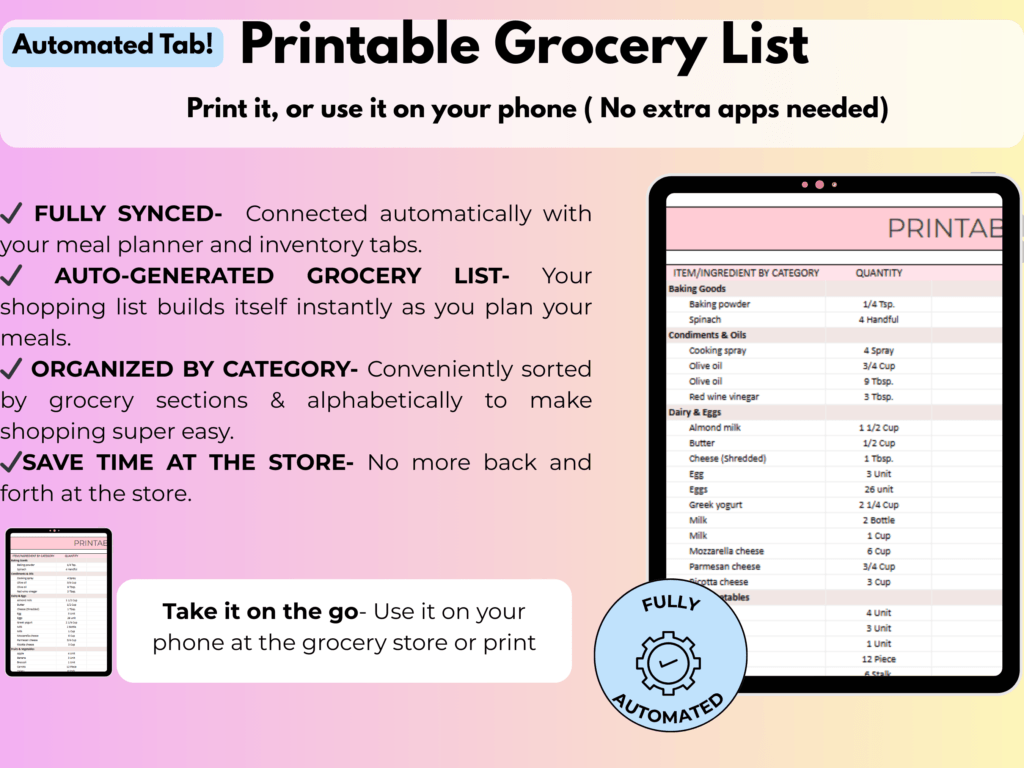
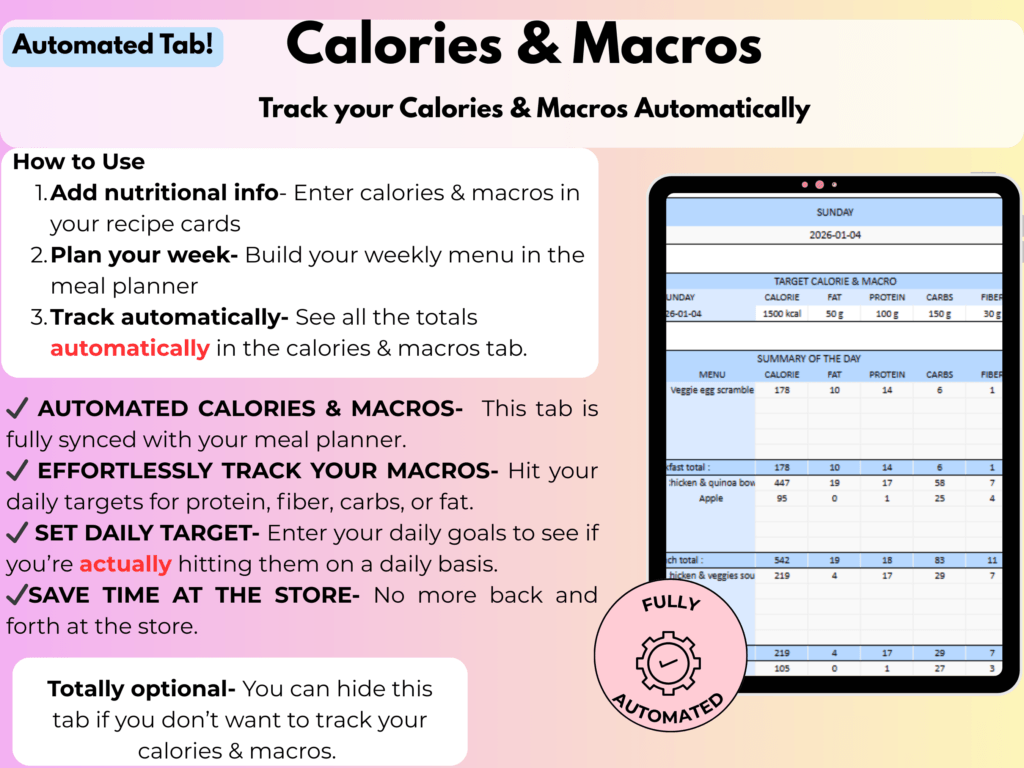
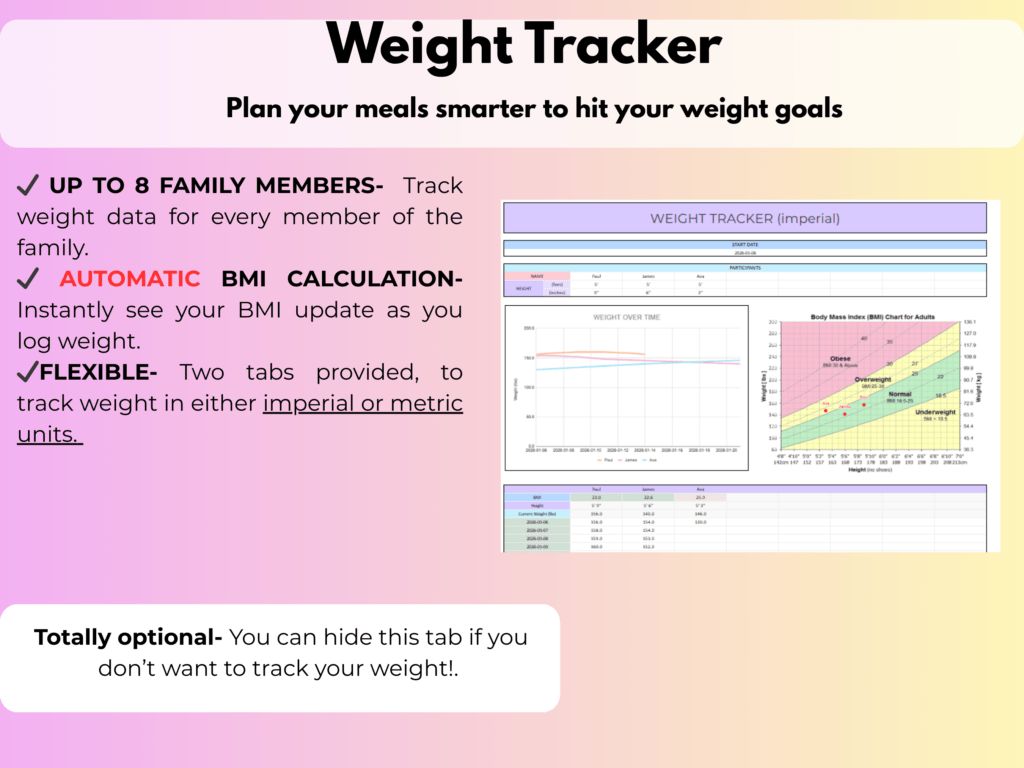
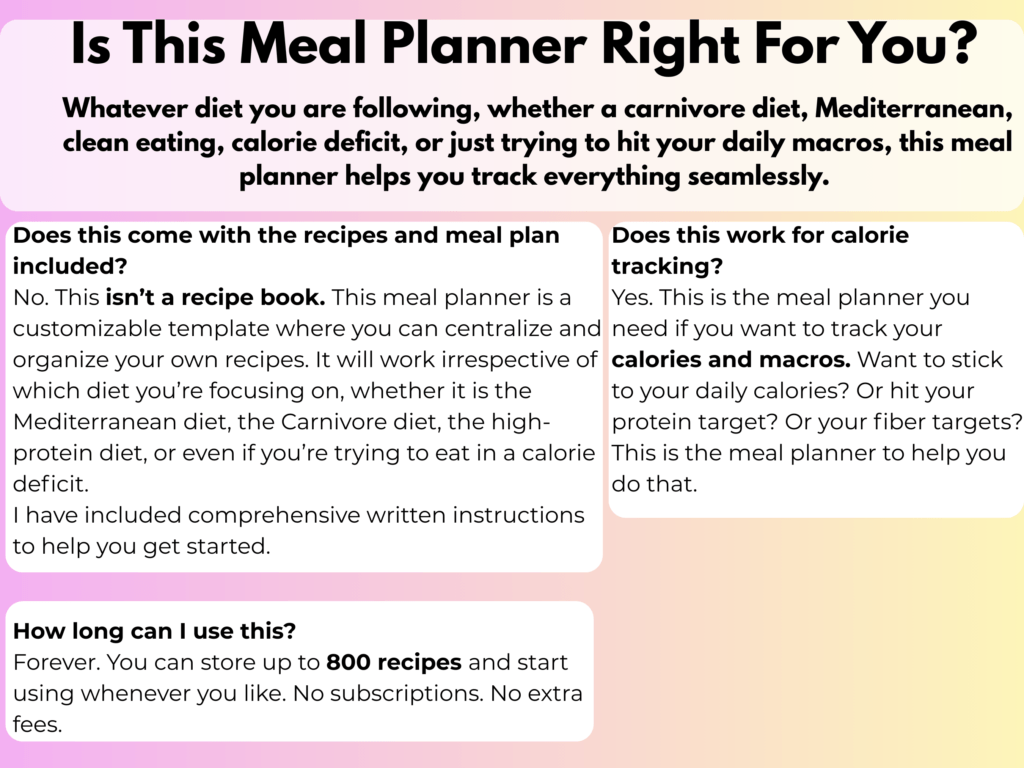
Weekly Meal Planner Spreadsheet with Automated Grocery List & Calorie Tracking
A simple all-in-one weekly meal planner spreadsheet to help you plan weekly meals, organize recipes, auto-generate grocery lists, and track calories and macros.
How Much Protein Do You Actually Need?
Protein needs vary depending on things like age, activity level, and overall health.
A common guideline is around 0.8 grams of protein per kilogram of body weight per day for an average sedentary adult. For instance, a person who weighs 171 pounds( around 77kgs) should aim for roughly 62 grams of protein per day.
If you noticed above, I mentioned a sedentary person; this number increases quite a bit for people who exercise regularly. That’s why it’s common for people going to the gym and doing strength training to hit 100 grams or 120 grams of protein per day.
Indeed, someone who’s at the gym regularly lifting weights needs 1.2 to 1.7 grams of protein per kilogram of body weight.
The easiest way to reach your protein needs is simply by including a variety of protein-rich foods throughout the day.
And that’s where this list can help.
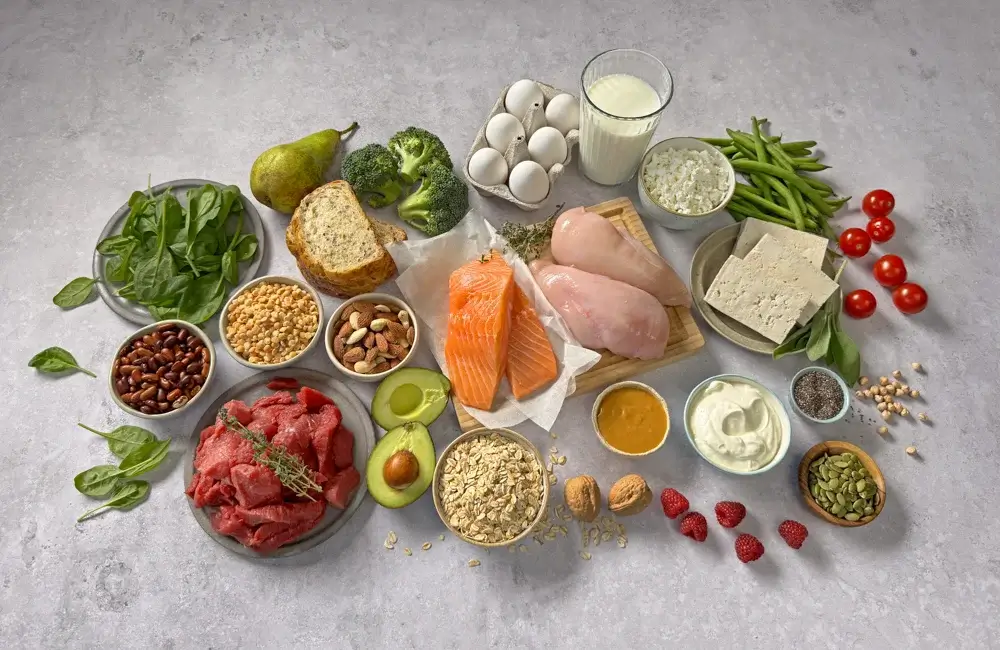
Below are 50 foods highest in protein per serving, so you can easily add more protein to your meals and snacks.
50 Foods Highest in Protein Per Serving.
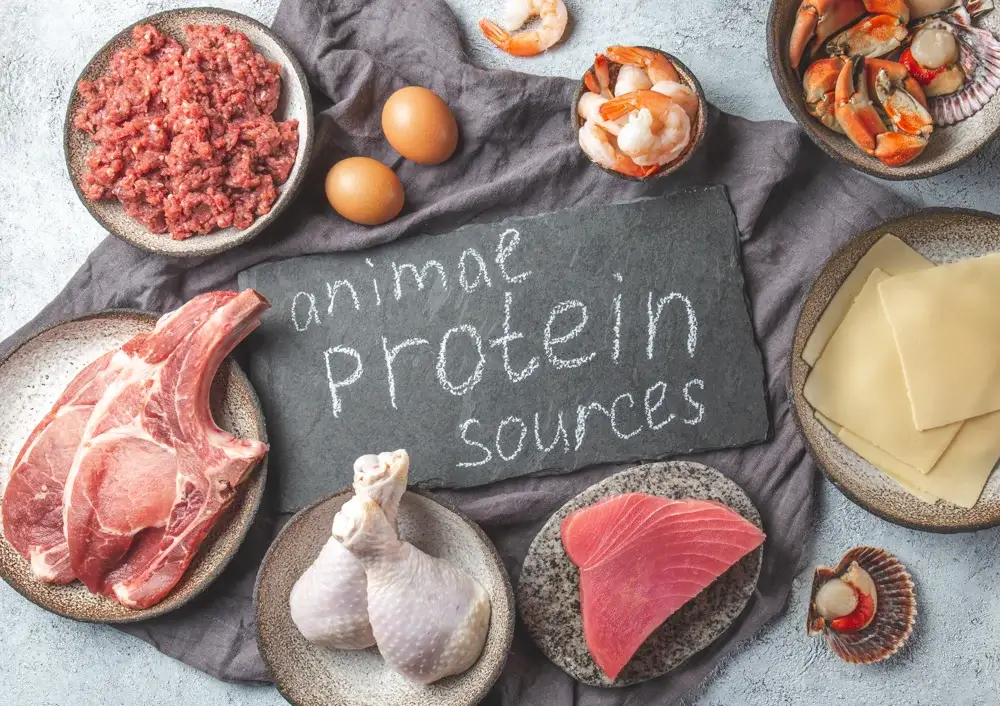
High-Protein Animal Foods
- Chicken breast – 35g per 4 oz
- Turkey breast – 34g per 4 oz
- Tuna- 30g per 4 oz
- Bison- 28g per 4 Oz
- Duck breast – 28g per 4 oz
- Lamb( lean)- 28g per 4 Oz
- Venison – 28g per 4 oz
- Pork loin- 26g per 4 oz
- Lean beef- 26g per 4 oz
- Ground turkey – 23g per 4 oz
- Shrimp – 24g per 4 oz
- Sardines- 23g per 4 oz
- Clams- 22g per 4 oz
- Salmon- 22g per 4 oz
- Cod- 20g per 4 oz
- Greek yogurt – 17-20g per serving
- Cottage cheese – 14g per ½ cup
- Parmesan cheese – 10g per ounce
- Milk- 8g per cup
- Eggs- 6g per egg
- Egg whites – 11g per ½ cup
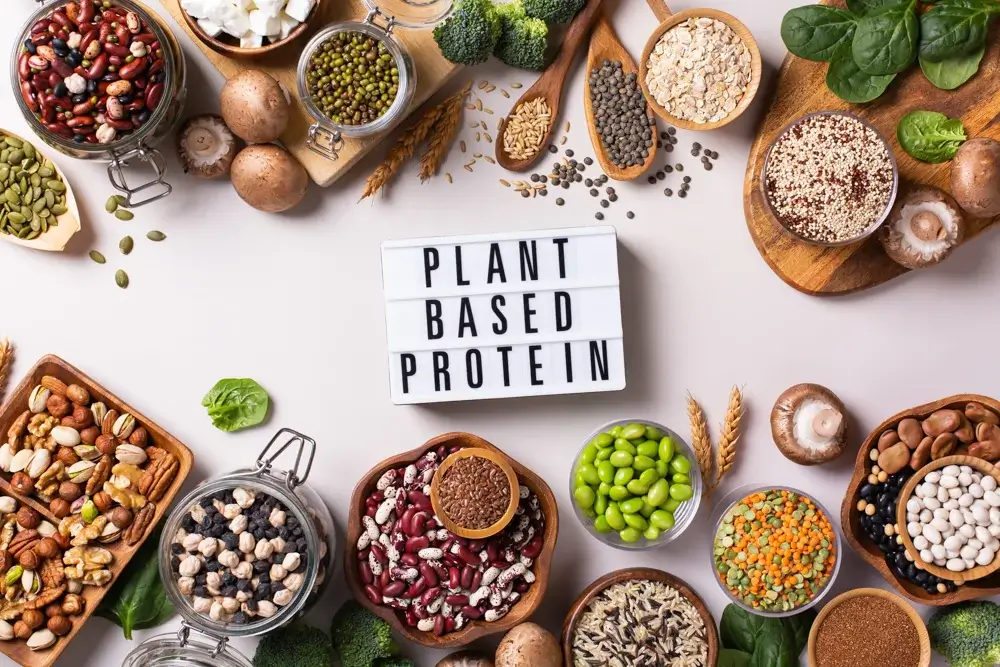
Plant-based Protein Foods
- Tempeh- 31g per cup
- Lupini beans- 26g per cup
- Tofu-20g per cup
- Lentils – 18g per cup
- Edamame – 17g per cup
- Navy beans- 15g per cup
- Chickpeas – 15g per cup
- Black beans- 15g per cup
- Kidney beans – 13g per cup
- Fava beans- 13g per cup
- Green peas- 9g let cup
- Amaranth- 9g per cup
- Quinoa – 8g per cup
- Farro- 6g per cup
- Oats- 6g per cup
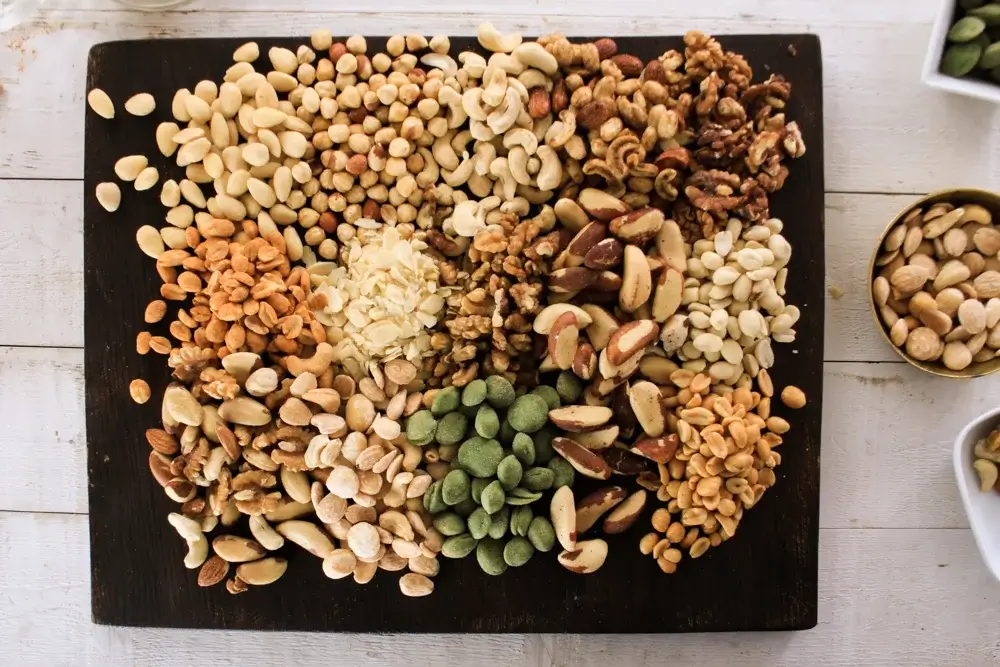
Nuts and Seeds High in Protein
- Hemp seeds- 10g per ounce
- Peanuts-7g per ounce
- Pumpkin seeds- 7g per ounce
- Almonds- 6g per ounce
- Pistachios – 6g per ounce
- Sunflower seeds- 6g per ounce
- Cashews- 5g per ounce
- Chia seeds – 5g per ounce
- Flax seeds – 5g per ounce
- Walnuts- 4g per ounce
Other High-Protein Foods
- Protein powder – 20-25g per scoop
- Protein bars- 15-20g per bar
- Seitan- 25g per 3 oz
- Peanut butter – 8g per 2 tbsp
- Almond butter – 7g per 2 tbsp
- Nutritional yeast – 8g per 2 tbsp
- Spirulina- 8g per 2 tbsp
- Ezekiel bread – 8g per 2 slices
Want Help Planning Your Meals?
If you’re trying to include more of these high-protein foods in your diet, meal planning can make a huge difference.
I created a Google Sheets meal planner that helps you plan your meals, automatically generate a grocery list based on your meal plan, and track calories and macros if you want to.
You can plan breakfast, lunch, dinner, and snacks, save up to 800 recipes, track your pantry inventory, and reuse the planner every week.
Weekly Meal Planner Spreadsheet with Automated Grocery List & Calorie Tracking
A simple all-in-one weekly meal planner spreadsheet to help you plan weekly meals, organize recipes, auto-generate grocery lists, and track calories and macros.
Simple 7-Day High-Protein Meal Plan


Day 1
Breakfast
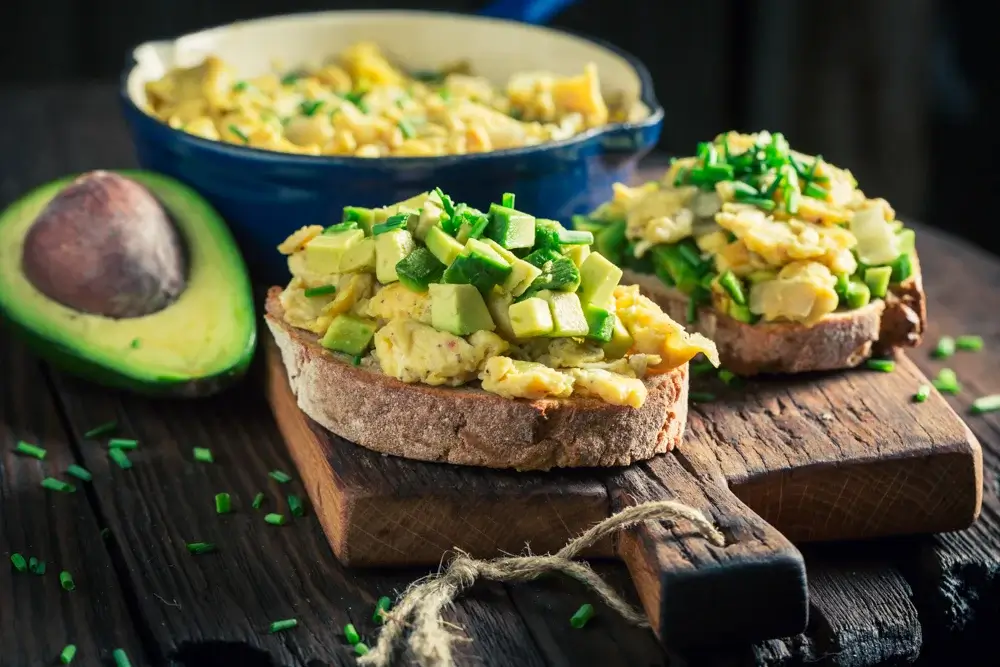
Scrambled eggs served over whole-grain toast and avocado.
Lunch
Grilled chicken salad with mixed greens, cherry tomatoes, cucumber, olive oil, and lemon dressing.
Dinner
Baked salmon with roasted broccoli and quinoa.
Day 2
Breakfast
Greek yogurt topped with fresh berries, chia seeds, and a drizzle of honey.
Lunch
Turkey and avocado wrap with lettuce and tomato
Dinner
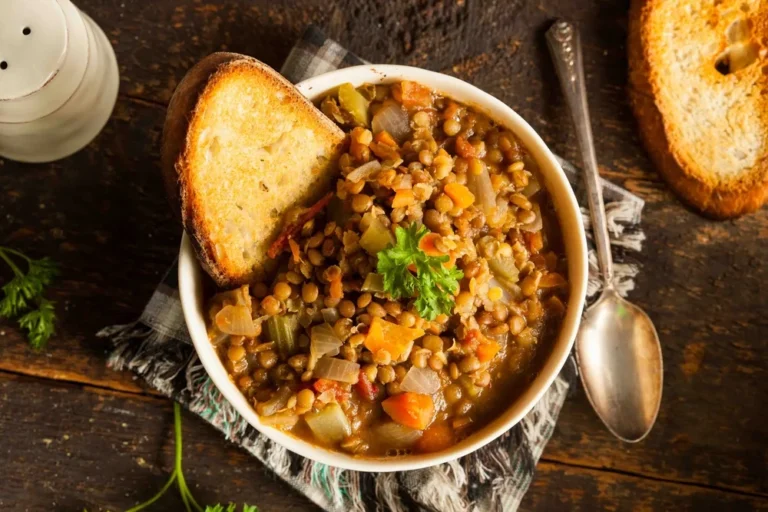
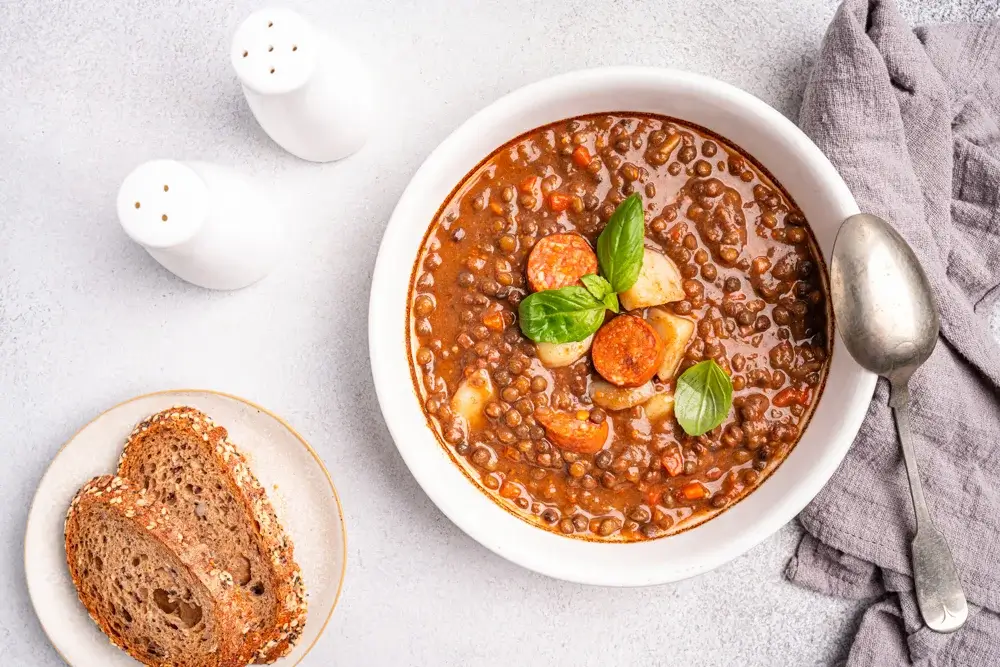
Lentil soup with a side of roasted vegetables and whole-grain toast.
Day 3
Breakfast
Protein smoothie made with protein powder, banana, spinach, almond milk, and peanut butter.
Lunch
Tuna salad with olive oil, lemon juice, celery, and mixed greens.
Dinner
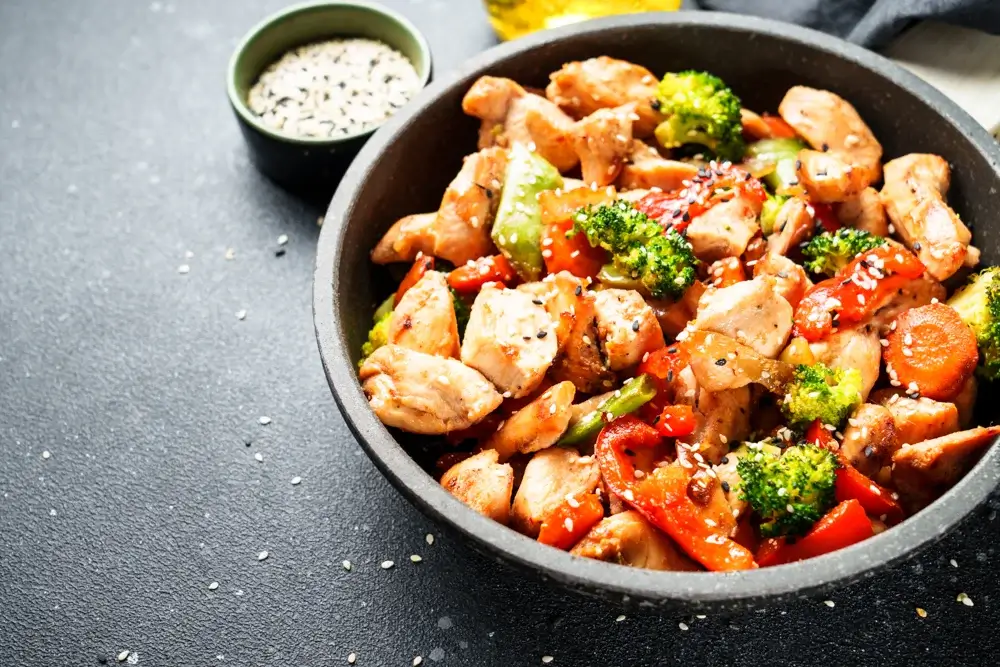
Chicken stir-fry with bell peppers, broccoli, and brown rice.
Day 4
Breakfast
Cottage cheese bowl topped with sliced peaches, almonds, and flax seeds.
Lunch
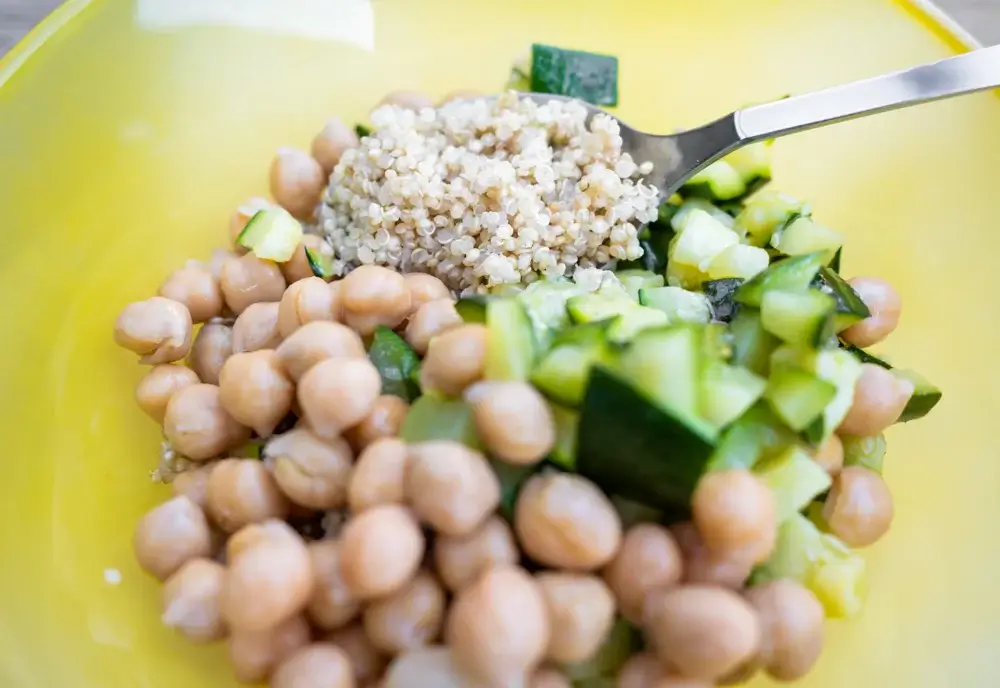
Quinoa bowl with chickpeas, cucumber, spinach, and tahini dressing.
Dinner
Grilled Shrimp served with sauteed zucchini and garlic brown rice.
Day 5
Breakfast
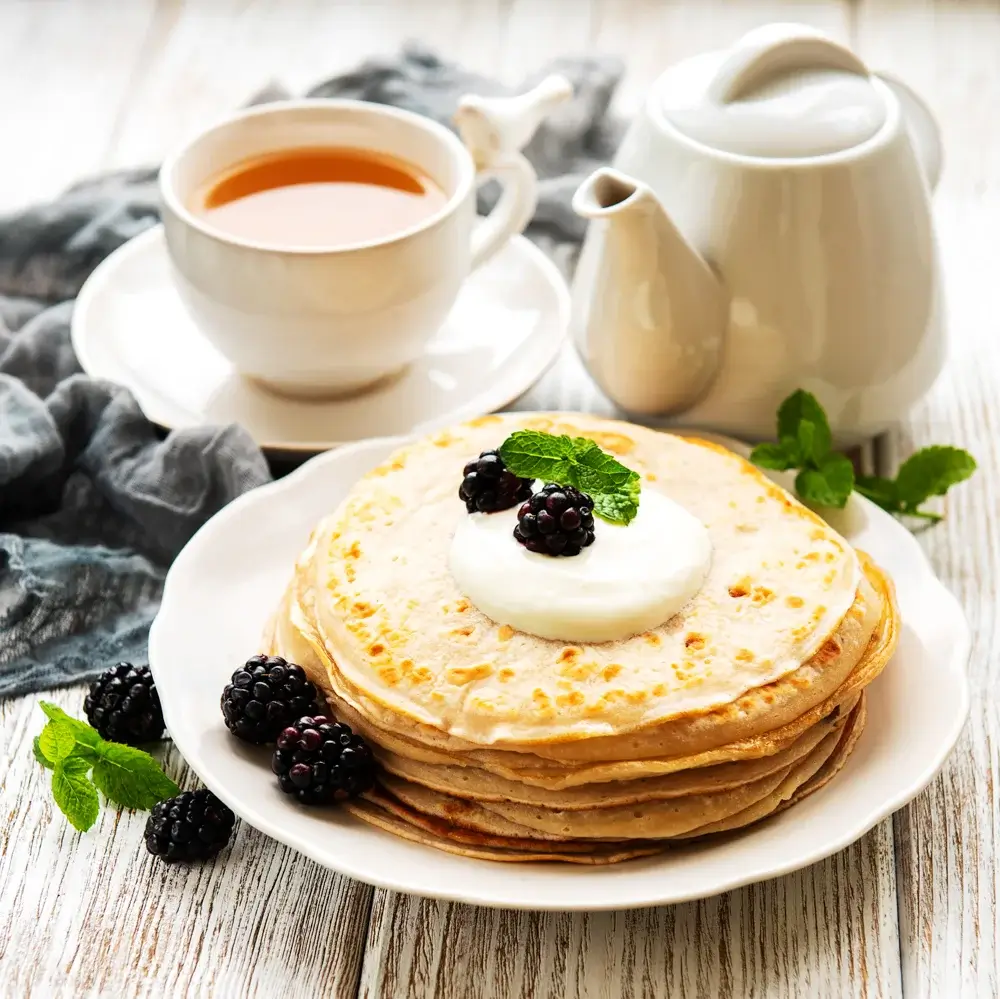
Protein pancakes topped with Greek yogurt and fresh berries.
Lunch
Chickpea salad with tomatoes, cucumber, feta cheese, olive oil, and herbs.
Dinner
Turkey meatballs served with marinara sauce and roasted vegetables.
Day 6
Breakfast
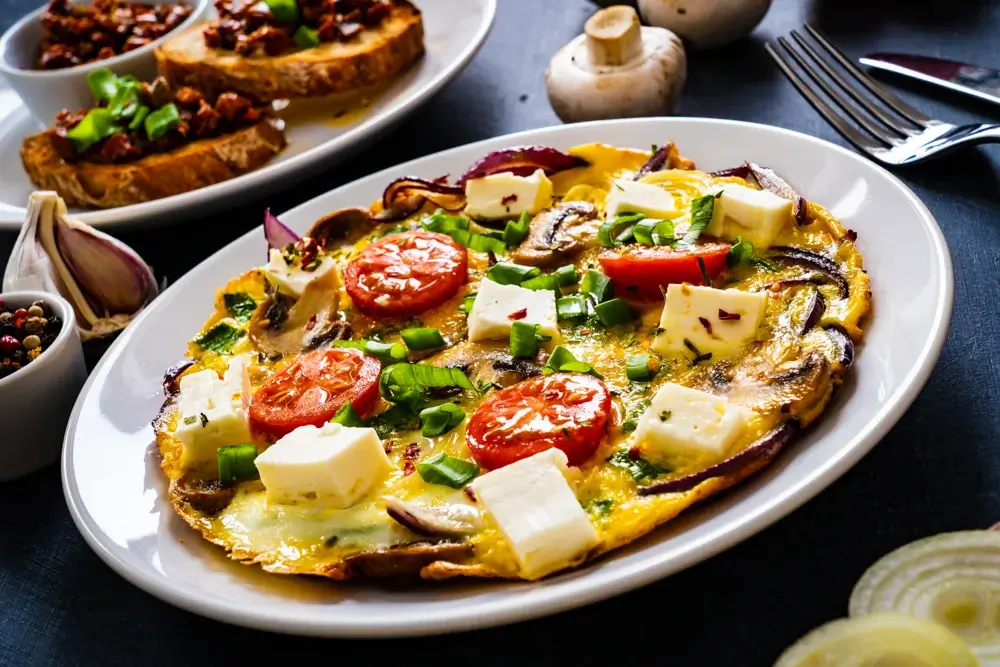
Vegetable omelet with spinach, mushrooms, tomatoes, and feta cheese.
Lunch
Chicken quinoa bowl with roasted sweet potatoes, avocado, and mixed greens.
Dinner
Baked salmon served with steamed broccoli and wild rice.
Day 7
Breakfast
Protein oatmeal made with oats, protein powder, almond butter, and banana slices.
Lunch
Greek yogurt egg salad served on whole-grain toast with lettuce.
Dinner
Stir-fry tofu with broccoli, carrots, and snap peas served over brown rice.
So you have the meal plan, want an easier way to actually plan these meals and stick to your high-protein meal plan?
I’ve got just the thing. My Google Sheets Meal Planner lets you plan meals for the entire week, automatically generate grocery lists, store all your recipes, and track calories and macros if you want to.
This is what every kitchen needs. You’ll stay organized, reduce food waste, and save time when grocery shopping.
Weekly Meal Planner Spreadsheet with Automated Grocery List & Calorie Tracking
A simple all-in-one weekly meal planner spreadsheet to help you plan weekly meals, organize recipes, auto-generate grocery lists, and track calories and macros.
Get Our High-Protein Food Chart + 7-Day Meal Plan
Enter your email below to receive our free high-protein food chart and meal plan delivered to your inbox.
Final Thoughts
Protein is one of the most important nutrients you can eat. It doesn’t matter your health goals, whether you’re trying to lose weight, gain muscle mass, or simply stay healthy, you need protein.
Basically, protein keeps you full and satisfied, making it easier to maintain healthy eating habits.
The awesome news is that there are many different foods naturally high in protein that you can easily add to your daily diet to hit your protein goals.
Until the next one loves.