Are You Low on Potassium? Here’s How to Tell- And Fix it Naturally With Potassium-rich Foods

Let’s talk about potassium.
And I mean really talk. We are sharing common potassium deficiency signs, a simple list of 25 potassium-rich foods you can add to your diet, and a detailed freebie printable of all potassium-rich foods.
Potassium has been unfairly reduced to the banana-only nutrient. Yet it is an essential mineral your body has been begging for (without you realizing it).
Potassium helps to regulate fluids in the body, send nerve signals, regulate muscle contractions, and keep our blood pressure normal. Without enough potassium, your body can throw mini tantrums from muscle cramps, to weird 3 pm fatigue that is completely unexplainable, to bloating. You know, all that glamorous stuff.
The kicker? Most of us don’t get enough potassium. Even if you eat a decently “healthy” diet, potassium unfortunately sometimes falls through the cracks.
The good news? It is entirely possible to get the right amount of potassium from potassium-rich foods without needing supplements or some super expensive wellness trend.
So, let’s take a look at potassium-rich foods you should be eating for energy and overall balance in the body.

So, What Exactly is Potassium and Why Might You be Deficient?
Potassium is an essential mineral and electrolyte. Being an electrolyte, it helps control your body’s electric charges.
In fact, potassium works alongside sodium to maintain an important physiological balance in your body. Specifically, sodium tends to raise blood pressure by holding on to fluid, while potassium helps your body flush out excess sodium, effectively lowering blood pressure. So, that means you need to find the right balance between the two for effective hydration.
In short, you need potassium on your team. It plays a vital role in nerve function, kidney function, and how your cells stay healthy and hydrated.
Most of us get some potassium from the foods we eat, from fruits and vegetables, to nuts and legumes. However, most of us still fall short. And sometimes by a long shot. This is particularly true if you consume a lot of processed foods.

So, Why Are You Not Getting Enough Potassium?
You might be running low on potassium if:
- You eat a lot of processed foods. If your diet lacks fresh produce, you might not get enough potassium.
- You’re on a low-carb diet, such as keto or carnivore diet – A lot of super restrictive diets accidentally cut out potassium-rich foods.
- You sweat alooot- whether you’re a gym rat or just live somewhere really hot, sweat drains your potassium stores.
- You’ve a stomach bug or food poisoning – yes, unfortunately, vomiting and diarrhea = potassium loss.
- You’re taking certain medications- Especially diuretics, laxatives, or blood pressure meds.
And How Much Potassium Do You Really Need?
The recommended daily intake (RDI) for potassium is:
2600 mg for adult women
3300 mg for adult men
Unfortunately, most people are getting far less than that – around 1000 mg or less.

What are the Symptoms of Low Potassium
Low potassium ( hypokalemia) can unfortunately sneak up on you.
If you’ve been feeling off lately and suspect potassium, here are a few signs to watch out for:
Random fatigue and weakness- Low potassium means your muscles can’t function effectively, leading to weakness and general fatigue.
Leg cramps or muscle twitches ( especially at night)– As mentioned, potassium directly affects muscle function and helps our muscles contract. Not having enough leads to muscle weakness, and sometimes twitches and cramping.
Constipation or bloating– Too little potassium can cause digestive issues since it allows your brain to send signals to your digestive muscles, telling them exactly what to do- no signals, no muscle contractions, hence constipation and bloating.
Heart palpitations or irregular heartbeat – Potassium is absolutely vital for a healthy heart, particularly, heart muscle contractions. Low potassium can disrupt your normal heartbeat.
Numbness and tingling – Because potassium helps support healthy nerve function, not getting enough can weaken nerve signals, leading to numbness or tingling.
Mood changes, such as feeling unusually irritable or super anxious.
If this list hits a little close to home, then here are the potassium-rich foods you should totally add to your diet.
The good news is that you don’t need to overhaul your life or count milligrams all day long.
25 Potassium-rich Foods
Each of the foods I have listed below includes potassium content per the standard serving to help you actually plan your meals like a pro.
And, none of these tastes like cardboard. Because let’s be real, no one wants to eat cardboard, no matter “how good for them,” it is.
Fruits
1. Bananas
This is the OG potassium food, and for good reason.
It has 422 mg of potassium per medium-sized banana.
And it is perfect for smoothies, oatmeal, or on-the-go snacking.

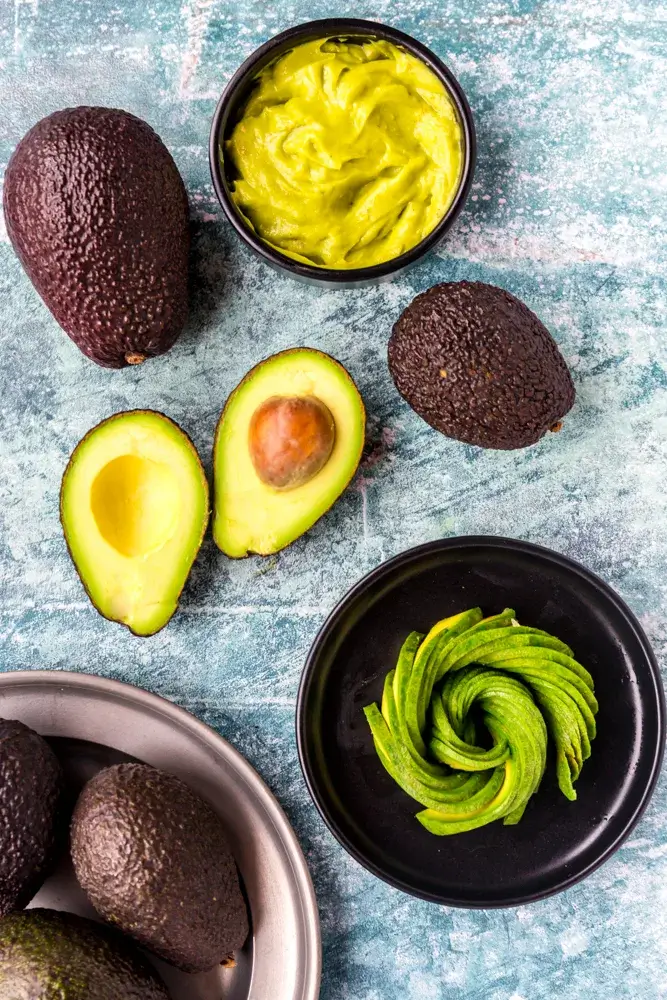
2. Avocadoes
Creamy, trendy, and yes, loaded with healthy fats and potassium.
It has 975 mg of potassium per cup( ½ avocado gives you around 485 mg.)
You can eat it with toast, in salads, or straight up with a spoon.
3. Cantaloupe
This is a refreshing, sweet, and hydrating fruit that delivers when it comes to potassium.
It has around 472 mg of potassium per cup.
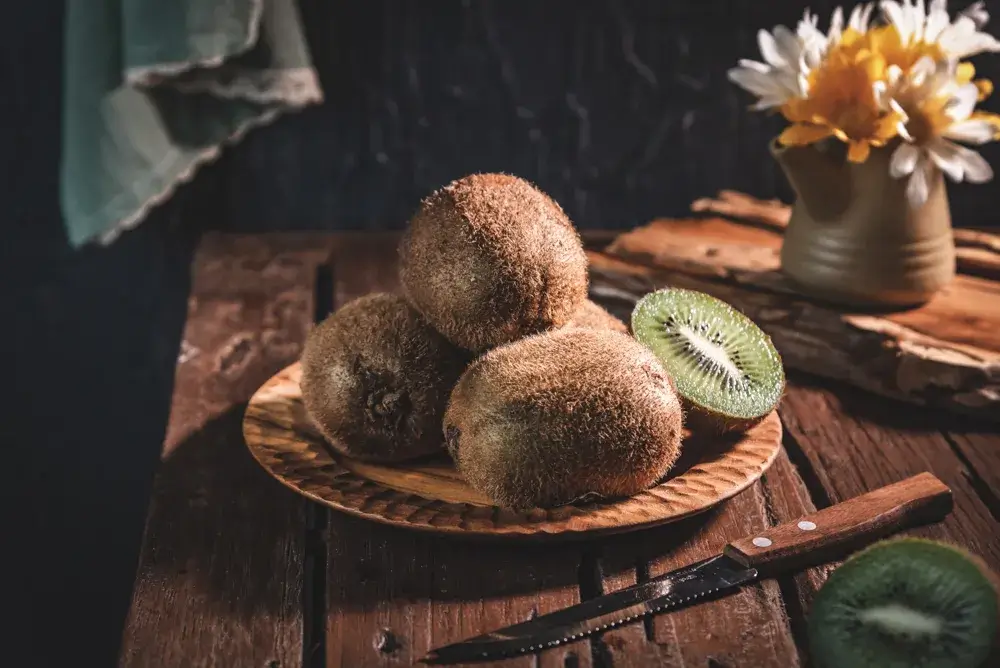
4. Kiwi
Did you know kiwi is good for a lot more than vitamin C?
Each cup of kiwi has around 470 mg of potassium. That’s about 215 mg per kiwi.
5. Oranges and Orange juice
Oranges or orange juice are classic morning food, and they are great for that must-have morning boost.
Each orange has around 470 mg of potassium, and each cup of orange juice has around 500 mg.
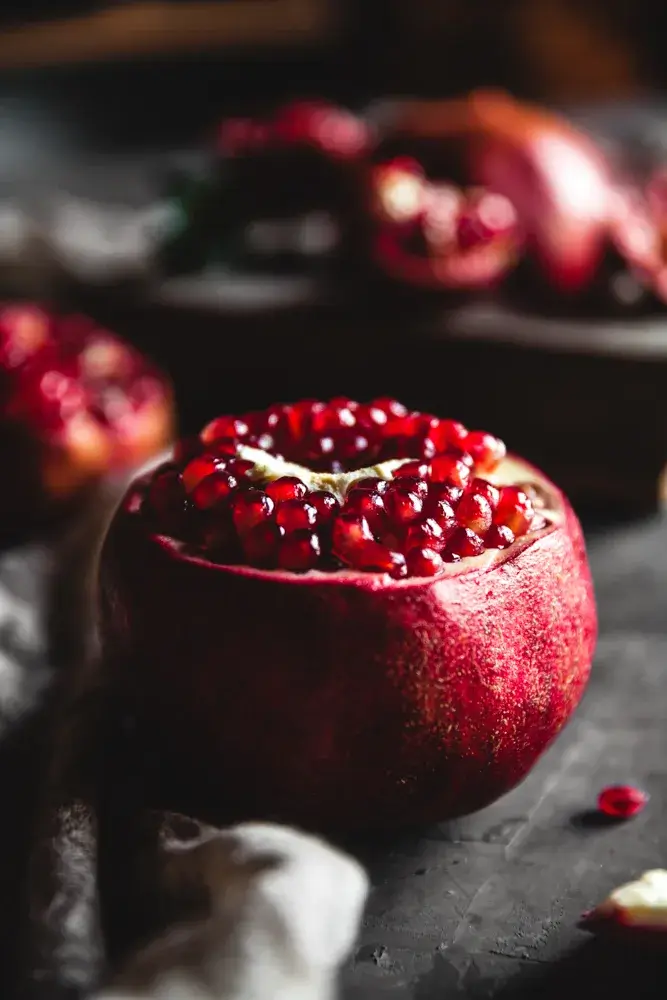
6. Pomegranate
Pomegranate has around 666 mg of potassium.
It is also great for your skin and has antioxidants.
7. Dried Apricots
This is the ultimate nature’s candy, with loads of potassium.
Around 1100 mg per ½ cup.
And you can toss them in a trail mix for that convenient snacking.
Veggies
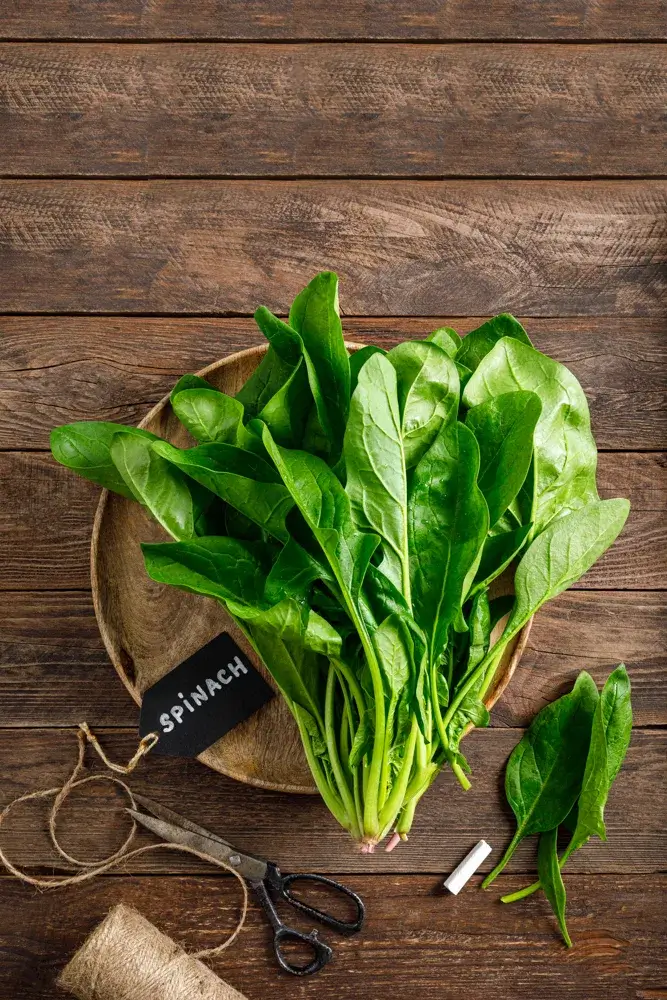
8. Spinach (cooked)
A cup of cooked spinach has 840 mg of potassium.
Add to omelets, pasta, or soups.
9. White potatoes (with skin)
The skin’s where the magic is at.
A medium-sized potato has around 926 mg of potassium.
You can eat them baked, mashed, or roasted – you do you.
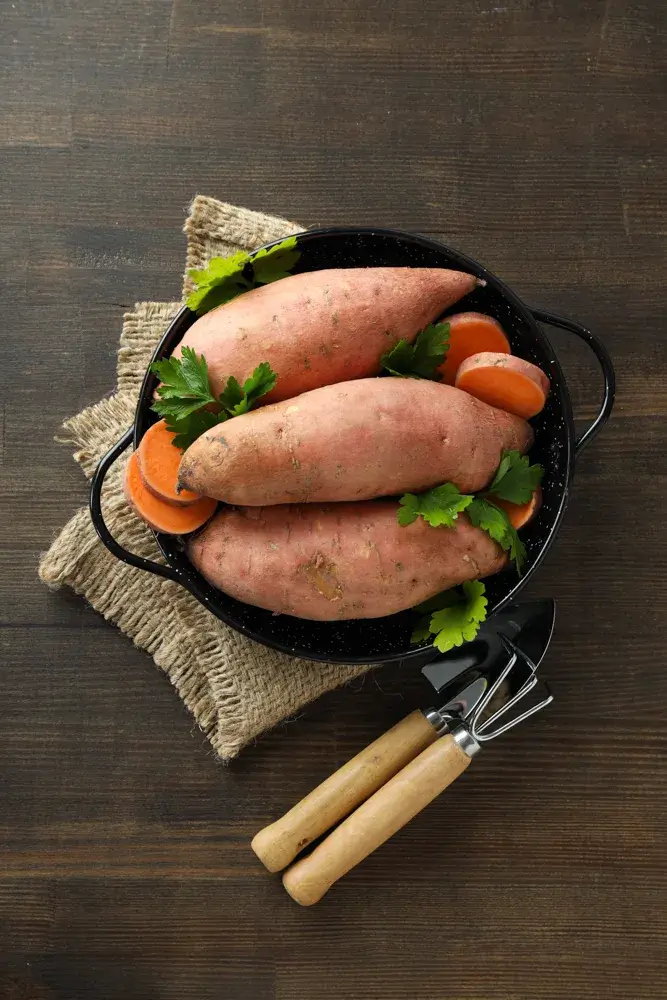
10. Sweet potatoes
Has 754 mg of potassium per cup cooked, or around 540 mg for a medium-sized potato.
11. Beet greens (cooked)
Yes, don’t toss beet greens.
You can stir-fry or sauté them to get 1,309 mg of potassium per cup.
12. Swiss chard(cooked)
This leafy green delivers 960 mg of potassium per cup cooked.

13. Acorn squash
While acorn squash is perfect for Fall, it is a great all-year-round source of potassium.
Each cup contains 900 mg of potassium.
14. Tomato products (puree or sauce)
Don’t you need a great excuse to do pasta tonight?
Depending on thickness, tomato products like puree or sauce have around 400-700 mg of potassium per ½ cup.

Beans, Legumes, and Grains
15. White beans (Cannellini or navy)
Contains a whopping 1,000 mg per cup.
And they are great in soups, stews, or in a salad.
16. Lentils (Cooked)
Checking all the boxes, proteins, fiber, and potassium, a cup of cooked lentils contains 731 mg of potassium.

17. Kidney beans
Kidney beans are perfect in chilis and taco bowls and contain around 607 mg of potassium per cup.
18. Edamame
This is one of my favorites: High-protein, high-fiber, and snackable. And contains a whooping 676 mg of fiber per cup cooked.
RELATED: EDAMADE: HEALTH BENEFITS AND DELICIOUS RECIPES.

19. Quinoa
Go for quinoa instead of rice for that mineral upgrade. A cup of quinoa has 318 mg of potassium.
Animal-based
20. Salmon (wild-caught)
Salmon is not only heart-healthy, but it is also very potassium-rich.
Contains around 500 mg per 3 Oz. And you can opt to bake, grill, or air-fry.

21. Tuna( canned in water)
Canned tuna is super budget-friendly and a pantry staple in many homes. Turns out it is also very potassium-rich, specifically, 900 mg per cup or 487 mg per 3 Oz.
22. Chicken breast
A popular lean protein source with more potassium than you’d anticipate.
583 mg per 1 cup or 330 mg per 3 Oz.

23. Yogurt (plain, low-fat)
Yogurt is not only probiotics-rich, but it is also rich in potassium.
573 mg per cup.
24. Milk
Another dairy product that is rich in more than just calcium.
383 mg per cup.

Bonus
25. Coconut water
Coconut water isn’t just trendy, it is functional.
A cup contains 600 mg of potassium.
And it is excellent for post-workout hydration or Summer heat.
Get the FREE Potassium Food-Chart PDF
Enter your email below to receive our free Potassium Food Chart delivered to your inbox.
Get the full potassium-rich food chart printable freebie.
Simple Tips for Increasing Potassium Naturally
So, now that you know what to eat, let’s talk about how to eat without feeling like you are on a nutritional boot camp.
- Meal plan
Try meal planning potassium-rich foods in advance.
For instance, meal prep sweet potato and black bean burrito bowls, or chicken breast bowls..
You can also batch cook beans and legumes beforehand.
- Blend when you can
Smoothies are a simple strategy to get more potassium-rich foods without even trying.
For instance, blend
- 1 banana
- 1 cup spinach
- ½ cup Greek yogurt
- ½ cup coconut water
And you have a potassium-rich smoothie..
- Snack better
Instead of the usual cookies or chips, go for:
- A handful of dried apricots or dates
- A cup of steamed edamame with sea salt
- Or a simple homemade trail mix with almonds, dried figs, and dark chocolate chips.
- Watch what you boil
Here’s a tip: “ how you cook your meals matters.”
Boiling tends to wash away potassium ( and other nutrients) into the water. So, unless you are going to drink that water, you are better off steaming, roasting, or sauteing.

Who Should Be Cautious with a High Potassium Intake?
Some people actually need to watch their potassium, and possibly limit just how much they consume.
This is particularly true for people with:
- Chronic kidney disease
- Heart issues
- Or people who take certain medications such as ACE inhibitors or ARBs.
So, always, ALWAYS, check with your doctor before drastically changing your diet.
Final Thoughts on Potassium-Rich Foods
As you can see, getting enough potassium doesn’t mean overhauling your diet, long spreadsheets, or a monk-like commitment to clean eating.
It can be simple.
All it takes is being a little more intentional with what ends up on your plate or in your smoothie.
My advice: start small, add one or two potassium-rich foods to your next meal.
You know, a banana in your smoothie, some spinach on your omelet.
P.S. Want the complete list of potassium-rich foods?
I’ve compiled a potassium-rich food chart that includes many fruits, vegetables, dairy options, animal-based options, legumes, and grains.
Grab it below.