How To Easily Hit 120g Protein & 30g Fiber Daily
If you’ve spent any time reading or watching TikToks and reels about nutrition lately, you’ve probably noticed that protein is having a major moment.
From high-protein breakfasts to protein coffee and protein snacks, it seems like just about everyone is trying to squeeze more of it into their day.
And I am all for it. I mean, whether you’re trying to lose weight, gain weight, or build lean muscle, you need protein. And it extends beyond just body aesthetics.
Protein is vital for maintaining muscle mass, ageing gracefully, keeping your body sugar in check, and hormonal support. In short, it is one of those must-take nutrients.
But here’s the thing. I am all about hitting your daily protein goals. However, sometimes I worry that we often focus so much on protein that we completely neglect other important nutrients. One such underrated nutrient is: fiber.
Fiber is just as important for your health. It supports digestion, feeds beneficial gut bacteria, helps stabilize blood sugar, and can even reduce cravings by keeping you full for longer.
And the unfortunate bit? Most people struggle to hit both their protein and fiber goals.
You might focus on protein but forget about fiber, or eat fiber-rich foods that unfortunately don’t provide enough protein. And trying to obsessively track macros for every single meal can quickly become super overwhelming.
But it doesn’t have to be that complicated.

With a simple meal structure and the right food combinations, it’s actually quite easy to hit 120 grams of protein and 30 grams of fiber daily.
And in this guide, I’ll show you exactly how easy it can be to get 120g protein and 30g fiber daily.
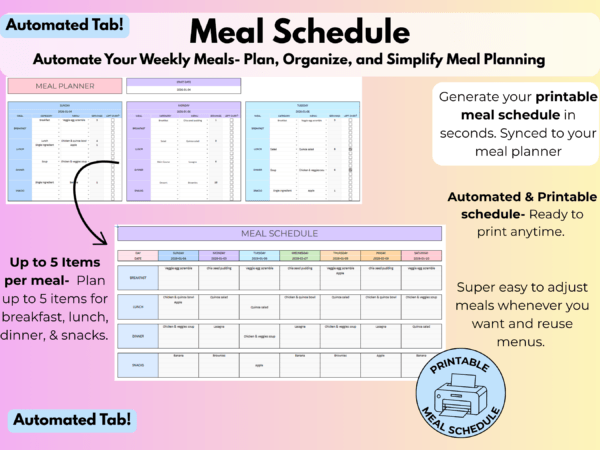
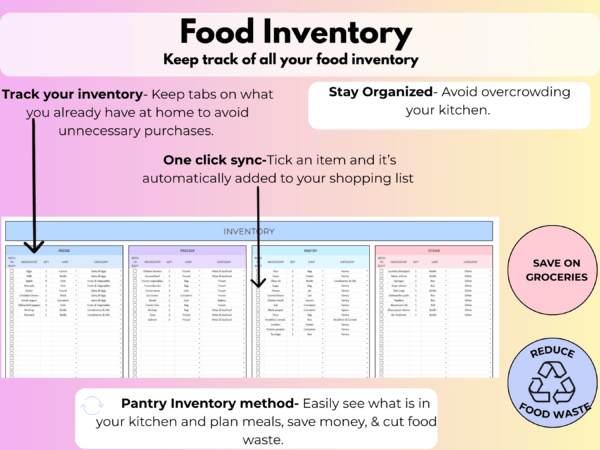
Before we get started, I created a weekly meal-planning spreadsheet that makes it super easy to plan your high-protein, high-fiber meals.
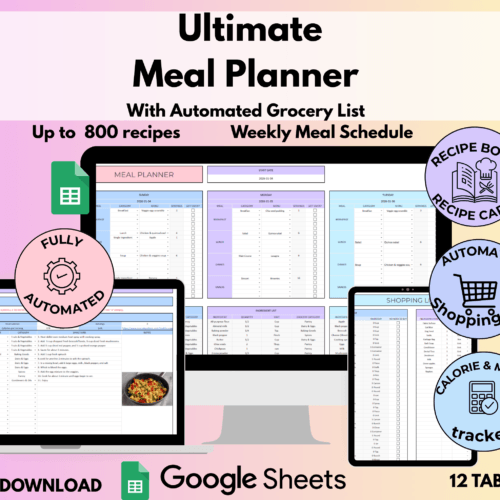
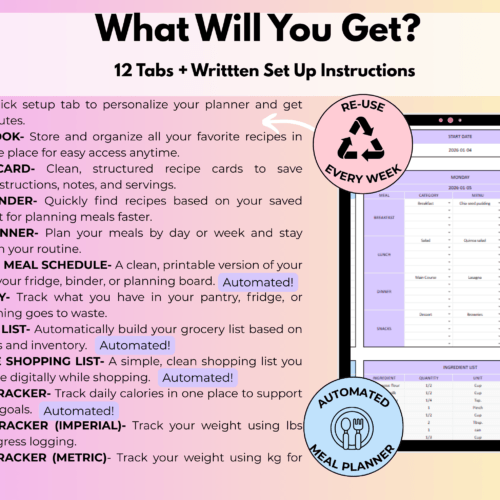
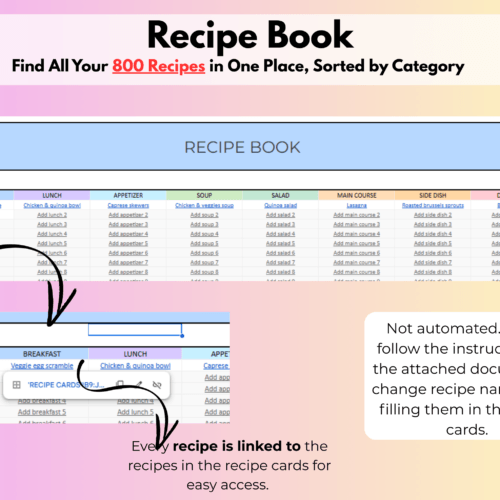
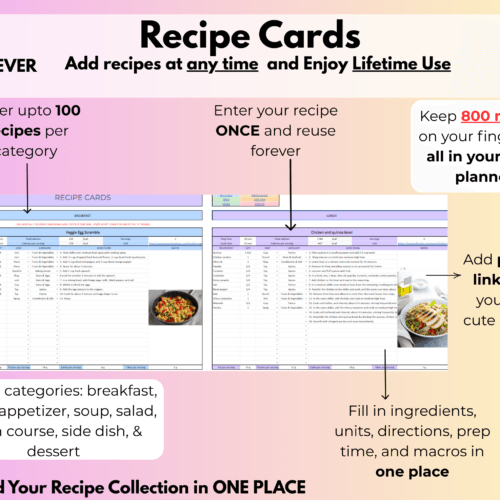
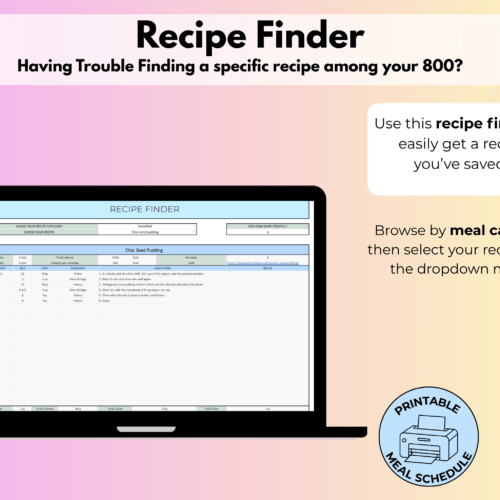
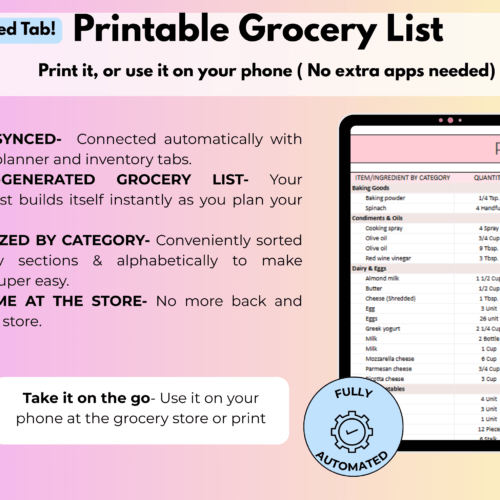
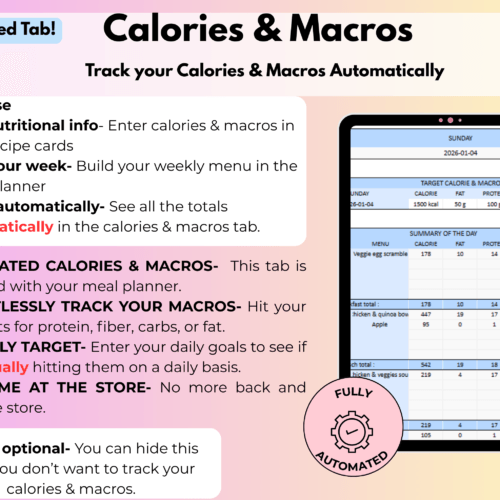
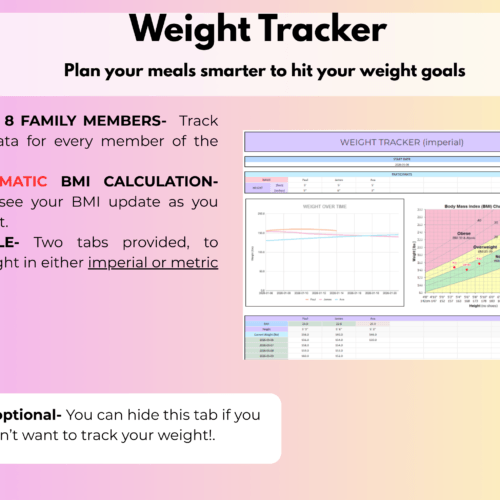
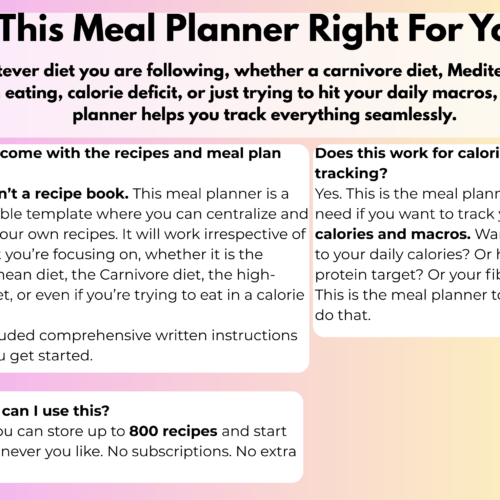
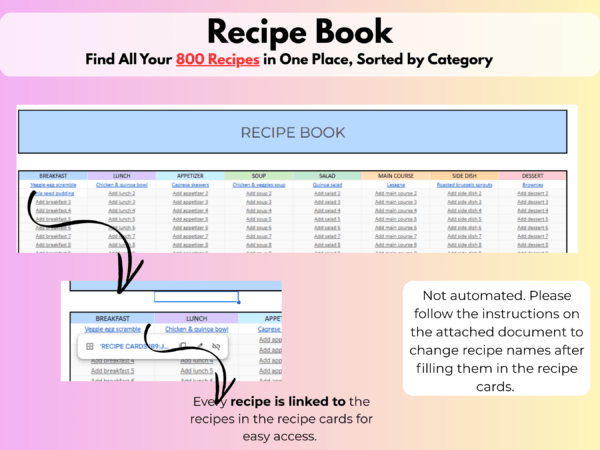
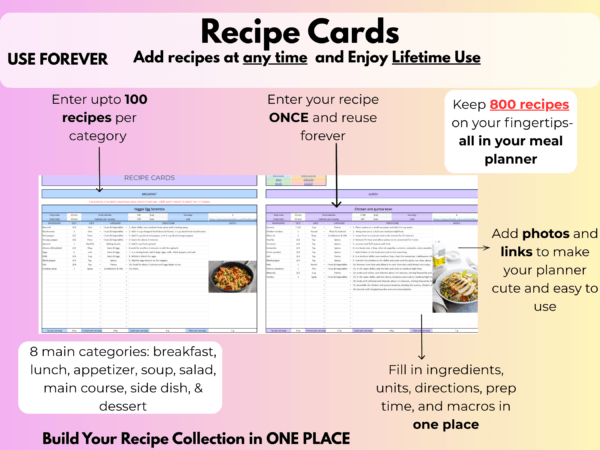
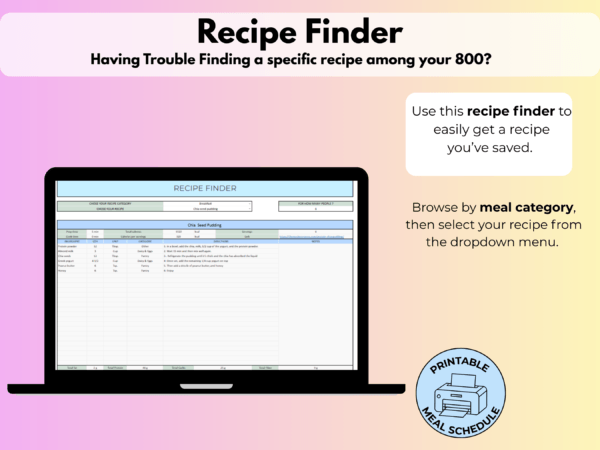
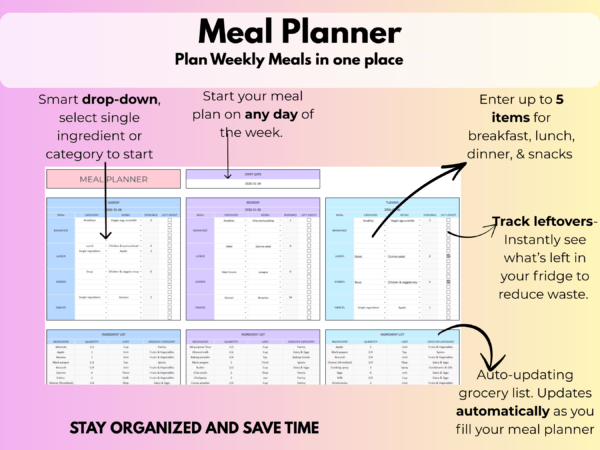
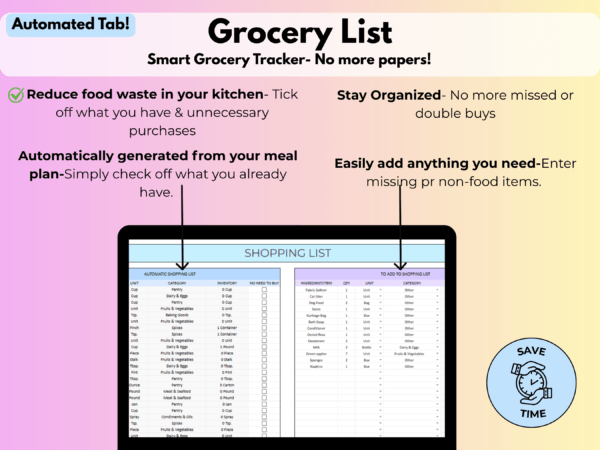
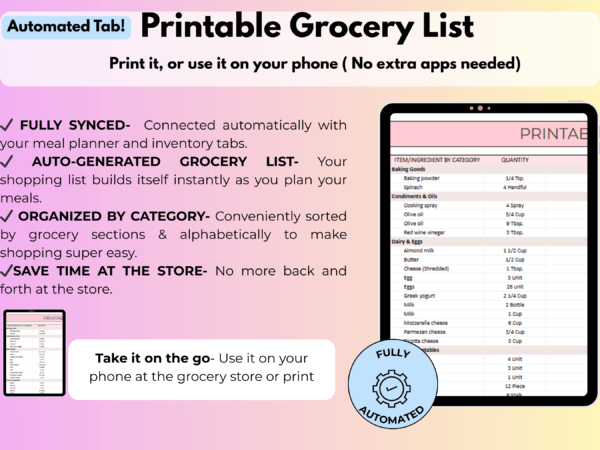
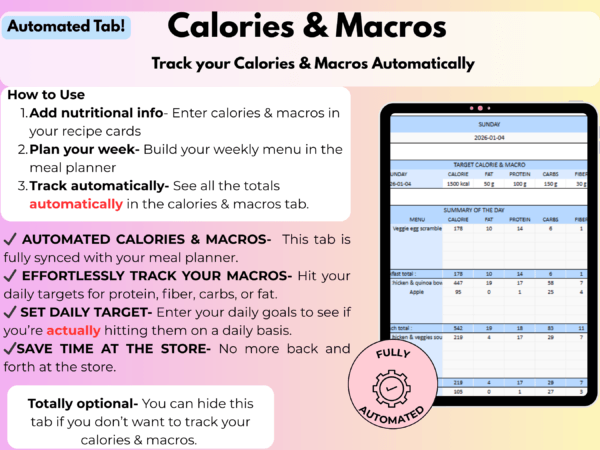
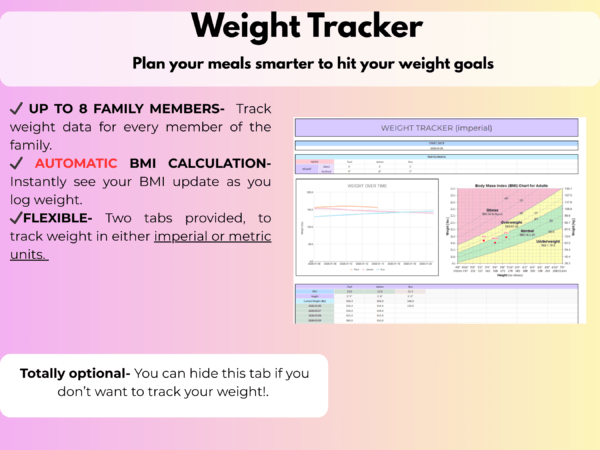
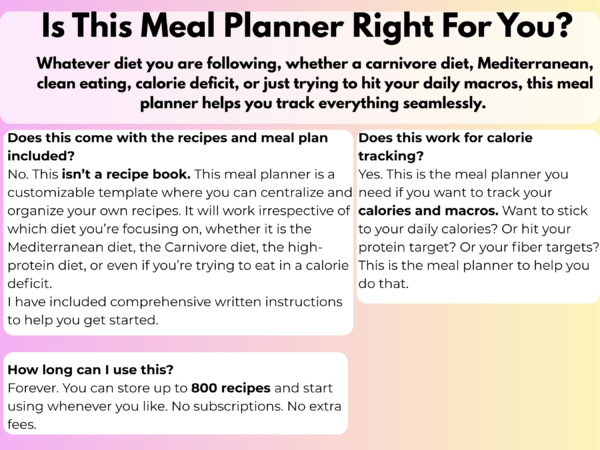
Grab my Google Sheets weekly meal planner to plan your weekly meals, store and organize recipes (up to 800 recipes), generate grocery lists, and most importantly, track your macros and calories to make sure you’re hitting 120g protein and 30g fiber every day.
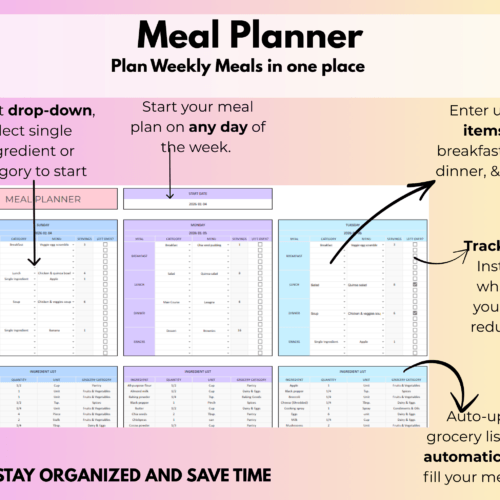
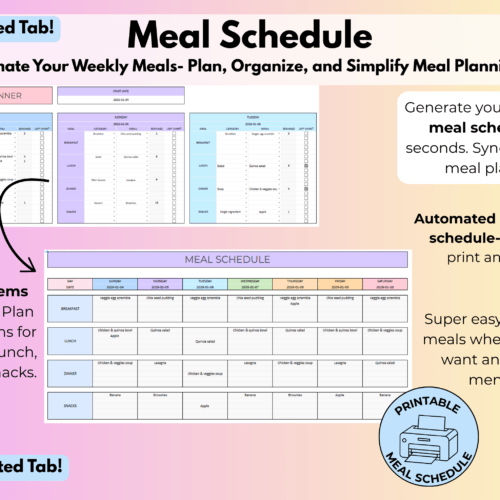
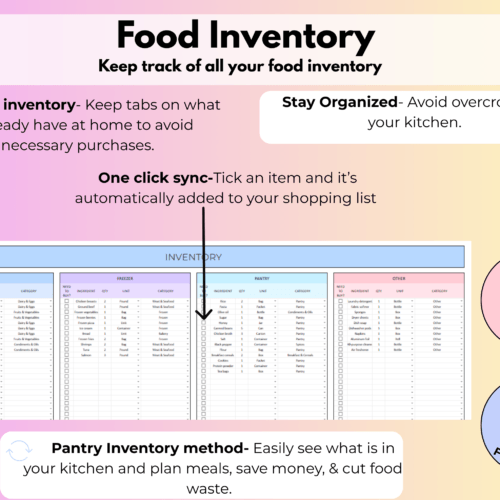
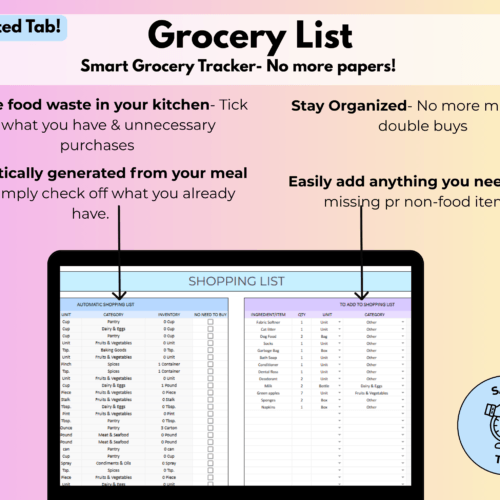


How To Easily Hit 120g Protein & 30g Fiber Daily
A simple all-in-one weekly meal planner spreadsheet to help you plan weekly meals, organize recipes, auto-generate grocery lists, and track calories and macros.
Okay, First Things First, Why is 120g Protein and 30g Fiber such a Powerful Combination?
Protein and fiber are two of the most important nutrients for building satisfying, balanced meals. Indeed, while they each offer their own benefits, they work even better when combined.
Benefits of Protein
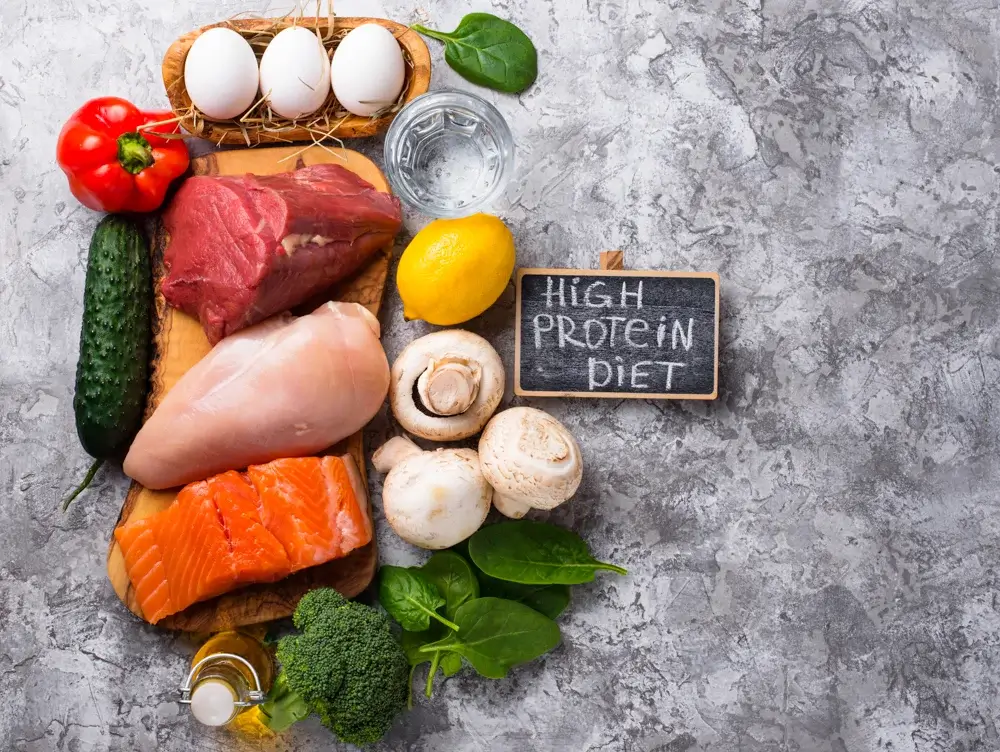
Protein plays a very important role in many functions throughout the body. Getting enough protein each day can help:
- Support muscle growth and repair.
- Maintain lean body mass.
- Help stabilize blood sugar levels.
- Keep you full and satisfied after meals.
Benefits of Fiber
Fiber is equally important, but is often overlooked. Fiber supports several key aspects of health, including:
- Promoting healthy digestion
- Feeding beneficial gut bacteria
- Helping regulate blood sugar levels
- Reducing hunger and controlling cravings.
Besides, fiber also adds volume to meals without adding many calories, which is definitely good for appetite control.
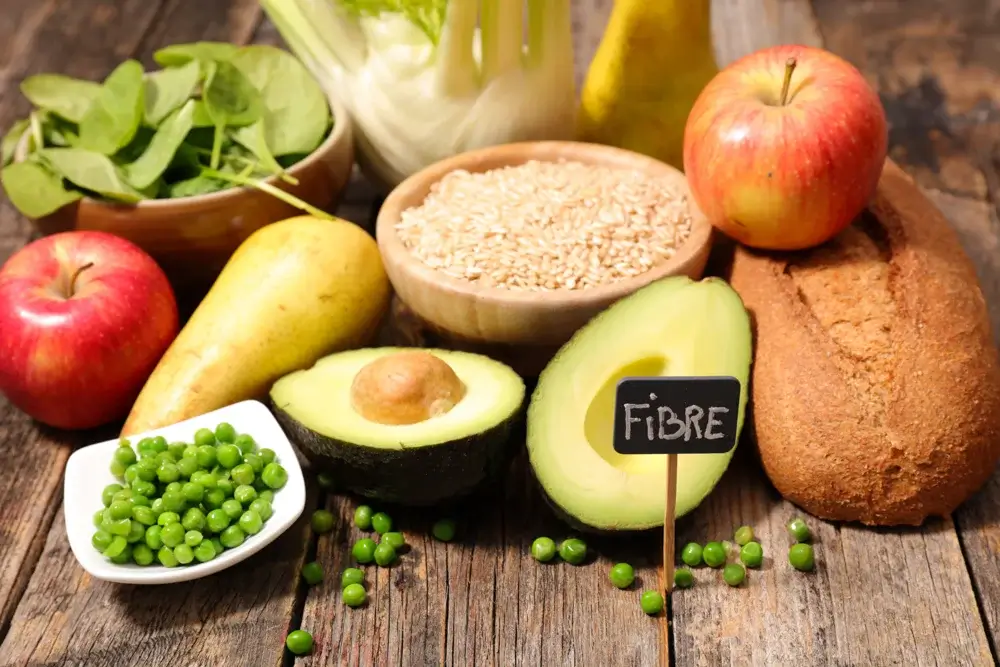
Related: Best High-Fiber Foods (Soluble & Insoluble) + 7-Day Fiber-Rich Meal Plan
Why Protein and Fiber Work Better Together
When you combine protein and fiber in the same meal, they create a powerful effect on fullness and energy levels.
Meals that contain both can:
- Keep you full for longer periods of time.
- Help stabilize energy levels throughout the day.
- Reduce snacking and cravings.
- Support healthy weight management.
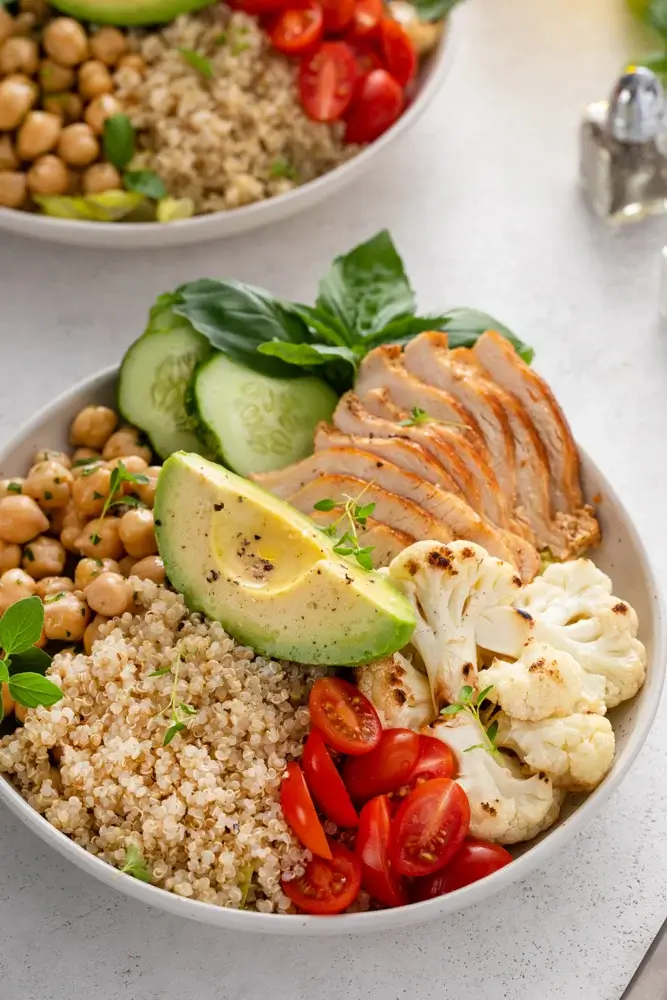
This is actually why many satisfying meals naturally include both. Combinations like Greek yogurt with berries, chicken with quinoa and vegetables, or salmon with roasted sweet potatoes work so well because they contain both.
Setting Your Daily Goals: Protein and Fiber
Before we get into the meal plan, let’s talk numbers.
Why 120g protein and 30g fiber?
You’ve probably heard different recommendations for how much protein you should eat each day. Some people calculate their protein intake based on body weight; a common guideline is around 1.2 -1.6 grams of protein per kilogram of body weight.
For example, someone who weighs about 150 pounds( 68kg) might aim for roughly 80- 110 grams of protein per day, depending on activity level.
Yes, your activity level and other factors, such as age, influence how much protein you should consume per day.
For example, if you’re regularly at the gym lifting weights like yours truly, you should aim for1.2- 1.7 grams per kilogram of body weight.
In the wellness and fitness world, a simple target that many people aim for is around 100- 120 grams of protein per day.
This might sound like a lot, but when protein is spread throughout the day, it becomes much more manageable. As long as your meals are balanced and your overall calorie intake works for your needs, a higher protein intake can support muscle maintenance, metabolism, and long-lasting fullness. So, you can’t go wrong with more protein.
Now let’s talk fiber, shall we?
Most general nutrition guidelines suggest that adults should aim for around 25-35 grams of fiber per day. For simplicity, a great target to work toward is 30 grams of fiber daily.
High-Protein Foods That Make Hitting 120g Easy
Reaching 120 grams of protein per day might sound intimidating at first, but it becomes much easier when you focus on foods that naturally contain a high amount of protein.
Indeed, by including one solid protein source in each meal and snack, your daily total starts to add up quickly.
Here are some of the best high-protein foods to include in your meals.
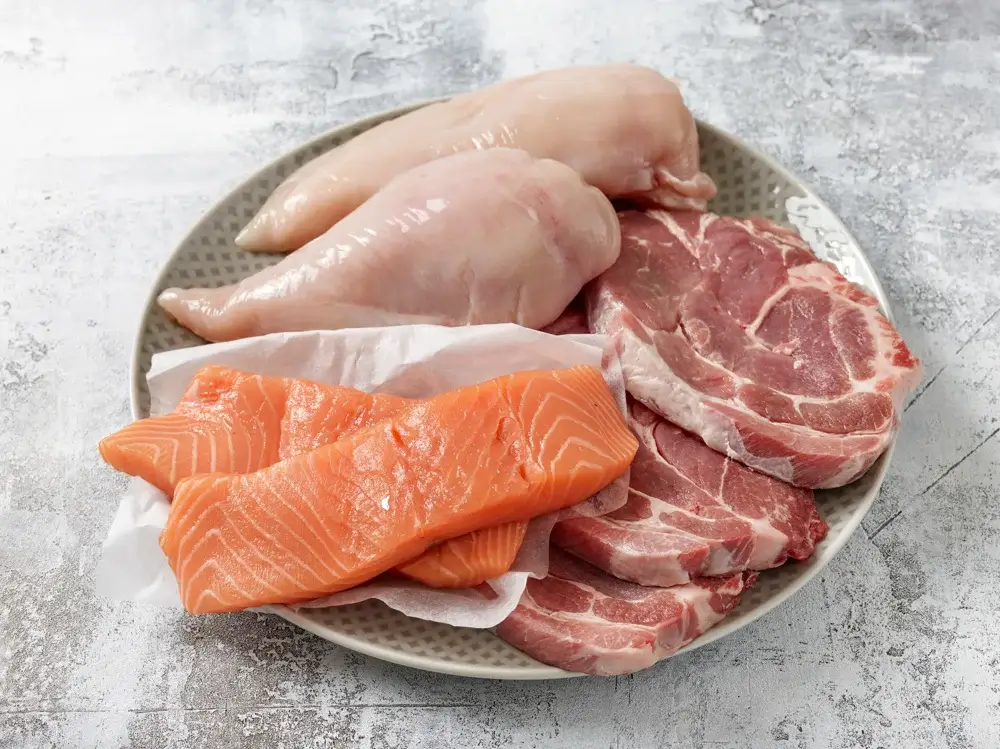
Animal-based Protein Sources
These foods tend to provide the highest protein per serving and can make it easier to reach your daily protein target.
- Chicken breast
- Salmon
- Eggs
- Greek yogurt
- Cottage cheese
- Tuna
- Shrimp
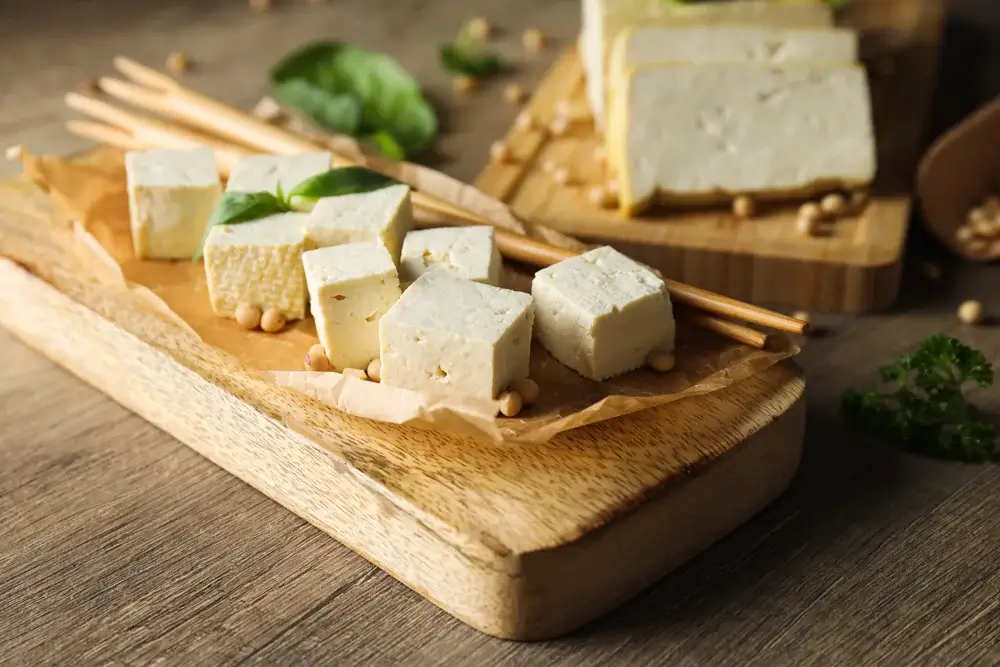
Plant-based Protein Sources
Plant-based foods can also contribute a meaningful amount of protein, especially when combined throughout the day.
- Tofu
- Tempeh
- Lentils
- Chickpeas
- Edamame
- Quinoa
And besides, many of these foods also provide fiber, vitamins, and minerals, making them excellent choices for building balanced meals.
Related: 36 Vegetarian Proteins You Should Be Eating
High-Fiber Foods That Help You Hit 30g Easily
Although many people fall short of the recommended daily intake, fiber can actually be quite easy to get. It adds up pretty quickly when you include a variety of whole foods in your meals.
Here are some of the best high-fiber foods to include in your diet.
Fruits High in Fiber
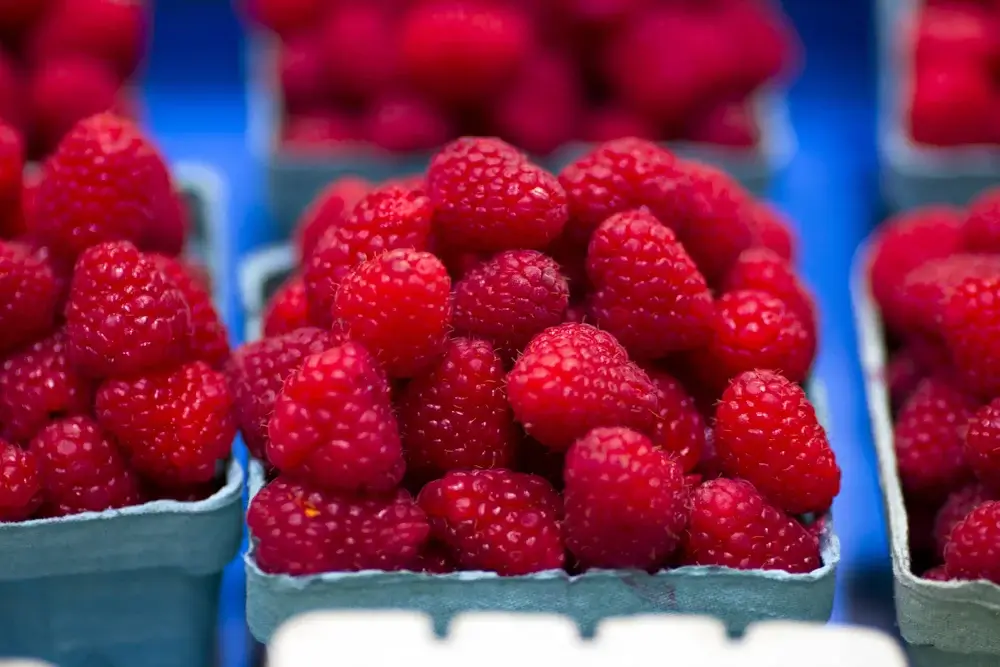
- Raspberries
- Pears
- Apples
- Avocados
Berries are a particularly good choice because they provide fiber along with antioxidants and vitamins.
Fiber-Rich Vegetables
- Broccoli
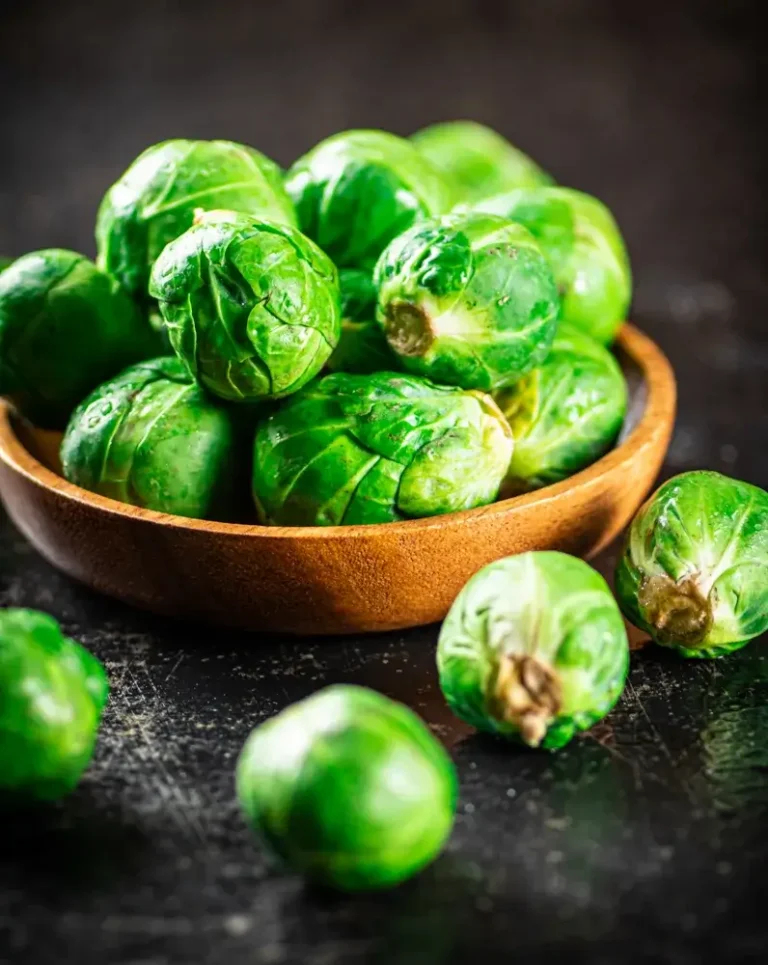
- Brussels sprouts
- Sweet potatoes
- Carrots
Fiber-Rich Whole Grains
Whole grains provide complex carbohydrates along with fiber that supports sustained energy.
- Oats
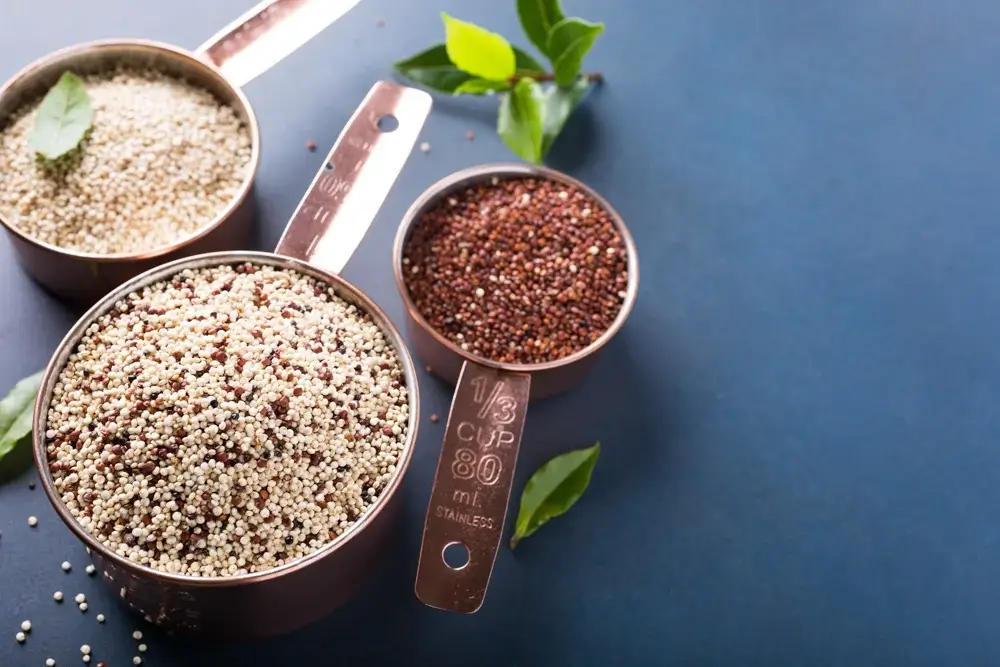
- Quinoa
- Brown rice
- Whole-grain bread
Some of these pair particularly well with popular protein sources to create awesome, balanced meals.
Fiber-Rich Legumes
Legumes are some of the best foods for both fiber and plant-based protein.
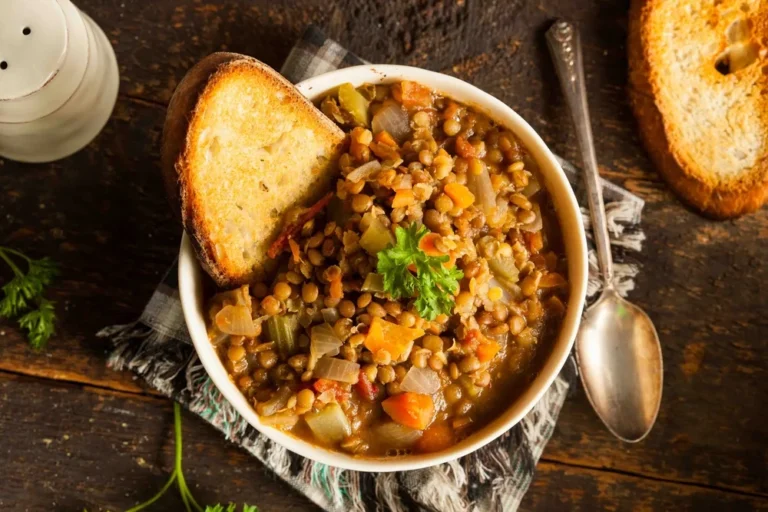
- Lentils
- Chickpeas
- Black beans
Related: Best High-Fiber Foods (Soluble & Insoluble) + 7-Day Fiber-Rich Meal Plan
Simple Formula for Building High-Protein, High-Fiber Meals
If you want to consistently hit 120g protein and 30g fiber daily, the easiest strategy is to follow this simple meal-building formula.
This will help you build easy meals instead of spending time tracking every single nutrient.
Here’s the formula:
1 protein + 1 fiber-rich carb + vegetables + healthy fats
Example meal:
Protein – Grilled chicken
Fiber-rich carb- Quinoa
Vegetables – Roasted broccoli
Healthy fat – Olive oil
The protein source helps you reach your daily protein target, while the fiber-rich carbohydrates and vegetables increase your fiber intake. The additional healthy fat is good for flavor, supports nutrient absorption, and makes meals more satisfying.
In short, when you build meals this way, you don’t have to worry about complicated macro tracking. Each plate naturally contains a balance of nutrients.
And of course, over the course of the day, these meals make it surprisingly easy to reach your 120g protein and 30g fiber goal.
And remember, planning meals like this is much easier when you organize your meals ahead of time.
I personally use this Weekly Meal Planner Spreadsheet that helps me plan my meals, breakfast, lunch, dinner, and snacks while tracking calories and macros automatically. It also generates grocery lists based on your meal plan, which makes grocery shopping faster.
How To Easily Hit 120g Protein & 30g Fiber Daily
A simple all-in-one weekly meal planner spreadsheet to help you plan weekly meals, organize recipes, auto-generate grocery lists, and track calories and macros.
7 Day High Protein High Fiber Meal Plan
Instead of breaking down calories for every ingredient, I’ll simply show the daily totals for protein and fiber, so you can see how everything adds up.
Day 1
Breakfast
Greek yogurt protein bowl
Ingredients
- 1 cup plain Greek yogurt
- ½ cup raspberries
- 2 tbsp chia seeds
- ¼ cup High-Fiber granola
Protein: – 30g
Fiber: – 9g
Morning Snack
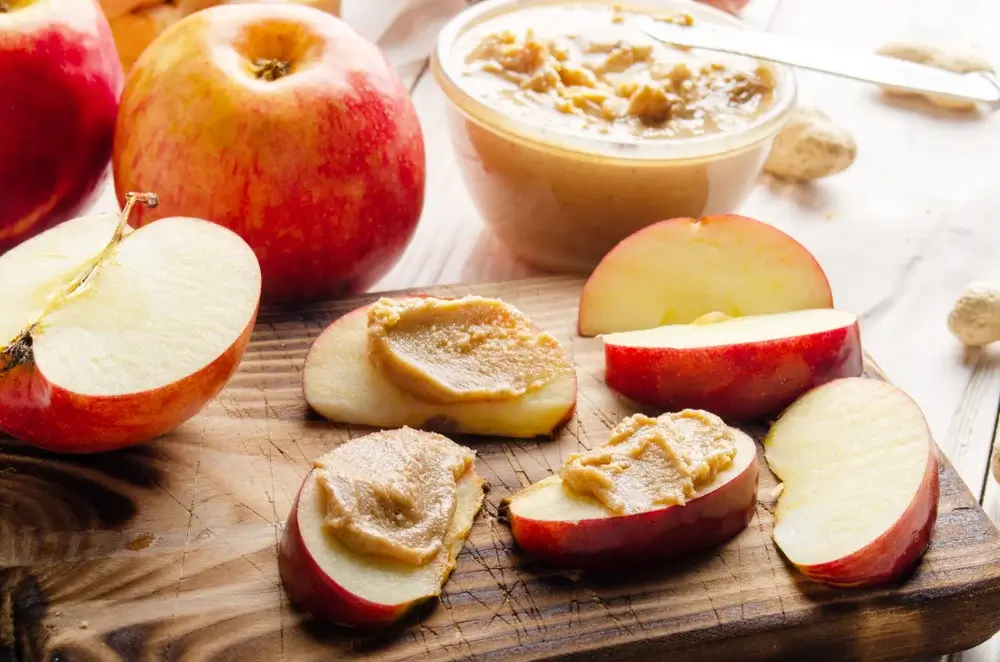
Apple with almond butter
Ingredients
- 1 medium apple
- 2 tbsp almond butter
Protein: – 6g
Fiber: – 5g
Lunch
Chicken quinoa bowl
Ingredients
- 4 Oz grilled chicken breast
- ½ cup cooked quinoa
- ½ cup chickpeas
- Spinach, cucumber, cherry tomatoes
- Olive oil & lemon dressing
Protein: – 42g
Fiber: – 11g
Afternoon Snack
Edamame
Ingredients
- 1 cup steamed edamame
Protein: – 17g
Fiber: – 8g

Dinner
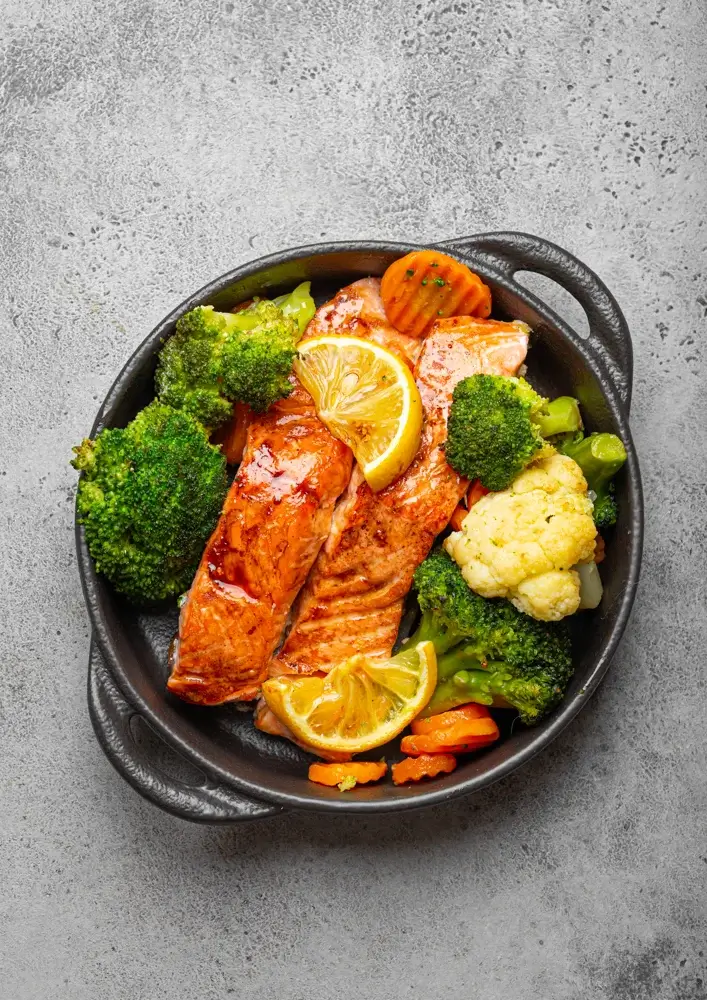
Salmon with sweet potato and broccoli
Ingredients
- 5 oz baked salmon
- 1 medium sweet potato
- 1 cup steamed broccoli
Protein: -30g
Fiber: -7
Day 1 Total
Protein:- 125g
Fiber: – 40g
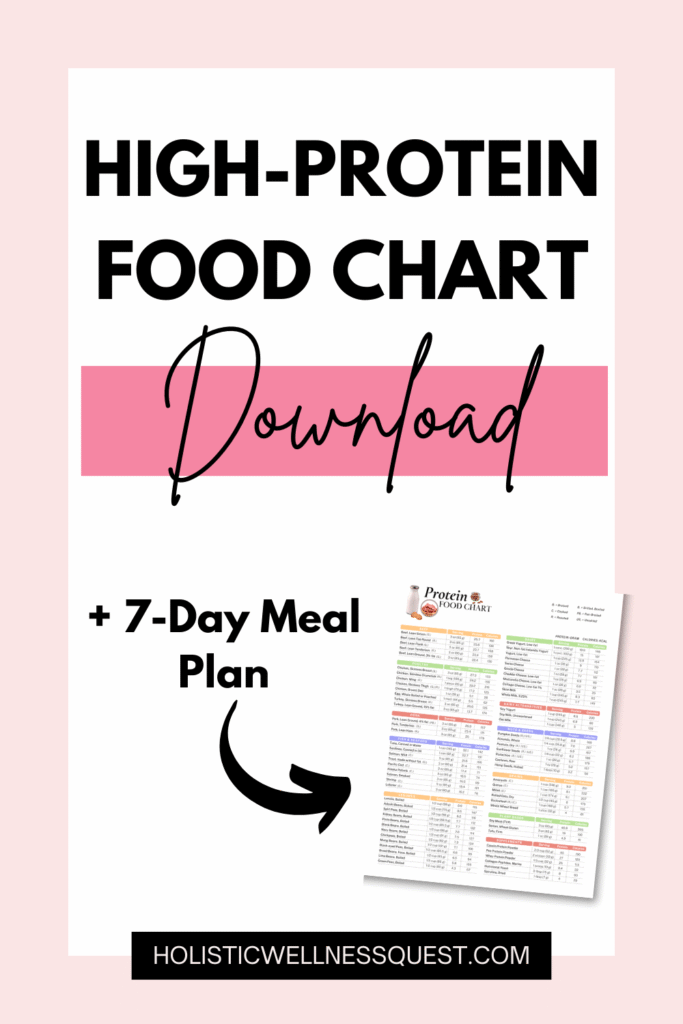
Get Our High-Protein Food Chart + 7-Day High-Protein, High-Fiber Meal Plan
Enter your email below to receive our food chart and meal plan delivered to your inbox.
Day 2
Breakfast
Protein Smoothie
Ingredients
- 1 scoop protein powder
- 1 cup unsweetened almond milk
- ½ banana
- Handful spinach
- ½ cup oats
- 1 tbsp flaxseed
Protein: – 32g
Fiber: 8g
Morning Snack
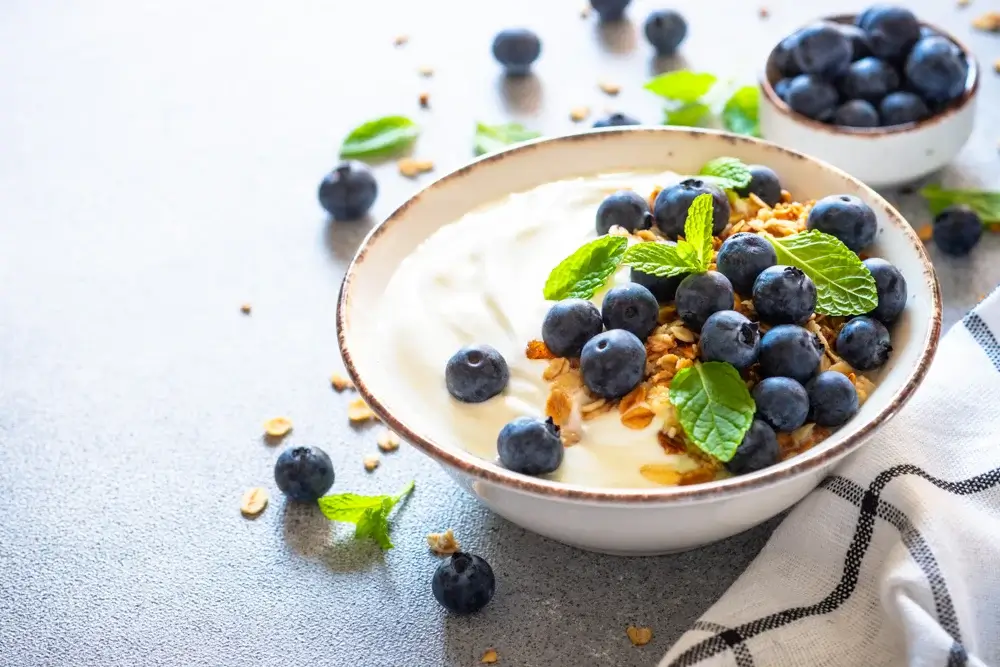
Greek yogurt with berries
Ingredients
- ¾ cup Greek yogurt
- ½ cup blueberries
Protein:- 17g
Fiber: – 2g
Lunch
Turkey & Avocado Whole Grain Wrap.
Ingredients:
- 4 oz sliced turkey breast
- Whole-grain wrap
- ¼ avocado
- Spinach, tomato, shredded carrots
- Hummus spread
Protein:-32g
Fiber:- 10g
Afternoon Snack
Pear and cottage cheese
Ingredients
- 1 medium pear
- ½ cup cottage cheese
Protein:- 14g
Fiber:- 6g
Dinner
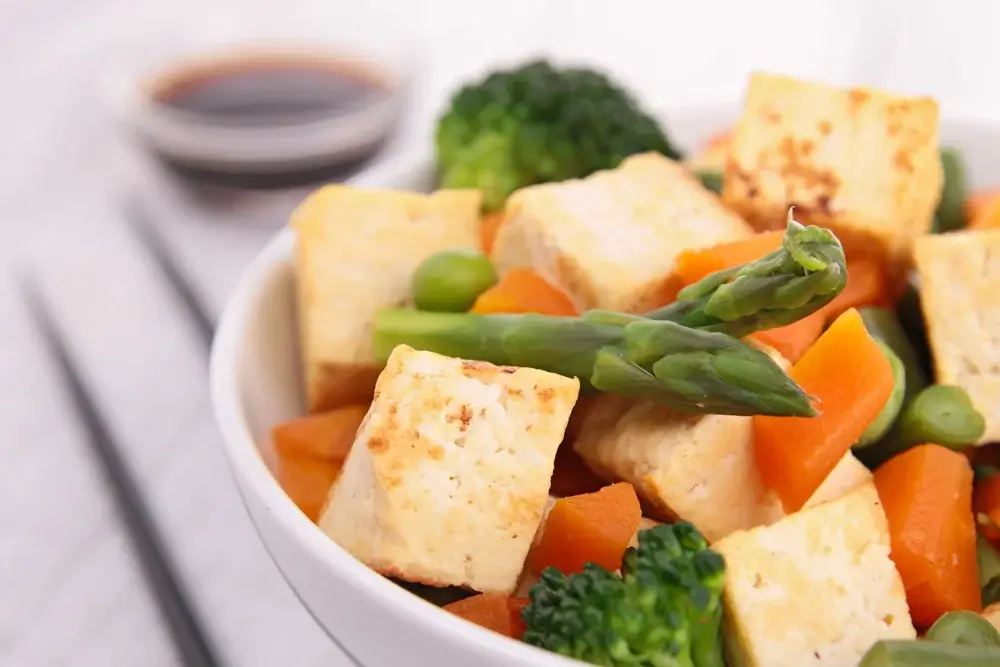
Tofu veggie stir fry
Ingredients
- 6 Oz tofu
- Broccoli, carrots, snap peas
- 1 cup brown rice
Protein: – 27g
Fibe:- 9g
Day 2 Total
Protein -122g
Fiber- 35g
Day 3
Breakfast
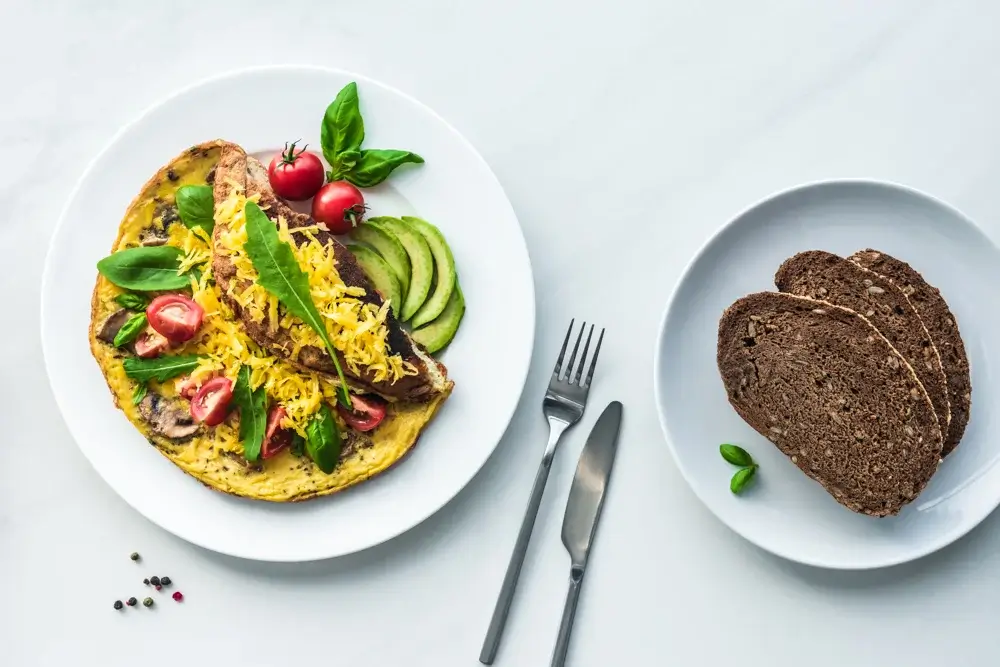
Veggie omelet with whole-grain toast
Ingredients
- 3 eggs
- Spinach, peppers, onions
- 1 slice whole-grain toast
- ¼ avocado
Protein: 28g
Fiber: 8g
Morning Snack
Protein chia pudding
Ingredients
- 1 cup almond milk
- 2 tbsp chia seeds
- ½ scoop protein powder
- Strawberries
Protein:- 20g
Fiber:- 9g
Lunch
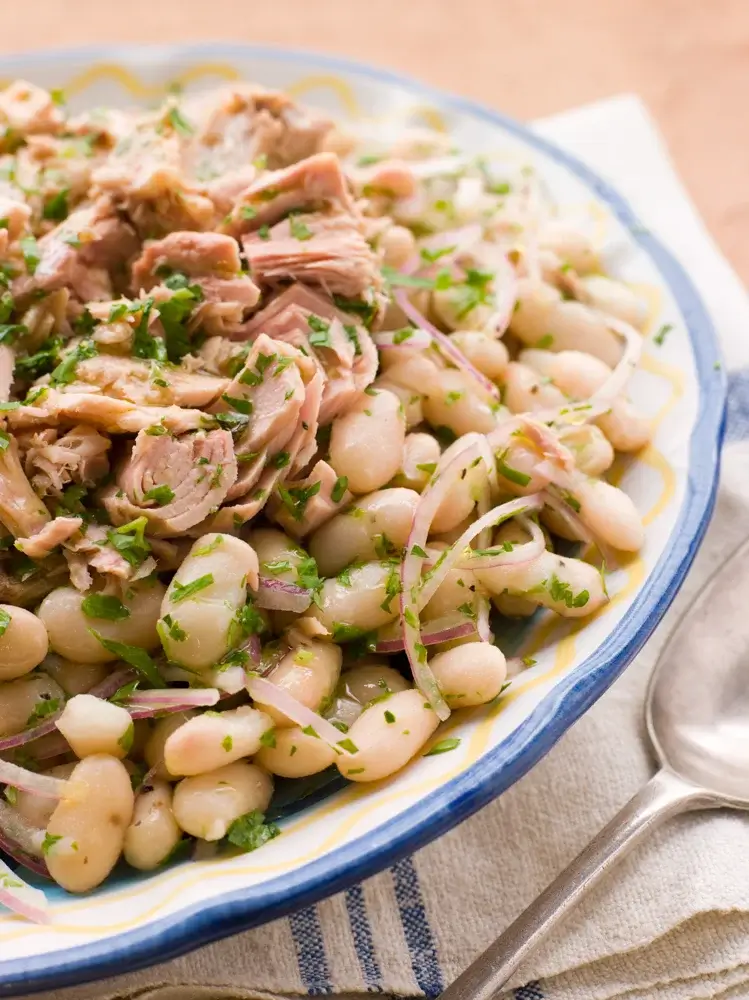
Tuna white bean salad
Ingredients
- 1 can tuna
- ¾ cup white beans
- Cherry tomatoes
- Spinach
- Olive oil & lemon
Protein: – 40g
Fiber:- 11g
Afternoon Snack
Almonds and an apple
Ingredients
- A small handful almonds
- 1 apple
Protein:-8g
Fiber:-7g
Dinner
Grilled Shrimp Quinoa Bowl
Ingredients
- 5 oz grilled shrimp
- ¾ cup quinoa
- Roasted vegetables
Protein:- 30g
Fiber: – 7g
Day 3 Total
Protein:- 124g
Fiber: – 42g
Get the 7-Day High-Protein, High-Fiber Meal plan
Get Our 7-Day High-Protein, High-Fiber Meal Plan + High-Protein Food Chart
Enter your email below to receive our free meal plan and food chart delivered to your inbox.
And remember, if you struggle to stay consistent with meal planning, having a structured system like our Weekly Meal Planner Spreadsheet can make a huge difference.
This Google Sheets Meal Planner will help you plan your meals, store recipes, automatically generate grocery lists, and track calories and macros if you want to.
It is the same system I use to plan my meals in order to hit 120g protein and 30g fiber daily.
How To Easily Hit 120g Protein & 30g Fiber Daily
A simple all-in-one weekly meal planner spreadsheet to help you plan weekly meals, organize recipes, auto-generate grocery lists, and track calories and macros.
Tips to Hit 120g Protein and 30g Fiber Daily
1. Prioritize protein at every meal.
One of the easiest ways to hit your daily protein target is to make sure every meal includes a solid protein source.
Don’t treat protein as an afterthought. Start by choosing your protein first, then build the rest of the meal around it.
For example:
- Eggs or Greek yogurt at breakfast
- Chicken, Tuna, or tofu at lunch
- Fish, beans, or lean meat for dinner.
2. Add simple fiber boosters.
Fiber can increase relatively easily when you add a few high-fiber ingredients to your meals and snacks.
Some awesome choices include:
- Chia seeds
- Flaxseeds
- Beans and lentils
- Berries
You can easily add these foods to your meals. Indeed, you can add all these to simple meals like oatmeal, yogurt bowls, smoothies, salads, or grain bowls.
3. Plan your snacks well.
Snacks are a great opportunity to fill in any protein or fiber gaps during the day.
Some awesome choices include:
- A protein shake
- Steamed edamame
- Cottage cheese with fruit
- Apple slices with nut butter
- Greek yogurt with berries
4. Plan Your Meals in advance
Apart from snacks, it helps to plan all your meals in advance. I mean, when you already know what you’re eating for breakfast, lunch, dinner, and snacks, it becomes so much easier to hit your protein and fiber targets.
Using our weekly meal planner spreadsheet can help you plan your meals, store recipes, automatically generate grocery lists based on your meal plan, and, most importantly, automatically track your macros and calories without obsessing about it across multiple apps.
How To Easily Hit 120g Protein & 30g Fiber Daily
A simple all-in-one weekly meal planner spreadsheet to help you plan weekly meals, organize recipes, auto-generate grocery lists, and track calories and macros.
Final Thoughts
Hitting 120g protein and 30g fiber doesn’t have to be super complicated.
You don’t need obsessive macro tracking, strict meal plans, or perfectly measured portions to make it happen.
Simply focus on building balanced meals that include a good protein source and fiber-rich whole foods.
It’s that simple. When you prioritize protein at each meal and include vegetables, fruits, whole grains, and legumes throughout the day, your intake naturally begins to add up.
So you see, with a few simple habits and smart food choices, reaching 120g protein and 30g fiber daily becomes much easier than it seems.
Until the next one loves.