Liver Healing Foods for a Healthy Liver
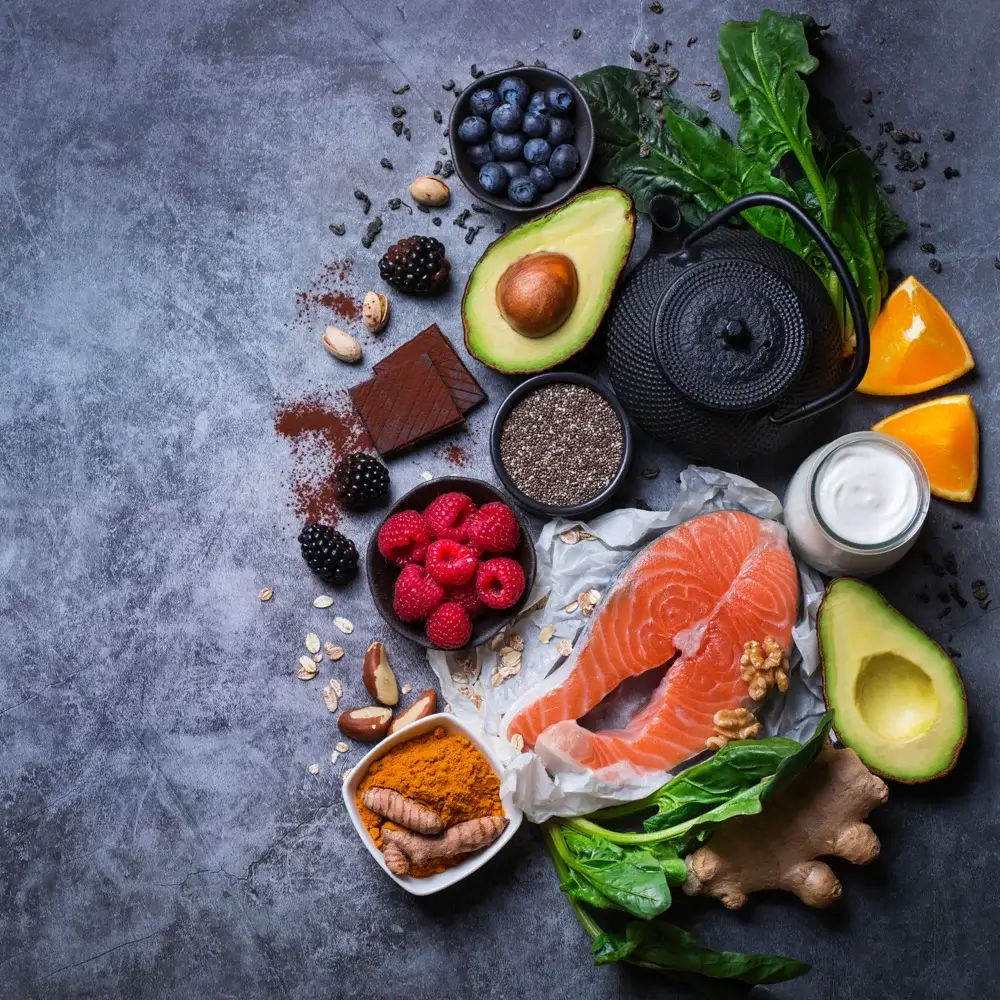
The liver is one of the most important organs in our bodies. It’s often described as the body’s ultimate multitasker. Indeed, the liver plays a vital role in maintaining overall wellness. From filtering toxins to metabolizing nutrients, the liver’s functions are many, diverse, and ultimately indispensable.
Unfortunately, modern life isn’t exactly kind to our bodies, especially to the liver.
Between processed foods, environmental toxins, stress, medications, excessive alcohol consumption, and long days spent sitting, our liver quietly takes on more than we actually realize.
And unfortunately, because the liver is such a resilient organ, it often keeps doing its job long before we notice something “feels” off.
From personal experience, I’ve learned that when the liver isn’t functioning optimally, it can affect far more than we realize. Energy levels, digestion, hormones, skin, mood, and overall vitality can all feel out of balance when the liver isn’t functioning well.
The encouraging part? The liver is incredibly responsive to lifestyle changes, especially nutrition.
While food is far from a magic fix, the choices we make every day can either support the liver’s natural processes or add to its workload.
That’s why focusing on liver healing foods can be such a powerful starting point for overall wellness.
In this guide, we will look at foods that are commonly known to support liver health, reduce everyday stress on the body, and encourage better balance from the inside out.

Why Liver Health Matters
The liver is one of the hardest-working organs in the body. Unfortunately, it rarely gets the attention it deserves.
Its role is incredibly broad. The liver helps process nutrients from the food we eat, supports digestion through bile production, regulates blood sugar levels, and assists the body in breaking down substances we don’t need, like waste products and environmental toxins.
It also plays a role in hormone balance by helping the body process and eliminate excess hormones, which is why the liver is often mentioned alongside energy levels, metabolism, and overall hormonal well-being.
Basically, when the liver is supported and healthy, many of the body’s systems tend to run more smoothly.
Similarly, when it’s overworked, the adverse effects show up. They often show up in subtle ways, like:
- Feeling sluggish
- Struggling with digestion
- Feeling “out of sync” without a clear reason.
- Skin issues
- Unexplained weight gain
This is why supporting the liver with liver healing foods is important. And this isn’t about extreme cleanses or harsh detoxes. No, this is about reducing unnecessary strain and giving the body the nutrients it needs to do exactly what it’s already designed to do.

What Happens When the Liver Becomes Damaged or Overworked?
When the liver becomes inflamed, stressed, or overworked, it might not function as efficiently as it should.
And this doesn’t always mean a medical condition, or something immediately serious. Well, it could, but it doesn’t always mean that. Often, it simply means the liver is dealing with more than it can comfortably manage, whether from poor dietary habits, chronic stress, excessive consumption of alcohol, lack of movement, or exposure to certain substances.
When this happens, processes like detoxification, digestion, and nutrient metabolism can become less efficient. Indeed, as a result, some people may notice changes in energy levels, digestion, skin health, and overall well-being.
Over time, chronic strain on the liver can contribute to deeper imbalances in the body. This may lead to serious issues such as liver disease or hepatic dysfunction, which manifests in different ways, from mild inflammation to severe scarring. All these can then progress to severe conditions like fibrosis and cirrhosis.
That’s why supporting liver health early with liver healing foods before things feel “serious” can be such an important part of a holistic approach to well-being.
And please note, you can have liver issues without consuming alcohol. Liver stress isn’t limited to alcohol use. Diet, lifestyle, and environmental factors all play a role.
This means almost everyone can benefit from being mindful of liver-supportive habits, including eating more liver healing foods.
21 Liver Healing Foods for a Healthy Liver
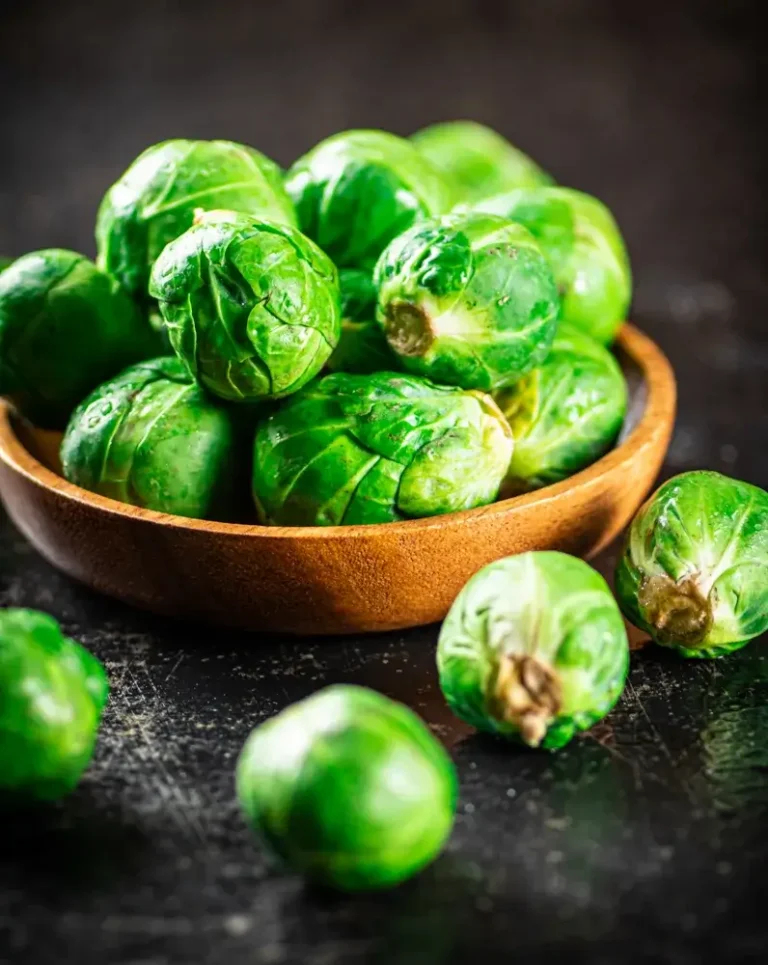
1. Cruciferous Vegetables
Broccoli, Brussels sprouts, cauliflower, cabbage
Cruciferous vegetables are often considered some of the most healing foods for liver health, and for good reason.
These vegetables contain natural sulfur compounds that help support the liver’s built-in detox pathways, often referred to as phase 1 and phase 11 detoxification. In simple terms, they help the liver process and clear out substances the body no longer needs.
Cruciferous vegetables are also especially helpful when it comes to estrogen balance, which is why they’re often recommended in hormone healing eating patterns.
Start small. Roasting, sauteing, or blending them into soups can make them easier to enjoy.
RELATED: Hormone Balancing Foods: 16 Foods that Balance Hormones

2. Leafy Greens
Spinach, kale, collards, swiss chard
Leafy greens are another powerful way to support liver health.
Leafy greens are rich in chlorophyll, a plant compound that helps bind to unwanted substances and supports the body’s natural cleansing processes.
They also help support healthy bile flow, which is important for digestion and fat metabolism.
If salads aren’t exactly your thing, leafy greens can be incredibly versatile. Add them to smoothies, soups, stir-fries, or even finely chop them into eggs or grain bowls.

3. Garlic
Garlic contains compounds like allicin and selenium, which help activate enzymes involved in the liver’s detox process. Simply put, these compounds support the liver’s ability to process everyday toxins more efficiently.
Remember, the key here is consistency, not quantity.
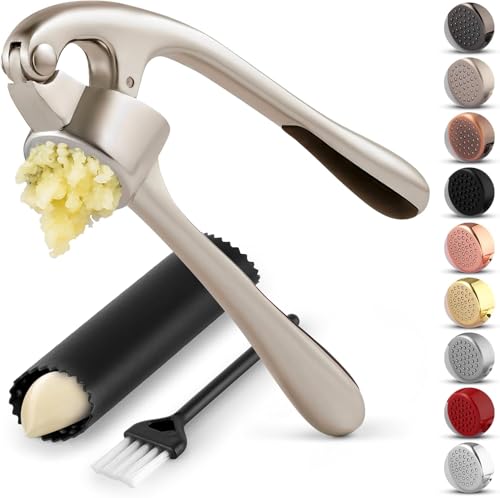
Adding fresh garlic to meals regularly can be an easy and super flavorful way to support your overall wellness. Get this garlic press from Amazon to make it super easy to add garlic to your meals regularly.

4. Turmeric
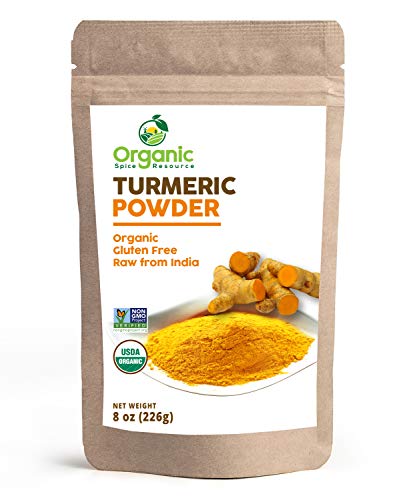
Turmeric is super popular in the wellness space and earns its place on this list.
Its active compound, curcumin, is valued for its antioxidant properties and its ability to support the body’s natural inflammatory balance. For the liver, turmeric helps support liver cells and protect them from everyday oxidative stress.
And it’s easy to consume. You can use it in cooking, golden milk, soups, or teas.
Pairing it with black pepper helps improve absorption.
5. Green Tea
It’s rich in catechins, natural antioxidants that support the liver’s detox processes and help the body manage fat metabolism more efficiently.

Swapping sugary drinks for green tea is one of the easiest ways to support overall wellness.
If you’re feeling inspired to try liver-healing foods but you’re not sure how to include these foods in your meals, then this system can help.
This weekly meal planner spreadsheet is exactly what you need to include these foods in your meals through meal planning. It will make it super easy for you to plan meals and actually stay consistent.

Weekly Meal Planner Spreadsheet with Automated Grocery List & Calorie Tracking
A simple all-in-one weekly meal planner spreadsheet to help you plan weekly meals, organize recipes, auto-generate grocery lists, and track calories and macros.
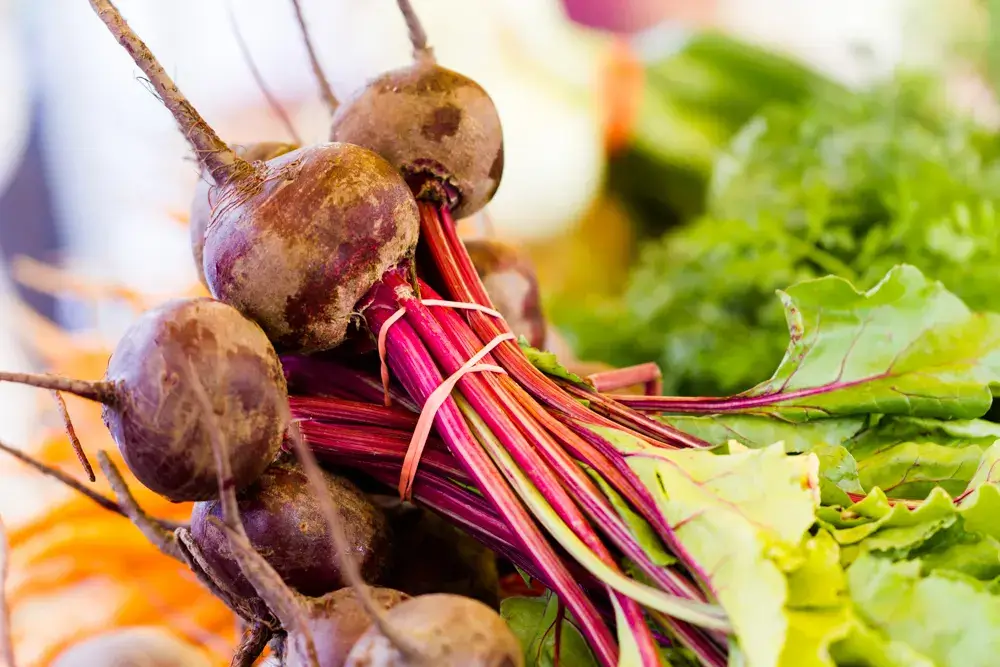
6. Beets
Beets contain betaine, a compound that helps support the liver’s natural detoxification processes and encourages healthy bile flow. And bile plays an important role in digestion, especially when it comes to breaking down fats and helping the body eliminate waste.
Beets are also rich in antioxidants, which help protect the liver from everyday oxidative stress.
If you’re new to beets, roasting them brings out their natural sweetness, or you can add a small amount to smoothies.
7. Fatty Fish
Salmon, sardines, mackerel
Fatty fish are well-known for their omega-3 fatty acid, which play a role in supporting the body’s inflammatory balance.
For liver health, omega-3s help support healthy fat metabolism and may help reduce the buildup of excess fat in the liver.
Including fatty fish a few times a week can be a super simple way to support both liver function and overall metabolic health.

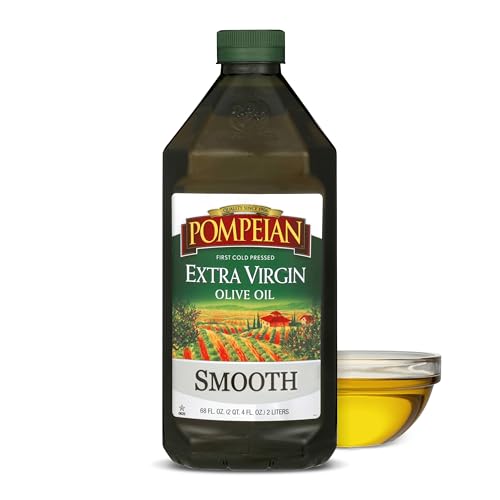
8. Olive Oil
Olive is a staple in many traditional and healthy eating patterns, and it earns its place on this liver healing foods list.
Using extra virgin olive oil as a primary fat source supports healthy fat metabolism and may help reduce unnecessary strain on the liver. It also provides antioxidants that support overall liver function.
Simply using olive oil instead of refined vegetable oils can make a very meaningful difference over time without changing how you eat.
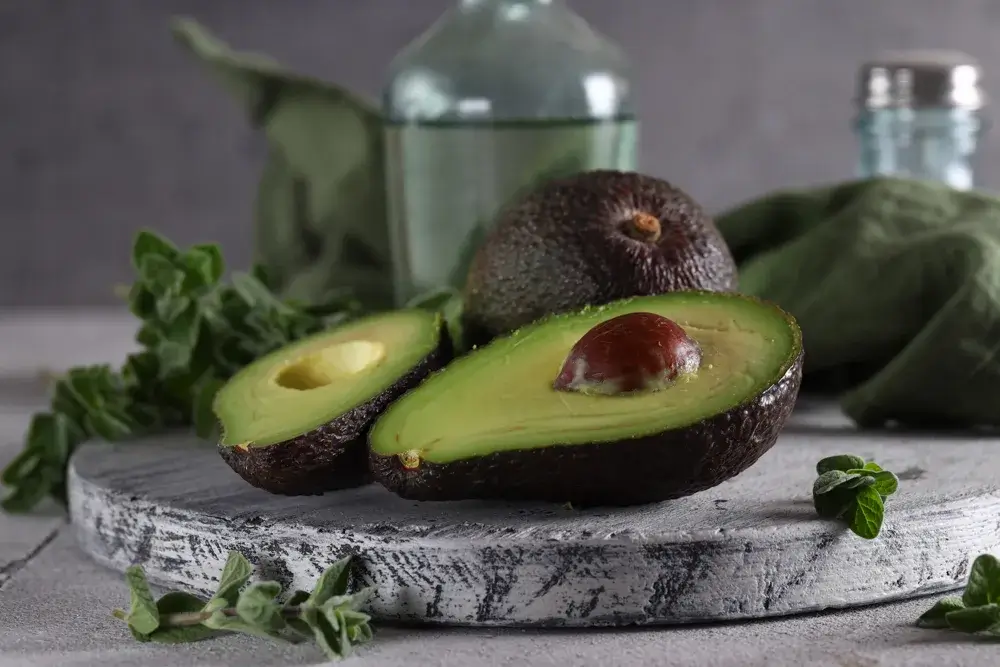
9. Avocado
Avocados are rich in healthy fats and nutrients that support liver health in several ways.
First, they help support the body’s production of glutathione, a compound involved in detoxification and cellular protection.
Secondly, avocados also provide antioxidants that help protect liver cells from everyday damage.
Add avocado to your meals by spreading it on toast, adding slices to salads, or blending it into smoothies for extra creaminess.
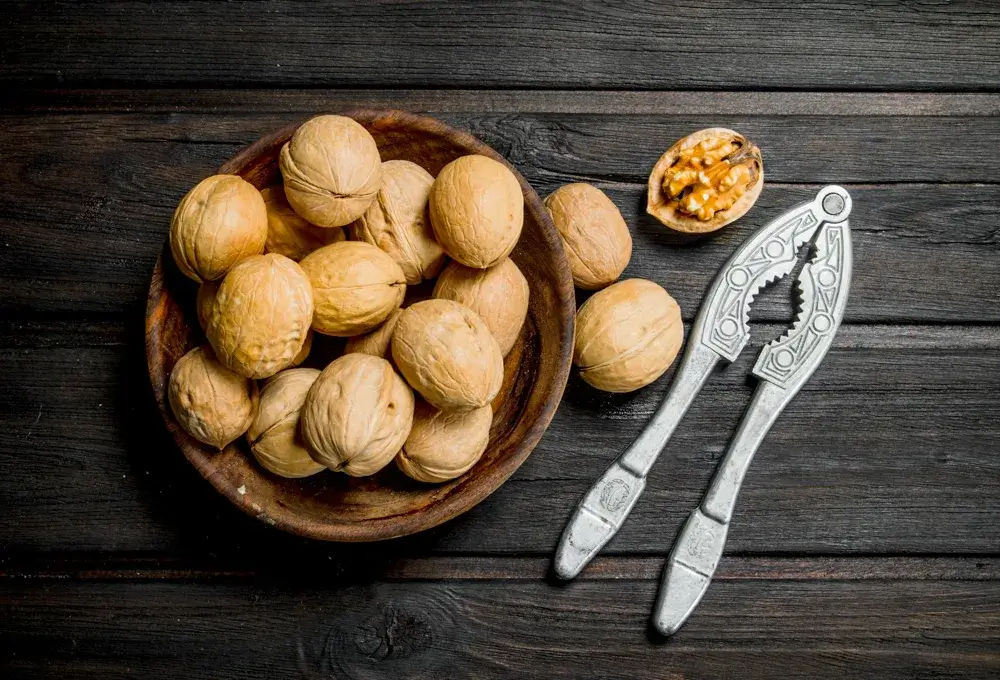
10. Walnuts
Walnuts offer a unique combination of omega-3 fatty acids and antioxidants, making them a supportive food for liver health.
They help support the body’s natural inflammatory balance and provide nutrients that assist the liver’s detox processes.
Remember, nuts are calorie-dense; a small handful is all you need.
Add walnuts to your oatmeal, Greek yogurt, salads, or just enjoy them as a simple snack.
11. Artichokes
Artichokes are especially supportive when it comes to digestion and bile flow.
They help encourage bile production, which the body uses to break down fats and move waste out more efficiently. And when digestion runs smoothly, the liver doesn’t have to work as hard to compensate.
Artichokes also provide antioxidants that support the body’s natural detox and elimination processes.
Enjoy your artichokes steamed, roasted, or as marinated artichoke hearts added to salads and bowls.

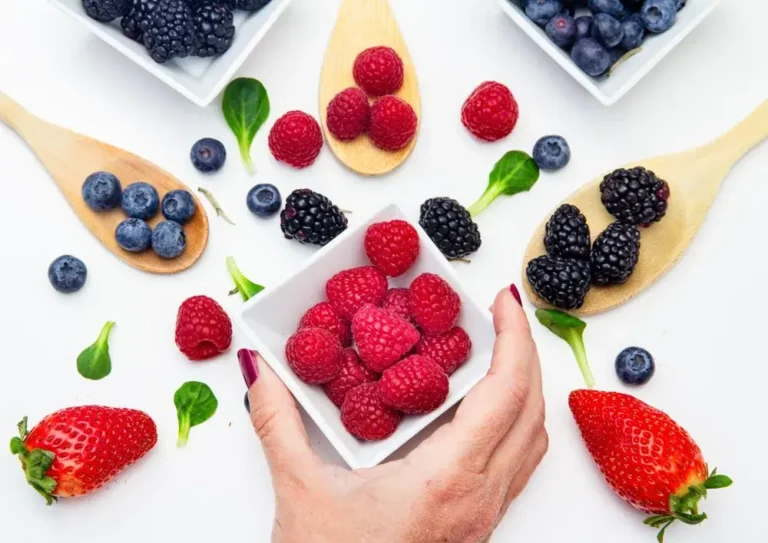
12. Berries
Berries are rich in antioxidants, which help protect the liver cells from oxidative damage. This is particularly important since oxidative stress can build up over time from stress, poor diet, and environmental exposure.
Basically, while berries don’t detox the liver directly, they help create a more supportive internal environment.
Adding berries to smoothies, Greek yogurt, oatmeal, or just eating them as a snack is an easy and enjoyable way to include them regularly in your meals.

13. Citrus Fruits
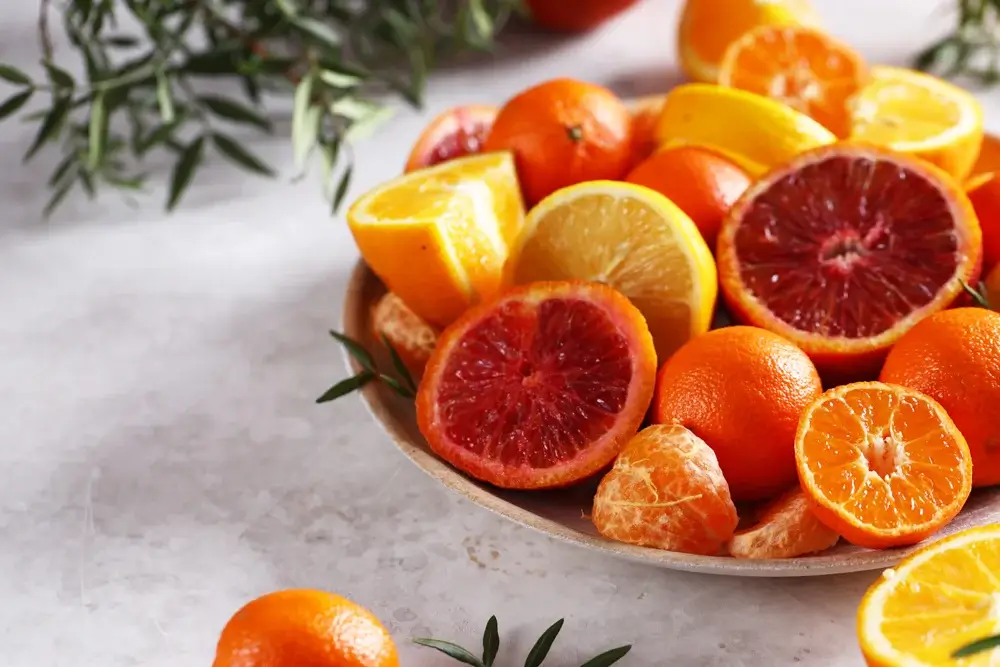
Citrus fruits like lemons, oranges, and grapefruit provide Vitamin C, which supports the enzymes involved in the body’s natural detox processes.
They also help gently stimulate liver activity and digestion, making them a great addition to your daily routine.
I mean, something as simple as adding lemon to your drinking water or including citrus to your meals can make a huge difference.
Related: Immune-Boosting Foods: The Best Foods To Strengthen Your Immunity
14. Ginger
Ginger has long been used to support digestion, and that’s exactly where its liver-supportive role comes in.
Basically, it helps reduce digestive discomfort, supports inflammatory balance, and encourages smoother digestion overall.
And when digestion improves, the liver benefits indirectly by dealing with fewer backup issues.
Include ginger in your diet as fresh ginger tea, grated into meals, or add it to soups and smoothies.

15. Flaxseeds
Flaxseeds are a great combination of fiber and omega-3 fatty acids, both of which support elimination pathways in the body.
Fiber helps move waste, hormones, and toxins out through digestion rather than allowing them to recirculate.
Omega-3s support overall inflammatory balance, which indirectly supports liver health as well.
Ground flaxseeds are usually better than whole seeds for digestion. Here is an awesome one from Spectrum.
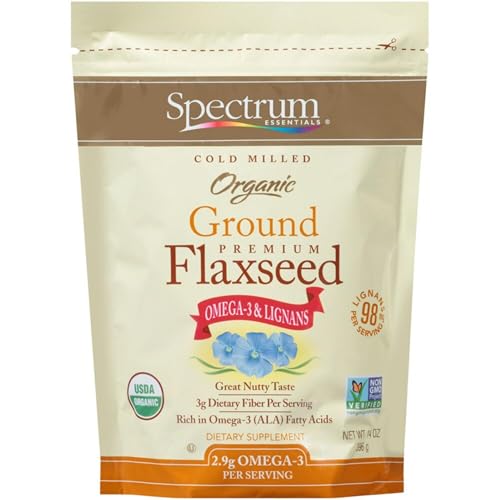
Simply sprinkle them into oatmeal, smoothies, or yogurt for a super simple add-in.
16. Legumes
Legumes like lentils, chickpeas, and beans are rich in fiber, which plays an important role in toxin and waste elimination through digestion.
By supporting regular digestion and helping stabilize blood sugar levels, legumes reduce unnecessary stress on the liver. Simply put, when digestion is running smoothly and sugar is more balanced, the liver doesn’t have to work as hard to regulate energy and storage.

17. Quinoa
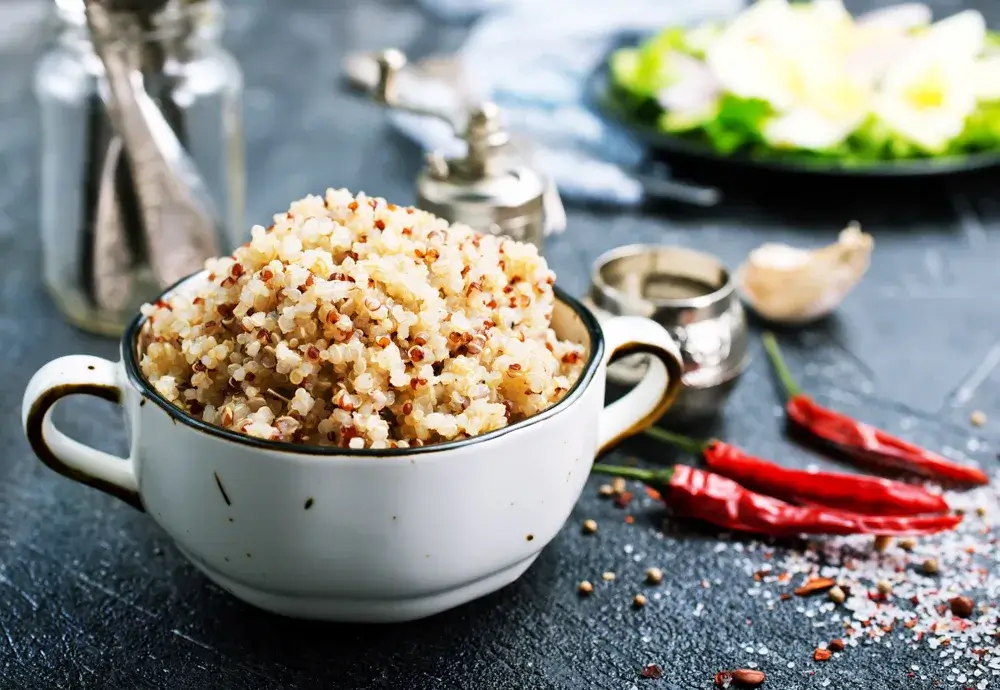
This has also earned its place on this list of liver healing foods. Quinoa is a nutrient-dense whole grain that supports metabolic health and balanced energy levels.
It does this by providing fiber, plant-based protein, and minerals that support digestion and blood sugar balance, both of which, as mentioned, indirectly support liver function.
And as a plus, quinoa is naturally gluten-free, making it an awesome option for many people.
You can use it as a base for bowls, salads, or as a simple side dish.
18. Tofu
Tofu offers a source of lean, plant-based protein that doesn’t overload digestion with excess fat.
It is an awesome option for people looking to support liver health through lighter protein choices. I mean, it provides essential amino acids while keeping meals balanced and easy to digest.
Go for minimally processed options.
19. Yogurt
Yogurt supports liver health through its role in gut health.
The probiotics found in yogurt help support a healthy gut microbiome, which is closely connected to liver function through what’s often called the gut-liver axis.
Simply put, when gut health is supported, fewer unwanted substances reach the liver in the first place.
Please, go for unsweetened versions to avoid excess added sugars.
RELATED: Gut Healing Foods and Habits

20. Kombucha
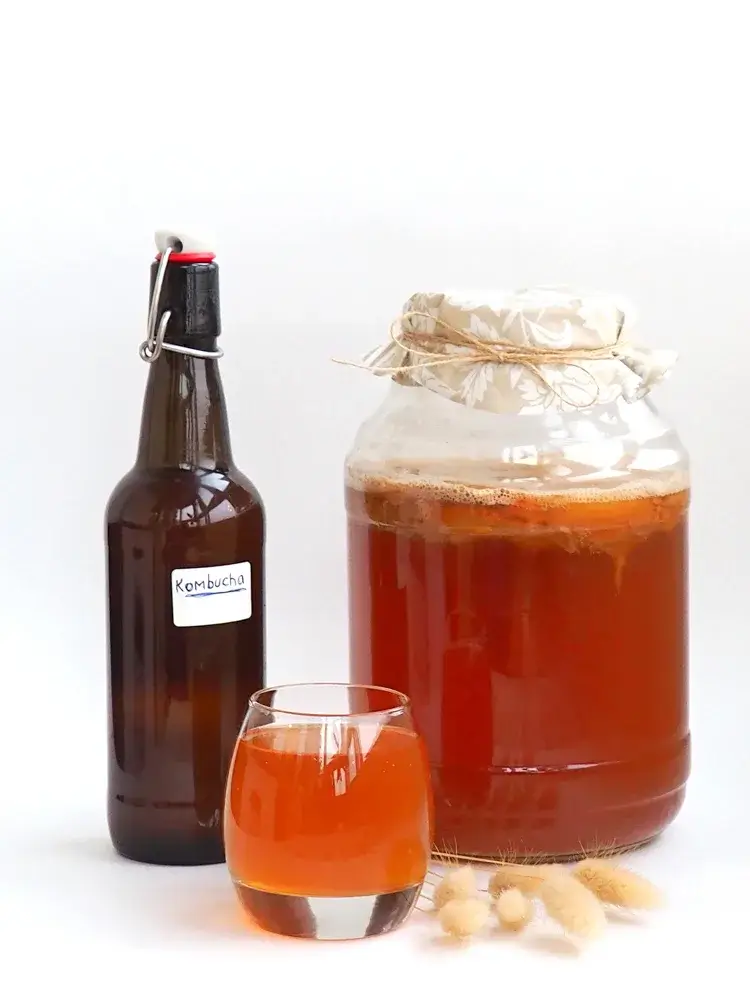
Kombucha is a fermented tea that provides probiotic support for gut health.
It can be an awesome, refreshing way to support digestion and microbial balance.
And as mentioned, since the liver and gut work closely together, this indirect support is very helpful over time.
Since it can contain added sugar, go for small servings and make a point to always check the label.
RELATED: Top Fermented Foods and Their Benefits
21. Nuts and Seeds
Almonds, pumpkin seeds, and sunflower seeds provide healthy fats and antioxidants that support overall wellness.
Indeed, while they don’t directly detox the liver, they contribute nutrients that support inflammatory balance and metabolic health, which indirectly support liver health.
Remember, nuts and seeds are calorie-dense, so mindful portions, please.
How to Include Liver Healing Foods into Your Daily Routine
Making these liver healing foods part of your regular diet isn’t that complicated. Here’s how you can do that
- Meal prep with greens– prepare greens for smoothies or salads in advance and store in the fridge. This makes it easy to actually eat them.
- Create simple detox drinks- Start your morning with lemon water or a simple green juice made from spinach, cucumber, and lemon.
- Keep liver-friendly snacks on hand– yogurt, berries, nuts, and seeds should be a staple in your kitchen.
- Plan liver-healing meals: The only way to actually follow through with eating liver healing foods is by planning meals that actually use these foods as ingredients. I personally use this weekly meal planner spreadsheet to plan balanced meals, stay consistent, and avoid decision fatigue.
Weekly Meal Planner Spreadsheet with Automated Grocery List & Calorie Tracking
A simple all-in-one weekly meal planner spreadsheet to help you plan weekly meals, organize recipes, auto-generate grocery lists, and track calories and macros.
Please note, it’s important to consult with a healthcare professional before making significant changes to your diet, particularly if you have underlying health conditions.
Final Thoughts
If there’s one thing to take from this particular blog, it is that the liver is remarkably resilient and very responsive to supportive lifestyle choices, including liver healing foods.
So, you don’t need restrictive cleanses or trendy detox plans to support liver health.
Adding liver healing foods consistently often means a lot more than extremes.
Start where you are. Add one it two liver healing foods and keep going.
Remember, one of the biggest challenges with supporting liver health isn’t just knowing what to eat; it’s staying consistent.
Using our weekly meal planner spreadsheet can make it easier to include liver healing foods more regularly, not to mention reduce stress around meals.
Weekly Meal Planner Spreadsheet with Automated Grocery List & Calorie Tracking
A simple all-in-one weekly meal planner spreadsheet to help you plan weekly meals, organize recipes, auto-generate grocery lists, and track calories and macros.
Until the next one loves.
Zine