The Ketogenic Diet for Beginners (Complete Guide)
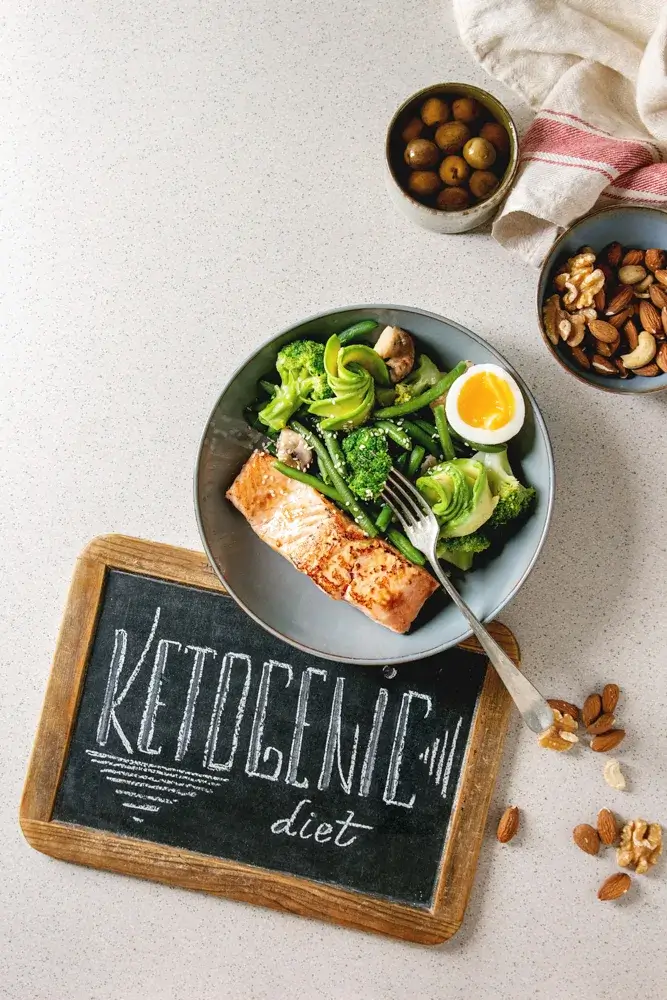
The ketogenic diet, commonly called the keto diet, is one of the most popular low-carb eating plans in the world. And for good reason. The keto diet offers many health benefits, from weight loss to improving your overall health and wellness.
Basically, in this low-carb, high-fat diet, instead of relying on carbohydrates like bread and pasta for energy, the keto diet focuses on healthy fats, moderate protein, and very low carbohydrates.
And when carb intake drops significantly, the body enters a metabolic state called ketosis, where it begins burning fat for fuel instead of glucose.
This shift in how your body produces energy is what makes keto different from many traditional diets.
Over the past decade or so, the ketogenic diet has gained massive popularity among people looking to improve their health, lose weight, and stabilize their energy levels.
Indeed, many people turn to keto for benefits such as weight loss, more stable energy throughout the day, better blood sugar balance, and reduced hunger and cravings.
And while keto is far from the perfect approach for everyone, a lot of people find it easier to stick to than other traditional calorie-restricted diets because meals tend to be more satisfying and filling. After all, keto diet meals are full of protein and healthy fats.
In this beginner’s guide, I’ll explain how the ketogenic diet for beginners works, its potential benefits, what to eat and what to avoid on the keto diet, and give you a 7-day beginner-friendly meal plan to get you started.

And remember, staying consistent on keto is much easier when you have a plan. Instead of guessing what to eat every day and whether or not it’s keto-friendly, use our Weekly Meal Planner Spreadsheet to plan your keto meals in advance.
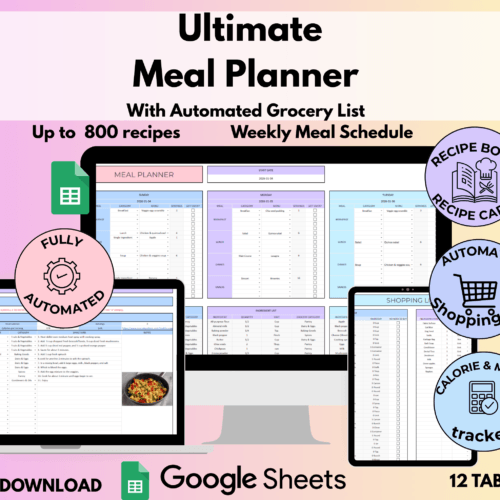
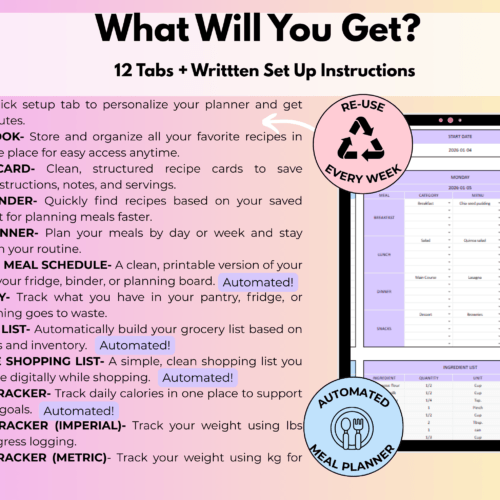
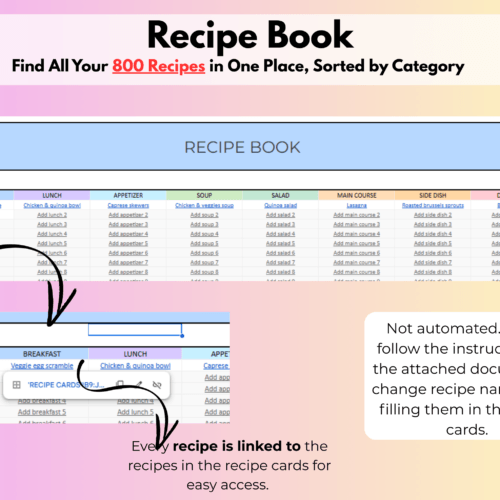
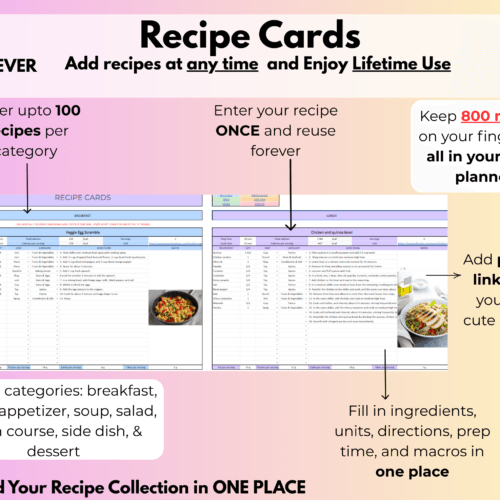
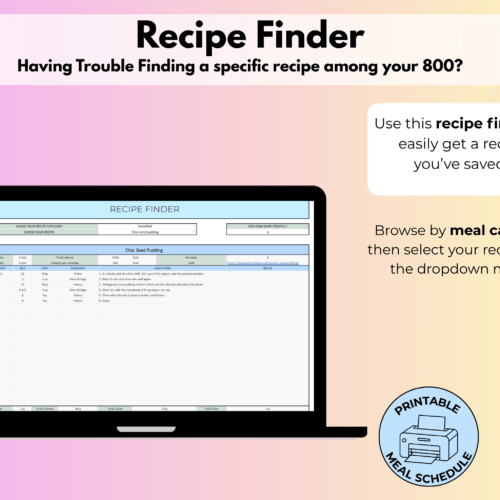
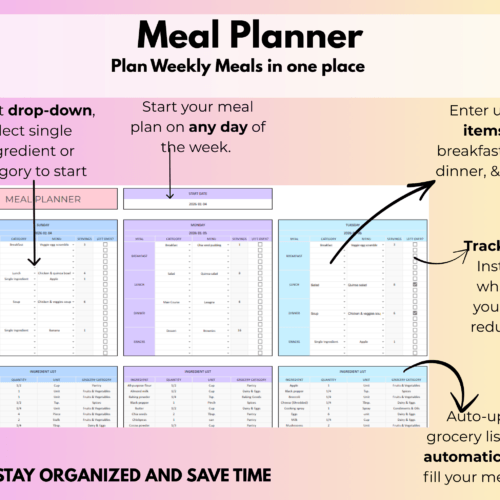
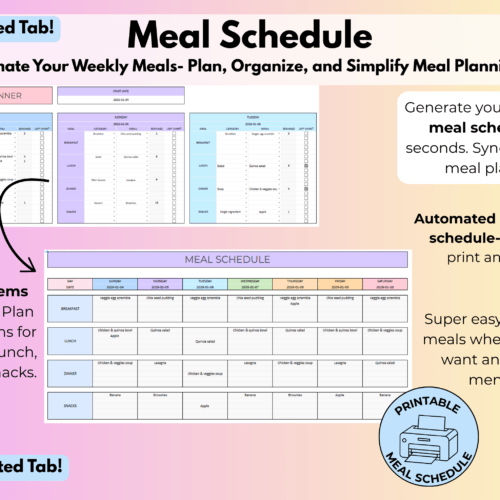
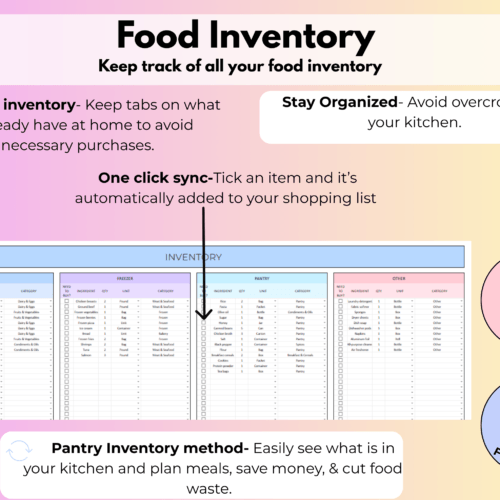
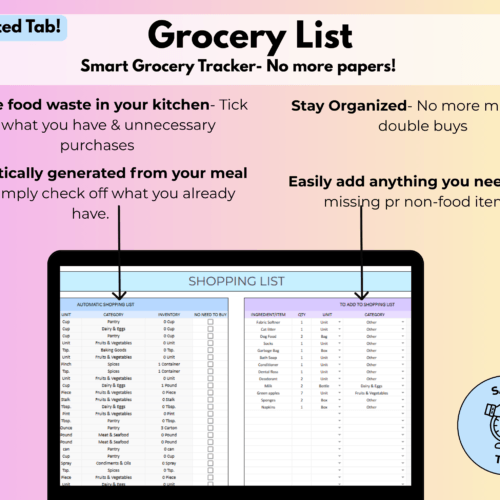
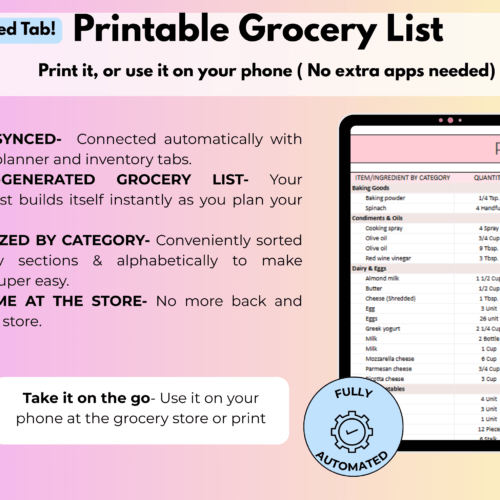
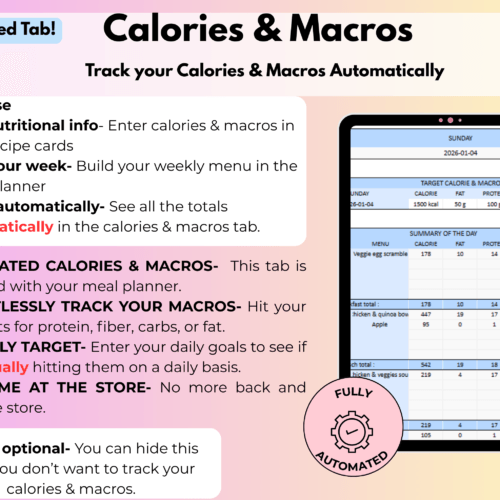
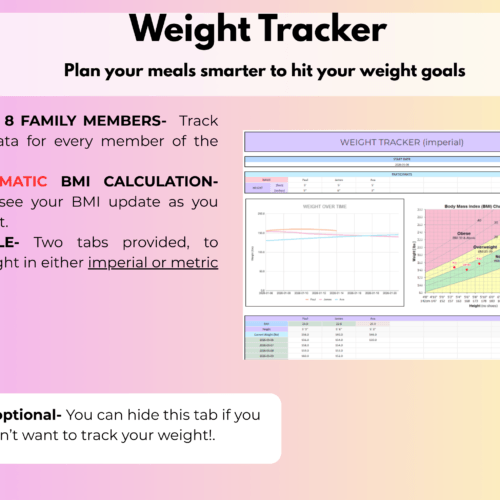
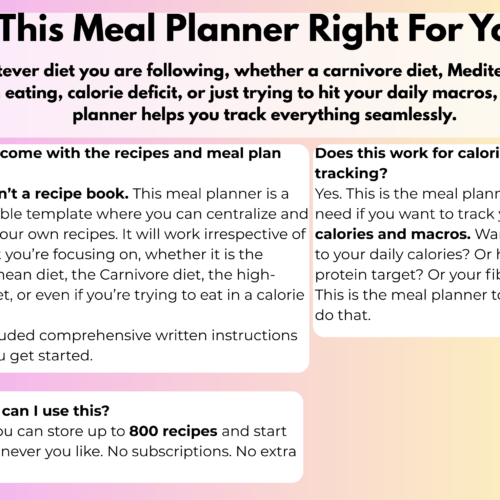


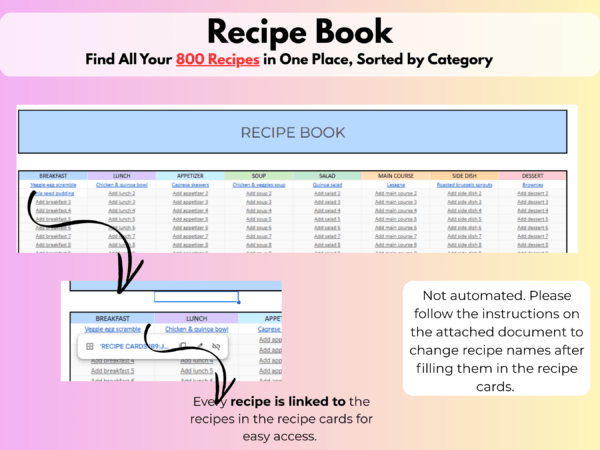
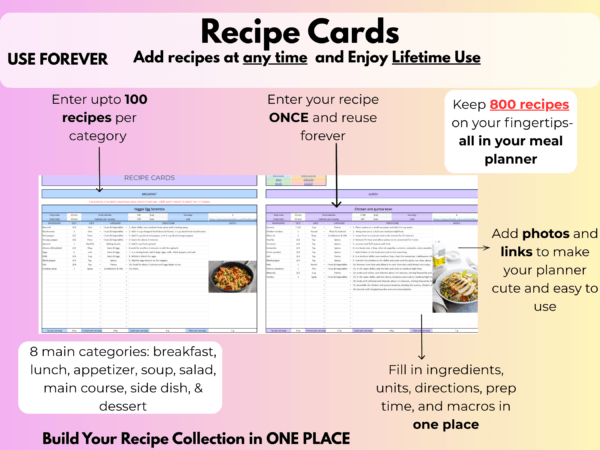
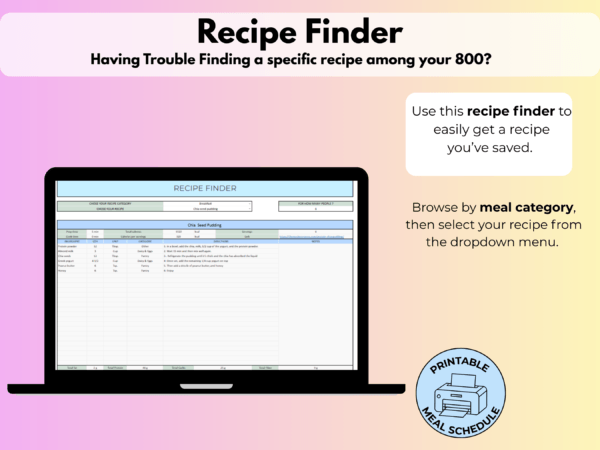
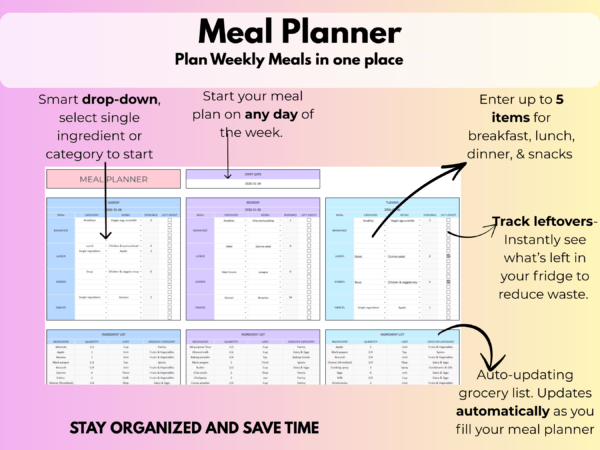
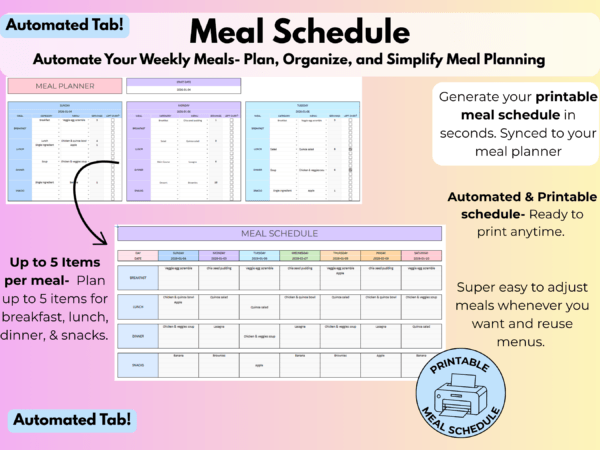
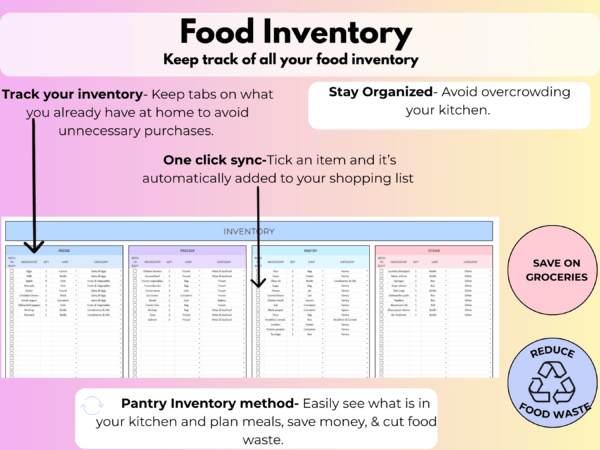
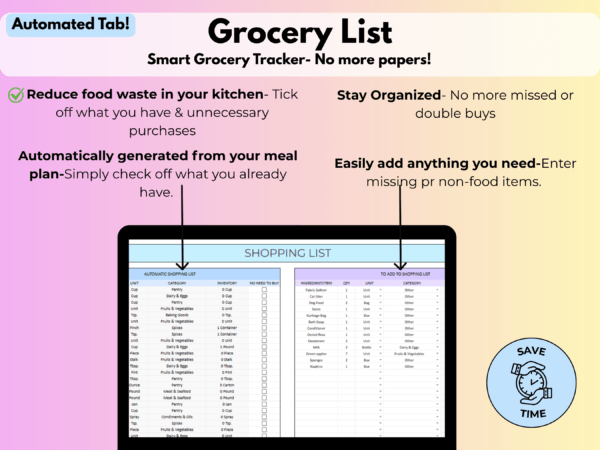
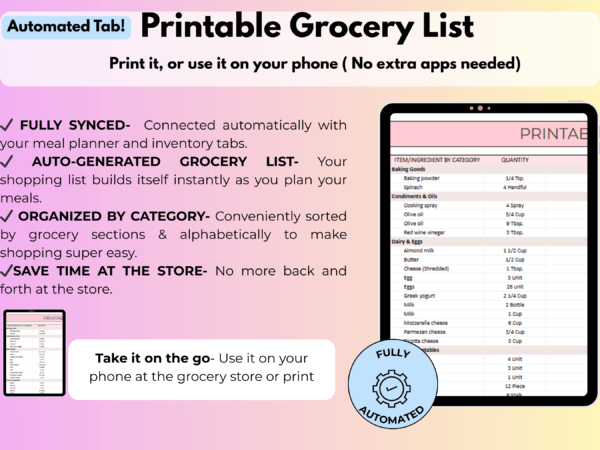
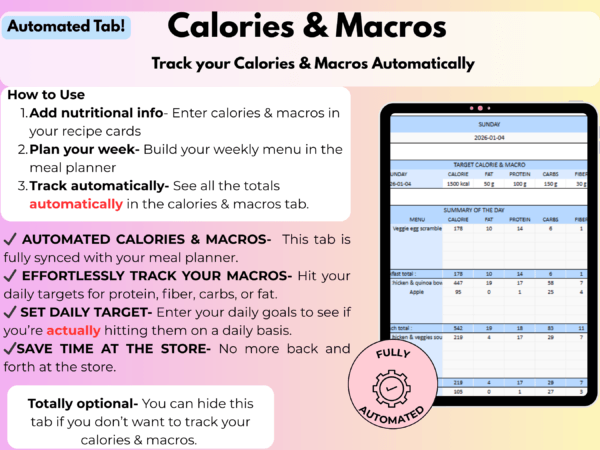
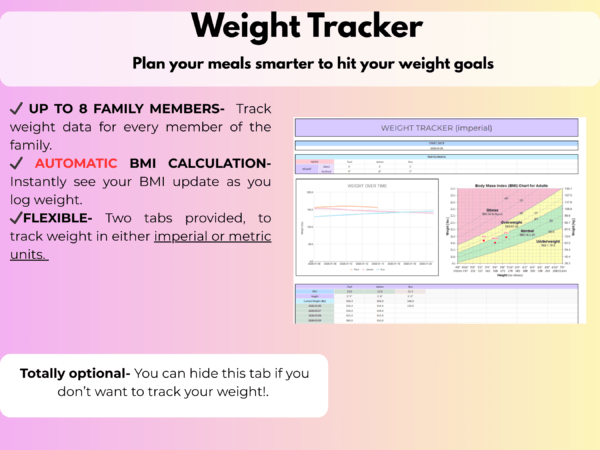
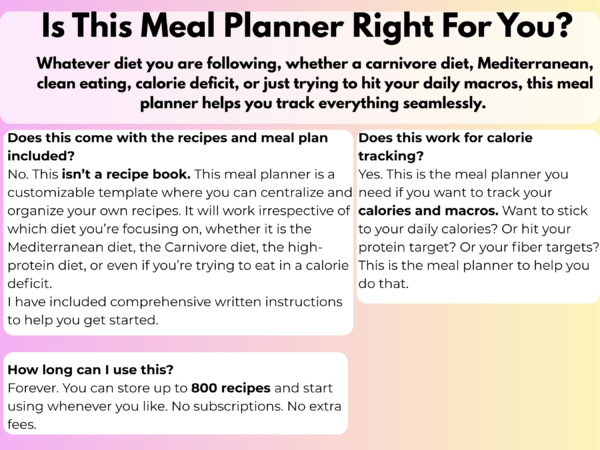
Weekly Meal Planner Spreadsheet with Automated Grocery List & Calorie Tracking
A simple all-in-one weekly meal planner spreadsheet to help you plan weekly meals, organize recipes, auto-generate grocery lists, and track calories and macros.
First Things First: What is the Keto Diet?
Basically, the ketogenic diet is a way of eating that focuses on low carbohydrates, high healthy fats, and moderate protein.
As mentioned, the goal of the diet is to shift your body into ketosis, where fat becomes the primary fuel source instead of carbs.
You see, on a typical diet, let’s say the Mediterranean diet, your body breaks down carbohydrates into glucose, which is used as the body’s main energy source. However, when carbs drop significantly, the body is forced to find an alternative fuel source. And that’s how the keto diet works.
Most people following the ketogenic diet keep their daily carbohydrate intake between 20-50 grams per day, which is much lower than the average diet.
A typical ketogenic diet is often structured around these macronutrient ratios:
- 70-75% of calories from fat
- 20-25% from protein
- 5-10% from carbohydrates
These proportions encourage the body to rely on fat rather than carbohydrates for energy.
Interestingly, the ketogenic diet was originally developed in the 1920s as a medical treatment for epilepsy.
Researchers discovered that ketones, the molecules produced during ketosis, could help stabilize brain activity.
Although keto began as a therapeutic diet, it is now widely used for weight loss and overall wellness.
Benefits of the Ketogenic Diet for Beginners
A lot of people go for the ketogenic diet because of its potential health benefits. And while individual results might vary, research and anecdotal experience suggest several advantages, including:
1. Weight Loss
This is one of the main reasons people try out the keto diet.
Basically, reducing carbohydrate intake lowers insulin levels in your body, which can make it easier for the body to access and burn stored fat for energy.
Besides, high-fat and moderate-protein meals are more filling than carbs, making it easier to reduce your calorie intake without all that strict calorie tracking and counting.
2. Helps Control Blood Sugar
Because the ketogenic diet dramatically reduces carbohydrate intake, it can actually help prevent large spikes and crashes in blood sugar levels common with carbs, particularly simple carbs.
Indeed, some studies show low-carb diets such as the keto diet may help improve insulin sensitivity and support better blood sugar control, particularly for people with insulin resistance.
However, anyone with diabetes, or any underlying medical condition for that matter, should consult a healthcare professional before starting a new diet.
3. Reduces Hunger and Cravings
Reduced hunger is one of the main reasons the keto diet is so effective for weight loss.
Fat and protein typically take longer to digest compared to carbs, which can help you feel full for longer.
Many people experience fewer cravings and snack less frequently on the keto diet.
4. May Improve Mental Clarity
Some people actually report better focus and mental clarity after adapting to ketosis.
Basically, ketones provide a steady source of fuel for the brain, which may help reduce the energy crashes common in high-carbohydrate meals.
5. More Stable Energy
As I mentioned, carbohydrate-heavy diets can sometimes cause spikes and drops in blood sugar, leading to fatigue and energy crashes.
Because ketosis provides a more consistent fuel source, many people experience steadier energy levels throughout the day.
Keto Diet Food List: What to Eat
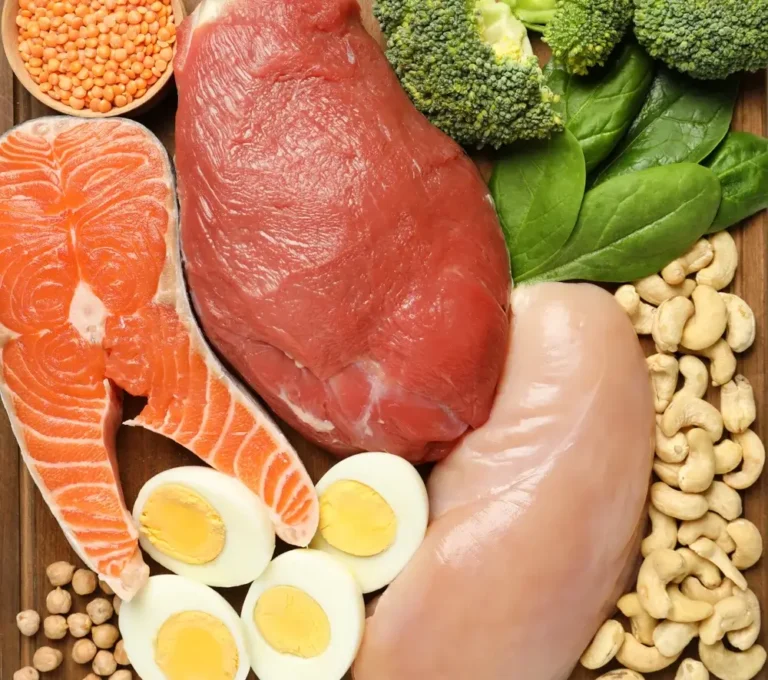
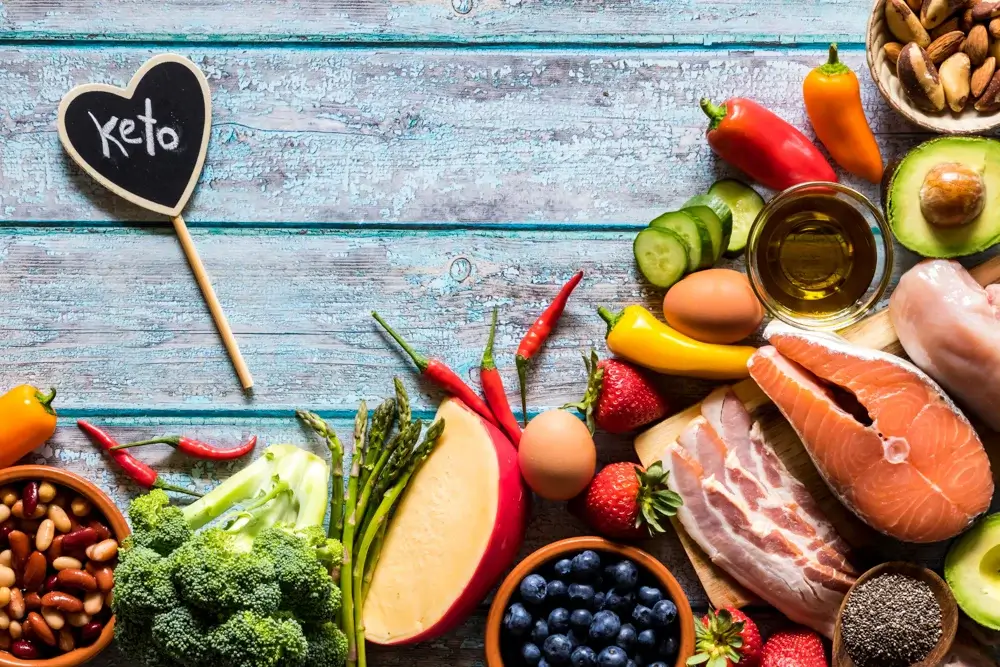
One of the most important parts of following the ketogenic diet is choosing foods that are low in carbohydrates but rich in healthy fats and quality protein.
The idea is to keep carb intake low enough to stay in ketosis while still getting enough nutrients from whole foods.
Here are the best foods to eat on the ketogenic diet.
Healthy Fats
Healthy fats make up the majority of calories on the ketogenic diet.
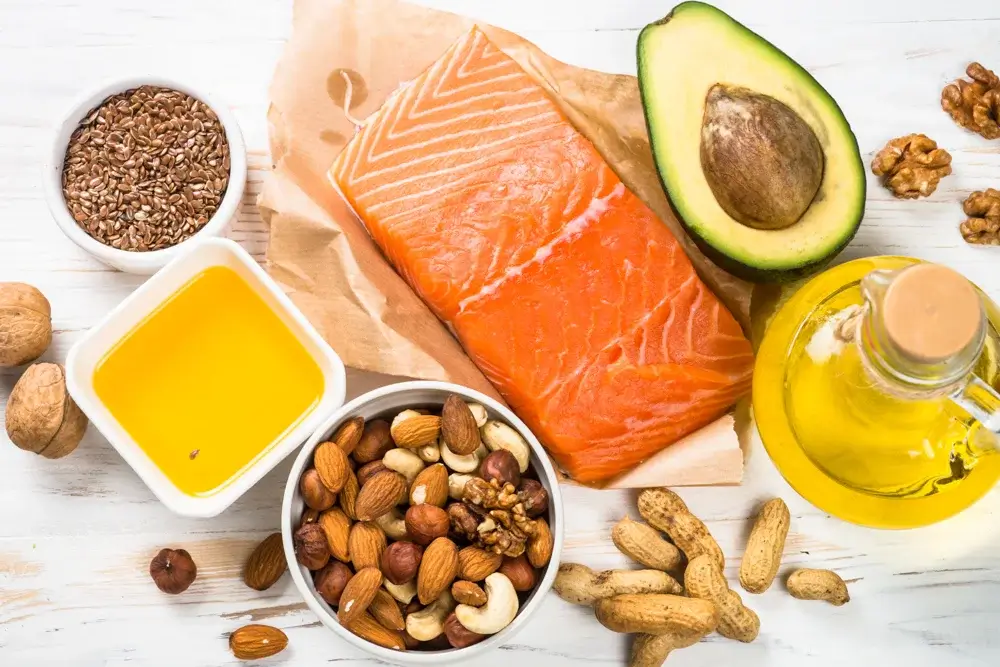
Common keto-friendly fats include:
- Avocados
- Extra virgin olive oil

- Coconut oil
- Avocado oil
- Butter and ghee
- Fatty fish like salmon, trout, tuna, mackerel, and sardines
- Nuts and seeds like almonds, walnuts, macadamia nuts, pecans, chia seeds, flaxseeds, pumpkin seeds, and sunflower seeds.
Protein Sources
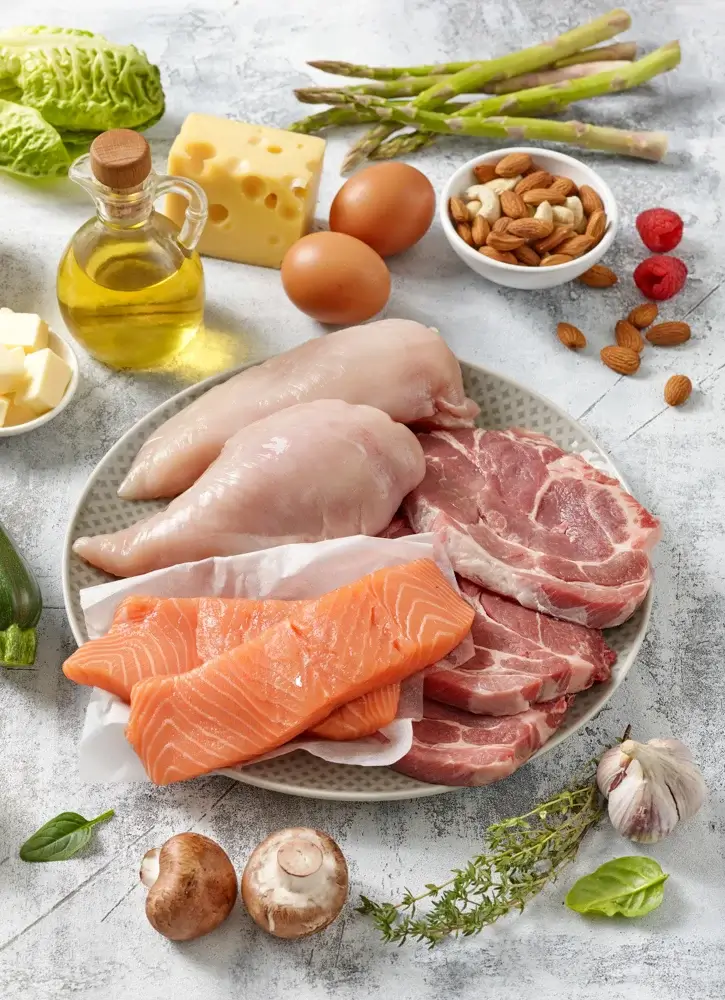
- Beef
- Sausage
- Chicken
- Turkey
- Eggs
- Fish and seafood
- Pork
- Bacon
- Ham
- Full-fat dairy products such as cheese, yogurt, and cream.
Please remember to watch your protein intake. Protein can be converted into glucose if consumed in high amounts, which will beat the purpose of the keto diet.
Low-Carb Vegetables
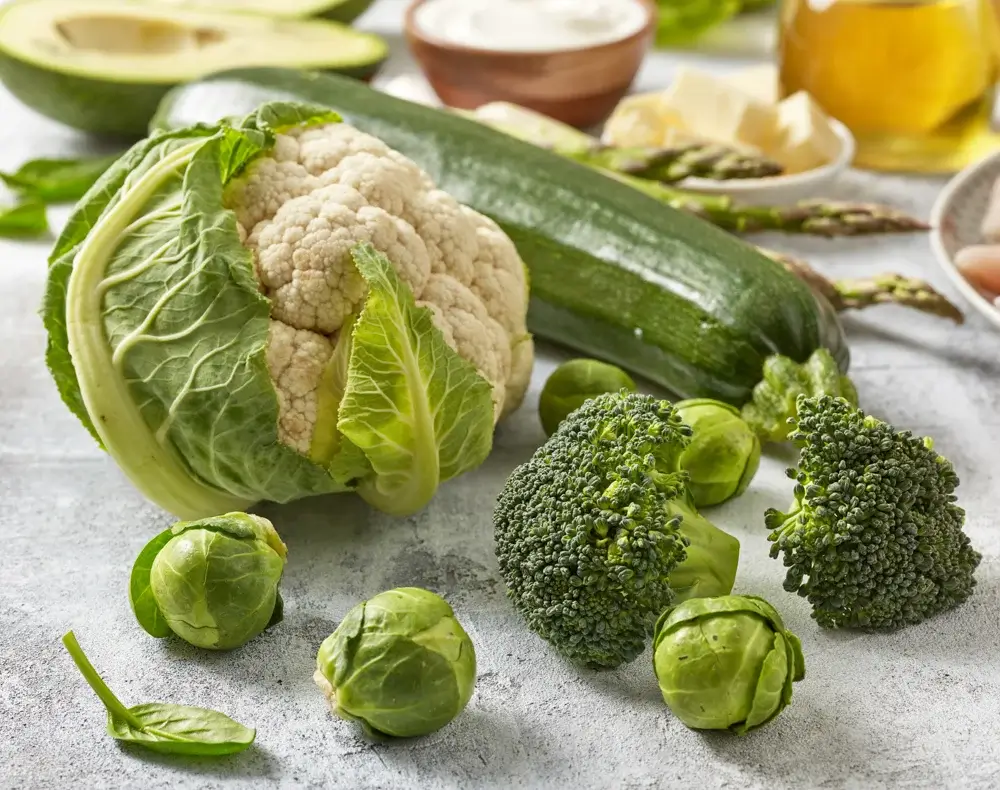
Yes, many high-carb foods are a complete no-no on the ketogenic diet. However, non-starchy vegetables are a good addition because they provide fiber, vitamins, minerals, and not to mention some much-needed volume.
The best keto-friendly vegetables include:
- Spinach
- Kale
- Tomatoes
- Onions
- Broccoli
- Cauliflower
- Zucchini
- Mushrooms
- Peppers
Foods to Avoid on the Keto Diet
High Carb Foods
Many staples on your typical diet are high in carbs and a complete no-no on the keto diet.
These include:
- Bread
- Pasta
- Rice
- Cereals
- Oats

Sugary Foods
Foods high in added sugar can cause rapid spikes in blood sugar, making it hard to stay in ketosis
Please avoid:
- Soda
- Candy
- Baked desserts
- Sugary drinks
- Ice cream
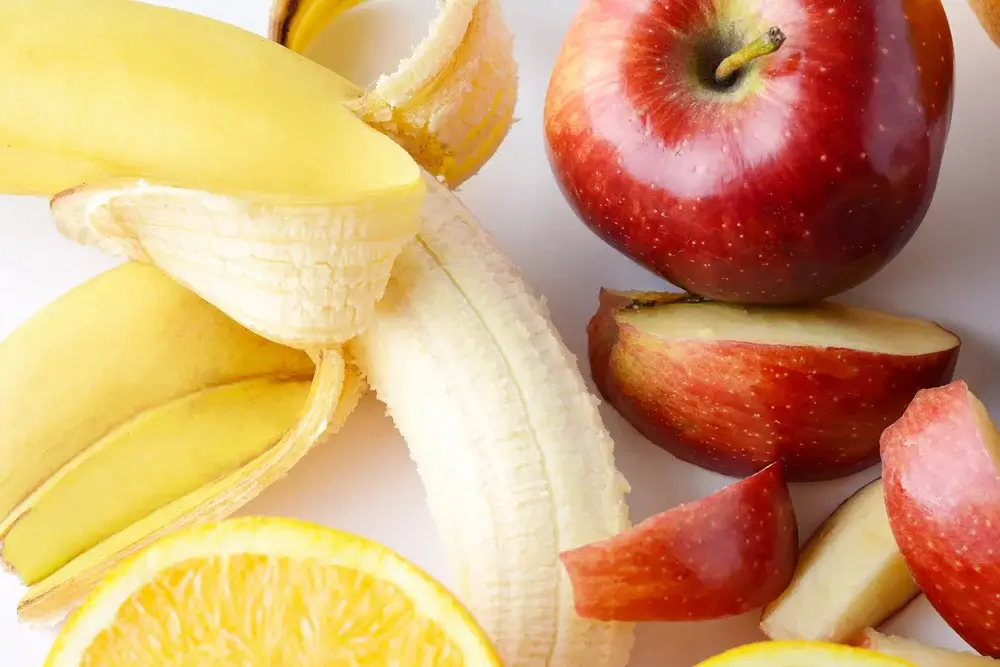
High-Carb Fruits
While indeed fruits are generally healthy, unfortunately, many fruits are naturally high in sugar and carbs.
Please avoid:
- Bananas
- Apples
- Grapes
- Oranges
In fact, avoid most fruits. Only do berries in small quantities.
Starchy Vegetables
These contain higher levels of carbohydrates, and you should avoid them on the ketogenic diet.
- Potatoes
- Sweet potatoes
- Corn
- Peas
- Carrots
- Parsnips
Keto Snack Ideas
Snacking on keto can get tricky real quick since you can’t exactly go for your usual options.
And yes, snacking is less necessary on the keto diet because high-fat meals tend to keep you full for longer.
But it’s always a good idea to have a few options on hand just in case.
Some good, simple options include:
- Hard-boiled eggs
- Cheese sticks or slices
- Nuts and seeds
- Avocado with a pinch of salt
- Olives
- Chia pudding made with almond milk
- Keto yogurt bowls with berries and seeds

7- Day Ketogenic Diet Meal Plan for Beginners
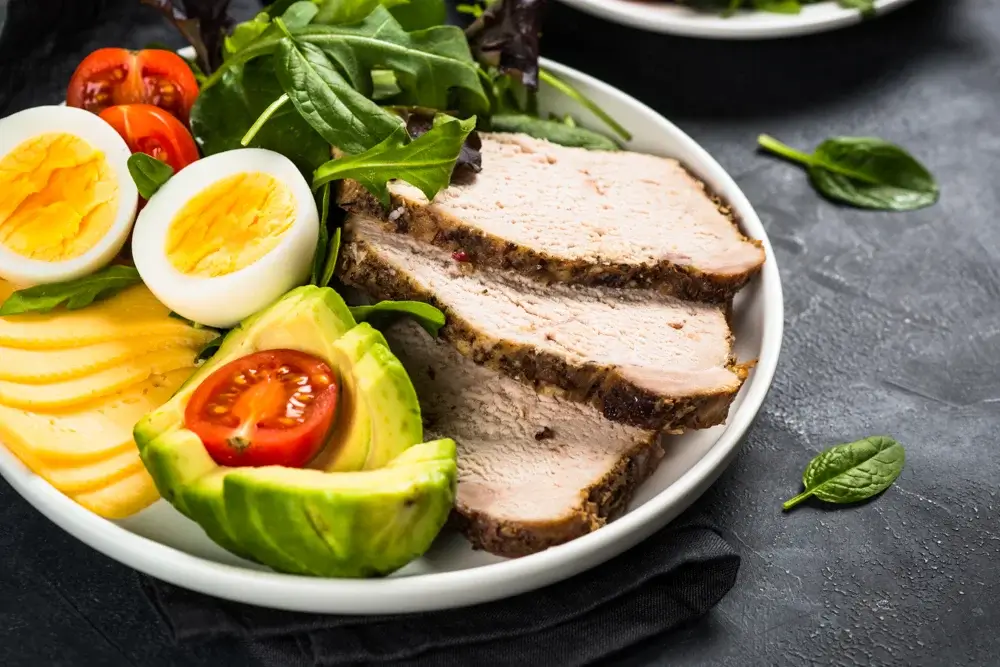
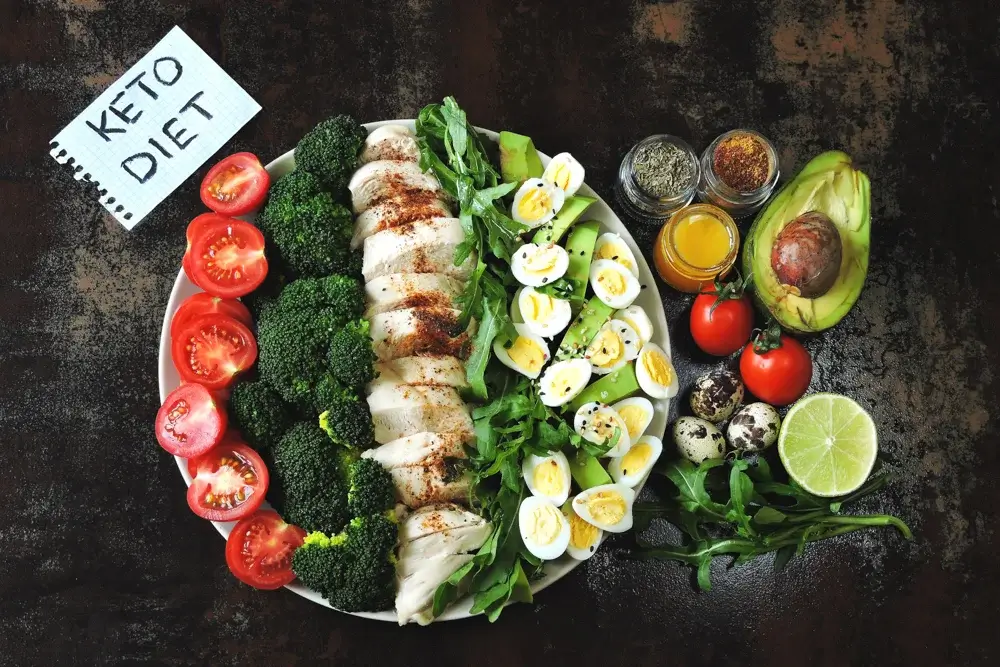
A simple keto plate typically includes a source of protein, low-carb vegetables, and healthy fats.
For instance:
Protein: grilled chicken
Vegetables: mixed greens and cucumber
Healthy fat: half an avocado, olive oil, and feta cheese
Combine all these for a keto-friendly chicken salad.
This is how you’d typically build your meals on the ketogenic diet.
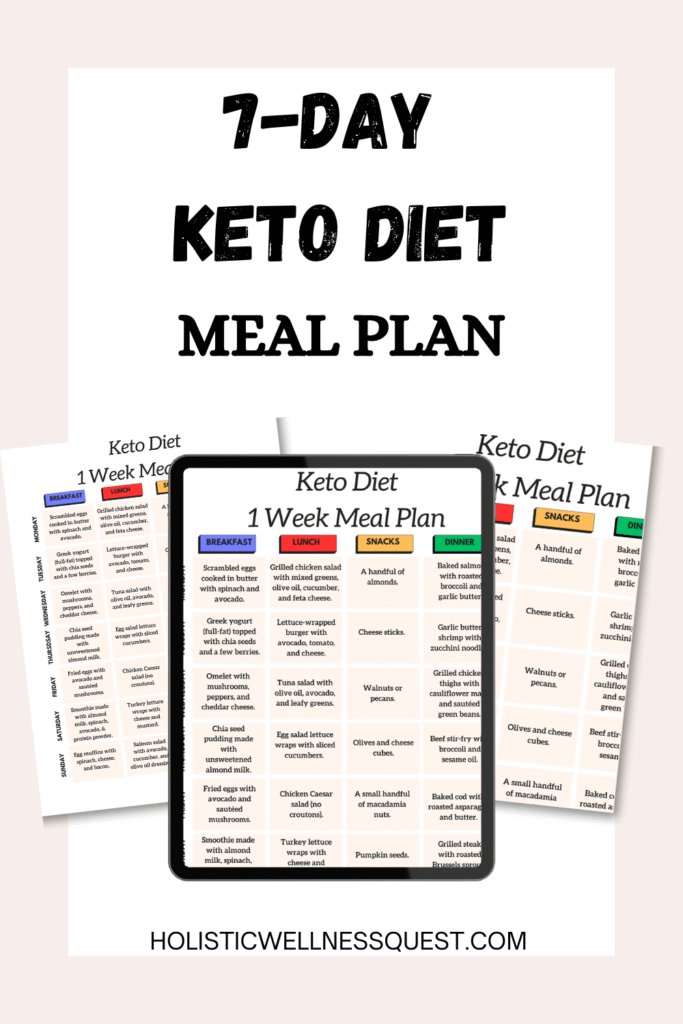
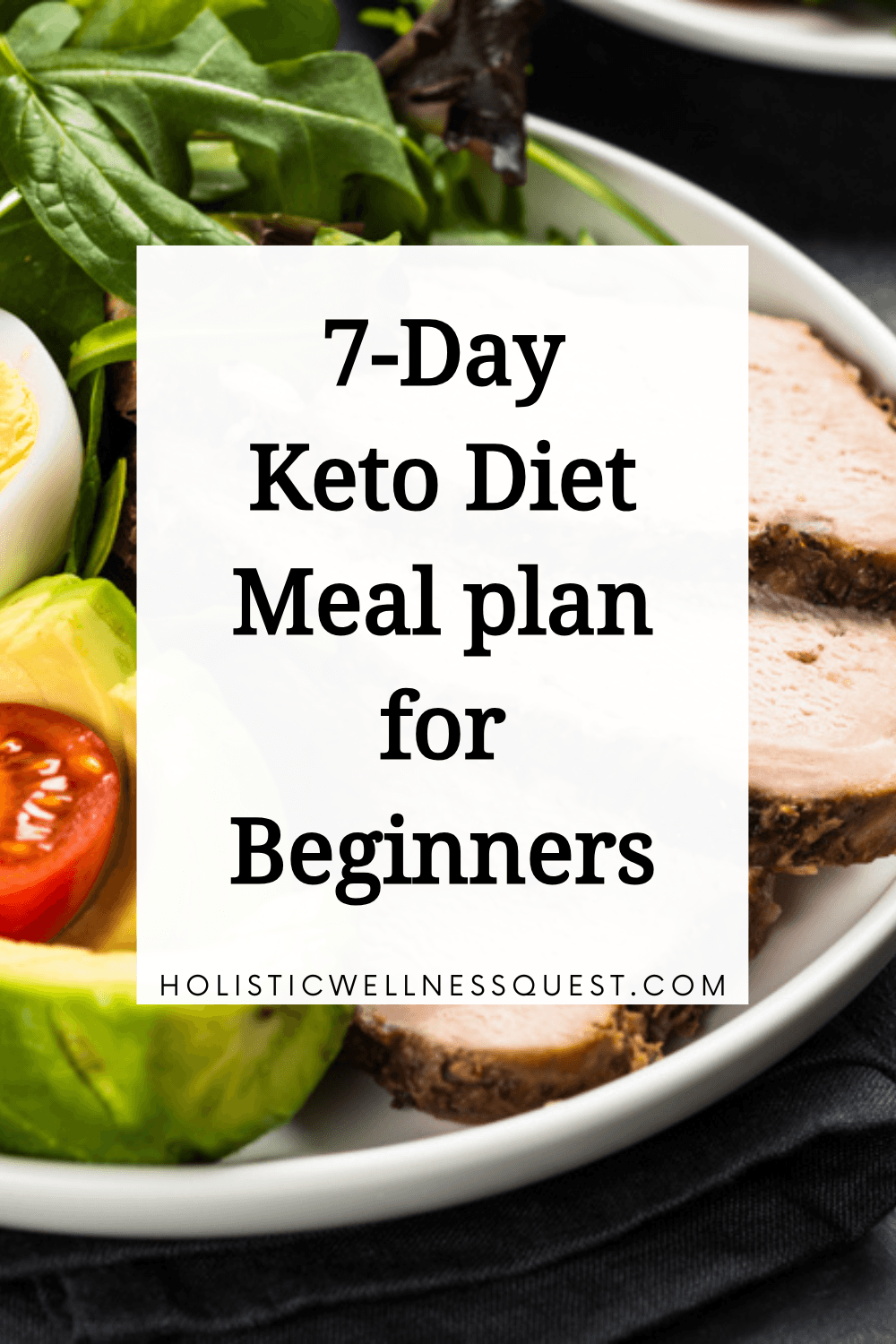
Here is a 7-day beginner-friendly keto diet meal plan.
Get Our 7-Day Keto Diet Meal Plan
Enter your email below to receive our free meal plan delivered to your inbox.
Want To Make Keto Meal Planning Effortless?
If you want to stay consistent with keto (without constantly wondering what to eat), I created a Weekly Meal Planner Spreadsheet to make things super simple.
Instead of planning meals from scratch every week, this meal planner helps you:
- Plan your breakfast, lunch, dinner, and snacks in minutes.
- Automatically generate your grocery list.
- Track macros and calories (optional)
- Organize your recipes so you never lose them ( up to 800 recipes)
- Reduce food waste and save money.
It’s perfect whether you’re following a keto diet, high-protein diet, or low-carb diet.
Get our Weekly Meal Planner Spreadsheet.
Weekly Meal Planner Spreadsheet with Automated Grocery List & Calorie Tracking
A simple all-in-one weekly meal planner spreadsheet to help you plan weekly meals, organize recipes, auto-generate grocery lists, and track calories and macros.
Types of Ketogenic Diets
While most of us are familiar with the basic ketogenic diet, in fact, most of the information on this particular guide is for the standard ketogenic diet (SKD), there are actually several different variations.
Basically, each variation adjusts the ratio of carbohydrates, protein, and fat depending on your goals, activity level, and lifestyle.
Standard Ketogenic Diet ( SKD)
The most common version.
As mentioned:
- 70-75% fat
- 20-25% protein
- 5-10% carbs
Basically, in this version, you keep your carb intake very low to maintain ketosis.
Targeted Ketogenic Diet (TKD)
The targeted Ketogenic diet allows for small amounts of carbohydrates around workouts.
This is a popular choice for people who engage in regular exercise or intense training and need additional energy during training.
High- Protein Ketogenic Diet
The high-protein keto diet is similar to the standard version but includes a larger proportion of protein.
Typical ratios might look like:
- 60% fat
- 35% protein
- 5% carbs
This is a good option for people concerned about maintaining muscle mass or feeling fuller with higher protein intake.
Cyclical Ketogenic Diet( CKD)
This involves alternating between low-carb keto days and higher-carb days.
A common approach is 5 days of keto, and 2 days of higher carbohydrate intake.
This version is popular with athletes or bodybuilders who want to replenish glycogen stores while still benefiting from ketosis.
How to Actually Start the Ketogenic Diet for Beginners (Step-by-Step)
- Reduce your carbohydrate intake
This is the basic first step. You have to lower your carbohydrate intake enough for your body to actually enter ketosis.
Aim for 20-50 grams of carbs per day.
- Remove high-carb foods from your kitchen
It’s easier to avoid temptation than resist it. Clear your pantry and fridge of high-carb foods.
Check out our keto diet food list and remove any foods that are not exactly keto-friendly.
- Stock up on keto-friendly foods
Once you’ve removed high-carb foods, fill your kitchen with keto staples.
Again, take a look at our keto food list and keep a few foods on hand for your meals.
- Plan your meals ahead of time
Meal planning is one of the easiest ways to stay consistent on keto. Essentially, when you prepare meals in advance, you reduce temptation.
Batch cook protein and prep vegetables ahead of time to make the keto diet that much easier to follow.
And if you want to make meal planning even easier, using a structured planner can save you more time and help you stay consistent.
I personally use this Weekly Meal Planner Spreadsheet that lets you plan meals, track macros, and automatically generate your grocery list, all in one place.
Weekly Meal Planner Spreadsheet with Automated Grocery List & Calorie Tracking
A simple all-in-one weekly meal planner spreadsheet to help you plan weekly meals, organize recipes, auto-generate grocery lists, and track calories and macros.
- Prepare for the keto flu
Some people experience some temporary symptoms when first starting the ketogenic diet. This is what we call the keto flu.
Common symptoms include: fatigue, headaches, brain fog, and irritability.
These symptoms usually last a few days while the body adjusts to burning fat for fuel.
To reduce symptoms:
- Drink plenty of water
- Increase electrolytes ( sodium, potassium, magnesium)
- Get enough sleep and rest.
RELATED: Ketogenic Diet for Beginners: Hacks, Tips, and Must-Know Tricks
Other Common Keto Diet Side Effects
Apart from the keto flu, other common side effects include:
Digestive issues– Indeed, some people experience digestive issues such as constipation or stomach upset when first starting keto. This is merely the body adjusting to a higher fat intake.
Try to eat more fiber-rich, low-carb veggies and drink plenty of water.
Nutrient Deficiencies– It’s possible to miss out on some nutrients because the ketogenic diet limits certain foods like fruits, grains, and legumes.
Try to include a variety of vegetables, nuts, seeds, and healthy fats for better nutrient intake.
Final Thoughts on the Ketogenic Diet for Beginners
The ketogenic diet can be an awesome option if you’re looking to lose weight and improve your overall health and wellness.
However, like any dietary approach, the keto diet works best when it focuses on whole, nutrient-dense foods and consistent habits.
Until the next one, loves.
Zine
Next Read: Ketogenic Diet for Beginners: Hacks, Tips and Must-Know Tricks