How To Start Eating Healthy for Beginners

There’s no denying it. Eating healthy is one of the most beneficial changes you can make in your life.
And if you’ve found yourself looking up tips and tools on how to start healthy eating for beginners, you’ve likely discovered this can get overwhelming pretty quickly.
All the conflicting information can get pretty bad. Which is super distressing because the food you eat and your relationship around it can have a pretty huge impact on your general health and wellness.
In this guide, my goal is to provide key principles of healthy eating, including some simple and actionable tips to help beginners start eating healthy.
You’ll realize you don’t need a complicated meal plan, or a million supplements, or even to spend hours on end in the kitchen.

What Does Healthy Eating Actually Mean?
A majority of us have no idea what it means to eat healthy. In fact, one of the biggest misconceptions is that healthy eating equals dieting. It doesn’t.
For some, healthy eating means eating low-calorie meals, or drinking diet or zero-calorie soda, or counting calories, or avoiding sugary snacks…you get where I am going with this. This is not healthy eating.
Healthy eating is about eating better in a way that supports your body and your life. Healthy eating focuses on nourishment, balance, and long-term consistency. It’s about eating a wide variety of foods that give you all the nutrients you need to thrive.
Generally, focusing on whole foods and limiting processed foods is a great idea if you’re trying to eat healthy. However, this doesn’t mean that you can never eat junk foods or sweet treats, far from it, they should be an exception rather than the norm. It’s all about balance.
After all, you don’t need to eat perfectly to eat healthily. What you eat most of the time matters more than what you eat occasionally.
Remember, eating healthy is the basis for living a full and happy life. Indeed, when you eat balanced foods consistently, you’ll notice more stable energy levels, fewer crashes and cravings, better digestion, and improved mood and focus.
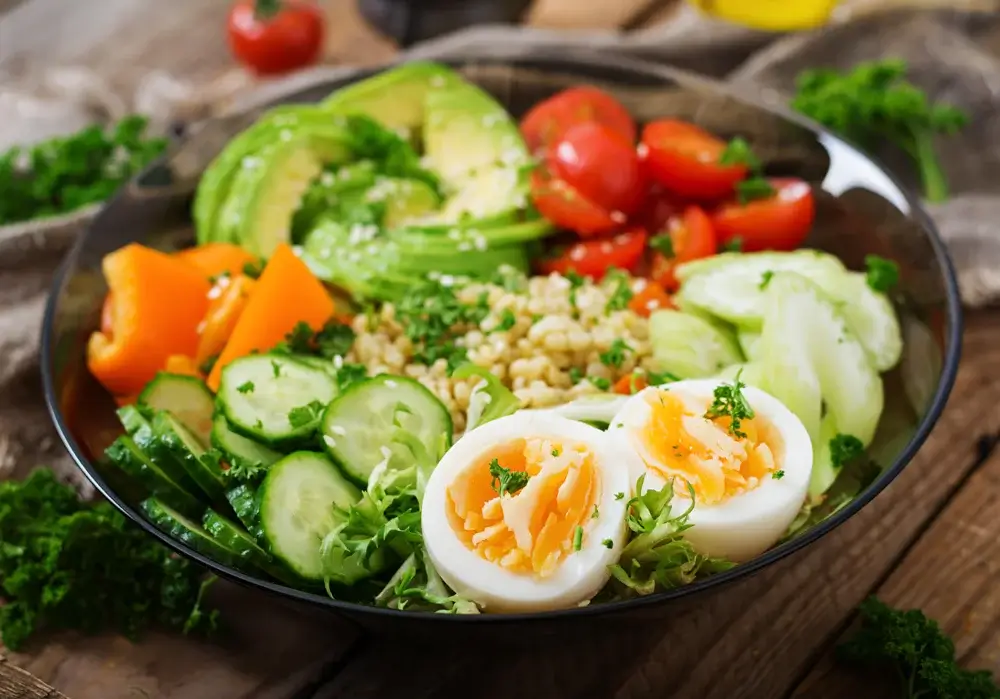
Common Beginner’s Mistakes That Make Healthy Eating Harder
When trying to eat healthy, many people unintentionally make healthy eating harder than it needs to be.
Here are some common mistakes you should avoid to save yourself a lot of frustration:
1. Trying to Change Everything At Once
Overhauling your entire diet overnight never ends well. It leads to burnout.
The truth is, the more rules you add, the harder it is to stick to them. It is far more effective to start with just one or two changes.
2. Eliminating Entire Food Groups
Cutting carbs, fats, or entire good groups is unnecessary. And it’s not healthy eating. Cutting entire food groups will often make eating feel restrictive and unsustainable.
3. Cutting Calories Too Low
Eating too little can actually slow progress, increase cravings, and ultimately drain your energy.
Healthy eating should make you feel better, not tired, irritable, or constantly hungry.
4. Relying on Motivation Instead of Habits
You can’t rely on motivation to eat healthy. Motivation comes and goes. Habits are what carry you through busy, stressful, or low-energy days. It’s simple, Systems beat motivation every single time.
5. Comparing Yourself to Your Favorite Influencer
Just stop. What works for someone online may not work for you. Stop trying to copy that influencer. Create a healthy eating plan that works for you and your life.
After all, healthy eating looks different for everyone depending on lifestyle, budget, culture, and preferences.
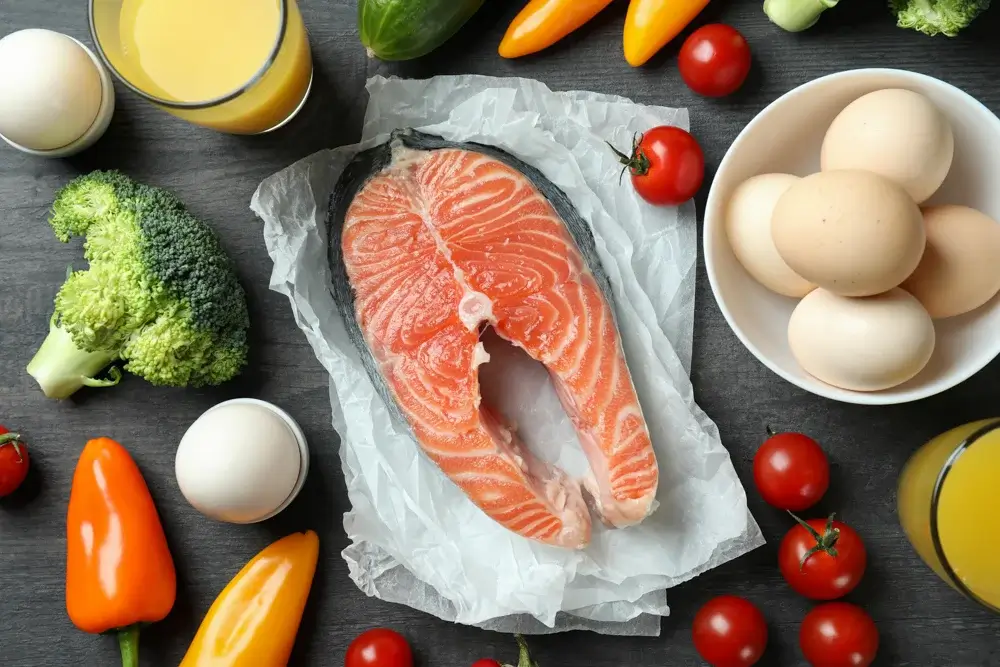
A Simple Balanced Plate
One of the easiest ways to simplify healthy eating for beginners is to stop thinking in terms of “rules” and start thinking in terms of balance.
A balanced plate doesn’t have to be measured, tracked, or perfectly portioned. It just needs a mix of foods that help you feel energized and satisfied.
Protein
Protein helps keep you full, supports muscle, and stabilizes blood sugar. When meals are low in protein, hunger and cravings tend to show up pretty quickly.
Some easy sources of protein include:
- Eggs
- Chicken, turkey, fish
- Greek yogurt
- Beans and lentils
- Tofu or tempeh
And you don’t need protein shakes or supplements; whole foods work just fine.
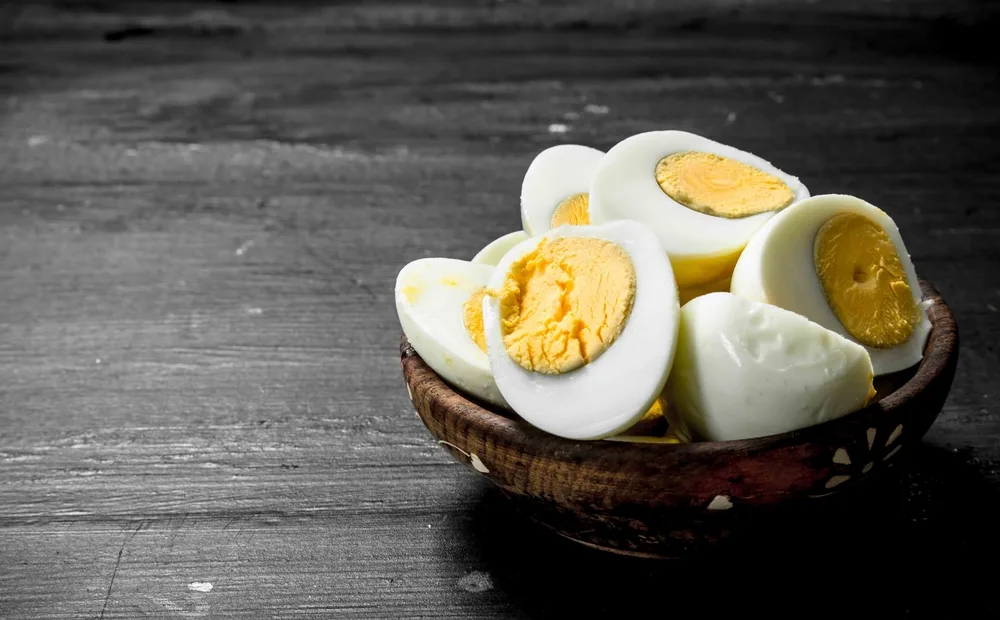
Carbohydrates
Carbs are your body’s main energy source. Cutting them too low often leads to fatigue, irritability, and cravings.
With carbs, you just have to choose complex carbs instead of simple ones.
- Some great options include:
- Brown rice, oats, potatoes
- Whole-grain bread or pasta
- Fruit
- Beans and legumes
Related: What are the Best Complex Carbohydrates and Their Benefits
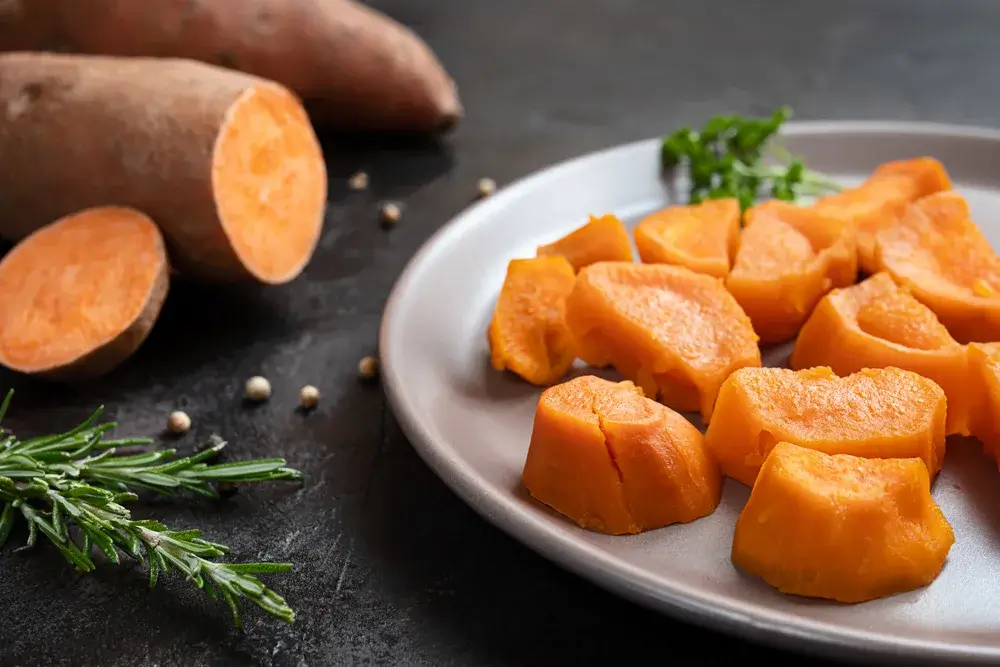
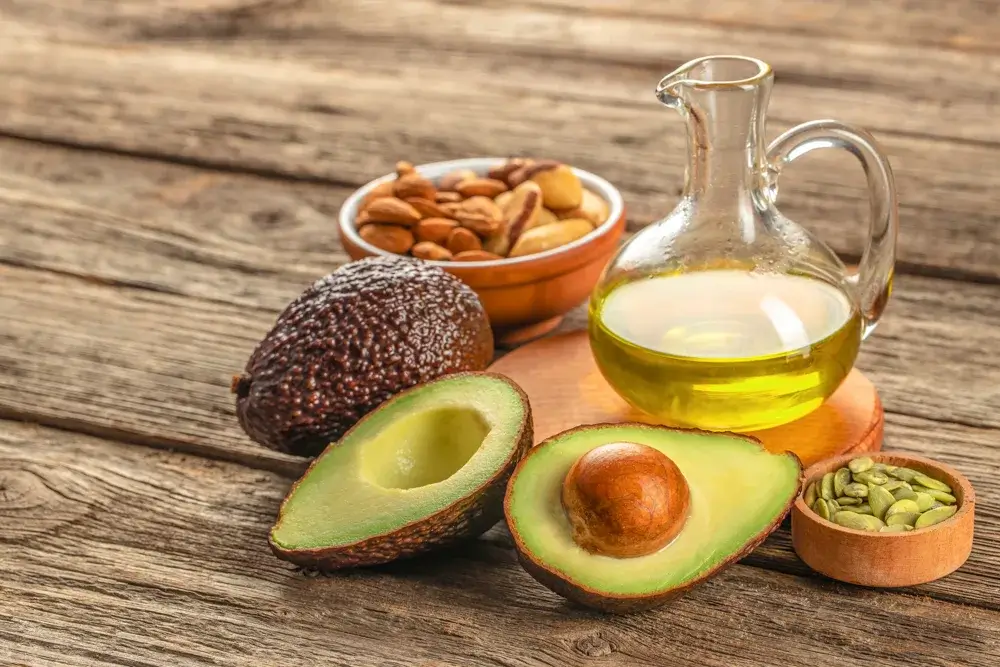
Healthy Fats
Fats slow digestion, help you feel satisfied, and play a very important role in hormone health.
Awesome healthy fats include:
- Olive oil
- Avocado
- Nuts and seeds
- Nut butters
Related: The Best Healthy Fats Foods for Your Diet
Fiber & Vegetables
Fiber supports digestion, gut health, and stable energy levels.
Vegetables add volume to meals, helping you feel full without feeling heavy.
And you don’t need to only focus on salads; roasted, frozen, or sauteed vegetables also count.
Remember, around 50% of your calories should come from carbs, 30% from protein, and 20% from fat.

Healthy Eating Tips For Beginners
1. Eat a Bigger Variety of Foods
It’s so easy to get stuck in a food rut. Variety is how you get over this. And eating different foods helps you get a wider range of nutrients.
Try different proteins, veggies, grains, and even cooking styles.
2. Eat More Fiber
Fiber is a type of carbohydrate that your body can’t digest. And as mentioned, fiber keeps you full for longer, keeps your digestion running smoothly, and supports heart health.
Fiber is common in different plant-based foods like fruits, veggies, whole grains, legumes, and nuts. So include more of these foods in your diet.
Related: Best High-Fiber Foods (Soluble & Insoluble) + 7-Day Fiber-Rich Meal Plan

3. Micronutrients
In your typical plate section, we mentioned the macros, but micronutrients are also very important.
Micronutrients( vitamins and minerals) are essential for energy, immunity, and overall health.
Vitamins (A, B, C, D, E, K) are crucial for energy production, organ function, immunity, healthy skin and hair, and so much more.
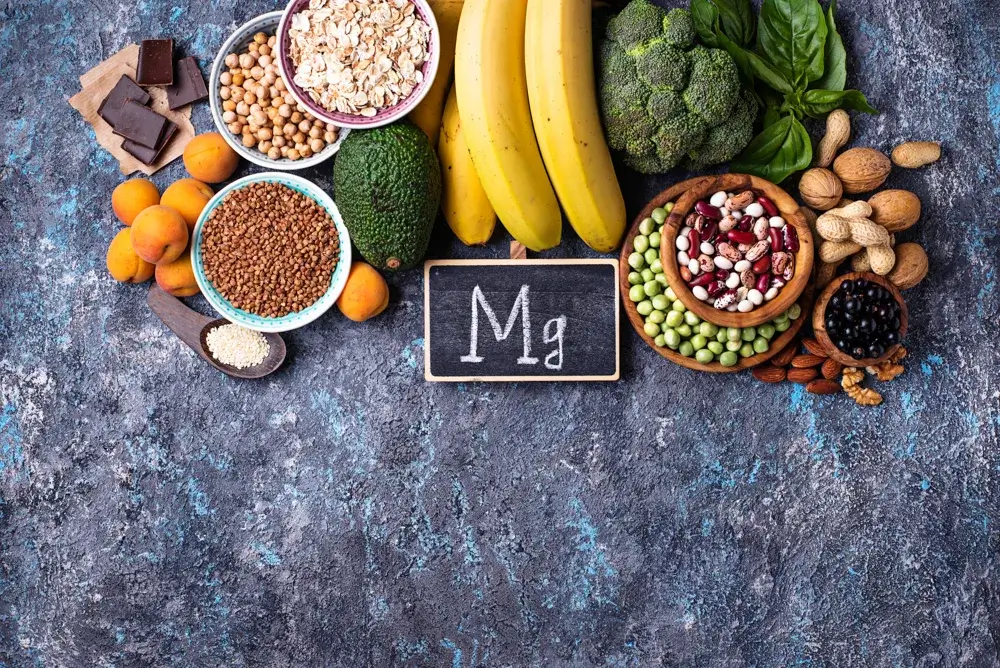
Minerals such as calcium, magnesium, sodium, potassium, and phosphorus are necessary for our growth, bone health, metabolism, fluid balance, and so much more.
Trace minerals such as iron, zinc, iodine, fluoride, manganese, copper, and selenium are needed in smaller amounts but are still very important.
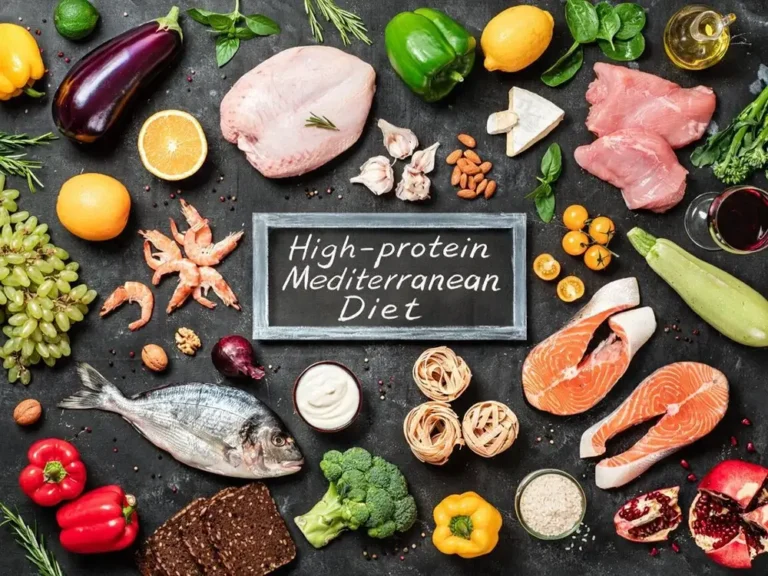
You should eat a variety of fruits, vegetables, whole grains, healthy protein, and healthy fats to get all of these micronutrients.
Related: Are You Low on Potassium? Here’s How to Tell- And Fix it Naturally With Potassium-rich Foods
Related: Top Foods High in Magnesium You Should Be Eating Daily
4. Reduce Processed Foods
Processed foods often contain added sugars, unhealthy fats, preservatives, and excess sodium. All these things contribute to unnecessary and unhelpful disease and inflammation in the body.
You don’t have to avoid processed foods completely, but you should try to cook more at home and stick to whole, minimally processed ingredients.

5. Start Tracking Your Food
Don’t get me wrong, I am not here proposing that you obsessively start tracking your calories and macros. No, not at all.
But simple tracking is how you spot habits and learn more about what you’re actually eating. It’s more of an accountability thing.
Use the Mifflin-St Jeo Equation to establish your daily calorie needs. Then you should endeavor to get a general knowledge about the calories you consume and the number of calories in each food.
Remember, the amount of calories you consume plays a role in weight gain/ weight loss. So, this is particularly important if you want to gain or lose weight.
Related: Simple Tips to Stay in a Calorie Deficit Without Starving + 7-Day Calorie Deficit Meal Plan
I use this Google Sheets meal planner to track my calories and macros. It is an awesome tool that will make meal planning and calorie tracking a breeze.
Weekly Meal Planner Spreadsheet (Google Sheets) with Automated Grocery List & Calorie Tracking
Make meal planning and calorie and macros tracking a breeze.

6. Choose Healthier Cooking Methods
Yes, how you prepare your food actually matters. Try grilling, baking, steaming, or sauteing instead of frying.
This will cut down on unnecessary fats in addition to keeping more nutrients in your food.
You should also switch to healthier fats for cooking, like olive, coconut, or avocado oil.


7. Stay Hydrated
This seems like a very small thing, but it is a core principle for healthy eating.
Water plays a huge role in digestion, energy, and appetite control( yes, sometimes the body confuses thirst for hunger).
Aim for at least 8 glasses of water per day, more if you’re more active.
Carry a water bottle with you and sip throughout the day.
And remember, hydration goes beyond merely drinking water. It involves getting your electrolytes, too.

8. Portion Sizes
Healthy eating doesn’t put a lot of effort into controlling portion sizes. However, studies show that a lot of Americans eat much bigger portions than needed.
If you eat huge portions, you don’t need to reduce that drastically overnight. However, it might be a good idea to start familiarizing yourself with calories in different foods and how much of them you should be eating by looking at the serving size of each food.
You can also replace your high-calorie processed foods with whole, healthier options.
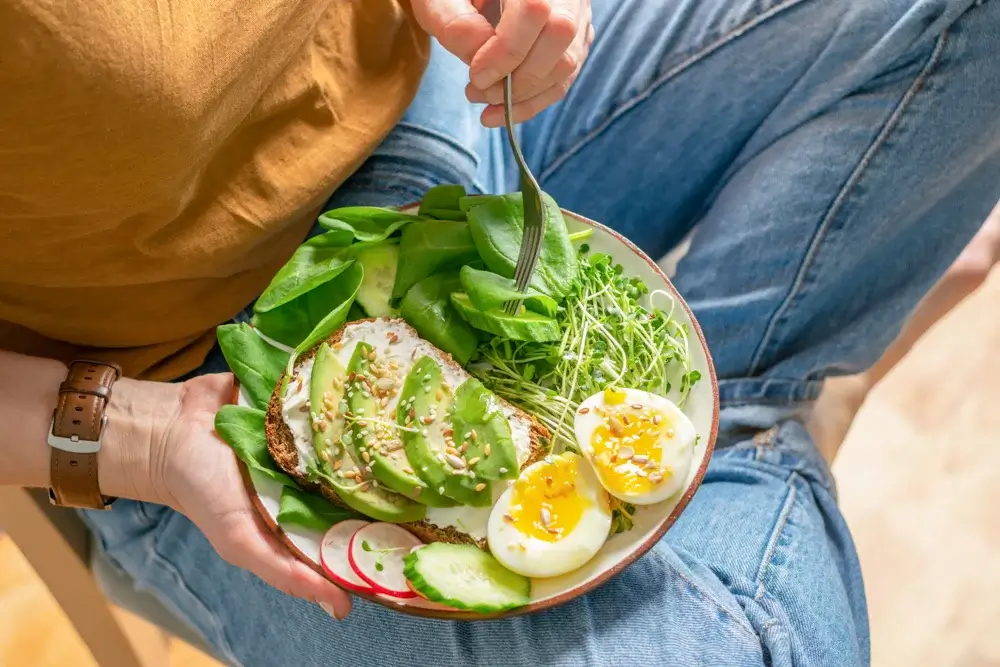
Use the plate method to control your portions. Specifically, in a 9-inch plate, fill half with vegetables and fruit, one-fourth with healthy protein, and one-fourth with healthy carbs.
9. Try Meal Prepping and Planning
Meal prepping and planning can make healthy eating so much easier, especially on busy days.
Set aside some time once a week to plan out your meals for the week, do your grocery shopping, prep ingredients, cook a few meals, and portion out snacks.
Meal planning is how you stay on track, save money, and avoid last-minute fast food takeouts. Meal planning is actually linked to a healthier diet, so if you’re still on the fence, this is your sign to get started.
I personally use this weekly meal planner spreadsheet with an automated grocery list to plan my weekly meals.
Weekly Meal Planner Spreadsheet with Automated Grocery List
This weekly meal planner spreadsheet is exactly what you need for efficient meal planning week after week.
10. Try Mindful/ Intuitive Eating
Mindful and intuitive eating isn’t for everyone. However, once you’ve mastered the basics of nutrition, know how to make a balanced meal, and have developed an awareness of what an appropriate portion looks like, the next step is definitely intuitive eating.
I am a strong advocate for intuitive eating. Intuitive eating is a way of eating that promotes a healthier relationship with food by focusing on your body’s internal hunger and fullness cues rather than relying on outside rules and restrictions.
Mindful eating is a part of intuitive eating and is all about being aware of what you eat and eating consciously in a healthy way to rediscover taste, flavor, and pleasure.

What a Day of Healthy Eating for Beginners Can Look Like
Healthy eating doesn’t have to be complicated. Here’s what a simple day might look like:
Breakfast Ideas
- Eggs with toast and avocado
- Greek yogurt with berries and nuts
- Smoothie with protein, fruit, and milk or yogurt

Lunch Ideas
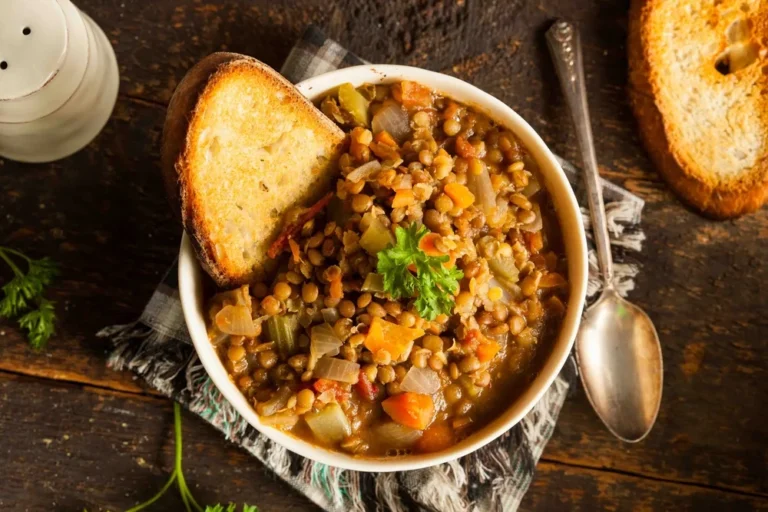
- Lentil soup with a side of sourdough bread
- Brown rice bowl with black beans, corn, and avocado
- Chicken salad with avocado
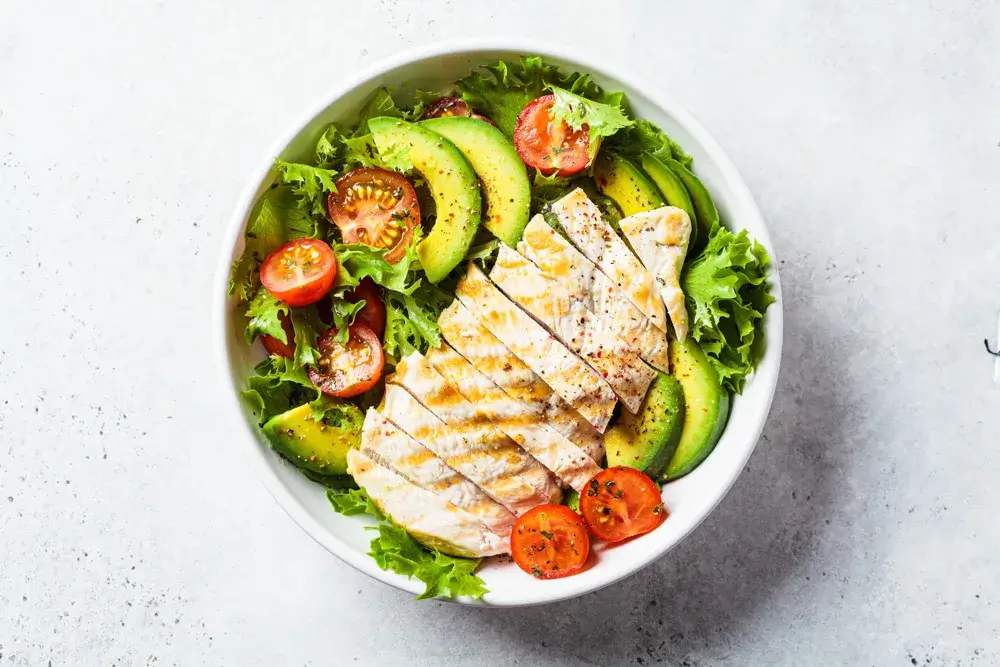
Dinner Ideas
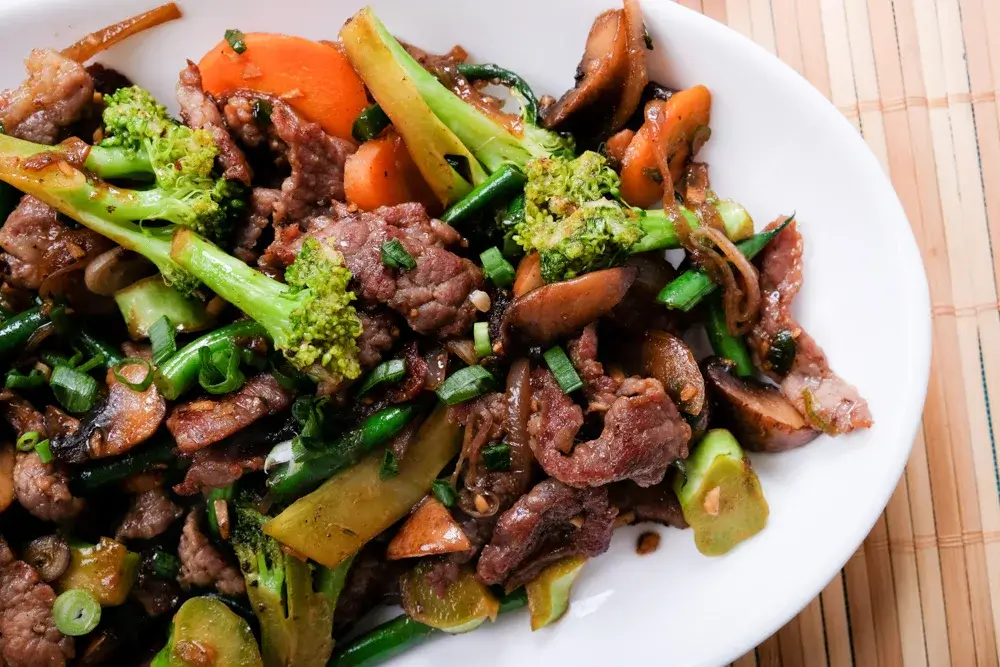
- Stir-fry beef with veggies
- Stuffed bell peppers with quinoa, ground beef, herbs, and feta
- Grilled salmon with roasted zucchini and bell peppers with rice.
Healthy Eating Grocery List
One of the biggest reasons healthy eating feels hard is simply not knowing what to buy.
A simple grocery list removes decision fatigue and makes it so much easier to stick to healthier choices throughout the week.
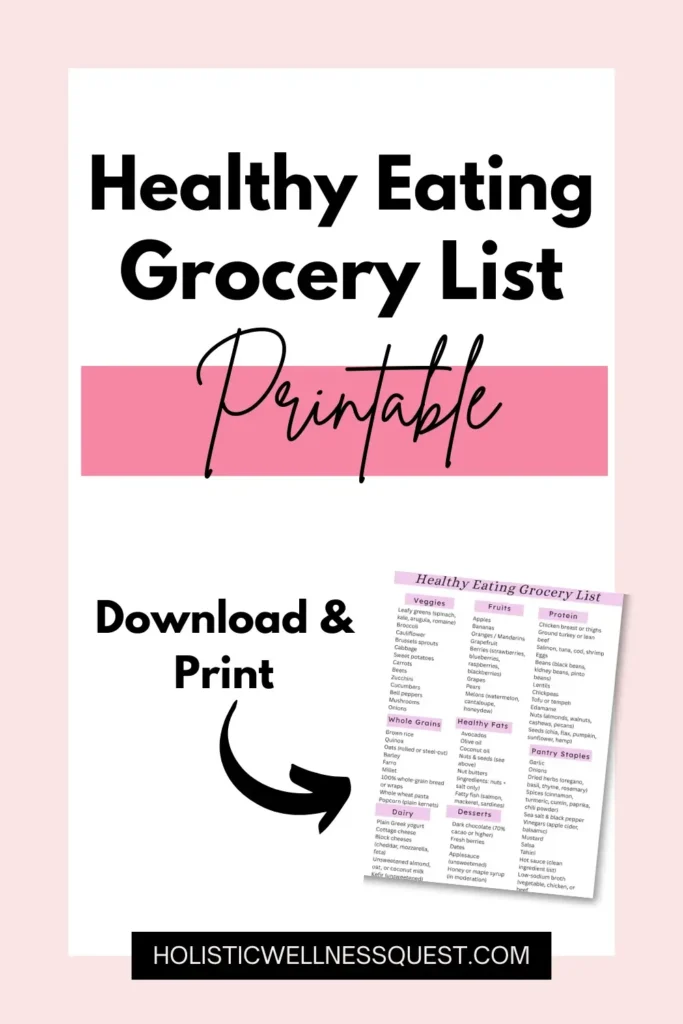
Here’s a free beginner grocery list you can print or save to make shopping easier.
Get the Free Healthy Eating Grocery List
Enter your email below to receive the grocery list printable delivered to your inbox.
Final Thoughts on Healthy Eating for Beginners
Healthy eating doesn’t require perfection, strict rules, or a complete lifestyle overhaul.
It is all about small, realistic choices that are made consistently over time. Healthy eating is all about eating a variety of whole, nutritious foods and having delicious but balanced meals.
Remember, eating healthy is how you nourish your body properly for optimal health.
Until the next one, my loves.
Zine
Weekly Meal Planner Spreadsheet with Automated Grocery List & Calorie Tracking
Plan your meals, generate automated grocery lists, track what is in your pantry, fridge, and freezer, track your calories and macros and so much more