Paleo Diet for Beginners: Benefits, Food List, + 7-Day Meal Plan

Imagine eating foods so simple and natural that you don’t need a nutritional label to actually understand them.
No calorie counting. No macro math. And no protein bars claiming to be chocolate. Just real food.
That’s the paleo diet.
The paleo diet is inspired by the way humans ate during the Paleolithic era, long before modern farming, roughly between 2.5 million and 10,000 years ago. It’s often also called the Stone Age diet, the Caveman diet, the Paleolithic diet, or the hunter-gatherer diet.
If you’re actively online looking into “clean eating” and diets, chances are you’ve come across the Paleo diet.
At first glance, the paleo diet sounds…reasonable. Almost too reasonable for a diet trend. Indeed, unlike other extreme and restrictive diets, the Paleo diet doesn’t try to reinvent food. It simply asks one simple question.. “would this have existed before modern food processing?”
Basically, the paleo diet is about eating whole, unprocessed foods that humans ate long ago.
In this guide, we will cover everything you need to know about the paleo diet, from the paleo diet food list to a simple beginner-friendly meal plan.
And remember, staying consistent with any diet, especially the paleo diet, comes down to planning. It is important to plan your meals in advance to avoid falling back on convenience foods.
Here is the meal planner spreadsheet that I personally use.

Weekly Meal Planner Spreadsheet with Automated Grocery List & Calorie Tracking
A simple all-in-one weekly meal planner spreadsheet to help you plan weekly meals, organize recipes, auto-generate grocery lists, and track calories and macros.

So, What Exactly is the Paleo Diet
As I mentioned, the paleo diet, or the caveman diet, or the stone age diet, is an eating plan based on foods humans ate during the Paleolithic Era.
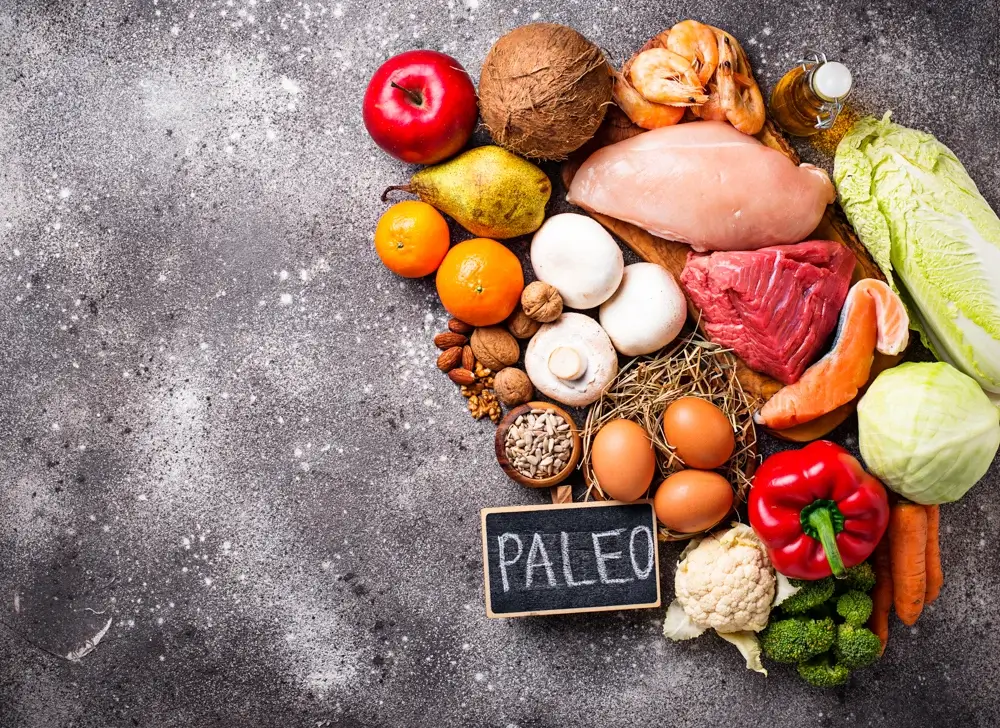
The modern paleo diet includes fruits, vegetables, meat, fish, eggs, nuts, and healthy fats. All these are foods that, in the past, people could get by hunting and gathering.
The paleo diet skips foods that became more common with modern agriculture and small-scale farming that began around 10,000 years ago.
And it definitely skips foods that involve modern food processing.
Unlike many diets, paleo doesn’t require tracking your calories, carbs, or macros. The idea is that when you eat real food, your body naturally regulates itself.
Sounds refreshing, right?
In a lot of ways, paleo sits comfortably between extreme restrictions and total freedom. And that is one of the reasons it’s increasingly becoming a popular choice.

The Philosophy Behind Paleo
The paleo diet is inspired by the way our hunter-gatherer ancestors ate, a time before refined sugar, vegetable oils, and ultra-processed foods.
The paleo’s philosophy is simple;
Our bodies evolved to thrive on whole foods, not factory-processed ones.
The paleo diet idea is that modern farming and food processing developed quickly and basically outpaced the human body’s ability to adapt to these changes.
By following a diet of whole foods and living a relatively active life, our hunter-gatherer ancestors presumably had a much lower rate of lifestyle diseases such as obesity and diabetes.
And that’s the whole idea of the Paleo diet. To avoid a mismatch between the fast evolution of farming and food processing and the body’s ability to adapt.
No, it doesn’t mean you have to go out and hunt your own dinner; it just means choosing foods that are actual “real food.”
If you’re new to the paleo diet and want something more comprehensive to really get into it, this Practical Paleo guidebook is an awesome resource to have on hand.


The Benefits of the Paleo Diet
People go for the Paleo diet for a lot of different reasons, but here are some of the common benefits:
1. Weight Loss
Many people lose weight on the Paleo diet without actively trying to. This is because on the Paleo diet, you naturally reduce ultra-processed, calorie-dense foods, you eat a lot of protein and fiber that keeps you full for longer, and there are fewer blood sugar spikes.
Weight loss on the Paleo diet isn’t necessarily about eating less; it is about eating better. But surprisingly, you do eat less without trying to. After all, when you follow the paleo diet, you’re reducing the foods you’re eating.
2. Steady Energy Levels
Without all those constant sugar crashes, many people notice more stable energy throughout the day on the Paleo diet.
It’s no question why. When meals are built around protein, healthy fats, and fiber-rich vegetables, your body gets a steady supply of energy. No rollercoaster.
3. Improved Digestion
Since the Paleo diet removes common irritants like grains and processed foods, some people experience less bloating, reduced gas, and better gut comfort.
That said, digestion is a little bit more personal than this generalization.
4. May Help Reduce Inflammation
Paleo naturally removes many pro-inflammatory foods such as ultra-processed foods, refined sugar, industrial seed oils, and highly refined grains.
And it also emphasizes anti-inflammatory foods like omega-3-rich fish, healthy fats, and fruits and vegetables.
Potential Downsides
It’s rare that a diet doesn’t come with any downside, and the paleo diet is no exception.
1. It Excludes Certain Food Groups
Cutting out ultra-processed foods and added sugar is definitely a win. But paleo also removes entire food groups, including grains, legumes, and dairy.
Since these foods provide important nutrients, the paleo diet can feel a little bit restrictive.
Grains and legumes are major sources of fiber, so when completely removed, you need to be more intentional about your fiber intake and prioritize high fiber fruits and vegetables.
Similarly, dairy is a major source of calcium, and you might want to prioritize calcium-rich vegetables like broccoli and spinach.

2, The Long-term Effects Aren’t Fully Clear
While the paleo diet has plenty of short-term perks, there isn’t a lot of research on the long-term effects.
So, it might not be the best idea to treat paleo as an all-or-nothing rulebook.
You’d be better off using paleo as a template.
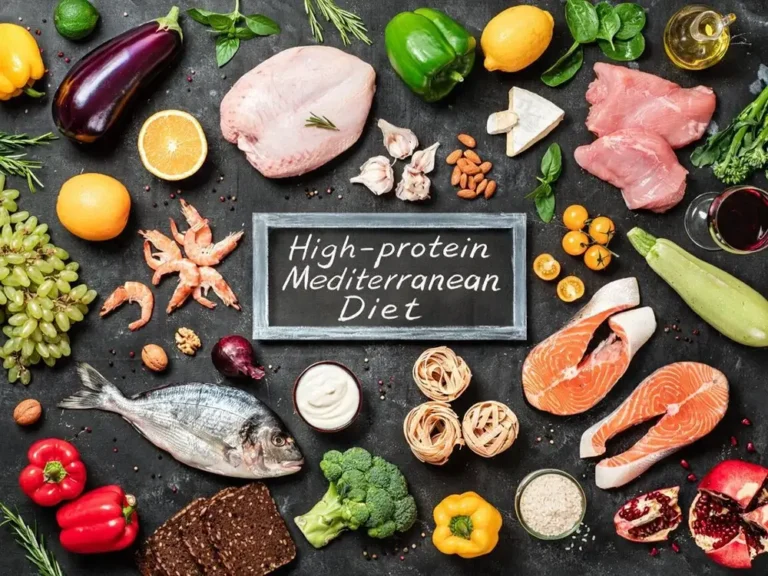
You might want to transition to a less restrictive approach like the Mediterranean diet after a while. The Mediterranean diet shares a lot of characteristics with paleo, but allows for more flexibility and has a ton of research to back it up.
Paleo Diet Food List
You can eat quite a large variety of whole, unprocessed foods on the paleo diet. This includes:
Protein
This is the cornerstone of Paleo meals.
- Beef (grass-fed when possible)
- Chicken
- Turkey
- Pork
- Lamb
- Wild-caught fish ( Salmon, tuna, trout, haddock, sardines)
- Shellfish (shrimp, crab, lobster)
- Eggs (pastured-raised, free-range)
Aim for variety, different proteins=different nutrients.

Vegetables
Vegetables will add fiber, vitamins, and volume to your meals.
- Leafy greens (spinach, kale)
- Broccoli and cauliflower
- Brussel sprouts
- Asparagus
- Zucchini
- Bell peppers
- Carrots
- Beets
- Arugula
- Sweet potatoes
- Mushrooms

Fruits
- Berries
- Apples
- Bananas
- Oranges
- Mangoes
- Pears
- Grapes
- Melons: watermelon, cantaloupe, honeydew

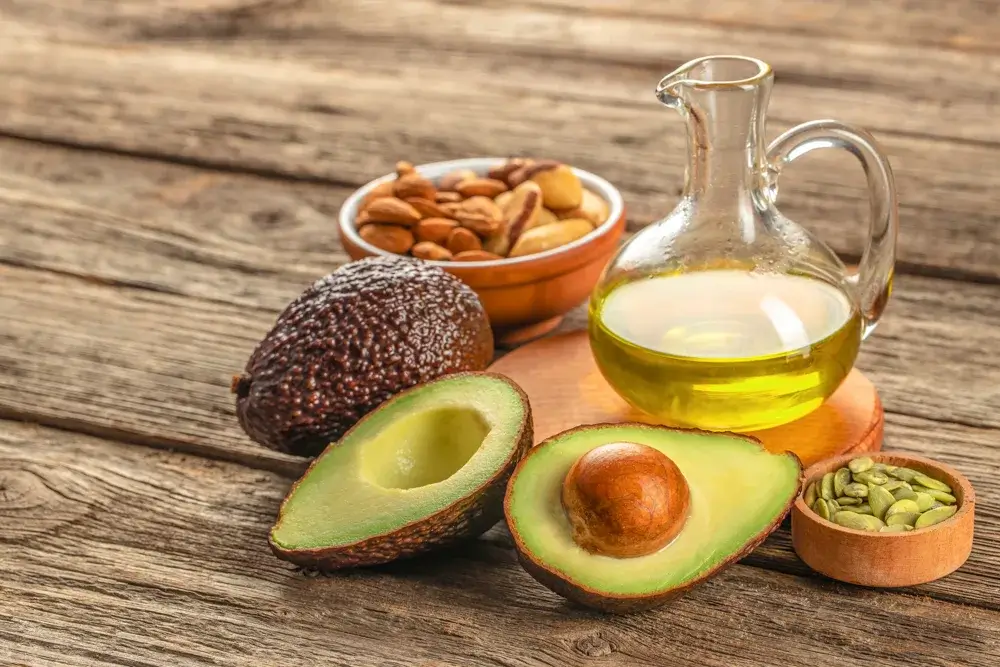
Healthy Fats
- Extra virgin olive oil
- Avocado oil- Investing in a good quality oil like this Betterbody Foods avocado oil is so worth it because you use it daily. And this oil is good for high-heat cooking and frying.

- Coconut oil
- Avocadoes
- Nuts and seeds- almonds, walnuts, hazelnuts, sunflower seeds, pumpkin seeds, chia seeds, macadamia nuts,..
Salt and Spices
- Sea salt
- Garlic
- Turmeric
- Rosemary
Stick to single-ingredient spices and avoid spice blends with added sugar, fillers, or preservatives.
What to Drink on Paleo
- Water- the go-to beverage
Tea and coffee aren’t accepted in a strict paleo diet, but are typically acceptable beverages in modified paleo diet versions.
- Tea- especially green tea, which is high in antioxidants.

- Coffee

Foods to Avoid on Paleo
- Grains ( Wheat, rice, oats, spelt, rye, barley, cereal, pasta, bread)
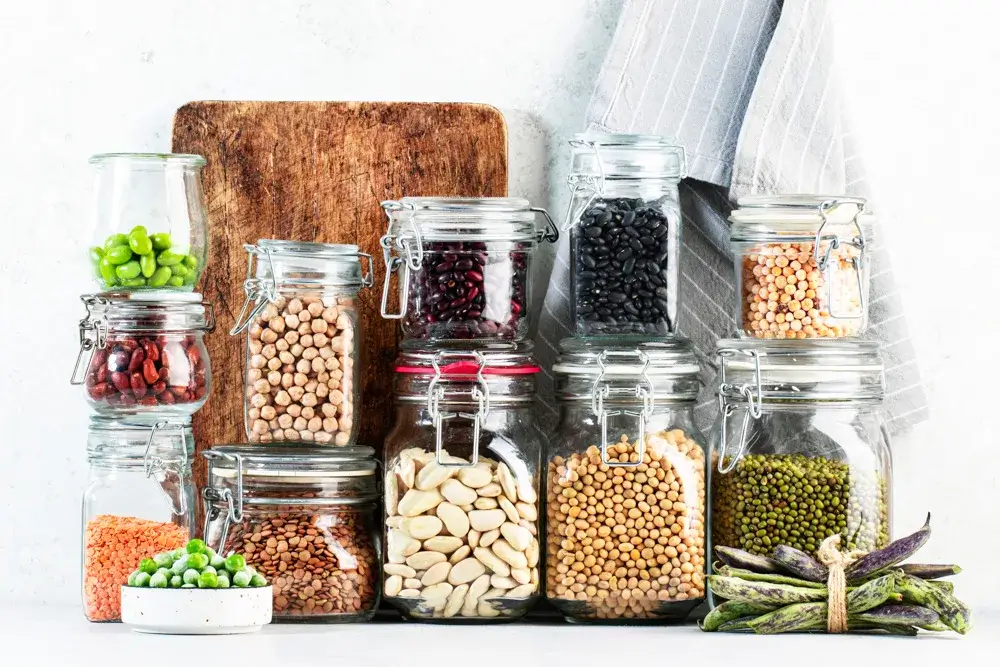
- Legumes ( beans, lentils, chickpeas, peanuts)
- Dairy- especially low-fat dairy, some versions of Paleo include full-fat dairy like butter and cheese.
- Refined sugar- soft drinks, candy, pastries, ice cream, table sugar
- Processed foods- packaged snacks, junk food, foods with additives and preservatives.
- Industrial seed oils- sunflower oil, cottonseed oil, corn oil, grapeseed oil
Modified Paleo Diets
Remember, the above list is more of a template than a rigid guideline.
Indeed, there are several different versions of the Paleo diet, and some allow more modern foods such as grass-fed butter or gluten-free grains like rice.
Only the strict paleo diet rigidly sticks to what our hunter-gatherer ancestors presumably ate.

Simple 7-Day Paleo Meal Plan
Get Your Paleo Diet 7-Day Meal Plan
Enter your email below to receive your paleo diet 7-day meal plan delivered to your inbox.
This free meal plan is a great place to start your paleo diet journey as a beginner.
If you want to keep planning your paleo meals week after week without rewriting everything, this is where a meal planner really helps.
I use this Google Sheets meal planner, which lets you plan meals for the week, automatically generate a grocery list, and track calories and macros, if you want, all in one place.
It will work perfectly alongside a paleo way of eating and help you stay consistent without overthinking it.
Weekly Meal Planner
Weekly Meal Planner Spreadsheet
Plan your weekly meals and automatically generate a grocery list. Stay consistent without overthing it.
Final Thoughts
The Paleo diet is modelled after what our hunter-gatherer ancestors ate. So, at its core, the Paleo diet is about returning to the basics. The primary idea is to avoid processed foods and focus on whole foods.
It is a great option if you’re looking for a way of eating that feels natural, flexible, and sustainable.
And if you want to make starting even easier, grab the free 7-day paleo meal plan to take the guesswork out of your first week.
If you’re someone who prefers a clear structure when starting a new diet, then this paleo diet guidebook can help you find your rhythm, recipes, meal plans, and everything you need to know.
If you want to keep up with your paleo eating without constantly planning from scratch, my Google Sheets meal planner makes weekly meal planning simple and flexible.
Weekly Meal Planner Spreadsheet with Automated Grocery List & Calorie Tracking
A simple all-in-one weekly meal planner spreadsheet to help you plan weekly meals, organize recipes, auto-generate grocery lists, and track calories and macros.