The No-Carb Diet Food List and Meal Plan for Beginners

The no-carb or zero-carb diet is exactly what it sounds like: a way of eating that removes almost all carbohydrates from the diet.
That means, no grains, no sugar, no fruit, and no starchy vegetables. Meals in a no-carb or zero-carb diet are built almost entirely on protein and fats, with carbs kept as close to zero as possible.
It’s like taking the ketogenic diet and cranking it up a notch. Instead of just low-carb, you’re essentially eating only foods with almost no digestible carbs at all.
Some people try it for weight loss. Others for blood sugar control. And some simply want to see how their bodies respond when carbs are completely off the table.
Before you decide if it’s something you’d ever try, it helps to understand what a no-carb diet actually looks like in real life.
In this guide, we’ll break down what a no-carb diet is, the benefits, the downsides, what you can actually eat, and provide a sample 7-day meal plan you can try if you’re curious.
Remember, staying consistent on any diet is all about your ability to plan and stick to that plan. When meals are planned and organized in one place, it removes a lot of daily decision-making. I use this weekly meal planner spreadsheet to stay consistent week after week.
Get the Weekly Meal Planner Spreadsheet.

Weekly Meal Planner Spreadsheet
Plan your weekly meals, generate an automatic grocery list, and track calories and macros, if you want.
So, What Exactly is a No-Carb Diet?
As I mentioned, a no-carb or zero-carb diet eliminates virtually all carbohydrates, that is, anything that turns into glucose in your body.
On a no-carb diet, you avoid or eliminate
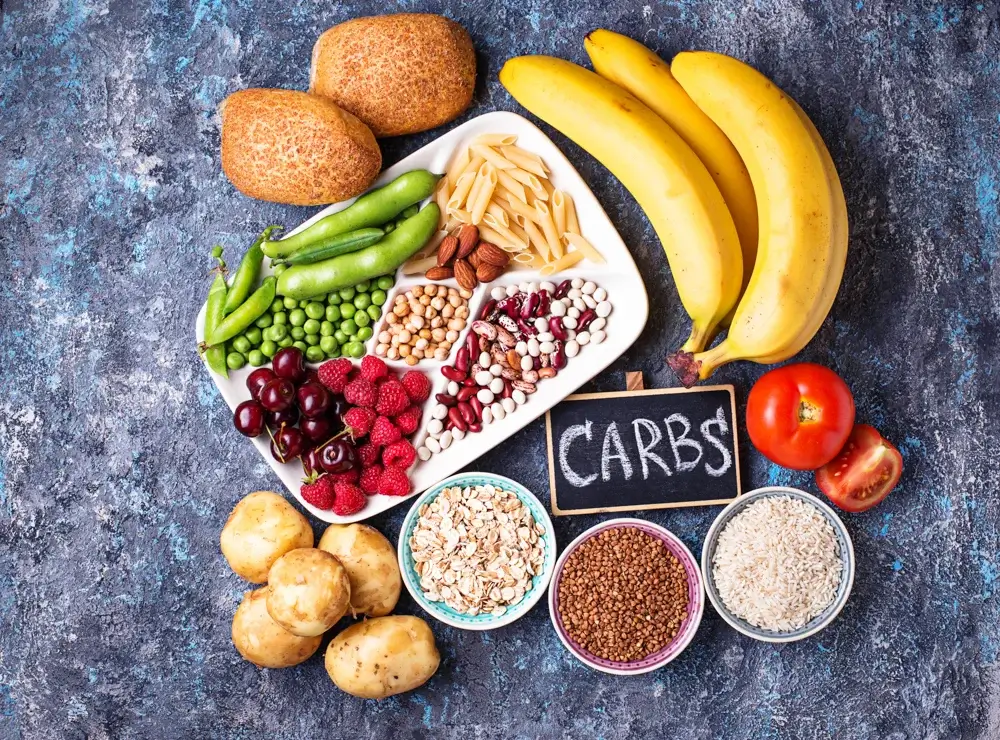
- Grains (rice, wheat, oats, pasta, bread)
- Scratches ( potatoes, corn, beans, legumes)
- Fruits
- Sugars and sweet
- Milk and yogurt
- Most vegetables with carbs
- Sugary drinks or juices
Foods you can eat include:
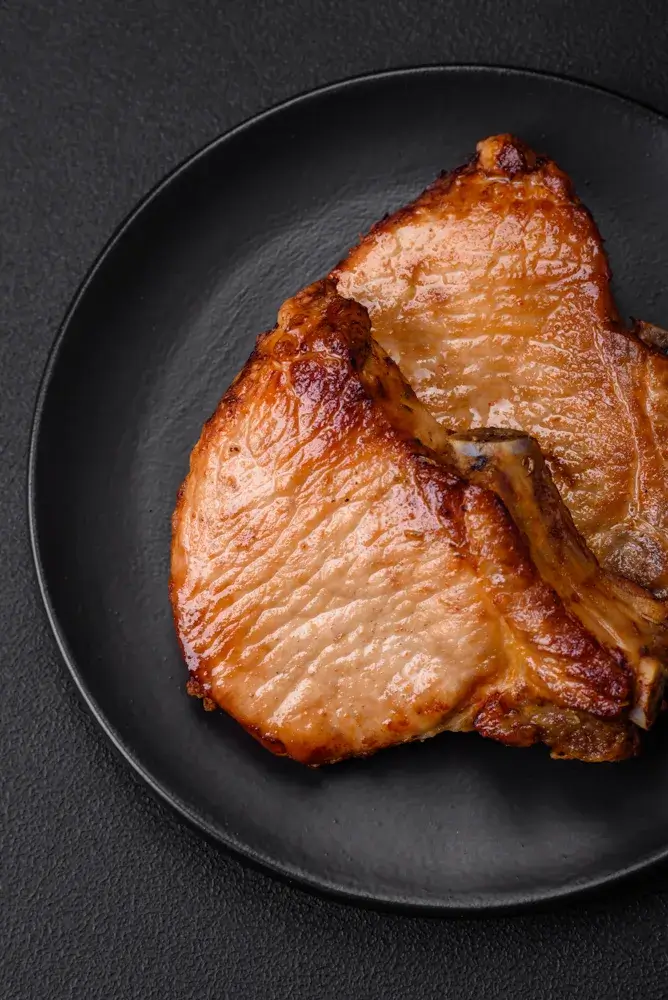
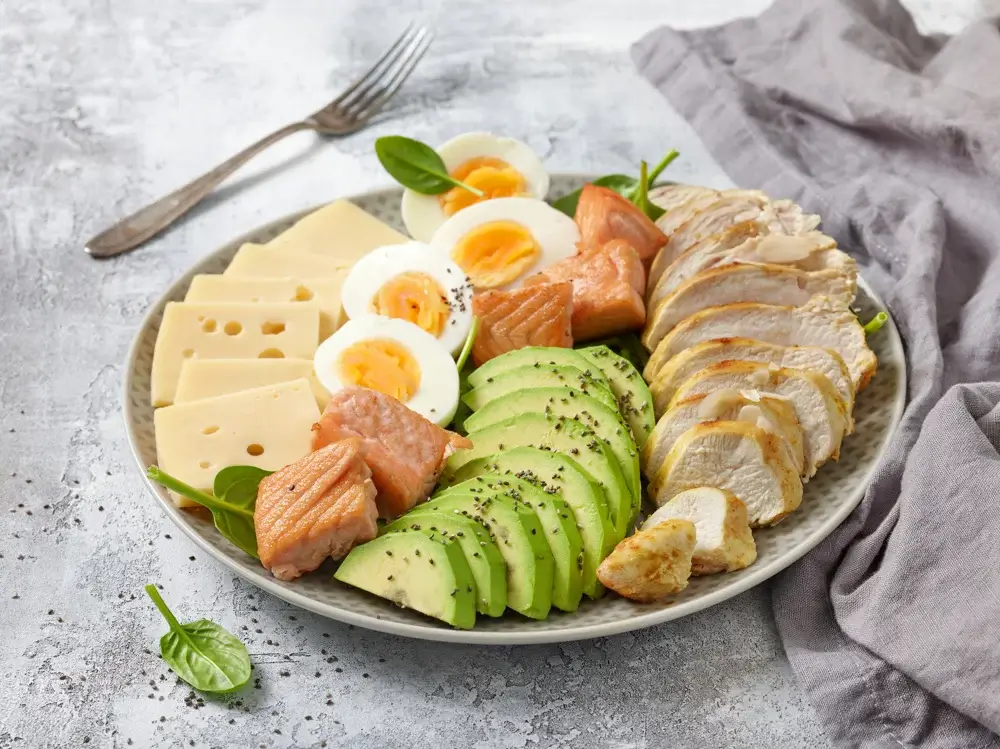
- Meat and poultry
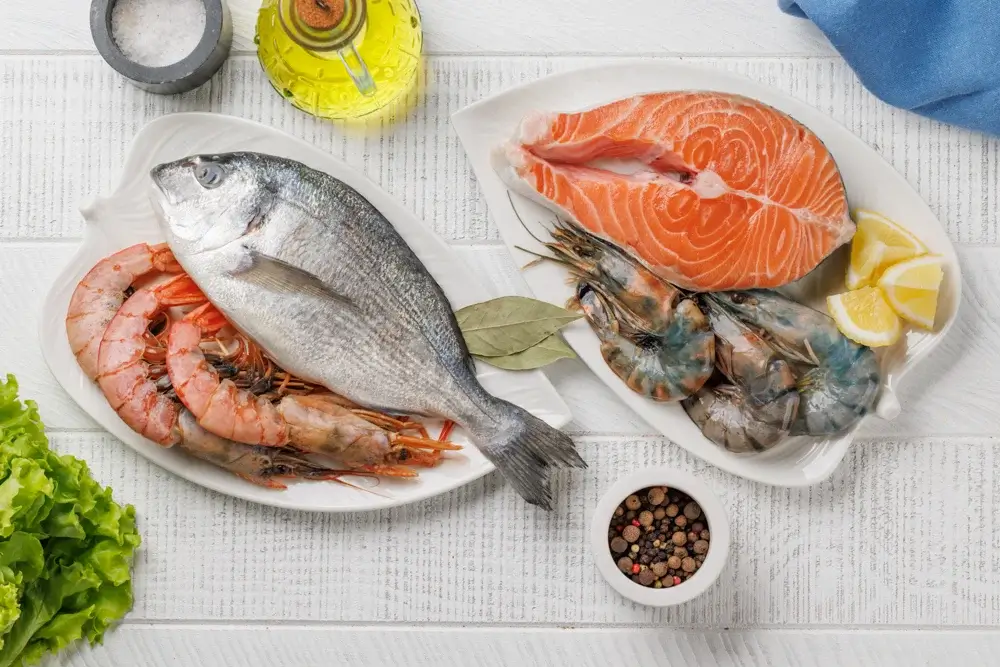
- Fish and seafood
- Eggs
- Cheese and butter
- Oils and fats
- Zero-carb beverages like water, black coffee, plain tea
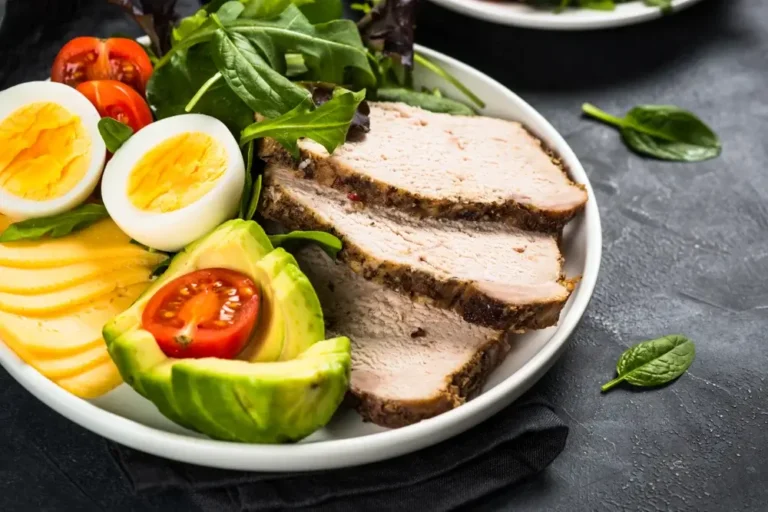
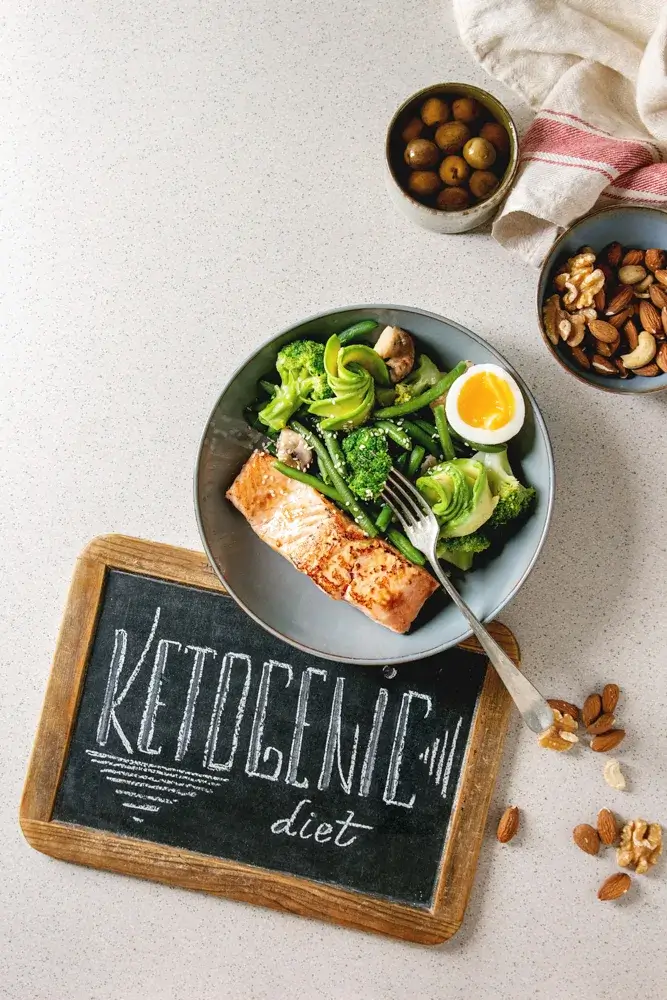
There’s no strict guideline for the zero-carb diet. Indeed, some people also include very low-net carb foods such as non-starchy vegetables, nuts and seeds, and high-fat fruits like avocado and coconut.
However, at its strictest, a no-carb diet keeps carbs as close to zero as possible.
If you prefer having a clear guide when trying out something new, a low-carb or no-carb guidebook can make the transition super easy.


The Benefits ( Why Do People Try the No-carb Diet?)
People are drawn to the no-carb diet for a multitude of reasons. While it is far from the ideal diet and definitely not a one-size-fits-all approach, these are the most common reasons people experiment with cutting carbs entirely.
1. Rapid Fat Burning
When you remove carbs entirely from your diet, your body has very limited access to glucose, which is the usual source of energy.
The body shifts to relying on stored fat for fuel.
For some, this particular shift leads to very noticeable weight loss, especially in the early stages.
Besides, a no-carb diet is typically high in protein and fat, which makes you stay fuller for longer compared to carbs. This naturally reduces appetite.
You’d end up eating fewer calories without necessarily restricting your portions.
That said, rapid weight loss in the early stages can also include water weight, so results may slow over time.
2. Blood Sugar Control
Carbs have the highest impact on blood sugar levels. When you completely remove them, you effectively reduce blood sugar spikes and crashes.
This is actually one of the most common reasons people with insulin resistance or blood sugar concerns often try out low-carb or no-carb diets.
With fewer glucose fluctuations, you’ll experience stable energy levels and fewer cravings related to blood sugar spikes.
However, you must remember, while there’s extension research on low-carb diets like the keto diet, there’s limited to no research specifically on long-term, strict no-carb diets.
3. Reduce Belly Fat
Limited research suggests that very low-carb diets can actually reduce belly fat.
Lower insulin levels, plus the natural reduced calorie intake, plus less water retention, all may lead to an evident reduction in belly fat.
4. Simplicity
One of the biggest perks of the no-carb diet is how straightforward it is.
I mean, there’s no need to count calories, track macros, calculate net carbs, or read labels obsessively.
After all, the rule is simple: avoid carbs.
For people who often feel overwhelmed with many diet rules, this simplicity can actually make the diet super easy to start and follow through, at least in the short term.
Meals are built around a small number of foods, reducing decision fatigue that plagues most of us on a daily basis.
That said, simplicity doesn’t always equal sustainability. This is a highly restrictive diet that can be very difficult to maintain in the long term.
N/B: If you are looking to try out the zero-carb diet, you should know that research on such a diet is limited; in fact, most of the benefits are actually linked to low-carb diets such as the ketogenic diet rather than the zero-carb one.
Potential Downsides
1. It’s Extremely Restrictive
This is one of the most restrictive diets out there. Cutting all carbs means cutting entire food groups, including fruits and many vegetables. This can make meals feel very boring and become quite hard to sustain.
Not to mention, social situations, eating out, and travel can become quite a hassle since most meals include some carbs by default.
There’s no denying it, over time, this can feel mentally exhausting.
2. Reduced Energy
While a no-carb diet is good for steady energy throughout the day, it can also cause low energy.
Carbs are the body’s preferred energy source, especially for brain and muscle function.
So, eliminating carbs completely can lead to fatigue, brain fog, or difficulty concentrating for some people, particularly in the early stages.
3. Low Fiber Intake
Without grains and many vegetables, fiber intake can drop quite a bit in the no-carb diet. This may lead to digestive issues like constipation.
Fiber also plays a very important role in gut health and feeds beneficial gut bacteria, which can become quite hard to support on a strict no-carb diet.
4. Nutrient Gaps
Carbs aren’t just for energy. Most carbs are full of vitamins, minerals, and antioxidants that you might miss out on if you cut out carbs completely.
Fruits, vegetables, and whole grains provide nutrients that might be quite hard to replace with just protein and fat.
No-Carb Diet Food List ( What You Can Eat)
Meat and Low-Carb Animal Protein
- Beef
- Pork
- Lamb
- Chicken
- Turkey
- Venison
- Bison
- Eggs

Fish and Seafood
- Salmon
- Trout
- Sardines
- Shrimp
- Tuna
- Cod
Fats and Oils
- Butter
- Lard
- Olive oil
- Coconut oil

Optional ( Very Low Carb)
Some people include:
- Cheese
Nuts and seeds (those low in net carbs)
- Almonds
- Walnuts
- Pumpkin seeds
- Sunflower seeds
- Pistachios
- Cashews

Non-starchy veggies ( those low in net carbs)
- Broccoli
- Leafy greens
- Zucchini
- Bell peppers
- Cauliflower
- Mushrooms
- Asparagus
- Turnips
- Brussels sprouts
- Rutabaga
High-fat fruits like avocado and coconut

Foods to Avoid
- Grains such as bread, pasta, rice, wheat, barley, and quinoa.
- Beans and legumes such as black beans, kidney beans, chickpeas, and lentils.
- Fruits such as apples, oranges, bananas, berries, kiwi, and pears
- Starchy veggies such as peas, corn, potatoes, and squash
- Sweets and baked goods like cakes, cookies, sugary drinks, and candy.
- Dairy: Milk and yogurt
- Alcohol such as beer, wine, sugary mixed cocktails, and liquor.
- Condiments with added sugar, like ketchup, barbecue sauce, and salad dressing.
7-Day No Carb Meal Plan
Get Your No-Carb Diet 7-Day Meal Plan
Enter your email below to receive your no-carb diet 7-day meal plan delivered to your inbox.
If you don’t want to plan everything from scratch each week, I use a weekly meal planner spreadsheet that lets you organize your recipes, plan your weekly meals, build a grocery list automatically, and track calories and macros, if you want to, all in one place.

Weekly Meal Planner Spreadsheet
Plan your weekly meals and automatically generate a grocery list. Stay consistent without overthing it.
How Does a No-Carb Diet Compare to Other Diets
No Carb Diet Vs Keto
A no-carb diet actually closely resembles a ketogenic diet.
Keto is a very low-carb diet. In the ketogenic diet, your daily intake of carbs is restricted to 20-50 grams. Keto also encourages you to get about 60 percent of your daily calories from fat.
So, there’s a resemblance. In fact, depending on what you eat, these two could look quite alike.
If you’re doing a strict no-carb diet, then no-carb is a more restrictive version.
If you’re doing a more relaxed version that accepts low net carbs, vegetables, and nuts and seeds, then you’re doing a version of the ketogenic diet.

No-Carb Diet Vs Carnivore Diet
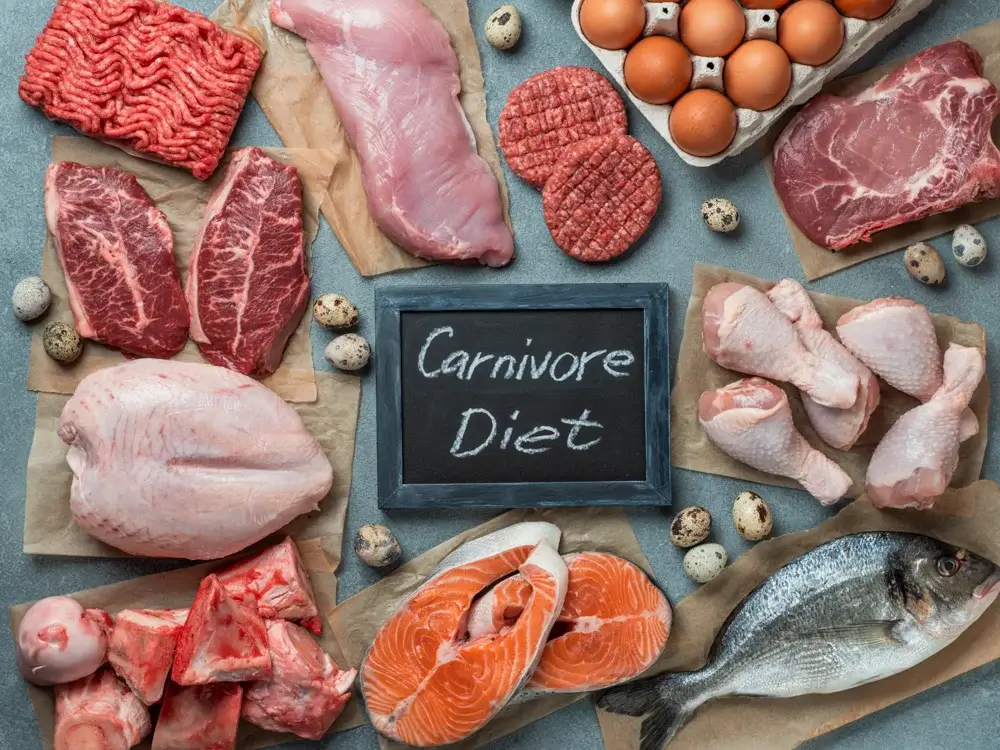
These two also overlap. Both significantly reduce or eliminate carbs. The main difference is that the carnivore diet focuses specifically on animal-based foods.
A no-carb diet, on the other hand, is more about the absence of carbs than the source of food.
If you do a version that allows low-carb vegetables and nuts, then a no-carb diet can be slightly more flexible than a strict carnivore diet.
Final Thoughts
The no-carb diet is an extreme take on low-carb diets, such as the ketogenic diet. It eliminates almost all carbohydrate sources.
It is highly restrictive and might not actually be necessary to experience many of the benefits associated with low-carb eating.
However, you can always experiment. If you try it, focus on whole foods and pay attention to how you feel.
Or better yet, go for a less strict version that allows for low net carbs, vegetables, nuts, and seeds.
Weekly Meal Planner
Use this meal planner to stay consistent. Works with any diet.